Article Contents:
- 1. Concept and Significance of Thin Wood Materials
- 1.1 Definition of Thin Materials
- 1.2 Aesthetic and Functional Advantages
- 2.1 Veneer
- 2.2 Plywood
- 2.3 Laminated Panels
- 2.4 Wood-Based Composite Materials
- 3.1 Drying and Conditioning
- 3.2 Mechanical Processing
- 3.3 Laminating
- 3.4 Thermal Treatment
- 3.5 Impregnation and Finishing
- 4.1 Interior Finishing
- Wall and ceiling cladding
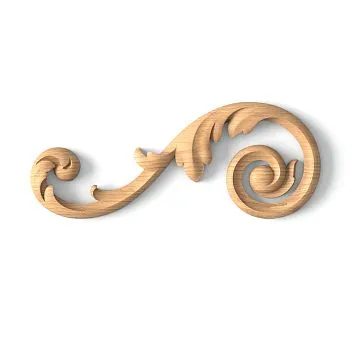
- Decorative Inlays and Appliqués
- Furniture and Accessories
- 4.2 Exterior and Architectural Finishing
- Building facades
- Landscape Design
- 4.3 Commercial and Public Spaces
- Restaurants and Cafes
- Offices and Shopping Centers
- 5.1 Ecological Purity and Safety
- 5.2 Certification and Sustainable Production
- 5.3 Reducing Carbon Footprint
- 6.1 Integration of Digital Technologies
- 6.2 Personalization and Custom Projects
- 6.3 Ecological Minimalism
- 6.4 Global Collaboration
- 7.1 Defining Tasks and Functional Requirements
- 7.2 Material Selection Criteria
- 7.3 Care for decorative materials
- 7.4 Integration with other finishing materials
- 8.1 Elegant interiors
- 8.2 Modern office spaces
- 8.3 Art objects and designer installations
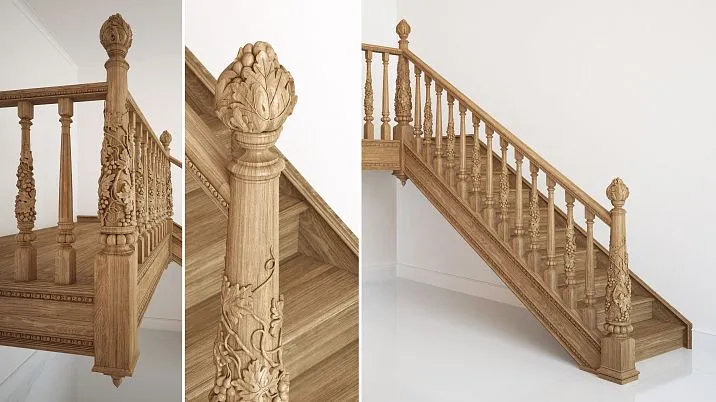
Natural wood has inspired artisans for centuries to create unique works of art and functional items, combining the beauty of nature with high craftsmanship. Among all wooden materials, thin wood materials hold a special place. They embody elegance, lightness, and refinement, allowing the creation of exquisite decorative elements, furniture, panels, and other items, where every detail is a work of art.
Thin wood materials are used for interior and exterior design, where not only strength but also visual lightness, aesthetics, and compatibility with modern processing technologies are important. Modern technologies such as laser cutting, digital modeling, and ultra-precise milling allow achieving incredible precision and detail while preserving the natural beauty of the material.
In this article, we will thoroughly examine what thin wood materials are, their types, processing characteristics, applications in design and architecture, as well as ecological and practical aspects of their use. We will also discuss trends inspiring modern designers and provide examples of successful projects.


1. Concept and significance of thin wood materials




1.1 Definition of thin materials
Thin wood materials are items made from natural wood in the form of sheets, veneers, or plywood, characterized by low thickness and high flexibility. These materials have a unique ability to retain the natural texture and tones of wood, while being lightweight and flexible for processing. They are often used to create decorative panels, cladding, furniture elements, and even artistic installations.
Our factory also produces:


1.2 Aesthetic and functional advantages
The main advantage of thin wood materials is their versatility:
● Lightness and flexibility. Due to their low thickness, items are easily bent, cut, and milled, allowing the creation of complex and intricate shapes.
● Natural beauty. Thin wooden sheets retain the original wood grain pattern, rich tones, and texture, giving the items an elegant appearance.
● Easy installation. These materials are often used for wall, ceiling, and furniture cladding, where minimal load on the structure is important, making them ideal for interior modernization without major renovation.
● Ecological safety. Natural wood is an environmentally clean material, free of toxic substances, which is especially relevant for creating healthy and safe living spaces.
2. Types of thin wood materials
Get Consultation
2.1 Veneer
Veneer is a thin layer of wood obtained by planing or peeling the trunk of a tree. It retains all the natural features of wood, including the unique grain pattern, natural tones, and structure. Veneer is often used for furniture cladding, decorative panels, and interiors.
● Features:
○ Veneer can have a thickness from 0.5 to 3 mm, allowing its use for creating complex decorative solutions.
○ It easily combines with other materials, such as MDF or plywood, creating the effect of a solid block at lower costs.
○ Due to its natural appearance, veneer can be used in various styles — from classic to modern.
2.2 Plywood
Plywood is created by gluing several layers of veneer with alternating grain directions, ensuring high stability and strength of the product. Thin plywood is used for creating decorative panels, cladding, and even furniture manufacturing.
● Features:
○ Plywood comes in various thicknesses: thin sheets from 2 to 6 mm are ideal for decorative purposes.
○ Due to its structure, plywood practically does not warp and is resistant to deformation, which is especially important for interior finishing.
○ Plywood can be easily painted or varnished while preserving the natural wood grain pattern.
2.3 Laminated Panels
Laminated products consist of bases (e.g., MDF or particleboard) covered with a decorative veneer or laminate layer that mimics natural wood. These panels combine the advantages of natural wood with the stability of modern composite materials.
● Features:
○ Laminated panels are available in a wide variety of textures and colors, allowing you to select the optimal solution for any interior.
○ They feature high wear resistance, ease of maintenance, and are less susceptible to mechanical damage compared to solid wood.
○ These materials are ideal for creating decorative elements where the combination of aesthetics and practicality is important.
2.4 Wood-based Composite Materials
Composites incorporating natural components such as wood flour or fibers mixed with synthetic polymers offer new possibilities for applying thin materials. They are characterized by high strength, moisture and UV resistance, and can be easily processed to create complex shapes.
● Features:
○ Composite materials can be used both indoors and for exterior finishes where enhanced resistance to external influences is required.
○ They retain the natural aesthetics of wood, yet possess improved performance characteristics.
○ Using composites allows achieving an ideal combination of traditional materials with modern technologies.
3. Technologies for Processing Thin Wood Materials
3.1 Drying and Conditioning
One of the key stages in preparing wood for further processing is proper drying. Thin materials such as veneer and plywood require careful humidity control to prevent warping, cracking, and deformation. Modern automated drying chambers allow maintaining optimal conditions for each wood species, ensuring the stability and longevity of finished products.
3.2 Mechanical Processing
After drying, wood is sent for planing and sanding to achieve a smooth and even surface. CNC machines enable the creation of complex patterns and decorative elements with high precision. Laser cutting and digital engraving allow achieving incredible detail, which is especially valuable when creating unique decorative panels and inlays.
3.3 Laminating
Laminating is the process of applying a protective and decorative layer onto the surface of a base, such as MDF or particleboard. Thin laminated panels retain the appearance of natural wood, exhibit high resistance to mechanical damage, and are easy to maintain. Modern laminating technologies allow achieving uniform coverage while preserving all natural characteristics of the wood.
3.4 Thermal Treatment
Thermal modification of wood is an innovative method for improving material performance without using chemical additives. Heating wood alters the fiber structure, making the material more resistant to moisture, rot, and insects. Thermally treated thin materials retain their natural appearance while becoming stronger and more durable, which is especially important for finishing applications.
3.5 Impregnation and Finishing
The final stage of processing involves applying protective coatings: varnishes, oils, waxes, or paints. These compounds create a thin protective layer on the wood surface that enhances the natural texture and color saturation. Modern eco-friendly compounds allow preserving the natural appearance of the material while providing high protection against mechanical damage and UV exposure. Regular renewal of the protective layer extends the service life of decorative items and preserves their original beauty.
4. Application of Thin Wood Materials in Design and Finishing
4.1 Interior Finishing
Thin wood materials find wide application in interior design due to their versatility and aesthetic appeal.
Wall and Ceiling Cladding
Decorative panels made of veneer, plywood, or laminated products allow creating unique accent walls or ceilings that become the focal point of the interior. Due to the thinness of the material, panels can be easily combined with other finishing solutions to create complex compositions and patterns. Natural wood tones add warmth and harmony to the space, creating an atmosphere of comfort and tranquility.
Decorative Inlays and Inserts
Thin wooden inlays and decorative inserts are used to embellish furniture, doors, window frames, and other interior elements. Such solutions add originality and individuality to the space, highlighting its style. For example, you can use carved inlays with patterns created using laser engraving, which will give the item elegance and exclusivity.
Furniture and Accessories
Thin wood materials are used not only to produce decorative panels but also to create furniture elements such as cabinet facades, countertops, shelves, and decorative frames. Using natural wood in furniture manufacturing ensures the longevity and ecological purity of the products, while also enabling the creation of unique design solutions reflecting the owner’s taste and individuality.
4.2 Exterior and Architectural Finishing
Natural wood can bring warmth and natural harmony to a building's exterior, even when used in thin cladding materials.
Building Facades
Thin wooden panels and cladding can be used to clad building facades, giving structures a modern yet natural appearance. Such materials are resistant to atmospheric influences, especially when treated with modern protective technologies such as thermal modification and eco-friendly coatings. Wooden facade solutions harmonize beautifully with elements made of metal, glass, or stone, creating striking contrasts and visual dynamics.
Landscape Design
In exterior design, thin wooden materials are used to create decorative elements in gardens, parks, and private plots. They can be applied to clad gazebos, pergolas, decorative fences, and garden furniture. Due to their lightness and versatility, these materials blend organically into natural landscapes, accentuating the natural beauty of the surrounding environment.
4.3 Commercial and Public Spaces
Thin wooden materials are also used in commercial interiors, where aesthetics, durability, and functionality are important.
Restaurants and Cafes
Decorative panels made from thin veneer or laminated materials create a warm and cozy atmosphere in restaurants and cafes. Natural wood contributes to forming a stylish and memorable interior that attracts visitors with its natural beauty and eco-friendliness. Such solutions help improve microclimate and create a favorable environment for communication.
Offices and Shopping Centers
In commercial interiors, natural wood is used to create fittings, decorative elements, partitions, and wall cladding. It helps create a professional yet warm and inviting atmosphere conducive to productive work and comfortable communication. Thin wooden materials allow achieving high standards of quality and aesthetics without excessive weight or spatial burden.
5. Ecological Significance and Sustainable Development
5.1 Ecological Purity and Safety
One of the key advantages of natural wood is its ecological purity. Thin wooden materials do not contain harmful chemical additives, making them safe for health. When managed sustainably, wood is a renewable resource, which is especially relevant in the context of striving for ecologically clean and sustainable solutions.
5.2 Certification and Sustainable Production
When selecting wooden materials, it is important to pay attention to the presence of international certifications such as FSC or PEFC, which confirm compliance with sustainable forestry and ecological responsibility standards. This guarantees that products are manufactured in accordance with principles of nature protection and social responsibility, which is an important aspect for modern consumers.
5.3 Carbon Footprint Reduction
The production and use of natural wood contribute to reducing CO₂ emissions, as wood accumulates carbon during its service life. This makes thin wooden materials attractive not only aesthetically but also ecologically, helping to create energy-efficient and sustainable interiors.
6. Modern Trends and Innovative Solutions
6.1 Integration of Digital Technologies
Modern processing technologies such as laser cutting, CNC milling, and digital modeling allow creating thin decorative items with unprecedented precision and detail. These methods enable artisans to realize the most daring design ideas while preserving the natural beauty of wood.
6.2 Personalization and Custom Projects
Modern clients increasingly seek unique solutions reflecting their individuality. Thin wooden materials, custom-made to order, allow creating exclusive decorative elements fully aligned with the requirements and style of a specific project. Custom finishes, executed using modern technologies, become not only functional elements but also works of art.
6.3 Ecological Minimalism
The trend toward ecological minimalism in interior design implies using natural materials in their original form, without excessive ornamentation. Thin wooden panels and cladding, executed in simple and minimalist forms, create clean lines and harmonious interior aesthetics, where every detail highlights the natural beauty of the material.
6.4 Global Collaboration
The global market for decorative wooden materials is actively developing due to the exchange of experience among artisans, designers, and manufacturers. Global collaboration promotes the adoption of innovative technologies, expands product ranges, and improves product quality. This enables creating unique projects meeting international standards and satisfying even the most demanding requirements.
7. Practical Recommendations for Selecting and Maintaining Thin Wooden Materials
7.1 Defining Tasks and Functional Requirements
When selecting decorative wood materials, it is important to define the project's objectives in advance: which surfaces need to be finished, what aesthetic to create, and which functional properties are most important. This will help correctly choose the material type, its thickness, and processing method.
7.2 Material Selection Criteria
● Wood species. Different species have varying textures, colors, and strengths. Choose the material based on interior style and usage conditions.
● Processing methods. Pay attention to the quality of processing: smoothness, precision of decorative element cutting, and uniformity of coating.
● Ecological certification. The presence of certificates (FSC, PEFC) guarantees that the material was obtained in accordance with sustainable forestry and ecological responsibility standards.
7.3 Care for Decorative Materials
To ensure thin wood items retain their original appearance and functional properties, regular care is necessary:
● Regular cleaning. Wipe surfaces with soft cloth or special brushes, avoiding aggressive cleaning agents.
● Renew protective coatings. Periodically apply a fresh layer of varnish, oil, or wax to protect the wood from moisture, UV radiation, and mechanical damage.
● Climate control. Maintain stable temperature and humidity levels in the room to prevent material deformation and warping.
7.4 Integration with Other Finishing Materials
Thin wood materials combine beautifully with metal, glass, stone, and textiles. Proper combination of different materials helps create a harmonious and stylish interior. Experiment with combinations to highlight the natural beauty of wood and achieve a unique visual effect.
8. Examples of Successful Projects and Inspiration
8.1 Elegant Interiors
In luxury homes and apartments, thin decorative panels and wood inlays are used to create luxurious and cozy interiors. Wall cladding, decorative ceilings, and unique furniture elements made of natural wood emphasize the status of the space and give it individuality. Each item becomes not just a finishing material, but a true work of art.
8.2 Modern Office Spaces
In offices and commercial interiors, using thin wood materials helps create a pleasant and stylish working environment. Wooden decorative elements help soften the strict lines of modern offices, adding warmth and natural aesthetics, which positively affects employee productivity and mood.
8.3 Art Objects and Designer Installations
Modern artists actively use thin wood materials to create unique art objects and installations. Carved panels, laser engraving, and complex digital patterns allow creating items that not only decorate space but also tell a story. Such works become focal points and inspire new creative achievements.
9. Conclusion
Thin wood materials represent a wonderful blend of traditional craftsmanship and advanced technologies. They can transform any interior, bringing elegance, refinement, and natural warmth. Thanks to their lightness, versatility, and aesthetic expressiveness, these materials are suitable for both classic and ultra-modern interiors, serving as a basis for creating unique design solutions.
Modern processing technologies, such as laser cutting, CNC milling, thermal modification, and laminating, allow fully revealing the potential of natural wood, giving products incredible precision, durability, and aesthetic appeal. This enables artisans to create decorative elements that not only serve utilitarian functions but also become true works of art.
Choosing thin wood materials means investing in quality, ecological purity, and the uniqueness of your space. This is not just decoration — it is an opportunity to create a unique atmosphere filled with natural harmony, refined details, and the warmth of living material.
For more detailed information on the range of decorative items and thin wood materials, we recommend visitingthe catalog of solid wood productsHere, you will find the best solutions capable of bringing even the most daring design projects to life, and you will be able to make an informed choice in favor of natural materials that will give your space eternal elegance and timeless beauty.
Let your space be filled with natural harmony, and every detail crafted from thin natural wood become a symbol of quality design, respect for nature, and pursuit of perfection. Natural wood is an eternal source of inspiration, uniting centuries of tradition with innovative technologies to create unique items capable of transforming any interior and giving it emotional warmth.