Article Contents:
- Introduction: The Significance of Solid Wood Furniture in Modern Interiors
- Historical Overview and Evolution of Solid Wood Furniture Manufacturing
- Craftsmanship Traditions and the Beginning of the Journey
- Industrial Revolution and Transition to Mechanization
- Modern Technologies and Digital Transformation
- Design and Design: From Idea to Concept
- Concept and Sketch
- Technical Specification and Drawing Development
- Style Selection and Conceptual Design
- Material Selection and Preparation: Solid Wood as a Symbol of Durability
- Wood Species and Their Characteristics
- Wood Preparation: Drying, Planing, and Processing
- Chemical Treatment and Wood Protection
- Assembly of Structure: Frame, Joints, and Strength
- Creating a frame
- Connection technology
- Assembly and Preliminary Inspection
- Finishing Work: Sanding, Lacquering, and Final Finishing
- Surface sanding
- Lacquering and Painting
- Decorative Elements and Final Finishing
- Quality Control and Warranty of Product Longevity
- Testing and Inspection
- Warranty Obligations
- Use of Computer Numerical Control (CNC) Machines
- Digital Design and Modeling
- Ecological Technologies and Sustainable Production
- Integration of Traditional Methods with Modern Innovations
- Defining the Concept of Classic Furniture
- Design Features of Furniture in the Classic Style
- Preserving traditions in the age of innovation
- Examples of Products: From History to the Present
- Quality Control and Standardization
- Economic and ecological challenges
- Equipment update and staff training
- Development of digital technologies and artificial intelligence
- Global trends and integration with world markets
- Preservation of uniqueness and individuality of products
where traditions intertwine with technological progress.classic furniturewhere traditions intertwine with technological progress


Introduction: The significance of solid wood furniture in modern interiors
Solid wood furniture has always been associated with strength, reliability, and aesthetic refinement. Its production requires skilled labor, precision, and attention to every detail. Today, as consumers increasingly choose items capable of enduring multiple generations, solid wood furniture manufacturing technology becomes the foundation for creating interiors filled with warmth, history, and character.
and continue to influence modern interior design trends.classic furniturecontinue to influence modern trends in interior design




Historical overview and evolution of solid wood furniture manufacturing
Our factory also produces:


Craftsmanship traditions and the beginning of the journey
Solid wood furniture manufacturing has ancient roots. Since time immemorial, people have used natural wood to create simple seats, tables, and cabinets. Early masters, guided by intuition and experience, formed the foundations of the craft, passing down secrets of wood processing from generation to generation. It was precisely during this period that traditions emerged, which later became the basis of furniture manufacturing technology.
In those times, every detail was handmade, and the craftsman's skill determined the quality of the product. Even if a modern person may consider furniture making a simple task, the experience of our ancestors shows that every line, every wood curve required incredible attention and love for one's craft.
Get Consultation
Industrial Revolution and transition to mechanization
With the advent of the Industrial Revolution in the 19th century, the process of furniture manufacturing underwent radical changes. The introduction of machine tools, automated lines, and early digital systems allowed for significantly faster and standardized production. However, mass production often came at the expense of individuality of products, which is especially noticeable in the segment of solid wood furniture.
where every detail must be flawless and durable.classic furniturewhere every detail must be flawless and durable
Modern technologies and digital transformation
In the 21st century, solid wood furniture manufacturing technology has reached a new level thanks to the introduction of digital technologies. Today, modern CAD/CAM systems, CNC machines, and computerized quality control systems allow achieving incredible precision and efficiency at every stage of production.
This synthesis of traditions and innovations makes solid wood furniture a true work of art, meeting the highest standards, whether classic furniture orclassic furniture.
Main stages of solid wood furniture manufacturing technology
Manufacturing furniture from solid wood is a complex, multi-stage process, where each stage is crucial for the quality and longevity of the product. Let us examine in detail the key stages of this production cycle.
Design and design: from idea to concept
Concept and Sketch
Every project begins with an idea. During the design phase, designers and engineers develop the concept of the future product, defining its functional and aesthetic characteristics. Here, it is important to consider not only the appearance but also practical aspects such as strength, ergonomics, and durability. Modern CAD systems allow creating a detailed 3D model, which significantly simplifies making changes and adjusting the project at an early stage.
Technical Specifications and Drawing Development
After the concept is approved, a technical specification is developed, including all product parameters: dimensions, types of connections, features of wood processing, and finishing materials. Drawings are created with maximum precision, as they directly determine the subsequent manufacturing process. Errors at this stage may lead to serious problems during assembly and finishing, so here craftsmanship and professionalism play a key role.
Style selection and conceptual design
The modern market offers a variety of styles, from minimalism to luxurious classical solutions. For those who appreciate refinement and traditions, items corresponding to the concept of classical furniture and %s remain relevantclassic furnitureThe combination of modern technologies with classical design allows creating unique items that reflect the history and character of the material
Material selection and preparation: solid wood as a symbol of longevity
Wood species and their characteristics
Choosing the wood species is one of the most important stages. Solid wood may include species such as oak, beech, ash, walnut, and many others. Each species has its unique physical and aesthetic characteristics: texture, color, density, and degree of strength. The correct choice of species allows creating furniture that not only looks impressive but also serves for decades
Craftsmen working according to furniture manufacturing technology pay special attention to the quality of raw materials. Only selected wood can withstand numerous processing stages while preserving its natural properties
Wood preparation: drying, planing, and treatment
After selecting the wood species, the raw material preparation stage begins. It includes drying, planing, and initial treatment. Drying is a crucial process that reduces moisture and prevents deformation of the item in the future. Drying technology can be performed both naturally and using modern drying chambers, significantly accelerating the process
Wood planing is performed using high-precision machines that allow achieving perfect flatness and smoothness of the surface. This stage is critically important for subsequent operations, as it determines the quality of joints and the overall aesthetics of the item
Chemical treatment and protection of wood
To enhance durability and resistance to environmental influences, wood undergoes special treatments: antiseptic, fire-retardant, and hydrophobic. Modern technologies allow using environmentally safe compositions that do not alter the natural appearance of the material. These methods help preserve the beauty and strength of solid wood for many years, which is especially important for items belonging to classical furniture
Assembly of the structure: frame, joints, and strength
Creating the frame
The frame of the item is its foundation, determining the stability and longevity of the entire structure. Craftsmen use both traditional joining methods and modern adhesive and mechanical fasteners. The frame made of solid wood must be designed for long-term use, withstand loads, and resist deformation
Joining technology
The secret of the item's strength lies in high-quality joints of its parts. Modern technologies allow using dowels, adhesive joints, special metal brackets, and even hidden fasteners that do not compromise the item's aesthetic appearance. Such solutions are characteristic of %sclassic furniturewhere every detail is thought out to the smallest detail, and joints are the guarantee of the structure's reliability
Assembly and preliminary inspection
After manufacturing all components, the item assembly stage begins. Craftsmen assemble the structure, monitoring the correctness of joints and compliance with project drawings. It is important that the item has no gaps or other defects that could negatively affect its longevity. Each part is inspected, and minor flaws are promptly corrected
Finishing work: sanding, varnishing, final finishing
Surface sanding
Sanding is one of the most responsible stages in producing solid wood furniture. A smooth, even surface not only gives the item an elegant appearance but also ensures better adhesion of varnish coatings. Craftsmen use both manual sanding tools and modern sanding machines with high-precision speed and pressure regulation
Lacquering and painting
Final finishing of the item is the moment when the natural beauty of wood is fully revealed. Varnishing, painting, or oiling not only protects wood from external influences but also highlights its natural texture and color. Modern technologies allow applying coatings evenly, creating an ideal finish that meets furniture manufacturing technology requirements
Decorative elements and final finishing
For creating items belonging to classic or classical furniture, strength is important, but so is aesthetics. Craftsmen often use inlay, wood carving, and other decorative elements that give the item a unique character. These details require special precision and creative approach, making each piece a unique work of art
Quality control and warranty of item longevity
Testing and Inspection
Each item undergoes multi-stage quality control. From checking the frame's strength to visual inspection of the final finish — all production stages must comply with strict standards. Modern control methods, such as digital scanning and machine vision, allow detection of even microscopic defects, ensuring the highest product quality.
Warranty Obligations
where each client expects the highest quality.classic furniturewhere each client expects the highest quality.
Innovative Technologies in Solid Wood Furniture Manufacturing
The modern market requires manufacturers to continuously update technologies and implement innovative solutions. Let's consider key areas where modern technologies have changed the process of solid wood furniture manufacturing.
Use of CNC Machines
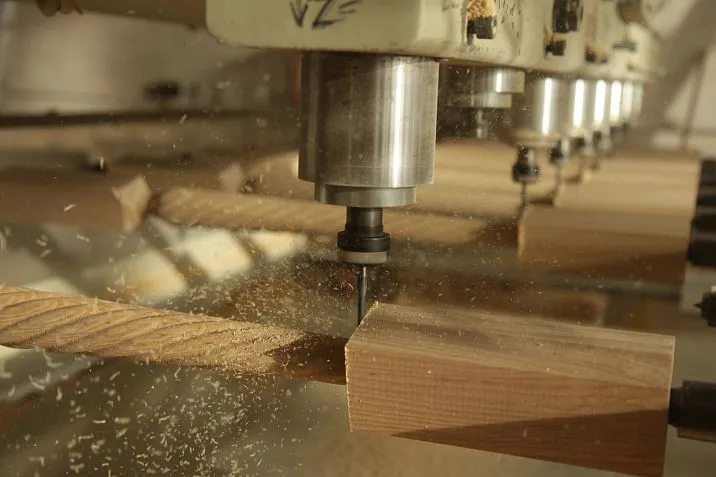
The use of CNC machines has been a revolutionary step in furniture manufacturing technology. Such machines ensure maximum accuracy in cutting, planing, and processing wood. Software allows pre-modeling of the processing process, minimizing the possibility of errors and material waste. This is especially important for items belonging to the classical furniture segment andclassic furniturewhere each detail must be executed with flawless precision.
Digital Design and Modeling
Modern CAD/CAM systems allow creating detailed 3D models of items even before production begins. Such technologies not only optimize the design but also visualize the final result, helping to make adjustments early in the development stage. Digital design has become an indispensable part of furniture manufacturing technology, allowing to combine traditional principles with innovative solutions.
Eco-friendly technologies and sustainable production
In the modern world, ecological safety occupies a central place. Solid wood furniture manufacturers increasingly switch to eco-friendly materials and technologies, minimizing harmful impact on the environment. Using natural oils, non-toxic coatings, and implementing waste recycling systems allow creating products meeting the highest ecological standards. This is especially important for items belonging to the classic style furniture segment, where traditions and responsibility toward nature go hand in hand.
Integration of Traditional Methods with Modern Innovations
Despite rapid technological development, traditional woodworking methods remain relevant. Craftsmanship, refined over centuries, allows creating items with unique character and warmth. Modern technologies do not replace manual labor but complement it, allowing to preserve the individuality of each item. This approach is especially valuable for those who chooseclassic furniturewhere traditional woodworking methods combine with innovative solutions, creating unique interior items.
Classic Furniture: Traditions, Inspiration, and Modern Trends
Definition of Classic Furniture
Classic furniture has always been associated with elegance, refinement, and timeless relevance. Classic furniture refers to items created using traditional processing methods, made from natural materials, and characterized by strict proportions, refined ornamentation, and flawless finish. This approach allows creating interior items that not only please the eye but also convey the spirit of past eras.
Design Features of Classic Furniture
Design of classic furniture is characterized by the use of solid wood, rich decorative finishes, and elegant lines. Masters pay special attention to every detail: from wood carving to selection of finishing materials. This is why items belonging to the categoryclassic furnitureremain in demand even under modern mass production conditions.
Preserving traditions in the era of innovation
One of the main tasks of modern furniture production is preserving the traditions of manual labor. Despite the introduction of digital technologies and automated lines, many manufacturers recognize the value of craftsmanship. Combining traditional methods with modern technologies allows creating classic furniture that possesses unique character and durability.
Examples of Items: From History to Modernity
Historically, many examples of classic furniture made from solid wood became true works of art. Such items, as antique cabinets, chests, and tables, remain popular to this day. Today, modern manufacturers draw inspiration from traditions, creating updated versions of classic designs adapted to modern requirements. Examples can be found on the websiteclassic furniturewhere the best works of masters combining innovations with centuries-old traditions are collected.
Industry Challenges and Solutions
Quality Control and Standardization
One of the main problems in solid wood furniture production is maintaining consistently high product quality. Even minor errors during processing or assembly stages can negatively affect the strength and appearance of the item. To solve this problem, strict quality control standards must be implemented, modern inspection systems used, and regular training of specialists provided.
Economic and Ecological Challenges
Manufacturing furniture from solid wood requires significant investments in both raw materials and processing technologies. Economic fluctuations, rising material costs, and the need to comply with environmental standards create additional challenges for producers. To overcome these challenges, companies are forced to optimize production processes, implement energy-efficient systems, and actively seek ways to reduce costs while maintaining high product quality.
Equipment upgrades and staff training
Outdated equipment and insufficient staff training can become serious obstacles on the path to creating premium-class items. To remain competitive, manufacturers are compelled to continuously invest in updating their technological infrastructure and training employees in new methods. This is especially relevant for the segmentclassic furniture, where every detail matters.
Future of solid wood furniture manufacturing
Development of digital technologies and artificial intelligence
The industry's development prospects are directly linked to further digitalization of production. Using artificial intelligence to analyze production processes, optimize costs, and control quality will significantly enhance enterprise efficiency. Digital solutions, including 3D modeling and virtual reality systems, will enable the creation of customized projects tailored to specific client requests.
Global trends and integration with international markets
The global furniture industry is becoming increasingly integrated, with manufacturers from different countries actively exchanging experience, technologies, and design solutions. Globalization allows adapting production to international standards while preserving unique national traditions. Such trends are especially relevant for items belonging to classic furniture andclassic furniture, where harmony between tradition and modernity becomes a key competitive advantage.
Preservation of uniqueness and individuality of items
Despite mass production, modern consumers value individuality and exclusivity. To achieve this, manufacturers strive to create limited collections, where every detail is meticulously crafted. Combining traditional processing methods with innovative technologies allows creating items with a unique character and high artistic level. This approach makes solid wood furniture manufacturing popular in the luxury furniture market.
Conclusion: The Art of Solid Wood Furniture Making
Manufacturing furniture from solid wood is a complex and multifaceted process, where traditional craftsmanship skills intertwine with modern technological achievements. Each stage — from selecting wood species to final finishing — requires maximum effort, attention to detail, and a creative approach.
This article showed that solid wood furniture manufacturing technology is not only the result of decades of experience and accumulated knowledge, but also a dynamic field constantly evolving under the influence of innovations. Today, masters create items that not only delight the eye but also serve for many years, becoming true works of art. Such classic furniture andclassic furniture win the trust of discerning clients who value quality, durability, and individuality.
Conclusions and recommendations for professionals and consumers
- Investments in technology: Continuous equipment upgrades, implementation of CNC machines and digital quality control systems are essential for high product quality. This is especially important for those targeting the classic furniture and traditional furniture segments.
- Preservation of craftsmanship traditions: Despite the adoption of innovative methods, manual labor and individual approaches remain an indispensable part of solid wood furniture manufacturing. Combining traditions with modern technologies allows creating items with a unique character.
- Environmental responsibility: Using natural materials, eco-friendly compositions, and implementing waste recycling systems help create products meeting global standards. This is especially relevant for classic-style furniture.
- Staff training and development: Enhancing specialist qualifications, participating in seminars and international exhibitions contribute to implementing the latest technological solutions and maintaining a high level of craftsmanship.
- Individual approach to each project: Modern digital modeling systems allow adapting the item's design to specific client requests, making each piece unique and irreplaceable.
Final Reflections
Today, as technologies rapidly evolve and consumer demands become increasingly refined, solid wood furniture manufacturing remains one of the most prestigious directions in the furniture industry. Combining centuries-old traditions with modern innovations allows creating items that not only decorate interiors but also become heritage for future generations.
Items belonging to classic furniture and traditional furniture represent the result of meticulous craftsmanship, for whom wood is not merely a material, but a living embodiment of nature, history, and art. That is why every detail, every line, every curve of the solid wood has significance. This art requires not only technical skills but also emotional dedication, making the manufacturing process unique and irreplaceable.
May every new development, every technological innovation become a step toward creating ideal items, where comfort, aesthetics, and durability go hand in hand. Modern solid wood furniture manufacturing technology is not merely a production process, but a philosophy embodying respect for traditions and striving for perfection.
Final outlook: The future of furniture manufacturing
The future of solid wood furniture manufacturing looks promising. Modern technologies such as digital modeling, automation, and eco-friendly production methods open new horizons for creating unique items. Global trends and international cooperation allow integrating best practices from around the world while preserving national traditions and craftsmanship.
Manufacturers capable of skillfully combining traditional methods with innovative technologies win the trust of discerning audiences and occupy leading market positions. Such items, like classic furniture or furniture in classic style, become symbols of high quality, style, and reliability, capable of enhancing any interior.
For the end consumer, choosing solid wood furniture is an investment in quality, durability, and unique design. Only careful analysis, attention to detail, and an individual approach will allow making the right choice and acquiring an item that will delight you for many years.
Recommendations for industry specialists
● Invest in modern technologies: Automated machines, digital control systems, and software allow improving production quality and efficiency.
● Preserve traditional craftsmanship methods: Manual labor by artisans, individual approach, and attention to every detail form the foundation for creating unique items.
● Develop an eco-oriented approach: Transitioning to eco-friendly materials and sustainable production methods not only meets the demands of the modern market but also enhances customer trust.
● Stimulate staff training: Regular professional development, participation in seminars, and exchanging experience with leading specialists will help implement innovative solutions and maintain a high level of craftsmanship.
● Adapt products to individual requests: Using digital technologies to create personalized projects will allow satisfying even the most demanding client requirements.
Conclusion
Wood solid furniture manufacturing technology is a unique blend of ancient craftsmanship traditions and modern innovative methods. Each piece, crafted with love and attention to detail, becomes not just furniture, but a work of art capable of conveying the spirit of its time and the character of its owner.
Modern manufacturers operating in the segmentclassic furniture, demonstrate that true quality and durability are achieved only by preserving traditions and implementing the latest technologies. Such items become symbols of elegance, style, and reliability, capable of transforming any interior and giving it a unique character.
We live in an era of change, when every detail matters, and advanced technologies go hand in hand with centuries-old traditions. Let solid wood furniture manufacturing technology be your guide to a world of quality, aesthetics, and flawless craftsmanship. May the pieces, created with soul, serve you for many years, offering comfort, warmth, and inspiration.