Article Contents:
- Introduction: The Significance of Built-in Furniture in Modern Interior Design
- History of Built-in Furniture Production: From Craftsmen's Workshops to Modern Factories
- Early Development Stages and Craft Traditions
- Industrial Revolution and Mechanization of Production
- Digital Revolution and Modern Trends
- Stage 1: Design and Planning
- Stage 2: Material Selection
- Stage 3: Processing Technologies
- Cutting and Layout
- Milling and Sanding
- Drilling and Preparation of Fastening Elements
- Assembly of the Product
- Stage 4: Finishing and Final Processing
- Lacquering and Painting
- Application of Decorative Materials
- Quality Control
- Computer Numerical Control (CNC) Machines
- Digital Design and CAD/CAM Technologies
- Ecological Technologies and Sustainable Production
- Design Features of Classic Furniture
- Combining traditions and innovations
- Advantages of Classic Furniture in Modern Interior Design
- Quality control of materials
- Competition and the Need for Technological Updates
- Ecological responsibility and sustainable development
- Equipment Modernization
- Development of Digital Technologies and AI
- Preservation of Traditions
- Ecological responsibility
- Global Integration
Built-in furniture occupies an important place in modern interior design, combining functionality, practicality, and aesthetic appeal. Furniture manufacturing technology is a complex symbiosis of engineering solutions, design ideas, and craftsmanship, constantly evolving under the influence of new materials and innovations. In this article, we will thoroughly examine the history, stages, and modern production technologies of built-in furniture. You will learn about the intricacies of material selection, modern processing methods, and how traditional approaches combine with the latest developments to create products meeting the highest quality standards.
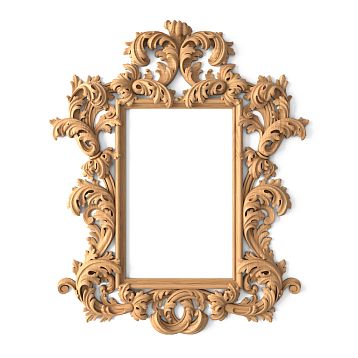
Special attention will be given to the topic of classic furniture, as items in the classic style, such as %s, continue to inspire and delight discerning audiences.classic furnitureThe article is divided into several sections, each devoted to a specific aspect of built-in furniture manufacturing technology: from historical origins to modern trends and prospects for industry development.


Introduction: The Role of Solid Wood Furniture in Modern Interior Design
Solid furniture is an indispensable part of any modern interior – whether it's a home, office, or commercial space. Its functional capabilities, thoughtful ergonomics, and aesthetic appeal not only solve practical problems but also create an atmosphere of comfort and harmony. In the context of continuous technological progress and rising consumer demands, furniture production undergoes radical changes, incorporating digital technologies, automation, and eco-friendly methods.
This article will consider:
● Historical stages of development of furniture manufacturing technologies.
● Main technological processes of solid furniture production.
● Innovative technologies changing the rules of the furniture industry.
● Features of classic furniture production, where traditions and modern technologies work in harmony.
● Industry challenges and ways to address them.




History of solid furniture production: from artisan workshops to modern factories
Our factory also produces:


Early stages of development and artisan traditions
Furniture making traces back to ancient times. Early humans already experimented with natural materials, creating the first prototypes of furniture to ensure comfort and safety. Over time, artisan traditions improved, and wooden items became not only functional but also aesthetically appealing.
During the Renaissance, furniture manufacturing art reached its peak. Masters paid attention not only to technical aspects but also to the aesthetics of their products, creating unique styles and directions. Each item was handmade using the finest materials, which gave furniture special value and status. These traditions laid the foundation for modern solid furniture manufacturing technologies.
Get Consultation
Industrial Revolution and Production Mechanization
With the start of the Industrial Revolution in the 19th century, furniture production entered a new level. Mechanization of processes allowed for increased production volumes, reduced product costs, and made furniture accessible to mass consumers. Manual processing gave way to automated lines, opening new opportunities for standardization and quality improvement.
Mechanized production allowed focusing on design development, while routine operations were entrusted to machines. This approach positively influenced the development of classic-style furniture, where traditional motifs are combined with modern technologies.
Digital Revolution and Modern Trends
In the early 21st century, furniture manufacturing technologies underwent radical changes due to the introduction of digital technologies. 3D modeling software, production line management systems, and CNC machines made the production process more precise and flexible. Today, it is possible to create furniture of any complexity while maintaining high quality and design standards.
Digital technologies allow for quick project modifications, consideration of individual customer preferences, and creation of products that best meet market requirements. These achievements are especially important for producing classic-style furniture, where every detail matters.
Main stages of solid furniture manufacturing technology
Solid furniture production can be conditionally divided into several key stages, each playing its role in creating the final product.
Stage 1: Design and Planning
Design is the starting point of any furniture production. Designers and engineers jointly develop the concept of the future product, defining its functional capabilities and aesthetic appearance. Modern CAD systems allow creating 3D models, helping visualize the final product even before manufacturing begins. Both aesthetic and functional requirements are taken into account.
During the design process:
● Sketches and drawings are created.
● Materials are selected.
● The product's construction is optimized for ease of production and use.
Engineers conduct strength calculations of the structures, considering ergonomics and furniture longevity. This comprehensive approach allows creating products that meet the highest standards.
Stage 2: Material Selection
The quality of the final product directly depends on material selection. For solid furniture production, various materials are used, each with its own characteristics and advantages:
● MDF (Medium Density Fiberboard): has good mechanical properties and affordable cost. Easily processed and allows creating decorative finishes.
● HDF (High Density Fiberboard): a material with high density and uniform structure, ideal for manufacturing fronts and decorative elements.
● Natural wood: traditional material with unique texture and durability, but requiring careful maintenance.
● Laminate surfaces: used to create durable, moisture-resistant finishes, ensuring high aesthetic and practical value.
Material selection is determined by requirements for strength, appearance, and operating conditions of the product. Modern technologies allow combining different materials to create unique compositions, especially relevant for products in classic-style furniture.
Stage 3: Processing Technologies
After project approval and material selection, the main stage begins — processing blanks. This process includes several sequential operations:
Cutting and cutting
Primary processing includes cutting materials using saws and CNC machines. Cutting accuracy is crucial for subsequent assembly of the product. Modern machines minimize errors, ensuring perfect alignment of parts with design specifications.
Milling and sanding
After cutting, blanks are milled to form decorative elements and joints for connecting parts. Specialized machines ensure high-precision processing, and subsequent sanding provides a perfectly smooth surface for applying finishing coatings.
Drilling and preparation of fasteners
To ensure reliable connections, many parts undergo drilling of holes for screws, brackets, and other fasteners. This stage is crucial for creating a strong structure.
Assembly of the product
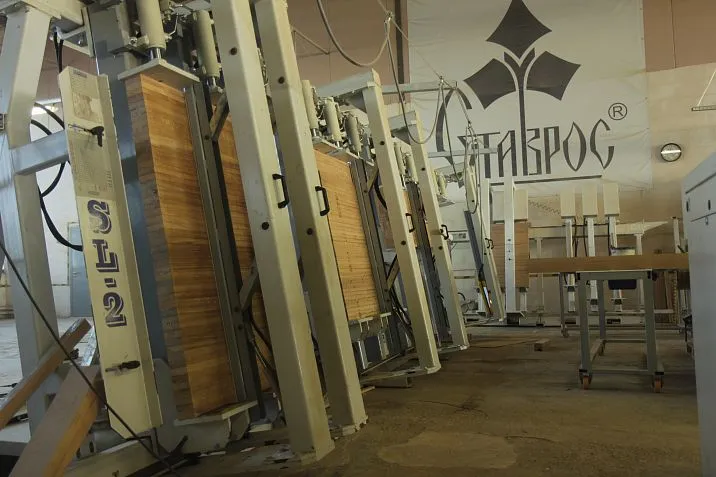
After mechanical processing, assembly of the product begins, which can be performed by automated lines or manually by specialists. Special attention is paid to the accuracy of connections, quality of adhesives and fastening materials used. Only properly assembled products possess the required reliability and durability.
Stage 4: Finishing and Final Processing
Final finishing gives furniture a complete and aesthetic appearance. This stage includes:
● Application of decorative coatings.
● Lacquering, painting, and veneer or melamine covering.
● Final assembly and quality control.
Lacquering and painting
Lacquering and painting not only create a decorative effect but also protect the surface from external influences such as moisture and mechanical damage. Modern coating application methods ensure even distribution and high durability of the protective layer.
Covering with decorative materials
To create a unique design, natural veneer or artificial decorative materials are often used. Covering allows them to imitate the appearance of expensive wood species while maintaining practicality and resistance to wear.
Quality control
After completing all finishing operations, the product undergoes thorough quality control. Specialists check each element for defects, compliance with technical requirements, and aesthetic completeness. Only after successful completion of the control is the furniture ready for delivery to the customer.
Innovative technologies in the production of cabinet furniture
Modern furniture production actively integrates innovative technologies, enabling significant improvement in product quality, optimization of production processes, and reduction of product cost.
CNC machines
CNC machines allow performing cutting, milling, and drilling operations with high precision and minimal human involvement. The software ensures:
● Precise execution of technological processes.
● Compliance of parts with design specifications.
● Minimization of material waste.
This approach is especially important for classic-style furniture, where every detail requires maximum precision.
Digital design and CAD/CAM technologies
Modern CAD/CAM systems allow:
● Create three-dimensional product models even before production begins.
● Optimize the design and calculate strength characteristics.
● Quickly make changes to the project according to the client's preferences.
These technologies contribute to creating individualized projects, which is especially relevant for the classic furniture market.
Eco-friendly technologies and sustainable production
Manufacturers are increasingly paying attention to environmental responsibility. Implementing eco-friendly technologies allows:
● Reduce the use of harmful chemicals.
● Optimize raw material and energy consumption.
● Implement recycling and waste processing systems.
This is especially important for the classic furniture segment, where ecological safety becomes an additional quality indicator.
Classic furniture: traditions and modern technologies
Features of classic furniture design
Classic furniture has always been associated with elegance, nobility, and enduring aesthetics. The design is based on traditional architectural and decorative elements, giving the items a unique charm. Key characteristics:
● Use of natural materials such as solid wood and natural veneer.
● Proportional lines, rich ornamentation, and refined details.
● Combination of functionality with artistic taste.
These elements give interiors a sense of luxury and refinement, which is especially valued in classic-style furniture.
Combining traditions and innovations
Modern technologies allow recreating the classic style with high precision while preserving the authenticity of traditional processing methods. For example, CNC machines help create complex decorative elements that were previously made by hand, while the manual craftsmanship of artisans remains an important element, giving the item individuality.
Manufacturers actively collaborate with brands specializing inclassic furniture, which allows:
● Achieve high manufacturing precision.
● Preserve traditional finishing techniques.
● Implement customization options for products.
Advantages of classic furniture in modern interiors
Classic furniture remains in demand due to:
● Aesthetic appeal: brings refinement, comfort, and elegance.
● Durability and longevity: natural materials and traditional technologies guarantee a long service life.
● Universality: easily combines with modern decorative elements.
● Individuality: the possibility of manual customization makes each item unique.
Industry challenges and ways to address them
Material quality control
One of the problems is the inconsistency of raw materials. Even standardized materials may vary in quality, leading to defects in products.
Possible measures:
● Implementation of strict quality control standards at all stages.
● Using modern raw material analysis technologies.
● Cooperation with verified suppliers.
Competition and the need for technology updates
High competition requires continuous technology updates and design improvements.
Strategies for resolution:
● Investment in research and development.
● Conducting seminars and training for employees.
● Monitoring market trends and collaborating with scientific institutions.
Environmental responsibility and sustainable development
Production must meet modern environmental safety requirements.
Approaches:
● Transition to environmentally friendly materials.
● Implementation of waste recycling systems.
● Obtaining international environmental certifications.
Equipment modernization
Outdated equipment reduces production efficiency.
Recommendations:
● Investment in modern CNC machines and automated lines.
● Training staff to work with new technologies.
● Continuous audit and modernization of equipment.
Future of solid furniture manufacturing
Development of digital technologies and AI
Digitalization, artificial intelligence, and virtual/augmented reality systems open new possibilities for furniture design and production.
Preservation of traditions
Despite innovations, manual labor remains a key element, especially in classic furniture production. The balance between technology and tradition ensures the uniqueness of products.
Ecological responsibility
Sustainable production with minimal carbon footprint and use of recycled materials will become the standard, especially for classic furniture.
Global integration
International cooperation will enable manufacturers to meet global quality standards, which is especially relevant for classic-style furniture.
Conclusion
The technology of manufacturing built-in furniture is a comprehensive process combining engineering expertise, design, environmental responsibility, and artistry. Each stage—from design to final finishing—requires attention to detail, high quality standards, and continuous improvement.
The combination of traditional methods and modern innovations allows creating furniture that is not only functional but also becomes a true work of art capable of transforming any interior. The future of the industry promises to be bright and dynamic, where digital technologies and eco-friendly solutions will play a key role.
Conclusions and Recommendations
● Investment in technology: continuous equipment updates and the adoption of CNC allow for improved quality.
● Preservation of traditions: manual labor and classical techniques remain the hallmark of unique products.
● Environmental responsibility: using eco-friendly materials helps ensure sustainable development.
● Training and experience exchange: continuous professional development facilitates the implementation of the latest solutions.
For end consumers, choosing quality furniture is an investment in comfort, durability, and ecological safety of the interior.
If you want to stay up to date with the latest trends in high-quality furniture, we recommend visiting the websiteclassic furniturewhere examples of successful integration of traditional methods and modern technologies are presented.
May the future of furniture manufacturing be filled with new discoveries, technological advancements, and a love for beauty, for true craftsmanship always remains paramount.