Article Contents:
- Anatomy of Perfection: What Makes a Wooden Chair Special
- Material Secrets: Wood Species and Their Characteristics
- Technological Aspects: From Raw Material to Masterpiece
- Ergonomic Solutions: Comfort Crafted by Nature
- Seating Biomechanics: The Science of Comfort
- Psychological Impact: Wood and Human
- Design Concepts: Styles and Directions
- Classic Interiors: Traditions Beyond Time
- Modern minimalism: beauty of simplicity
- Scandinavian Style: Harmony with Nature
- Production Secrets: Mastery in Details
- Traditional Joints: Strength Through Centuries
- Modern Technologies: Precision and Quality
- Art of Selection: Practical Recommendations
- Defining Needs: Function Dictates Form
- Quality Criteria: What to Pay Attention To
- Economic aspects: investment in quality
- Analysis of total ownership cost
- Pricing factors
- Trends in Development: The Future of Wooden Furniture
- Ecological responsibility
- Personalization and customization
- Integration of smart technologies
- Maintenance and servicing: preserving beauty for decades
- Daily Care: Simple Rules with Big Impact
- Professional Maintenance: Investment in Longevity
- Interior Psychology: Chair as an Element of Living Space
- Symbolic Value: More Than Furniture
- Influence on Emotional State
- Regional Traditions: Diversity of Approaches to Craftsmanship
- European Schools: Classic Quality
- Domestic Traditions: Strength and Reliability
- Conclusion: A Choice That Defines Life Priorities
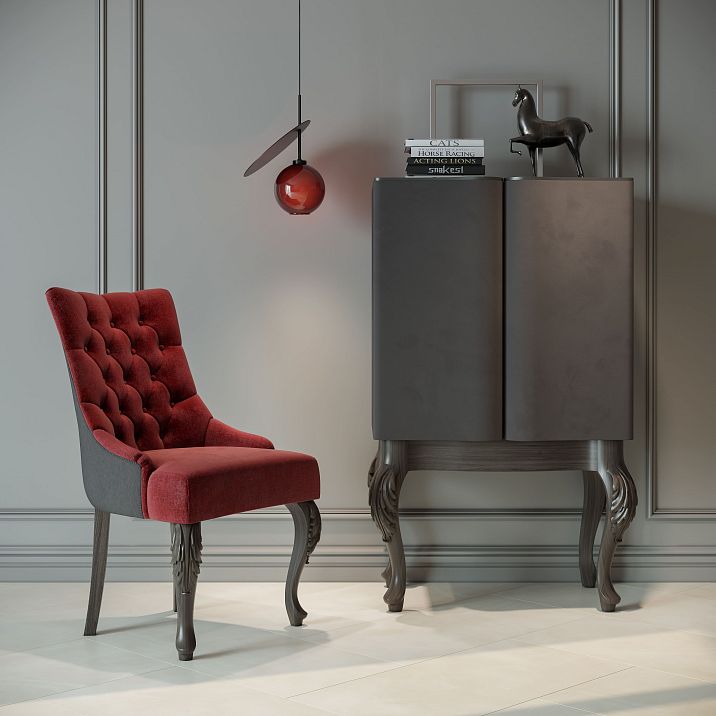
Can you imagine a piece of furniture capable of changing the atmosphere of your entire home simply by its presence? Wooden Chair — precisely such magic embodied in hardwoods. This is not merely a place to sit, but a philosophy of life expressed through the nobility of material and craftsmanship.
In the age of mass-produced synthetic materials, the wooden chair becomes a symbol of returning to roots, to authentic values of quality and durability. Every fiber of wood carries the memory of years of growth, of seasonal changes, of the strength of nature now serving humanity, creating unparalleled comfort in one’s home.
An experienced buyer understands: choosing a chair made of solid wood is an investment in the future, a decision that will delight not only oneself but also future generations of the family. It is the choice of those who value authenticity above fashion, quality above quantity.


Anatomy of Perfection: What Makes a Wooden Chair Special




Secrets of the Material: Wood Species and Their Characteristics
Oak is the king among wood species. Its dense structure and expressive grain with radial rays create a unique pattern on every piece. Oak chairs do not merely serve—they reign in interiors, demonstrating the owner's status and understanding of true values. High tannin content makes oak naturally resistant to moisture and pests.
Ash is attracted by its contrasting texture and dynamic ring pattern. This species has a unique ability to bend without losing strength, allowing for elegant curved elements. Ash chairs fit perfectly into modern interiors, adding lightness and airiness.
Walnut is the aristocrat of the wooden world. Its rich color palette, ranging from light brown to dark chocolate tones with distinctive grain patterns, turns every chair into a work of art. Walnut wood has optimal density and exceptional turning qualities.
Beech represents the golden middle ground between luxury and accessibility. Its uniform fine-grained structure creates a smooth surface that accepts various finishes beautifully. Beech chairs are the choice of practical people who value functionality and durability.
Our factory also produces:


Technological Aspects: From Rough Cut to Masterpiece
Creating a quality chair begins with the proper selection of wood. The craftsman evaluates the grain direction, density of the structure, and presence of defects. Each rough cut undergoes strict selection—because the quality of the material determines the longevity of the finished product.
Wood drying is a critically important stage requiring precise adherence to technological regimes. Modern dryers allow achieving optimal humidity of 8±2%, guaranteeing the stability of the product during use. Incorrect drying can nullify all subsequent efforts of the craftsman.
Mechanical processing requires the highest precision. Modern CNC machines allow performing operations with tolerances measured in hundredths of a millimeter. Routing mortises and tenons, creating complex profiles—all this requires professional craftsmanship and perfect equipment setup.
Get Consultation
Ergonomic Solutions: Comfort Created by Nature
Biomechanics of Seating: The Science of Comfort
A properly designed wooden chair takes into account the anatomical features of the human body. Seat height, backrest angle, curvature radius—each parameter affects comfort of use. The optimal chair height is 43–45 cm for an average adult.
The backrest shape should provide support for the lumbar region. A slightly concave profile mirrors the natural curves of the spine, reducing pressure on intervertebral discs. This is especially important for people who spend a lot of time sitting.
The seat requires special attention to ergonomics. The front edge should be slightly rounded to avoid pressure on the popliteal vessels. A small indentation in the central part evenly distributes body weight, preventing numbness and discomfort.
Psychological Impact: Wood and Human
Natural wood has a beneficial effect on a person's psycho-emotional state. Tactile contact with wooden surfaces reduces stress levels and normalizes blood pressure. Natural wood aromas create an atmosphere of calm and tranquility.
Visual perception of wood texture activates brain centers responsible for positive emotions. Each ring pattern is unique, creating a sense of individuality and distinctiveness. This is psychologically important for forming attachment to furniture items.
Design Concepts: Styles and Directions
Classic Interiors: Traditions Beyond Time
In classical interiors Wooden Chairs They serve as primary accent elements. Strict proportions, symmetrical compositions, noble wood species create an atmosphere of respectability and refinement. Every detail is thoughtfully designed and carries semantic meaning.
Decorative elements in the classical style are characterized by restraint and elegance. Carved cornices, turned legs, latticed backs emphasize the status of the items. Traditional joinery methods such as mortise-and-tenon ensure maximum strength and longevity of the structures.
Finishing requires special craftsmanship. Multi-layered lacquer coating with intermediate sanding creates depth of color and highlights the beauty of the wood. Patination adds an effect of noble antiquity, making a new chair resemble an antique piece.
Modern minimalism: beauty of simplicity
Minimalist wooden chairs are characterized by clean lines and absence of excessive decoration. Emphasis is placed on material quality, perfect proportions, and functionality. Every structural element has a practical purpose.
Color solutions tend toward natural wood tones. Matte finishes create tactile appeal and emphasize the material's naturalness. Transparent protective coatings preserve the natural texture, making each item unique.
The integration of modern technologies is not noticeable to the eye, but significantly enhances functionality. Hidden fastenings, ergonomic shapes, thoughtfully designed stacking systems — all of this makes modern wooden chairs maximally practical.
Scandinavian style: harmony with nature
Scandinavian design emphasizes the connection between humans and nature through the use of natural materials and simple forms. Light wood species—birch, pine, ash—create a sense of spaciousness and lightness in interiors.
The philosophy of hygge finds expression in comfortable forms and tactilely pleasing surfaces. Minimal wood processing preserves its natural properties. Oil-based wax finishes create a velvety surface and highlight the material's structure.
Functionality is a key principle of Scandinavian design. Chairs must be easy to move, stack, and fit into various interior compositions. Simplicity of forms does not mean simplicity—every line is carefully calibrated and functional.
Production Secrets: Mastery in Details
Traditional Joints: Strength of Centuries
Dowel joint — the foundation of wooden chair strength. A properly made dowel fits into the mortise with slight interference, creating a mechanically strong and glue-bonded connection simultaneously. Such a construction withstands decades of intensive use.
The dovetail joint is used in the most heavily loaded connections. The trapezoidal shape of the tenon ensures reliable fastening under dynamic loads. This joint requires the highest level of craftsmanship — even the slightest inaccuracy leads to weakening the structure.
Round dowels or pegs are used for concealed fastening of elements. Wooden pegs swell with glue, creating an inseparable connection. This technology allows creating visually clean forms without visible fasteners.
Modern Technologies: Precision and Quality
CNC machines have revolutionized the production of wooden furniture. The ability to create complex three-dimensional surfaces with high precision opens new horizons in design. Programmable cutting paths ensure consistent quality.
Laser engraving allows applying complex ornaments and logos with jewel-like precision. This technology opens opportunities for personalizing items — from family monograms to corporate symbols.
Modern adhesives provide bond strength exceeding the strength of the wood itself. Polyurethane adhesives are water-resistant and elastic, which is critically important for furniture used in environments with variable humidity.
The Art of Selection: Practical Recommendations
Defining Needs: Function Dictates Form
The purpose of the chair determines its structural features. Dining chairs must be comfortable for long sitting, but not overly relaxed. Office chairs require stiffer back support to maintain proper posture.
Intensity of use affects the choice of wood species and structural solutions. Restaurants and cafes require especially strong materials and reinforced joints. Home furniture can be more elegant and less bulky.
Interior style dictates design decisions. Classic interiors require corresponding forms and finishes. Modern spaces are better complemented by minimalist models with clean lines.
Quality Criteria: What to Pay Attention To
Surface finish quality is the first indicator of craftsmanship. The surface should be perfectly smooth, without chips, scratches, or unevenness. Joints of parts should be tight, without gaps or height discrepancies.
Structural stability is checked by a gentle rocking motion. A quality chair should not have play in its joints. Creaks and cracks are unacceptable — they indicate a violation of manufacturing technology.
Finish quality determines the longevity and appearance of the item. Lacquer coating should be even, without drips or bubbles. Matte finishes should not have shiny spots or streaks.
Economic Aspects: Investment in Quality
Analysis of Total Ownership Cost
Quality Wooden Chair Serves 30–50 years with proper care. Cheap analogs made of artificial materials require replacement every 5–7 years. A simple calculation shows the economic benefit of investing in natural materials.
Restorability is a unique advantage of wooden furniture. Scratches can be sanded, finishes renewed, worn parts replaced. Such furniture does not lose value over time, and with proper care becomes even more attractive.
Antique wooden furniture often costs more than new, confirming the investment attractiveness of quality items. Family heirlooms are passed down from generation to generation, preserving and increasing their value.
Pricing Factors
Wood species is the primary pricing factor. Exotic species cost significantly more than local ones, but offer unique decorative properties. Oak and walnut belong to the premium segment, beech and ash to the mid-price category.
Construction complexity affects labor costs and, accordingly, price. Carved elements, complex joints, curved parts require skilled manual labor. Simple geometric shapes can be produced using automated equipment.
Quality of hardware and finishes significantly affects the final cost. Saving on these components may lead to operational problems and additional expenses for repair or replacement.
Trends in Development: The Future of Wooden Furniture
Ecological responsibility
FSC certification is becoming an industry standard. Consumers are paying more attention to the origin of wood and harvesting methods. Responsible forestry is not only an ecological necessity but also a marketing advantage.
Local production reduces the carbon footprint of transportation and supports regional economies. Using local wood species creates an authentic regional style and reduces logistics costs.
Waste management programs for old furniture contribute to creating a closed production cycle. Wood from dismantled furniture can be used to create new items or as a source of renewable energy.
Personalization and Customization
Customized approaches are becoming a key market trend. Digital design technologies allow creating unique items tailored to specific client needs. 3D modeling enables visualizing the result before production begins.
Modular systems allow combining different elements according to needs. The basic chair structure can be supplemented with various backrests, armrests, and seat types. This approach expands personalization options while maintaining economic efficiency.
Technologies for applying personalized images and text on wooden surfaces make each item unique. Laser engraving, thermal printing, and inlay — modern methods allow realizing any design ideas.
Integration of smart technologies
Built-in sensors can monitor the load on the chair, usage time, and seated posture. These data are analyzed to optimize ergonomics and prevent musculoskeletal disorders.
Heating systems integrated into the seat provide additional comfort during colder seasons. Energy-efficient heating elements are powered by wireless chargers or rechargeable batteries.
Mobile applications allow users to monitor furniture condition, receive care recommendations, and schedule maintenance services. The Internet of Things transforms traditional wooden furniture into smart home elements.
Regular care: simple rules for longevity
Daily Care: Simple Rules with Big Impact
Regular dusting with a soft dry cloth prevents dirt accumulation and preserves surface gloss. Microfiber effectively collects fine particles without scratching delicate lacquered surfaces.
Protection from direct sunlight is critical for preserving wood color. Ultraviolet radiation causes photochemical reactions leading to fading and structural changes in the finish. Curtains or blinds should limit sun exposure during peak hours.
Maintaining optimal air humidity (40-60%) prevents wood cracking and deformation. In winter, it is especially important to use humidifiers to compensate for dryness caused by heating systems.
Professional Maintenance: An Investment in Longevity
Periodic renewal of protective coatings extends furniture lifespan and maintains its appearance. Maintenance frequency depends on usage intensity — on average, coatings are renewed every 5-7 years.
Professional polishing restores gloss and depth of color in lacquered finishes. Special compounds fill micro-cracks and create a protective layer preventing further surface wear.
Minor repairs — replacing worn hardware, tightening joints, removing scratches — should be performed by qualified professionals. DIY attempts may result in serious damage and increased repair costs.
Interior Psychology: The Chair as an Element of Living Space
Symbolic Value: More Than Furniture
A chair in the home is not only a functional item but also a symbol of hospitality, stability, and family traditions. Beautiful chairs create a festive atmosphere for family dinners, friendly gatherings, and celebratory meals.
Quality wooden furniture conveys certain values — respect for traditions, understanding of quality, willingness to invest in long-term solutions. This is especially important for educating children and forming their correct attitude toward material values.
Family furniture creates intergenerational continuity. Chairs that parents and grandparents sat in carry the energy of family history, creating a sense of roots and stability in a rapidly changing world.
Influence on emotional state
Natural materials in interior design reduce stress levels and improve overall well-being. Wooden surfaces create a sense of warmth and coziness that cannot be achieved with artificial materials.
Tactile sensations from touching well-finished wood activate positive emotions. This is especially important for people who spend a lot of time in offices with synthetic furniture.
Aesthetic appreciation of beautiful furniture enhances mood and self-esteem. A person surrounded by quality items feels more successful and confident in their abilities.
Regional Traditions: Diversity of Approaches to Craftsmanship
European Schools: The Classic of Quality
German manufacturers are renowned for engineering precision and structural reliability. Strict quality standards, use of advanced technologies, and attention to detail are distinctive features of the German furniture-making school.
Italian artisans bring artistic flair and elegance to wooden furniture. Rich decorative elements, use of contrasting materials, and impeccable sense of proportion create pieces of exceptional beauty.
Scandinavian traditions emphasize functionality and eco-friendliness. Simple forms, natural finishes, and use of local wood species create an authentic Nordic style popular worldwide.
Domestic Traditions: Strength and Reliability
Russian craftsmen traditionally work with local wood species — birch, oak, ash. A distinctive feature of the domestic school is robust construction and practical solutions.
Modern Russian manufacturers successfully combine traditional methods with advanced technologies. Use of domestic raw materials ensures competitive pricing while maintaining high manufacturing quality.
Development of the design school enables creation of products aligned with global trends while preserving national identity. This is especially important for establishing a recognizable Russian style in the furniture industry.
Conclusion: A Choice Defining Life Priorities
- this is a choice that determines the atmosphere of the home for many years to come. It is an investment not only in beauty and functionality, but also in the health of the family, in creating a space where everyone feels safe and loved. Wooden Chair This is more than just buying furniture. It is a manifesto of life values, affirming the priority of quality over quantity, longevity over short-term savings, beauty over utility.
In today's world overflowing with disposable items and imitations, choosing natural materials becomes an act of conscious consumption. Each wooden chair is a piece of living nature in your home, a reminder of the connection between humans and the natural world.
Quality wooden furniture is not subject to fashion whims. It remains relevant for decades, gaining unique charm and character with age. This is an investment that pays off not only economically, but also emotionally.
Modern technologies allow combining traditional craftsmanship with current needs. Ergonomic solutions, innovative finishes, and precise processing make modern wooden chairs maximally comfortable and functional.
Ecological responsibility has become not a trendy fad, but a necessity of life. Choosing furniture made from certified wood supports sustainable forestry and cares for the planet’s future.
Personalization and customization open boundless opportunities for self-expression. Each chair can become a unique piece reflecting the owner’s individuality and life values.
For many years, STAVROS has embodied the best traditions of working with natural wood, creating products of exceptional quality and beauty. STAVROS masters understand that a wooden chair is not just furniture, but an important element of living space, affecting the comfort, mood, and well-being of its owner.
Each STAVROS product is created with a deep understanding of the great responsibility toward the client. Premium materials, time-tested technologies, flawless craftsmanship — all of this makes STAVROS products a benchmark in the wooden furniture industry.
Choosing STAVROS, you get not just furniture, but a partner for many years. STAVROS guarantees that your Wooden Chair will not only be a functional interior item, but also a source of aesthetic pleasure, a symbol of good taste and conscious choice.
Trust in STAVROS is trust in craftsmanship based on a deep understanding of wood properties, modern manufacturing technologies, and an unwavering pursuit of perfection. Every STAVROS project is unique, as are the needs and dreams of each client about an ideal home filled with beauty, comfort, and harmony.