Article Contents:
- Oak: The King Among Wood Species
- Natural Advantages of Oak Wood
- Ecological and durable
- Philosophy of Handcrafted Craftsmanship
- Individuality of Each Piece
- Handcrafting Techniques
- Types and Varieties of Oak Tables
- Dining Tables from Solid Oak
- Classic Solid Wood Tables
- Modern Oak Tables
- Styles and Design Directions
- Rustic style
- Loft Style
- Scandinavian Style
- Creation Process: From Idea to Realization
- Design and planning
- Material Selection and Preparation
- Manufacturing Stages
- Assembly and Final Finishing
- Types of Finishes and Their Features
- Oil finishes
- Lacquered finishes
- Wax coatings
- Functionality and ergonomics
- Optimal sizes and proportions
- Practical Aspects of Use
- Placement in interior
- Dining Room and Living Room
- Kitchen
- Home Office
- Economic Aspects
- Manufacturing Cost
- Investment attractiveness
- Maintenance and care
- Daily care
- Preventive maintenance
- Repair and restoration
- Modern trends
- Ecology and sustainability
- Technological Innovations
- Individualization and customization
- Choosing a Master and Workshop
- Selection Criteria
- Technical Equipment
- Contractual Relationships
- Conclusion

Oak is not just wood. It is history embodied in fibers. It is strength tested over centuries. When skilled hands of a craftsman create furniture from such material, something greater than just a functional interior element is born. Handcrafted Oak Tables become the heart of the home, a place where traditions and modernity meet, family dinners and business meetings.
in a world of mass production, where every item resembles thousands of others, Furniture and interior items they acquire special value. They carry the soul of the craftsman, the warmth of his hands, and the uniqueness of each wood slice. Every handcrafted oak table tells its unique story.
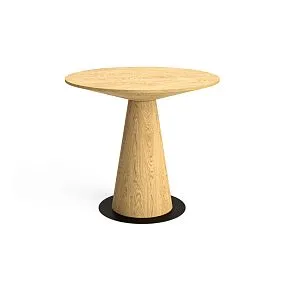
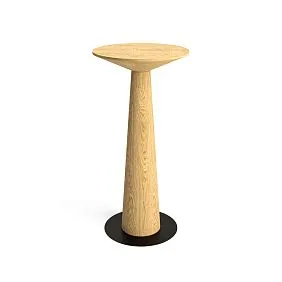
Oak: The King Among Wood Species




Natural Advantages of Oak Wood
Oak is rightfully considered an elite material for furniture making. Its dense structure ensures incredible strength — solid wood tables Capable of serving not just one generation. The natural moisture resistance of oak makes it an ideal choice for kitchen and dining tables, where contact with liquids is inevitable.
The unique texture of oak wood is striking in its variety. Each tree creates an unmistakable wood grain pattern — from smooth lines to expressive swirls. The color palette ranges from delicate golden hues of young wood to rich brown tones of seasoned oak. This natural beauty becomes the foundation for creating furniture masterpieces.
The hardness of oak wood on the Janka scale is approximately 1360 pounds-force, making it one of the strongest among all furniture woods. At the same time, oak remains sufficiently workable, allowing craftsmen to create both classic forms and modern design solutions.
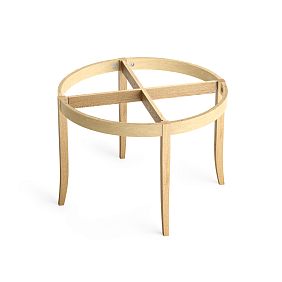
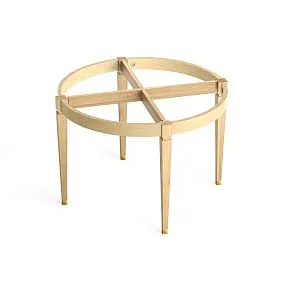
Our factory also produces:


Ecological and durable
In the era of ecological awareness, oak represents an ideal choice for conscientious consumers. It is a renewable resource that, with proper forest management, does not harm the environment. Oak forests can regenerate, ensuring sustainable production of high-quality timber.
The durability of oak furniture is not just a word. Archaeological findings confirm that oak items can last for centuries. Under normal household conditions, a properly made and maintained oak table will serve for decades, or even entire generations, becoming a family heirloom.
Get Consultation
Philosophy of handcrafting
Individuality of each piece
When a craftsman takes an unprocessed oak blank into their hands, they see not just a piece of wood — they see a future table with all its unique features and character. Handwork allows revealing and emphasizing the unique properties of each piece of wood. Knots, which are considered defects in mass production, become distinctive features in the hands of an experienced craftsman.
The process of creation begins with careful selection of material. The craftsman evaluates not only the appearance of the wood but also its internal qualities — density, moisture content, absence of hidden defects. Each board undergoes individual assessment for suitability for a specific project.
Hand processing allows creating tables with ideal proportions, taking into account the specific characteristics of the room and the client's needs. Beautiful wooden tables are created taking into account size, shape, height — everything is individually selected, creating furniture that perfectly fits the space.
Handcrafting techniques
Traditional oak processing methods are passed down from generation to generation, refined and adapted to modern requirements. Hand planing allows creating a surface of exceptional smoothness and texture, unattainable with machine processing. Each stroke of the plane leaves its mark, creating a unique surface relief.
Jointing details in handwork are performed with special care. Traditional joinery techniques — mortise and tenon, dovetail, inlays — ensure not only structural strength but also aesthetic appeal. Visible joints become decorative elements, highlighting the craftsman's skill.
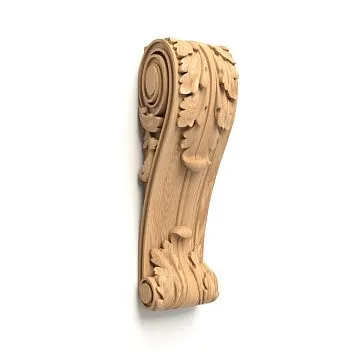
Carving adds a special charm and individuality to tables. From simple geometric ornaments to complex floral motifs — each carving element is done by hand, making the item a unique work of art. Carved wooden tables become true interior accents.
Types and varieties of oak tables
Dining tables made of solid oak
A handcrafted oak dining table is the central element of a dining room or kitchen, bringing the family together around a shared meal. A massive tabletop made from a single piece of oak creates a sense of reliability and solidity. Such tables can be rectangular, round, or oval, each shape having its own advantages and usage characteristics.
Dining table made of natural wood usually has a tabletop thickness ranging from 40 to 80 mm. This thickness ensures not only aesthetic appeal but also functional strength. The tabletop can withstand significant loads without deforming or sagging over time.
The support system of dining tables can vary from classic four legs to a central support or pedestal. Each type of construction has its own characteristics and suits specific interior design solutions. A central support frees up space under the table, making it more versatile for placing chairs of any configuration.
Classic solid wood tables
Classic Furniture represent the pinnacle of furniture art, where traditional forms combine with flawless craftsmanship. Classic oak tables are characterized by strict proportions, elegant lines, and refined decorative elements.
The feature of classic tables lies in the use of traditional joinery techniques passed down from generation to generation. Carved legs, profiled edges, inlays, and patination — all these elements require the highest level of craftsmanship and attention to detail.
Classic tables fit beautifully into interiors of various eras and styles. They create an atmosphere of nobility and respectability, highlighting the owner's good taste. Such furniture never goes out of fashion and becomes a family heirloom.
Modern oak tables
In contrast to classic forms, Modern Furniture oak is characterized by minimalist lines, functionality, and minimalist design. Modern designers skillfully combine the natural beauty of oak wood with innovative structural solutions.
Characteristic features of modern oak tables include clean geometric shapes, absence of excessive decoration, emphasis on the natural wood texture. Often, combinations of oak with metal, glass, or stone are used, creating interesting material contrasts.
Functionality plays a key role in modern design. Tables may be extendable, transformable, have built-in storage systems, or technical solutions for placing electronics. All these elements are integrated so as not to disrupt the overall aesthetic of the piece.
Styles and design directions
Rustic style
The rustic style in oak table manufacturing emphasizes the natural beauty and originality of the material. Such tables are intentionally rough in finish, preserving natural wood defects — knots, cracks, irregularities — which become part of the design.
The color palette of rustic tables usually retains natural oak tones or uses artificial aging techniques. The surface may be brushed, highlighting the structure of growth rings, or have tool marks that create the impression of handcrafted work by old masters.
Such tables fit perfectly into country houses, cottages, or interiors in the country or Provence style. They create an atmosphere of coziness and closeness to nature, reminding one of traditional values and simple joys of life.
Loft style
The industrial loft style implies bold combinations of rough oak tabletops with metallic structural elements. The massive wooden surface contrasts with cold metal legs, creating the characteristic loft atmosphere of brutal elegance.
Distinctive features of loft-style tables include visible bolted joints, unprocessed weld seams, use of pipes or profiles as support elements. The oak tabletop may retain its natural texture or be treated with special compounds to create an aged effect.
Such tables are ideal for modern urban interiors with high ceilings, open layouts, and large windows. They introduce industrial aesthetics into the space without losing warmth and coziness due to the natural wood.
Scandinavian style
The Scandinavian approach to oak table design is characterized by simplicity of form, functionality, and special attention to the natural beauty of the material. Tables in the Scandinavian style usually have a light color palette, highlighting the natural color of oak.
The construction is characterized by simplicity and thoughtful design of each detail. Legs are usually conical or cylindrical, without unnecessary decorative elements. All joints are executed neatly and often remain visible, emphasizing the honesty of the construction.
Such tables create an atmosphere of calm and harmony, characteristic of Scandinavian interiors. They combine beautifully with natural fabrics, ceramics, plants, and other natural materials.
The creation process: from idea to realization
Design and planning
Creating a handcrafted oak table begins long before the first touch of tools to the wood. Custom wooden furniture Requires detailed design, including not only defining dimensions and shape, but also planning each stage of work.
The master considers the characteristics of the room where the table will be placed, the interior style, and the functional requirements of the client. It is important to understand whether the table will be used for everyday meals, festive events, or work purposes — this determines its structural features.
Creating drawings and mockups allows visualizing the future product and making necessary adjustments before beginning work with expensive material. Modern technologies allow creating 3D models, but experienced masters often prefer traditional methods — pencil, paper, and their own imagination.
Material selection and preparation
Selecting specific boards for the project is an art in itself. Wooden Table Requires material of the highest quality. The master evaluates not only the appearance of the wood but also its technical characteristics.
The wood moisture should be 8-12% — this is the optimal indicator for furniture production. Density and uniformity of structure affect the strength of the finished product. Absence of internal stresses prevents deformation during use.
Material preparation begins with drying the wood to optimal moisture. This process may take several months to a year, depending on the initial condition of the material. Proper drying prevents cracking and deformation of the finished product.
Manufacturing stages
Rough processing includes cutting boards to size, planing, and initial fitting of parts. At this stage, the overall geometry of the table is formed, main dimensions and proportions are determined. Special attention is paid to selecting boards for the tabletop — they must match perfectly in color and texture.
Each board passes through a planer, where irregularities are removed and precise geometry is formed. Modern equipment allows achieving high precision in processing, but finishing operations are still performed by hand.
Final processing is the most responsible stage of work. Surfaces are brought to an ideal state, all joinery connections are made, decorative elements are installed. Each detail is sanded by hand using abrasives of different grits.
Assembly and finishing
Assembling the table requires precision and experience. All joints must be made perfectly — without gaps, misalignments, or play. Traditional joinery ensures not only strength but also the possibility of disassembling the item if necessary.
Adhesive joints are made using special compositions that are safe for health and provide reliable bonding for decades. The drying time of the adhesive must be strictly observed — rushing this stage may ruin the entire work.
Finishing treatment determines not only the appearance of the table but also its functional properties. The choice of coating type depends on the table's purpose and the client's preferences. Beautiful wooden tables require a special approach to finishing.
Types of coatings and their features
Oil finishes
Oil-based coatings are considered the most eco-friendly and enhance the natural beauty of oak grain. The oil penetrates into the wood pores, protecting it from within while preserving the material's natural 'breathable' quality.
The main advantages of oil-based coatings include ease of maintenance and the possibility of local repair. If minor scratches or scuffs appear on the surface, they can be easily removed by applying a new layer of oil only to the damaged area.
Oil finish creates a matte surface with pleasant tactile sensations. The wood remains warm to the touch, which is especially important for dining tables. Regular renewal of the oil coating maintains the table's ideal appearance for many years.
Lacquer Coatings
Varnish coatings provide maximum protection of the surface against moisture, mechanical damage, and dirt. Modern polyurethane varnishes create a durable film that preserves the table's original appearance for decades.
There are matte, satin, and glossy varnishes. Glossy coatings highlight the beauty of the wood, creating an effect of depth and richness of color. Matte varnishes give the surface a noble appearance, hiding minor defects and fingerprints.
Quality varnish coating is applied in several layers with intermediate sanding. Each layer must be fully dry before applying the next. The final coating may include polishing to achieve an ideal gloss.
Wax coatings
Wax coatings give the surface a special silky sheen and create pleasant tactile sensations. Wax is a traditional method of finishing wooden furniture, used for centuries.
Wax coating requires regular renewal, but in return, it allows easy removal of minor defects and maintenance of the table's ideal appearance. The wax application process can be mastered independently, making furniture care accessible to everyone.
Wax highlights the natural oak grain, giving the surface depth and richness of tones. Wax coatings look especially striking on aged wood, where wax accumulates in the texture's grooves, creating additional volume.
Functionality and ergonomics
Optimal sizes and proportions
Table height is a critically important parameter affecting comfort of use. The standard height of a dining table is 72-75 cm, but with handmade production, this parameter can be adjusted according to the height of primary users. Properly selected height ensures comfortable hand and back position when seated at the table.
The tabletop dimensions are determined based on the number of permanent seats and the frequency of guest visits. For comfortable placement of one person, approximately 60 cm of table width is required. The table length is calculated based on this parameter plus space for shared dishes and decorative elements.
Tabletop thickness affects not only the appearance but also the functional characteristics of the table. A thick tabletop (4-6 cm) creates a sense of monumentality and ensures high strength, but may appear bulky in small rooms. Thinner options (2-3 cm) look more elegant but require additional structural reinforcement.
Practical aspects of use
Table stability is ensured by proper calculation of the support system and high-quality manufacturing of joints. The center of gravity should be optimally positioned to prevent the table from tipping over under uneven load on the tabletop.
Disassembly and transportability are considered during the design phase. Large tables must fit through doorways, and if necessary, they should be disassembled into components without compromising structural integrity.
Care for a handmade oak table is simple but requires adherence to certain rules. Regular cleaning with a soft damp cloth, using hot item trivets, and timely renewal of protective coating are the keys to long-lasting service of the item.
Placement in interior
Dining room and living room
In the dining room, an oak table becomes a compositional center around which the entire space is organized. The table size should correspond to the room's area — a too-large table in a small room will appear bulky, while a small table in a spacious room will be lost.
Lighting plays an important role in perceiving the table. Chandeliers or pendant lights above the table should provide sufficient illumination for dining, but not be overly bright. Additional side lighting highlights the oak wood grain texture.
Combining with other furniture items requires thoughtful planning. Chairs should match the table's style and create a harmonious ensemble. Buffets, display cases, and chests complement the composition, creating a cohesive interior.
Kitchen
In the kitchen, an oak table should harmonize with the overall style of the room and kitchen cabinetry. If the kitchen is designed in a modern style, the table can become a contrasting element, adding warmth and naturalness to the technological space.
Practicality of use in the kitchen requires special attention to protective coatings. The surface should easily clean up food stains and be resistant to moisture and temperature fluctuations.
Integration with kitchen equipment may include built-in outlets, storage systems, or special fixtures for placing kitchenware. All technical elements should organically fit into the table's design.
The oak desk in the workspace creates an atmosphere of respectability and sets the tone for productive work. The workspace surface dimensions should ensure comfortable placement of the computer, documents, and office supplies.
Ergonomics of the workspace require precise adherence to proportions between the table height and chair. There should be sufficient space under the tabletop for legs, and the surface should be at the optimal height for keyboard use.
Storage systems are integrated into the table structure or placed nearby. Drawers, shelves, and organizers help maintain order on the workspace and increase work efficiency.
The cost of manufacturing a handcrafted oak table consists of several components. Materials constitute a significant portion of expenses — high-quality oak wood is expensive, especially if it refers to wide boards without defects.
Economic Aspects
Manufacturing Cost
The craftsman's work is the main expense. Skilled carpenters are highly valued, and creating an exclusive item requires significant time investment. Design complexity, carved elements, and special processing techniques increase labor costs.
Overhead costs include workshop maintenance, tools, and consumables. Modern equipment is expensive but allows achieving high-quality products and reduces manufacturing time.
A quality handcrafted oak table can be considered a long-term investment. Unlike mass-produced furniture, which quickly becomes outdated and worn, a handcrafted table retains and even increases its value over time.
Investment Appeal
Antique value is formed through the uniqueness of the item, the craftsman's reputation, and historical significance. Tables by renowned furniture makers become collectible items and may cost many times the original price.
The family value of an oak table often exceeds its material cost. The item is passed down through generations, becomes part of family history, and carries an emotional component that cannot be measured in monetary terms.
Daily care for an oak table does not require special skills or expensive products. The main rule — regular cleaning with a soft, damp cloth to remove dust and accidental stains. It is important to avoid using aggressive chemical agents that may damage the protective coating.
Care and Maintenance
Daily Care
Using hot item stands is mandatory — even quality coatings can be damaged by high temperatures. Cup stands protect the surface from condensation marks and beverage stains.
Protection from direct sunlight extends the lifespan of the finish. Ultraviolet rays can cause fading and aging of the coating. If the table is placed near a window, it is recommended to use blinds or curtains during daylight hours.
Periodic renewal of the protective coating is an essential part of caring for an oak table. The frequency of renewal depends on the type of coating and usage intensity. Oil-based coatings require renewal every 6-12 months, while lacquered coatings require much less frequent renewal.
Preventive Maintenance
The coating renewal procedure can be performed independently or with the help of specialists. For oil-based coatings, it is sufficient to clean the surface and apply a new layer of oil. Lacquered coatings require a more complex procedure involving partial or full sanding.
Structural condition control includes checking the reliability of connections, absence of play, and integrity of the protective coating. Timely detection and elimination of minor defects prevent serious damage.
Minor surface damage — scratches, dents, stains — can be repaired independently or with the help of specialists. For oil-based coatings, local finish renewal is often sufficient. Lacquered surfaces require more complex repairs.
Repair and Restoration
Serious structural damage — loose connections, wood cracks, deformations — require professional intervention. An experienced restorer can restore even severely damaged tables while preserving their original appearance.
Restoration of antique tables is a separate field of craftsmanship requiring deep knowledge of historical techniques and materials. The goal of restoration is not only to restore the item's functionality but also to preserve its historical and cultural value.
Modern trends in the furniture industry increasingly focus on eco-friendliness and sustainability. Consumers prefer products made from renewable materials with minimal environmental impact.
Modern trends
Ecological and sustainable design
Wood certification is becoming an important factor in selection. FSC forest certification guarantees that the wood comes from sustainably managed forests. This is important for environmentally conscious consumers.
Local materials are gaining popularity as a way to reduce transportation carbon footprint. Using oak grown in the same region where the furniture is manufactured supports local economy and reduces environmental impact.
Modern technologies do not replace manual labor but complement it, enhancing precision and quality of products. CNC machines allow performing complex processing with micron-level accuracy, unattainable by hand.
Technological Innovations
3D design allows the client to see the future table before manufacturing begins. Virtual reality enables "trying on" the table in the interior, assessing its dimensions and proportions.
New finishing materials provide better wood protection while preserving its natural beauty. Nanocoatings create an invisible protective film that repels water and dirt.
The trend toward customization affects all areas, including furniture. Clients want unique items reflecting their personality and lifestyle. This creates new opportunities for craftsmen and designers.
Individualization and customization
Modular solutions allow creating tables that can be adapted to changing needs. Detachable elements, transformable structures, and additional accessories expand the item's functionality.
Personalization may include engraving, inlay, special finishing techniques. These elements make the table truly unique and increase its emotional value for the owner.
Selection Criteria
Choosing a master and workshop
Selecting a craftsman to make a handcrafted oak table is a responsible decision that determines the quality of the final product. Experience working with oak is paramount — this species requires special skills and understanding of its properties.
Selecting a craftsman to make a handcrafted oak table is a responsible decision that determines the quality of the final product. Experience working with oak is paramount — this species requires special skills and understanding of its properties.
The master's portfolio should include examples of similar works. It is important to evaluate not only the appearance of the items but also the quality of details — joints, finishes, proportions. A good master proudly displays their work and is ready to explain the technical solutions.
Reviews from previous clients provide an objective picture of the master's work. It is important not only positive reviews but also how the master responds to criticism and resolves possible issues. Willingness to provide contacts of previous clients indicates confidence in the quality of work.
Technical equipment
A modern workshop should combine traditional hand tools with modern equipment. Quality woodworking machines ensure precision and repeatability of operations. Dust extraction system is important not only for the master's health but also for the quality of finish.
Storage and drying conditions of wood affect the quality of the finished product. The workshop should have rooms with controlled humidity and temperature to stabilize the material. Improper storage may lead to deformation of the finished table.
Organization of the working process reflects the master's professionalism. Cleanliness and order in the workshop, proper storage of tools, adherence to technological cycles — all this affects the quality of the finished product.
Contractual relationships
A properly drafted contract protects the interests of both parties. The contract must detail the technical assignment, materials, manufacturing deadlines, payment terms. It is important to fix possible changes to the project and their impact on cost and deadlines.
Payment stages are usually tied to stages of product readiness. A typical scheme includes an advance payment upon signing the contract, intermediate payments upon reaching certain stages of readiness, and final payment upon delivery of the finished table.
Warranty obligations must clearly define the master's responsibility for product quality. A reasonable warranty period shows the master's confidence in their work. It is important to understand what is covered by warranty and what relates to natural wear.
Conclusion
Handcrafted Oak Tables Represent a unique combination of traditional craftsmanship, natural beauty of the material, and functionality. In an era of mass production, such items become especially valuable, offering an alternative to soulless factory furniture.
Choosing a handcrafted oak table means investing not only in a functional piece of furniture, but also in a work of art that will serve your family for decades. Each such table carries a piece of the master's soul, the warmth of his hands, and the uniqueness of the natural material.
The process of creating such a table is a journey from idea to realization, where each stage requires skill, patience, and attention to detail. The result is an item that not only performs its function but also becomes a focal point in the home, a place where the family gathers and memories are created.
STAVROS continues the traditions of quality furniture craftsmanship, creating exceptional-quality items from carefully selected oak wood. Years of experience, modern technologies, and unwavering commitment to quality make STAVROS a reliable partner for those who value true craftsmanship and wish to surround themselves with beautiful and functional pieces. STAVROS does not merely manufacture furniture — the company creates family heirlooms passed down from generation to generation, preserving the warmth of the home and the beauty of natural wood.