Article Contents:
- The philosophy of natural wood in modern interiors
- Back to the roots: why wood conquers time
- Energy of natural material
- Variety of species: each tree tells its own story
- Royal oak: symbol of eternity and strength
- Refined walnut: aristocracy of the wooden world
- Northern spruce: freshness and natural purity
- Fine beech: flexibility and elegance
- Processing Technologies: From Rough Cut to Masterpiece
- Modern drying and stabilization methods
- The art of joinery craftsmanship
- Final finishing: protection and beauty
- Stylistic diversity of wooden side tables
- Classic forms: eternal elegance
- Modern minimalism: purity of lines and forms
- Scandinavian Style: Simplicity and Functionality
- Industrial loft: combination of wood and metal
- Functional solutions: beauty and practicality
- Coffee tables: the center of attention in the living room
- End tables: mobility and versatility
- Console tables: elegance along the walls
- Multi-level constructions: maximum functionality
- Caring for wooden side tables: preserving beauty for years
- Daily Care: Simple Rules
- Protection against damage
- Restoration and renewal
- Placement in interior: creating harmony
- Proportions and scale
- Color combinations
- Stylistic Compatibility
- Ecological aspects: responsible choice
- Sustainable forestry
- Durability as an ecological value
- Biodegradability and reuse
- Psychology of Perception: Tree and Human
- Tactile sensations and emotional connection
- Visual appeal and perception of space
- Cultural and symbolic meanings
- Innovations in wood processing: tradition and modernity
- Modern protective technologies
- Creative decoration techniques
- Individualization and customization
- Conclusion
Imagine: you enter the room, and your gaze is immediately drawn to the elegant wooden side tableas if radiating warmth and natural energy. This is not just furniture — it is a living work of art capable of transforming any space, filling it with an incomparable atmosphere of comfort and elegance.
In the world of modern technologies and synthetic materials, natural wood remains an unparalleled symbol of quality, durability, and ecological purity. Each wooden side table carries a unique story of growth, captured in the distinctive pattern of wood fibers, in every swirl and curve of texture.


The philosophy of natural wood in modern interiors




Back to the roots: why wood conquers time
In the era of globalization and mass production, natural materials acquire special value. Wood is not just raw material for furniture — it is a living material that continues to 'breathe' and develop even after processing. Each solid wood side table is a unique specimen, irreplaceable in its structure and character.
Modern designers increasingly turn to natural materials, understanding their psychological impact on people. Touching a wooden surface activates tactile receptors, creating a sense of connection with nature and inner calm. That is why wooden coffee tables become the focal point in any interior.
Our factory also produces:


Energy of natural material
Each type of wood has its own energy and character. Oak symbolizes strength and stability, walnut — wisdom and nobility, pine — freshness and natural purity. Choosing a wooden table brings not only a beautiful piece of furniture into your home, but also a piece of living nature with its unique qualities.
Natural wood is capable of regulating humidity in a room, absorbing excess moisture and releasing it when necessary. This natural process creates a favorable microclimate and contributes to maintaining a healthy atmosphere in the home.
Get Consultation
Variety of species: each tree tells its own story
Royal oak: symbol of eternity and strength
Oak tables are embodiments of classic elegance and unshakable reliability. The dense structure of oak wood ensures exceptional strength and longevity of the items. The characteristic pattern of growth rings creates a majestic texture that becomes even more beautiful over time, acquiring a noble patina.
Oak is distinguished by high resistance to mechanical damage and moisture. Solid oak tables can withstand significant loads while maintaining their flawless appearance for decades. The natural tannins present in oak provide inherent protection against pests and fungal damage.
Exquisite walnut: aristocracy of the wooden world
Walnut wood is renowned for its decorative qualities and unique grain pattern. Walnut tables feature a rich color palette — ranging from light brown to deep chocolate tones. The wavy fiber structure creates stunning visual effects, turning each piece of furniture into a work of art.
Walnut possesses excellent technical properties: it is easy to work with, accepts various finishes, and maintains shape stability under changes in temperature and humidity. These qualities make walnut tables an ideal choice for creating a luxurious interior.
Northern pine: freshness and natural purity
Pine tables bring into the interior the atmosphere of northern forests and mountain air. Light-colored wood with distinctive resin streaks creates a sense of spaciousness and lightness. The natural resins of pine have antiseptic properties, purifying the air and creating a healthy atmosphere in the room.
Pine is relatively soft, allowing for tables with delicate carving and refined decorative elements. At the same time, properly treated pine wood demonstrates excellent durability and resistance to external influences.
Noble beech: flexibility and elegance
Beech wood combines the strength of oak and the decorative qualities of walnut. Light tones with a distinct pattern of growth rings create an impression of lightness and airiness. Beech tables fit perfectly into modern interiors, adding natural warmth without excessive weight.
High impact resistance and flexibility of beech make it an ideal material for creating tables with complex shapes and structures. This wood accepts various finishes exceptionally well, from natural wax to colored stains.
Processing technologies: from rough cut to masterpiece
Modern drying and stabilization methods
The quality of the finished product largely depends on the correctness of the wood preparation process. Modern kiln-drying technologies allow the wood moisture content to be reduced to optimal levels of 8-12%, ensuring the stability of the finished table's geometry and preventing cracking and deformation.
The stabilization process includes not only drying but also relieving internal stresses in the wood. Special processing regimes allow preserving all valuable properties of the natural material while simultaneously enhancing its operational characteristics.
The art of joinery craftsmanship
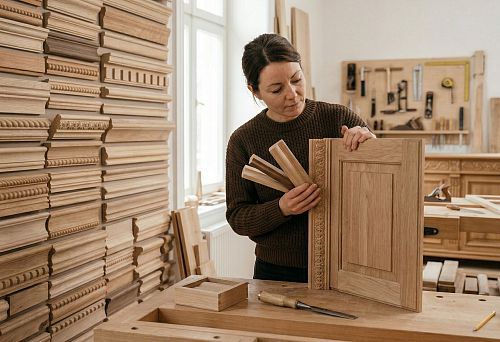
Creating a quality wooden table requires deep knowledge of the material's properties and mastery of woodworking tools. Master carpenters take into account the direction of the grain, wood density, and its reaction to various treatments.
Traditional joinery connections — mortise and tenon, dovetail, and dowel joints — provide maximum strength and longevity of the structure without using metal fasteners. This approach allows the table to maintain its integrity and stability for many years of use.
Final Finishing: Protection and Beauty
The choice of final finish is critically important for the appearance and longevity of the wooden table. Natural oils and waxes highlight the natural beauty of the wood, preserving its ability to 'breathe'. Such finishes are easy to renew and allow the wood to age naturally, acquiring a noble patina.
Coating finishes provide maximum protection against moisture, stains, and mechanical damage. Modern eco-friendly varnishes create a durable protective film without compromising the visual appeal of the natural material.
Stylistic diversity of wooden tables
Classic forms: eternal elegance
Classic style in wooden table design implies the use of traditional proportions and time-tested solutions. Rectangular and oval tabletops on elegant turned legs create an atmosphere of respectability and refinement.
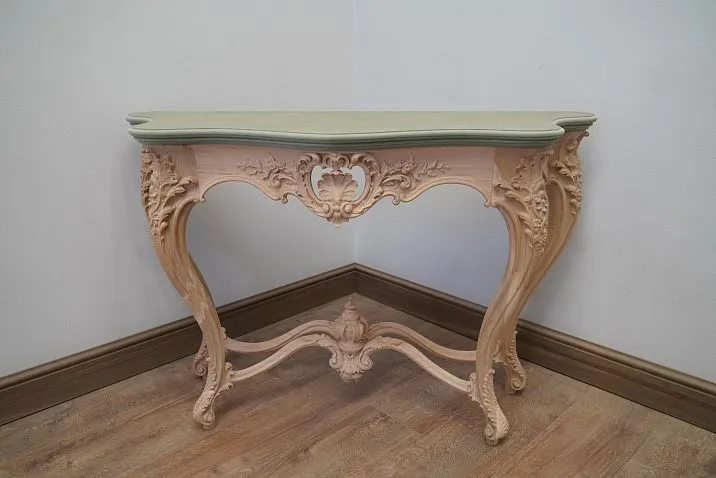
Carved elements, inlays, and patination add special luxury to classic tables. Such items become family heirlooms, passed down from generation to generation. wooden side table In a classic style, it can become a central element of a living room or office.
Modern minimalism: purity of lines and forms
Modern wooden tables are characterized by simplicity of form and functionality. Clean geometric lines, absence of unnecessary decorative elements, and emphasis on the natural beauty of the material — these are the main principles of modern design.
Transforming tables, models with additional shelves and hidden storage compartments meet the needs of modern lifestyles. At the same time, the use of natural wood adds warmth and coziness to minimalist interiors.
Scandinavian style: simplicity and functionality
Scandinavian approach to wooden table design is based on principles of functionality, eco-friendliness, and visual lightness. Light wood species — birch, pine, beech — are processed minimally, preserving their natural color and texture.
Simple geometric shapes, absence of sharp angles, and emphasis on comfort make Scandinavian tables an ideal choice for creating a cozy home atmosphere. Such furniture pairs beautifully with textiles and other natural materials.
Industrial Loft: Combination of Wood and Metal
Industrial style implies bold combinations of natural wood with metallic elements. Tables with metal bases and wooden tops made from raw solid wood create a rugged yet attractive aesthetic.
Using aged wood, preserving traces of processing and natural imperfections highlights the authenticity and uniqueness of each piece. Such tables become a striking accent in spacious rooms with high ceilings.
Functional Solutions: Beauty and Practicality
Coffee Tables: The Focal Point of the Living Room
A coffee table made from solid wood traditionally occupies the central position in the living room, uniting the surrounding relaxation zone. The right size and shape of the table influence the perception of the entire space and its usability comfort.
Round tables create a more intimate atmosphere and encourage conversation, while rectangular models are better suited for spacious rooms and provide more usable surface area. The height of the coffee table should match the height of the sofa seat for maximum comfort of use.
Side Tables: Mobility and Versatility
Compact side tables made of natural wood possess remarkable versatility. They can be used as drink holders, additional work surfaces, or decorative interior elements.
The lightness and mobility of such tables allow for easy adjustment of furniture layout according to current needs. A set of several tables of different sizes creates an interesting composition and ensures maximum functionality.
Console Tables: Elegance Along the Walls
Narrow console tables made of natural wood are ideal for placement along walls in hallways, corridors, or behind sofas. Their primary function is decorative, but they can also serve as stands for lamps, planters, or decorative items.
Elegant proportions and slender legs of console tables create a sense of lightness and do not overwhelm the space. At the same time, natural wood adds warmth and coziness to transitional areas of the home.
Multi-Level Constructions: Maximum Functionality
Tables with multiple levels of shelves provide additional opportunities for storage and display of decorative items. Lower shelves can be used for books, magazines, or other necessary small items.
Such constructions are especially relevant in small rooms, where every square meter must be used as efficiently as possible. Natural wood makes even complex multi-level structures visually light and attractive.
Caring for Wooden Tables: Preserving Beauty for Years
Daily Care: Simple Rules
Maintaining the beauty and functionality of a wooden table does not require complex procedures. Regular cleaning with a soft dry cloth removes dust and prevents its accumulation in the wood's texture. For wet cleaning, use a slightly damp cloth and immediately dry the surface thoroughly.
It is important to avoid using aggressive cleaning agents containing alcohol, ammonia, or abrasive particles. Such substances may damage the protective coating and lead to loss of gloss or color change in the wood.
Protection against damage
Using coasters under hot items, glasses with cold drinks, and sharp objects will protect the table surface from damage. Wooden, cork, or fabric coasters are not only functional but can also become additional decorative elements.
Placing the table away from direct sunlight and heating appliances prevents wood from drying out and the coating from cracking. Maintaining stable humidity in the room contributes to the longevity of wooden furniture.
Restoration and renewal
One of the main advantages of furniture made from natural wood is its ability to be restored and refreshed. Minor scratches and scuffs can be removed using special waxes and polishing compounds.
More serious damage requires professional intervention, but even in such cases, a wooden table can be fully restored, often gaining additional uniqueness and charm.
Placement in Interior: Creating Harmony
Proportions and Scale
The size of a wooden table should be based on the room's dimensions and surrounding furniture. In spacious living rooms, a large coffee table is appropriate and will become a compositional focal point. In compact spaces, it is better to prefer several smaller tables.
The table's height should correspond to the height of the sofa and chair seats. The optimal difference is 10-15 cm, ensuring comfortable use of the table surface. wooden side table Proper proportions create a sense of harmony and balance in the interior.
Color Combinations
Natural wood tones harmonize beautifully with most interior color schemes. Light woods — birch, maple, beech — refresh the space and create a sense of openness. Darker varieties — walnut, wenge, oak — add solidity and sophistication.
Playing with contrasts between the color of the wooden table and the surrounding environment can create interesting visual effects. A light table on a dark rug or a dark table surrounded by light furniture becomes a striking interior accent.
Stylistic compatibility
Wooden tables have an amazing ability to adapt to various interior styles. In classic interiors, they emphasize tradition and elegance, while in modern ones, they add warmth and coziness.
Combining with other natural materials — stone, fabric, leather — creates a rich tactile palette and enhances the feeling of comfort. Metal and glass elements combined with wood create interesting contrasts and highlight the modernity of the design.
Ecological aspects: responsible choice
Sustainable Forestry
Choosing wooden furniture made from responsibly sourced wood helps preserve planetary forest resources. FSC (Forest Stewardship Council) and PEFC (Programme for the Endorsement of Forest Certification) certificates guarantee that the wood comes from sustainably managed forests.
Local wood species have a smaller carbon footprint due to reduced transportation costs. Choosing a table made from wood grown in your region is not only an environmentally responsible decision but also supports local producers.
Durability as an ecological value
High quality and durability of natural wood furniture make it an environmentally preferable choice compared to synthetic materials. A wooden table can serve for decades, requiring no replacement and generating no waste.
The ability to repair and restore wooden furniture extends its lifespan and reduces the need to produce new items. This is especially important in the context of growing awareness of the need for a circular economy.
Biodegradability and reuse
Unlike plastic and composite furniture, wooden tables at the end of their life cycle can be fully recycled or safely disposed of. Wood is biodegradable and does not harm the environment.
Old wooden tables often find new life as materials for other projects — from decorative elements to fireplace fuel. This approach minimizes waste and maximizes the use of natural resources.
Perception Psychology: Wood and Human
Tactile sensations and emotional connection
Touching a natural wooden surface activates multiple receptors and creates unique tactile sensations. The warmth of wood, its natural texture, and subtle scent create positive emotional associations and promote relaxation.
Studies show that the presence of natural materials in interiors reduces stress levels and improves overall well-being. Wooden tables become not just furniture items, but sources of positive energy in the home.
Visual Appeal and Perception of Space
Natural wood grain patterns create a visual texture that never becomes boring to the eye. Unlike monotonous surfaces of artificial materials, wood offers richness of detail for contemplation.
Warm tones of natural wood visually bring objects closer and create a sense of coziness. This is especially important in large spaces, where wooden elements help create a more intimate and comfortable atmosphere.
Cultural and symbolic meanings
In various cultures, the tree is associated with life, growth, stability, and wisdom. These symbolic meanings subconsciously influence the perception of wooden furniture, adding it additional value and significance.
The family tradition of passing down wooden furniture from generation to generation strengthens emotional ties with objects and makes them part of family history. Such tables become witnesses to important life moments and keepers of family memories.
Innovations in wood processing: tradition and modernity
Modern protective technologies
The latest developments in wood protection allow significantly increasing its resistance to moisture, UV radiation, and mechanical damage without using toxic substances. Nanotechnological coatings create an invisible protective film while preserving the natural appearance and tactile qualities of the wood.
Thermal modification of wood changes its structure at the molecular level, increasing stability and longevity without using chemical agents. Such treatment makes even softwood species suitable for manufacturing durable furniture.
Creative decoration techniques
Modern masters develop traditional decoration techniques for wooden items, creating unique original works. Epoxy resin filling allows creating tables with transparent inserts that highlight the beauty of wood grain.
Burnishing and brushing the surface create an aged effect and emphasize the relief of growth rings. Such techniques allow creating tables with a unique character, each of which becomes a work of art.
Individualization and customization
The development of digital wood processing technologies opens new opportunities for creating personalized items. Laser engraving, milling according to individual sketches, and 3D modeling allow creating tables that precisely match the customer's wishes.
The ability to choose wood species, type of processing, dimensions, and decorative elements makes each table a unique reflection of the owner's taste and preferences. Custom-made solid wood tables become true masterpieces of furniture art.
Conclusion
In a world of rapidly changing technologies and synthetic materials wooden side table remains a symbol of constancy, quality, and connection with nature. Each such piece of furniture carries the story of the tree's growth, the craftsmanship of the maker, and the individuality of the owner.
Choosing a wooden table means choosing in favor of ecological responsibility, aesthetic beauty, and functional reliability. This is an investment not only in the beauty of the home, but also in the health of the family, psychological comfort, and a sustainable future for our planet.
Natural wood continues to inspire designers and craftsmen to create new forms and solutions. From classic coffee tables to ultra-modern transformers — the possibilities of this amazing material are truly limitless.
Each solid wood table becomes a participant in the history of the house, a witness to family celebrations and quiet evenings with a cup of tea. It creates a special atmosphere where the warmest memories are born and family bonds are strengthened.
STAVROS Company understands the true value of natural wood and offers its clients only the best examples of furniture art. Decades of experience working with various wood species, use of advanced processing technologies, and deep understanding of modern design trends allow STAVROS to create tables that will become a decoration for any interior.
Choosing STAVROS means choosing quality proven by time, an individual approach to each order, and a warranty of the longevity of the products. The company's masters do not simply create furniture — they create works of art that will delight owners for many years and may become family heirlooms for future generations.