Article Contents:
- Natural beauty in every touch
- Uniqueness of wood grain textures
- Tactile sensations and emotional connection
- Technical advantages of wooden countertops
- Strength and durability
- Repairability and restoration
- Variety of wood species: choice for every style
- Oak — symbol of reliability and respectability
- Ash — elegance and modernity
- Walnut — luxury and sophistication
- Pine — affordable naturalness
- Production technologies: from wood to countertop
- Wood selection and preparation
- Kiln Drying and Stabilization
- Gluing and forming the panel
- Final Finishing and Protection
- Design solutions and stylistic directions
- Classic interiors: luxury of traditions
- Modern minimalism: beauty of simplicity
- Loft and Industrial Style
- Scandinavian Style: Harmony with Nature
- Types of tables with wooden countertops
- Dining tables: the heart of the family hearth
- Kitchen work surfaces
- Desk and computer tables
- Coffee and end tables
- Custom manufacturing: tables to your dreams
- Design tailored to your specific space
- Accounting for personal preferences and needs
- Exclusive Designer Solutions
- Ecological aspects and sustainable development
- Renewability of resources
- Carbon footprint and climate
- Certification and Environmental Standards
- Care and maintenance: preserving beauty for decades
- Daily care and prevention
- Protection against damage
- Periodic Coating Renewal
- Combining wood with other materials
- Metallic bases and details
- Glass elements
- Natural stone
- Economic aspects of choosing wooden countertops
- Investment Value
- Ownership cost
- Trends and innovations in the world of wooden countertops
- Thermo-modification of wood
- Digital technologies in production
- Biotechnologies and new materials
- Psychology of Space: The Influence of Wood on a Person
- Biophilic Design and Well-being
- Color Therapy and Wooden Tones
- Regional Characteristics and Traditions
- Russian Cabinetmaking Tradition
- European Standards and Traditions
- Custom Solutions for Special Needs
- Countertops for People with Disabilities
- Children's Furniture: Safety and Development
- Professional Application Areas
- Restaurant Business and HoReCa
- Office and Workspaces
- The Future of Wooden Countertops
- Sustainable Production Technologies
- Integration of "smart" technologies
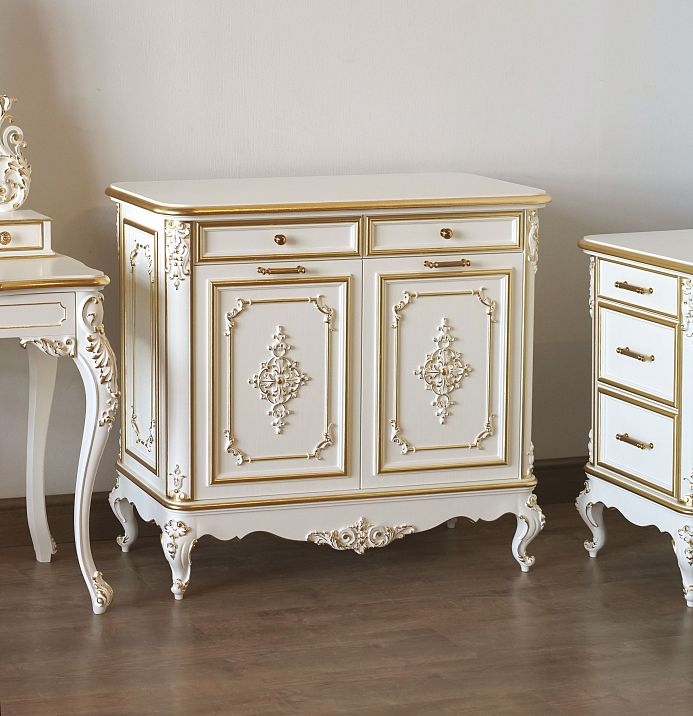
How often do we think about how our tables with natural wood countertops can become true works of art? In an era of synthetic materials and mass production, returning to natural origins becomes an act of resistance against the blandness of the modern world. Every wooden surface carries a story — from the first sprout to the master carpenter’s workshop, from living wood to an elegant interior piece.
What makes a natural wood countertop special? It is not just a working surface, it is a living substance that breathes with the house, changes over time, and becomes a witness to family traditions. Imagine the morning touch of warm wood, as sunlight plays on the grains of oak or beech, creating a unique play of light and shadow.


Natural beauty in every touch




Uniqueness of Wood Textures
Every table with a wooden countertop tells its own story. The annual rings of wood are a chronicle of time, captured in the wood. They testify to dry years and abundant rains, to frosty winters and hot summers. This natural chronology turns an ordinary piece of furniture into a true artifact of nature.
The texture of natural wood never repeats itself. Even two boards cut from the same trunk will differ from each other. The waviness of fibers, the interweaving of layers, natural patterns — all this creates a unique visual relief that cannot be artificially reproduced.
Our factory also produces:


Tactile sensations and emotional connection
Touching a wooden surface activates receptors, sending signals to the brain about warmth, texture, and the naturalness of the material. Scientific studies confirm: contact with natural wood reduces stress levels and promotes relaxation. This is not just furniture — it is therapy for the soul.
Wooden countertops have an amazing ability to adapt to ambient temperature. Unlike cold stone or metal, wood remains pleasant to the touch, creating a sense of comfort and coziness.
Get Consultation
Technical Advantages of Wooden Countertops
Strength and Durability
Solid natural wood is a material tested over centuries. Properly processed and dried wood can serve for decades, maintaining its functionality and attractiveness. Hardwoods such as oak, beech, or walnut withstand significant mechanical loads without deformation.
Modern wood processing technologies include special drying in chambers with controlled humidity and temperature. This process stabilizes the material, preventing cracking and warping in the future. The moisture content of the finished board does not exceed 8-12%, ensuring dimensional stability of the product.
Repairability and Restoration
One of the main advantages of wooden countertops is their restorability. Minor scratches, scuffs, or stains can be removed by sanding and reapplying protective coating. This makes tables with natural wood countertops nearly eternal with proper care.
The restoration process not only restores the original appearance of the item, but can also radically change its external look. Changing the tint, replacing the type of finish, or partial resanding allows adapting furniture to a new interior without the need for complete replacement.
Variety of wood species: choice for every style
Oak — symbol of reliability and respectability
Oak countertops embody traditional values of quality and durability. This species is characterized by high wood density (700-800 kg/m³) and a striking texture with large pores and contrasting growth rings. The natural color of oak ranges from light yellow to brown with a pinkish hue.
A distinctive feature of oak is its ability to acquire a richer color over time. Under the influence of light and oxygen, the wood gradually darkens, becoming more noble and expressive. This process can last for years, making each oak countertop unique.
Ash — elegance and modernity
Ash attracts designers with its light shades and expressive contrasting texture. Dark lines of late wood stand out clearly against the light background of early wood, creating a characteristic striped pattern. This feature makes ash countertops an ideal choice for modern interiors.
The hardness of ash is comparable to oak, but the wood is more elastic, making it easier to work with. Ash countertops are perfect for Scandinavian-style rooms, where light tones and natural textures are valued.
Walnut — luxury and sophistication
Walnut rightfully ranks among the most beautiful species for furniture making. Its wood features a rich color palette — from light brown to dark chocolate with purple and gray tones. Walnut fibers often have wavy or curly arrangements, creating unique patterns.
Walnut countertops are a choice for those who appreciate luxury and exclusivity. The high cost of the material is offset by its exceptional aesthetic qualities and status value.
Spruce — accessible naturalness
Spruce represents an optimal combination of accessibility and natural beauty. Its light wood, with characteristic resin pockets and expressive growth rings, creates a unique atmosphere of coziness and warmth. Spruce countertops are ideal for country or eco-style kitchens.
Despite its relatively soft structure, properly processed spruce countertops can serve for a long time. Modern impregnations and protective coatings significantly enhance its resistance to mechanical impacts and moisture.
Production technologies: from wood to countertop
Wood selection and preparation
The quality of the future countertop is established even at the stage of wood selection. Master carpenters carefully choose logs, paying attention to even growth, absence of defects, and optimal moisture content. Trees should be felled at a specific time of year when sap movement is minimal.
Prepared wood undergoes preliminary air drying for several months. This natural process allows the material to adapt to humidity changes without cracking.
Kiln Drying and Stabilization
Modern drying technologies in special chambers allow precise control of moisture removal from wood. Temperature, air humidity, and air circulation speed are automatically regulated, ensuring uniform drying throughout the entire volume of the material.
The chamber drying process may last from several days to several weeks depending on the wood species and thickness of the blanks. The final moisture content of wood for furniture production is 8-12%.
Gluing and forming the panel
To produce countertops of large width, the technology of gluing individual laminates is used. This method not only allows obtaining products of any size, but also significantly increases the stability of the structure. During gluing, the direction of fibers of adjacent laminates is alternated, preventing warping of the finished product.
Modern adhesives based on polyvinyl acetate and polyurethane provide bond strength exceeding the strength of the wood itself. At the same time, they are completely safe for health and do not emit harmful substances.
Final finishing and protection
The final stage of production is surface finishing. Sanding is performed using abrasives of different grits — from coarse for initial leveling to fine for achieving perfect smoothness.
Protective coatings for countertops can be applied using various compositions:
- Lacquers create a strong film on the surface, providing maximum protection against moisture and mechanical damage.
- Oils penetrate into the wood structure, enhancing its natural texture and preserving tactile qualities.
- Waxes impart a matte sheen to the surface and create a water-repellent layer.
Design Solutions and Stylistic Directions
Classic interiors: luxury of traditions
In classical interiors Wooden countertops become central elements of the composition. Heavy tables made of oak or walnut with carved details and patinated surfaces create an atmosphere of aristocratic luxury. Classic countertops are often complemented by decorative elements — friezes, moldings, inlays. Special attention is paid to edge treatment, which can be executed in various profiles — from simple bevels to complex multi-level configurations.
Modern designers skillfully use the natural beauty of wood in minimalist interiors. Simple geometric shapes, absence of decorative excesses, emphasis on material texture and color — these are the principles of creating modern wooden countertops.
Modern minimalism: beauty of simplicity
In minimalist interiors, countertops with live edges, preserving the natural shape of the tree trunk, are especially valued. This technique creates a contrast between the man-made geometry of the interior and organic forms of nature.
The combination of rough wood with metallic elements is characteristic of loft-style interiors. Countertops made of aged wood with emphasized texture and signs of processing create an atmosphere of industrial space reinterpreted for residential purposes.
Loft and industrial style
The combination of rough wood with metallic elements is characteristic of loft-style interiors. Countertops made of weathered wood with emphasized texture and signs of processing create an atmosphere of an industrial space reinterpreted for residential purposes.
Using epoxy resin to fill cracks and voids in wood is a popular solution. Transparent or tinted resin not only protects the wood but also creates striking visual accents.
Scandinavian style: harmony with nature
The Scandinavian approach to countertop design is characterized by the use of light wood species, simple forms, and natural finishes. Pine, birch, and beech are treated with oils or wax, preserving their natural texture and tactile qualities.
In Scandinavian interiors, functionality and eco-friendliness are valued. Countertops often serve multiple functions — from work surfaces to decorative elements that unify space.
Types of tables with wooden countertops
Dining Tables: The Heart of the Family Hearth
A dining table is not just a piece of furniture — it is a place where the family gathers for meals, where important conversations take place and decisions are made. A wooden countertop creates a special atmosphere of warmth and coziness, promoting closeness among people.
Dining table sizes vary widely — from compact models for small apartments to large constructions for spacious dining rooms. Standard height is 72-78 cm, providing comfortable seating for people of average height.
Kitchen work surfaces
Kitchen countertops made of natural wood combine functionality with aesthetic appeal. They withstand intensive use, are easy to clean, and can be restored if necessary.
For kitchen countertops, proper treatment with antiseptic agents and protective coatings is especially important. Modern technologies allow creating surfaces resistant to moisture, high temperatures, and food acids.
Writing and computer desks
In the era of digital technology, wooden countertops for workspaces acquire special significance. They create psychological comfort, reduce fatigue, and promote concentration.
Ergonomic design of modern work desks takes into account the specifics of computer equipment use. Special cable cutouts, built-in cable management systems, adjustable height — all this makes work more comfortable.
Coffee and end tables
End tables with wooden countertops become style-defining elements in living areas. Their compact size allows experimenting with shape and decor, creating unique design solutions.
Models with multi-level countertops are popular, allowing rational space organization. Combining different wood species or wood with other materials creates interesting visual effects.
Custom-made: tables according to your dreams
Design tailored to a specific space
Each room has its own layout characteristics that must be considered when creating furniture. Custom-made tables allow maximum efficient use of available space, creating perfectly sized and shaped items.
3D modeling helps visualize the future table in the interior even during the design stage. The client can assess proportions, choose the optimal configuration, and make necessary adjustments before production begins.
Accounting for personal preferences and needs
An individual approach allows creating a table fully matching the client's lifestyle and needs. Number of seating places, presence of additional functions, usage specifics — all these are considered during design.
The ability to choose wood species, surface treatment type, and base configuration opens up boundless creative possibilities. Each table becomes a unique piece reflecting the owner's individuality.
Exclusive designer solutions
Master carpenters are capable of realizing the most daring design ideas. Unusual countertop shapes, combining different materials, integrating technical elements — all this is possible with custom manufacturing.
Slab tables — whole cross-sections of large trees — are especially popular. Each such table is unique, as it is impossible to replicate the exact texture and shape.
Ecological aspects and sustainable development
Renewability of resources
Wood is the only renewable building material on the planet. With proper forest management, trees can be harvested without harming the ecosystem, ensuring continuous resource regeneration.
Modern principles of sustainable forestry involve selective logging, where only mature trees are removed, and young trees are left to continue growing. This helps maintain biodiversity and ecological balance in forest ecosystems.
Carbon Footprint and Climate
Trees absorb carbon dioxide from the atmosphere during growth, converting it into wood and oxygen. This carbon remains locked in the material throughout the product’s lifespan, contributing to climate change mitigation.
Producing wooden furniture requires significantly less energy compared to metal or plastic alternatives. This reduces the overall ecological footprint of the product and makes choosing wood a more environmentally responsible option.
Certification and ecological standards
FSC (Forest Stewardship Council) certification guarantees that the wood comes from forests managed according to principles of ecological responsibility, social equity, and economic viability.
By purchasing furniture made from certified wood, consumers support sustainable forestry practices and contribute to preserving forest ecosystems for future generations.
Care and maintenance: preserving beauty for decades
Daily care and prevention
Proper care of wooden countertops does not require special skills or expensive products. Regular wiping with a dry or slightly damp cloth removes dust and maintains the natural sheen of the wood.
It is important to avoid using aggressive cleaning agents containing ammonia, chlorine, or abrasive particles. These substances may damage the protective coating and lead to discoloration or stains.
Protection against damage
Using hot item trivets prevents the formation of white spots caused by thermal exposure. Placemats and napkins protect the surface from scratches and spills.
Minor scratches can be repaired using special wax pencils or wood oils. Deep damage requires professional restoration.
Periodic coating renewal
Depending on usage intensity, the protective coating on wooden countertops may require renewal every 3-5 years. This process includes lightly sanding the surface and applying a new layer of varnish, oil, or wax.
Renewing the coating not only restores protective properties but also refreshes the countertop’s appearance. If desired, you can change the gloss level or even the wood’s tone.
Combining wood with other materials
Metal legs and details
Combining warm wood with cold metal creates interesting visual contrasts. Steel, cast iron, or aluminum legs not only provide reliable support for heavy countertops but also add industrial accents to the design.
Modern powder coating technologies allow creating metal elements of any color and texture. Matte, glossy, or textured finishes open up wide possibilities for design experimentation.
Glass elements
Glass inserts in wooden countertops create a sense of lightness and airiness. Tempered glass withstands significant loads and is resistant to thermal impacts.
Matte, tinted, or textured glass allows creating various visual effects. Lighting glass elements transforms an ordinary table into a striking art object.
Natural Stone
Combining wooden countertops with stone elements creates interesting tactile and visual contrasts. Marble, granite, travertine, or slate can be used as decorative inserts or functional components.
Stone elements are especially suitable for kitchen countertops, where they serve as food preparation work zones. Natural stone is resistant to high temperatures and easy to clean.
Economic aspects of choosing wooden countertops
Investment value
Quality furniture made of natural wood represents a long-term investment. Unlike composite materials, which lose value over time, wooden furniture can even appreciate, especially if it is antique or designer pieces.
The ability to restore and renew makes wooden furniture practically eternal. With proper care, a table can serve multiple generations, maintaining its functionality and appeal.
Ownership cost
When assessing economic efficiency, it is important to consider not only the initial cost but also operating expenses. Wooden countertops require minimal maintenance — periodic coating renewal and careful handling.
The average lifespan of a quality wooden countertop is 20-30 years, significantly exceeding the durability of most alternative materials. This makes it an economically advantageous choice in the long term.
Trends and innovations in the world of wooden countertops
Thermo-modification of wood
Modern thermal treatment technologies allow significantly improving wood properties. Thermally modified wood has enhanced dimensional stability, moisture resistance, and resistance to biological effects.
The thermal modification process changes the wood’s color, making it darker and more saturated. This allows achieving the look of valuable exotic species using locally available wood types.
Digital technologies in production
Using computer numerical control (CNC) machines allows creating wooden countertops with complex shapes and high precision. Three-dimensional cutting, engraving, and milling open new possibilities for decorating surfaces.
3D printing with wooden filament allows creating unique decorative elements that can be integrated into traditional wooden structures. This technology is especially interesting for prototyping and producing small batches.
Biotechnology and new materials
Developing bio-based adhesives and protective coatings from renewable resources makes wooden furniture production even more eco-friendly. These materials have excellent performance characteristics while being completely safe for health.
Research into wood modification using biotechnology promises the emergence of new materials with unique properties. It may be possible to create wood with specified hardness, color, and texture characteristics.
Psychology of space: the influence of wood on humans
Biophilic design and well-being
The concept of biophilic design is based on humans' innate need for contact with nature. Using natural wood in interior design helps reduce stress, improve mood, and enhance overall well-being.
Scientific research shows that the presence of wooden elements in a workspace increases productivity and creativity. Office employees with wooden furniture are less prone to illness and fatigue.
Color therapy and wood tones
Warm tones of natural wood have a calming effect on the human psyche. Brown and yellow hues are associated with earth, stability, and security.
Different wood species have their own psychological characteristics. Light-colored woods create a sense of spaciousness and freshness, while dark woods convey intimacy and luxury. The choice of countertop color can influence the perception of the entire interior.
Regional characteristics and traditions
Russian joinery tradition
The Russian school of woodworking has deep historical roots. Traditional techniques of joining without nails or screws, use of local wood species, special surface finishing methods — all of this constitutes a unique heritage of domestic joinery art.
Modern Russian masters skillfully combine traditional skills with innovative technologies, creating products that can compete with the best global examples. The use of domestic wood makes such furniture especially attractive from an ecological and economic standpoint.
European standards and traditions
The European furniture industry sets high standards for quality and design. German precision, Italian style, Scandinavian functionality — each country has contributed to the development of furniture art.
Modern European manufacturers pay special attention to ecological aspects of production, using only certified wood and safe materials. This creates high standards that manufacturers around the world strive to meet.
Custom solutions for special needs
Countertops for people with disabilities
Modern design approaches imply creating an accessible environment for all user categories. Tables with wooden countertops can be adapted for people with physical disabilities.
Adjustable height, increased legroom, rounded edges, special recesses — all of this makes furniture more comfortable and safer to use. The tactile qualities of wood are especially important for visually impaired individuals.
Children's furniture: safety and development
Wooden furniture is ideal for children's rooms due to its eco-friendliness and safety. Absence of harmful emissions, pleasant tactile sensations, natural colors contribute to healthy child development.
Special requirements for children's furniture include rounded corners, increased strength, use of safe coatings. The ability to grow with the child makes wooden furniture especially practical — it can be modified and adapted to changing needs.
Professional application areas
Restaurant business and HoReCa
In the food service industry, wooden countertops create an atmosphere of coziness and home warmth. They are especially popular in restaurants serving traditional cuisine, cafes, and eco-oriented establishments.
Professional use imposes higher requirements for surface strength and hygiene. Special stains and coatings make wooden countertops resistant to intensive use and easy to clean.
Office and workspaces
In modern offices, wooden countertops are becoming an element of creating a comfortable working environment. They reduce stress, enhance concentration, and create a positive atmosphere in the team.
Ergonomic design of work desks takes into account the specifics of modern activities — computer work, cable organization needs, integration of technical devices. Wood combines beautifully with modern technologies, creating a harmonious working environment.
The Future of Wooden Countertops
Sustainable Production Technologies
The development of environmentally friendly furniture production technologies aims to minimize waste and energy consumption. Closed production cycles, use of renewable energy sources, waste recycling — all this makes the furniture industry more sustainable.
Innovative drying and wood treatment methods allow reducing production time while maintaining high product quality. This makes wooden furniture more accessible to a wider range of consumers.
Integration of 'smart' technologies
The "smart home" concept is penetrating the furniture industry. Wooden countertops can be equipped with built-in sensors, wireless charging for mobile devices, heating or cooling systems.
Technology integration occurs unnoticed by the user — all electronic components are hidden within the structure, not compromising the natural beauty of the wood. This allows combining traditional materials with modern capabilities.
Choosing wooden countertopBy investing in natural wood countertops, you are not only investing in the beauty and functionality of your home, but also in its healthy atmosphere. Every day, by touching natural material, you feel a connection to nature, receive a boost of positive energy, and enjoy true quality.
In a world of mass production and synthetic materials, wooden countertops remain an island of authenticity and natural beauty. They not only serve their functional purpose but also carry a piece of living nature, making our home a warmer and cozier place for life and creativity.
STAVROS Company offers a full range of services for manufacturing furniture from natural wood. Years of experience, use of only high-quality materials and modern technologies allow creating products that will be a source of pride in your home for many years. Each project is carried out according to the individual wishes of the client, from the initial sketch to the final installation of the finished product.