Article Contents:
- Introduction
- Role of Posts in Staircase Construction
- Functional Role of Posts
- Aesthetic Role of Posts
- Natural Wood
- Metal
- Composite materials
- Regulatory Documents
- Standard Sizes: 100x100 and Other Options
- Load and Strength Calculation
- Methods of Installing Posts
- Quality Control and Compliance with Standards
- 1. Defining Purpose and Operating Conditions
- 2. Choosing the material
- 3. Analysis of Price Offers
- 4. Assessment of Compliance with Standards
- 5. Consultation with professionals
- Case 1: Standard Posts for Residential Staircases
- Case 2: Balancing Strength and Aesthetics
- Case 3: Impact of Material on Cost
- Online stores and e-commerce platforms
- Specialized Stores and Showrooms
- Wholesale Suppliers
- Recommendations for Choosing a Store
- 1. Compare Offers
- 2. Wholesale Purchases
- 3. Monitor Promotions
- 4. Negotiate with Suppliers
- 5. Choose standard models
- Case 1: Standard posts for a private house
- Case 2: Custom order for a luxury project
- Case 3: Comparison of natural wood and composites
In modern construction and interior design, the staircase plays a key role — it connects floors while serving as an important element of the architectural ensemble. One of the main components of the staircase is the posts, which ensure the strength and stability of the structure, as well as define its appearance. When choosing posts, it is important to understand which sizes and standards are applied, so that the product not only meets technical requirements but also harmoniously fits into the interior design.
In this article, we will thoroughly examine the sizes of staircase posts, paying special attention to the popular 100x100 variant and others. We will discuss technical aspects, regulations, and standards affecting the choice, as well as practical recommendations and expert advice for those who want to purchase staircase posts with an optimal price-to-quality ratio. In the review, we will also touch upon issues related to material selection, production technologies, and installation specifics. Additionally, the article includes useful recommendations for selecting components such asPosts for staircase, balusters for staircases, stair railings and handrails. Let’s find out what you need to know about the dimensions and proportions of posts, what standards exist, and how to correctly calculate the distance between them.


Introduction
A staircase in a house is not just a functional infrastructure element, but also an important part of the interior, capable of highlighting the style and individuality of the space. Every element of the staircase, whether steps, railings, or posts, has its own role. Posts for staircases are especially important, as they serve as the support for the entire structure, ensuring its stability and longevity. The dimensions and proportions of posts, their shape, and manufacturing materials directly affect the strength of the staircase and its aesthetic perception.
Optimal post sizes for staircases




Significance of posts in staircase construction
Our factory also produces:


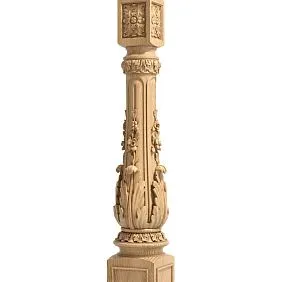
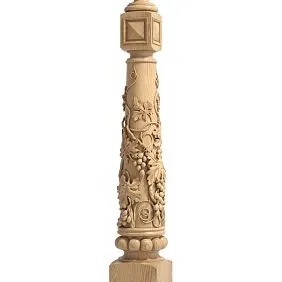

Functional role of posts
Staircase posts are the main load-bearing elements of the railing, determining the overall stability of the structure. They distribute the weight of the staircase and ensure secure attachment of other elements, such asbalusters for staircases, stair railings and decorative caps. Properly installed posts allow the staircase to withstand significant loads and prevent possible deformation of the railing during long-term use.
Get Consultation
Aesthetic role of posts
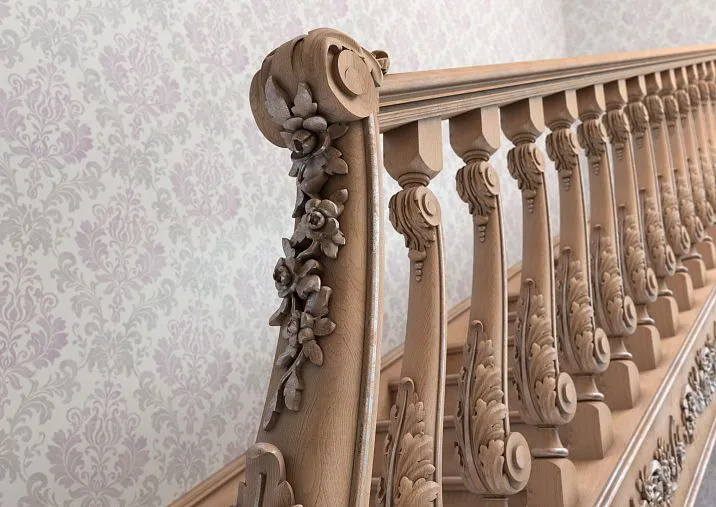
In addition to their technical function, staircase posts are an important decorative element that determines the overall appearance of the staircase. Posts can be made in classic or modern styles, have various shapes and finishes, allowing them to harmoniously fit into the overall interior design. For example, classic wooden posts, often used in traditional interiors, give the staircase warmth and elegance, while metal posts with minimalist design are ideal for modern spaces.
Materials and production technologies for posts
Natural wood
Natural wood is one of the most popular materials for manufacturing staircase posts. Its advantages:
● Aesthetics and warmth. Natural wood gives the interior a special charm, creating a cozy atmosphere.
● Strength and durability. Properly treated posts made from such species as oak, beech, or larch will last for decades.
● Possibility of decorative finishing. Wood is easily carved, inlaid, and subjected to other artistic treatments, allowing for unique creations.
However, natural wood products require regular maintenance, such as varnishing or impregnation, to protect against moisture and mechanical damage.
Metal
Staircase posts made of metal are characterized by high strength and a modern appearance. They are widely used in interiors where strict minimalism and industrial style are valued. Advantages of metal posts:
● High strength and resistance to wear.
● Modern design. Metal is easily processed, allowing for the creation of items with precise geometric shapes.
● Durability. Metal structures have a long service life and require less intensive maintenance than wood.
On the other hand, metal processing requires the use of complex technologies such as laser cutting and welding, which may increase the cost.
Composite materials
Composite materials represent a modern solution that allows combining the advantages of natural wood and metal. They have high resistance to moisture, temperature fluctuations, and mechanical loads. Composite posts often mimic the appearance of wood while remaining more stable and durable.
Such material may be an optimal choice for those seeking the best price-quality ratio, as composites are often cheaper than natural wood while maintaining aesthetic characteristics.
Standards and regulations for posts
Normative documents
Design and installation of stair railings are regulated by strict standards and norms that establish minimum requirements for post dimensions and proportions. In Russia, GOSTs and construction norms and rules (SNiP) play a key role. These normative documents define:
● Minimum and optimal post sizes. For example, the standard size of 100x100 cm is one of the most common, as it provides sufficient strength and stability for the structure.
● Strength characteristics and testing methods. The items must withstand specified loads and pass certification.
● Installation and mounting conditions. This ensures the structure will be safe and long-lasting.
Standard sizes: 100x100 and other options
One of the most popular post sizes for staircases is 100x100 cm. This size is optimal in terms of strength, aesthetics, and ease of installation. However, other options are available on the market:
● 80x80 cm. Used for less heavily loaded structures or in interiors where space-saving is important.
● 120x120 cm and larger. Used for heavy-duty staircases in commercial and luxury buildings, where maximum strength and aesthetic appeal are important.
The choice of size depends on the overall staircase structure, expected load, and interior design. Proper proportioning of post dimensions with other railing elements, such asbalusters for staircases , stair railings and handrail, allows creating a harmonious ensemble that meets all safety and aesthetic requirements.
Technical aspects of calculation and installation
Load and strength calculation
When selecting and installing posts for staircases, it is necessary to consider load distribution across the entire structure. The balance between material strength and item dimensions plays a key role:
● The standard size 100x100 cm is often chosen because it provides sufficient strength and stability even under heavy loads.
● If a heavy load is expected or a lighter material is used, it may be necessary to increase the post dimensions.
● Precise calculations allow determining the required spacing between posts for even load distribution, ensuring the staircase’s safe operation.
Methods of post installation
Quality installation of posts is the key to the long-term durability of the staircase railing. Modern installation technologies include:
● Use of anchors and fastening elements. Secure attachment of posts to the base ensures structural stability.
● Use of adhesive compounds. Additional use of glue increases the strength of connections.
● Control of vertical and horizontal alignment. A construction level and laser distance meter help accurately install posts according to the drawings, which is especially important when installing elements of 100x100 cm and other sizes.
Quality control and compliance with regulations
After installing the posts, a check is performed to ensure compliance with technical and regulatory requirements:
● Check that all fastening elements are properly and securely installed.
● Measure the actual post dimensions and ensure they match the design drawings.
● Conduct strength and stability tests of the structure to guarantee its safety.
Practical recommendations for selecting posts
1. Defining purpose and operating conditions
First of all, it is necessary to clearly define where the staircase will be used and what loads it will experience:
● In residential buildings, standard post sizes (e.g., 100x100 cm) can be selected, which will ensure an optimal balance of strength and aesthetics.
● In commercial or public buildings, where strength requirements are higher, posts of larger size or made from stronger materials, such as metal or composites, may be required.
2. Material Selection
As already mentioned, the material used plays a decisive role:
● Natural wood gives the staircase warmth and coziness, but requires regular maintenance and treatment.
● Metal provides a modern look and high strength, but may be more expensive and require special anti-corrosion treatments.
● Composite materials can be a compromise option, allowing cost reduction without sacrificing strength or aesthetics.
3. Analysis of price offers
Study market offers, compare prices and purchase conditions:
● Visit online stores such asPosts for staircase, where a wide range of products is available.
● Pay attention to discounts, promotions, and special offers, which can significantly reduce the final cost.
● Compare offers from different suppliers, taking into account not only price, but also delivery conditions, warranty service, and customer reviews.
4. Assessment of compliance with regulations
Check that the selected items comply with current regulations:
● Study the requirements of GOST and SNiP for stair railings.
● Ensure that the post dimensions, their strength characteristics, and installation methods comply with safety standards.
● Pay attention to quality certificates from the manufacturer.
5. Consultation with professionals
If you have questions or doubts, do not hesitate to consult specialists:
● Designers and architects will help select the optimal solution, taking into account the specifics of your interior.
● Builders and engineers will provide recommendations for installation and operation, ensuring the longevity of the structure.
● Professional consultations will help avoid mistakes and save time and money.
Examples of calculations and cases
Case 1: Standard posts for a residential staircase
Suppose you are designing a staircase for a private home. A standard post size of 100x100 cm is optimal for ensuring strength and aesthetics. When selecting posts made of natural wood (e.g., oak), consider not only their cost but also the expenses for treatment (varnish, antiseptic). Suppose the price of one post is 8,000–10,000 rubles. Ordering 8 posts for the staircase railing, the total cost may vary from 64,000 to 80,000 rubles. In this case, quality treatment extends the product's service life, making the purchase cost-effective in the long term.
Case 2: Balance of strength and aesthetics
To create a harmonious ensemble of the staircase railing, it is important to properly combine posts with other elements, such asbalusters for staircases andstair railings. If posts are selected in size 100x100 cm, the optimal distance between them is determined based on the total length of the railing and the number of elements. Using the calculation formula, you can ensure even load distribution and aesthetic harmony. For example, if the total railing length is 300 cm and 10 posts are used, the calculated distance between them will be approximately 27.8 cm. Such a calculation not only ensures safety but also creates a visually appealing railing.
Case 3: Impact of Material on Cost
Compare the cost of posts made from different materials:
● Wooden posts made from natural wood, such as oak, may cost from 8000 to 10000 rubles per unit.
● Metal posts, due to the use of advanced processing methods, may cost from 9000 to 12000 rubles, but they offer increased strength and durability.
● Composite posts, which mimic the appearance of natural wood, often cost less, approximately from 6000 to 8000 rubles, while still offering high resistance to external influences.
Such a comparative analysis will help you determine which material meets your price-to-quality requirements.
Market in Saint Petersburg: Where to Buy Posts for Stairs
Online stores and online platforms
Saint Petersburg is one of the largest markets for stair components. Online stores provide convenient access to a wide range of products, allowing you to quickly compare prices and delivery terms. On such platforms, likePosts for staircase, you can find many options: from standard models to custom-made exclusive items.
Advantages of Buying Online:
● Ability to compare prices and terms from different suppliers.
● Access to detailed product information: technical specifications, photos, customer reviews.
● Convenient ordering system with delivery within the city and region.
● Regular promotions and discounts are often available, allowing you to save significantly.
Specialized Stores and Showrooms
In Saint Petersburg, there are numerous specialized stores and showrooms where you can personally evaluate the quality of stair posts. Visiting such places allows you to:
● Visually assess the design, finish, and manufacturing quality of the products.
● Receive professional consultations from specialists who will help you choose the optimal solution based on all your requirements.
● Sign a supply contract and obtain additional guarantees, which is especially important when purchasing for large-scale projects.
Wholesale Suppliers
For those involved in construction or renovation of multiple projects, it is advantageous to work with wholesale suppliers. Wholesale purchases allow you to:
● Obtain significant discounts when ordering large quantities.
● Enter long-term contracts, ensuring consistent product quality and favorable cooperation terms.
● Arrange delivery at competitive rates and in accordance with all safety requirements.
Recommendations for Choosing a Store
When choosing a store or supplier, pay attention to the following aspects:
● Company reputation. Review customer feedback, ratings, and the store’s operational history.
● Product range. An optimal supplier should offer a wide selection of products, including not only posts but also other components, such asbalusters for staircases stair railings and handrails.
● Payment and delivery terms. Favorable payment conditions, the possibility of installment payments, and free delivery upon reaching a certain order amount—all of these play an important role in selecting a supplier.
● Warranties and after-sales service. Reliable stores provide warranties on their products and offer customer support in case of any issues.
Practical tips for budget optimization
1. Compare offers
Carefully compare prices and terms from several suppliers. Use online resources to analyze price categories, and review other customers' feedback. This will help you identify which offers provide the optimal price-to-quality ratio.
2. Bulk purchases
If you have a large-scale project or renovation of multiple properties planned, order components in bulk. Bulk purchases allow you to reduce the price per unit through discounts and special offers from suppliers.
3. Watch for promotions
Many stores hold seasonal sales and promotions. Subscribe to newsletters, monitor news on their websites, and take advantage of discounts. This will significantly reduce expenses when purchasing quality stair balusters.
4. Negotiations with suppliers
Do not be afraid to negotiate with sellers, especially for large orders or custom orders. Often, you can agree on additional discounts, favorable payment terms, or free delivery. Direct communication with the supplier helps achieve the best cooperation terms.
5. Choose standard models
If your project does not require custom design, choose standard models of products. They are mass-produced, which allows their cost to be reduced. Standard items typically meet all safety and aesthetic requirements, making them the optimal choice for most projects.
Cost calculation examples and cases
Case 1: Standard balusters for a private home
Assume you are ordering standard stair balusters for a private home, where the price per baluster is 8000 rubles. When ordering 10 balusters with a wholesale discount of 10%, the total cost will be:
● Initial price: 10 × 8000 = 80,000 rubles.
● With discount: 80,000 – (80,000 × 0.10) = 72,000 rubles. Additionally, free delivery for orders over 30,000 rubles will significantly reduce costs.
Case 2: Custom order for a luxury project
For luxury interiors, handcrafted balusters and posts with custom design, made using exclusive materials, are selected. If the average price per set of custom items is 12,000–15,000 rubles, ordering 8 sets with a 15% discount may result in a total cost of approximately 85,000 rubles. Such an order justifies its cost due to the uniqueness and high aesthetic value of the items.
Case 3: Comparison of natural wood and composites
Let’s compare two manufacturing options for balusters:
● Natural wood. The price per set may vary from 7,000 to 9,000 rubles depending on the wood species and level of processing.
● Composite. Products made from composite materials are usually cheaper — from 4,000 to 6,000 rubles per set, while retaining the aesthetic qualities of natural wood and offering high resistance to moisture and temperature fluctuations.
Choosing balusters for staircases based on price-to-quality ratio is a complex, multi-factor process requiring attention to materials, manufacturing technologies, design, and delivery conditions. In Saint Petersburg, a wide range of products is available, from standard models to custom-made exclusive items. The optimal ratio is achieved through careful analysis of technical specifications, comparison of offers, use of bulk purchases, and negotiations with suppliers.
Conclusion
Choosing balusters for staircases based on the price-quality ratio is a complex, multi-factor process requiring attention to materials, manufacturing technologies, design, and delivery conditions. In Saint Petersburg, a wide range of products is available, from standard models to exclusive custom-made items. The optimal ratio is achieved through careful analysis of technical specifications, comparison of offers, use of bulk purchases, and negotiations with suppliers.
Key factors affecting cost include:
● Materials used. Natural wood, metal, or composites — the choice depends on your preferences and usage conditions.
● Manufacturing technologies. Handmade, automated, or hybrid technologies affect the quality and price of the product.
● Design and individual features. Unique decorative solutions may increase cost but also give the item exclusivity and a distinctive style.
● Order volume and delivery conditions. Bulk purchases and favorable delivery terms can significantly reduce the price per unit.
If you want to buy balusters for staircases in Saint Petersburg, carefully study the market, compare offers from different suppliers, and pay attention to payment and delivery terms. Reliable suppliers, such as those presented on the websitebalusters for staircases, guarantee high product quality, compliance with standards, and professional service.
When choosing balusters, remember that this is an investment in the safety and aesthetics of your interior. A thoughtful choice, optimal price-to-quality ratio, and attention to detail will allow you to create a staircase railing that will please the eye, ensure reliability, and serve for many years.
Thus, if you aim to obtain quality balusters at a favorable price, rely on proven suppliers, compare technical specifications and purchase conditions, and do not forget about the possibility of bulk purchases and custom orders. Only a comprehensive approach will allow you to achieve the optimal result and create an interior reflecting your refined taste and pursuit of perfection.