Article Contents:
- Philosophy of Naturalness: Why Unfinished Furniture Captivates Hearts
- Wood Species Palette: From Classic to Exotic
- Technological Mastery: From Log to Masterpiece
- Design Concepts: Unfinished Furniture in Modern Interior
- Functional Solutions: From Dining Area to Home Office
- Protection and Care Techniques: Preserving Natural Beauty
- Ecological Philosophy: Responsibility Toward Future Generations
- Investment Appeal: Furniture as Capital Investment
- CNC Machines: Precision Serving Beauty
- Psychology of Perception: Emotional Impact of Natural Materials
- Cultural Traditions and Modern Interpretations
- Craftsmanship and Technology: Alliance of Tradition and Innovation
- Conclusion: Legacy for Future Generations
Imagine furniture that breathes the history of millennia, storing in its fibers the warmth of sunbeams and the memory of rain. Unfinished Wood Table It is not just an interior item, but a philosophy of life, where every wood grain tells its unique story. In an era of synthetic materials and mass production, such furniture becomes an island of authenticity, a place where the soul finds peace amid the endless hustle of the modern world.
Unfinished wood possesses a special magnetic attraction. It seems to invite touch, to feel the silkiness of polished surfaces, to inhale the subtle aroma of natural material. This is furniture for those who value authenticity above external shine, who understand that true beauty lies not in bright colors, but in the perfection of natural forms and textures.


Philosophy of Naturalness: Why Unfinished Furniture Captivates Hearts
The modern world is saturated with artificial materials, synthetic coatings, and chemical compounds. Against this backdrop, tables made of unfinished wood are perceived as a breath of fresh air, a return to the roots of human civilization. Our ancestors created furniture exactly like this — honest, open, without attempts to hide the natural beauty of the material under layers of varnish and paint.
Psychologists assert that contact with natural materials positively affects a person's emotional state. Unfinished wood creates a unique atmosphere of coziness and tranquility, which cannot be replicated by artificial means. Every touch of such a surface reminds one of a connection with nature, of cycles of growth and renewal, of eternal laws of harmony.
The ecological component also plays a significant role in the popularity of unfinished furniture. The absence of chemical coatings means minimal impact on the environment both during production and in use. Such furniture does not emit harmful substances, does not contain formaldehyde or other toxic compounds, which is especially important for people with heightened sensitivity to chemicals.
The uniqueness of each item is another strong argument in favor of choosing unfinished furniture. Nature does not create two identical trees, and accordingly, each table has an incomparable pattern of wood grain, individual color tone, unique character. This turns the process of choosing furniture into an engaging journey, where each item tells its own story.




Wood Species Palette: From Classic to Exotic
Choosing a wood species for making an unfinished table is an art requiring deep understanding of the properties of different types of wood. Each species has unique characteristics that determine not only the appearance of the finished product, but also its functional qualities.
Oak is traditionally considered the king among furniture woods. Its dense structure ensures exceptional strength and durability, while its distinctive ring pattern creates a noble surface texture. An unfinished oak table acquires a noble patina over time, becoming even more beautiful and valuable. Natural tannins contained in the wood possess antiseptic properties, further protecting the furniture from pests and fungal damage.
Ash is valued for its high elasticity and impact resistance, making it an ideal material for furniture subjected to heavy loads. The light color of ash wood with characteristic dark streaks creates a striking contrast, especially effective in modern minimalist interiors. An unfinished ash table becomes a central element of composition, drawing attention with its natural beauty.
Beech is prized for its uniform structure and pleasant pinkish hue. This species is easy to work with, allowing the creation of items with a flawless surface. Beech wood has high density, ensuring resistance to mechanical damage and a long service life for furniture.
Walnut embodies elegance and luxury in the world of unfinished furniture. Its dark wood with expressive grain creates an atmosphere of respectability and sophistication. Walnut tables often become family heirlooms, passed down from generation to generation due to their exceptional beauty and durability.
Exotic species such as teak, mahogany, or wenge offer a completely different aesthetic experience. Their unusual color tones and unique surface patterns allow creating furniture that becomes true works of art. However, working with exotic species requires special skill and deep understanding of their specific properties.
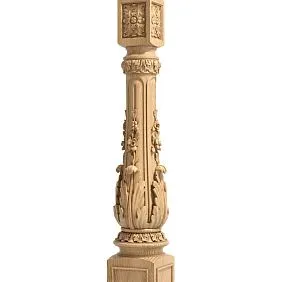
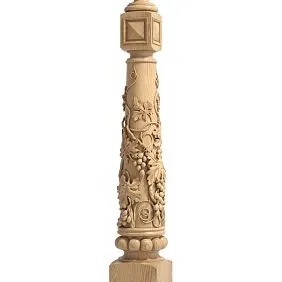
Our factory also produces:



Technological Mastery: From Log to Masterpiece
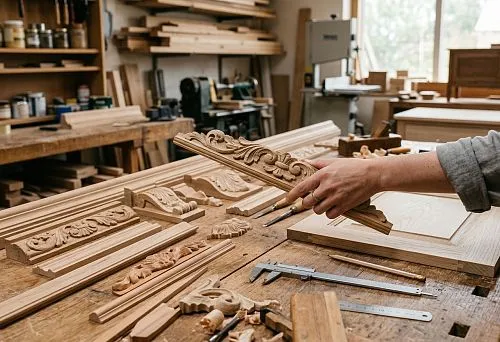
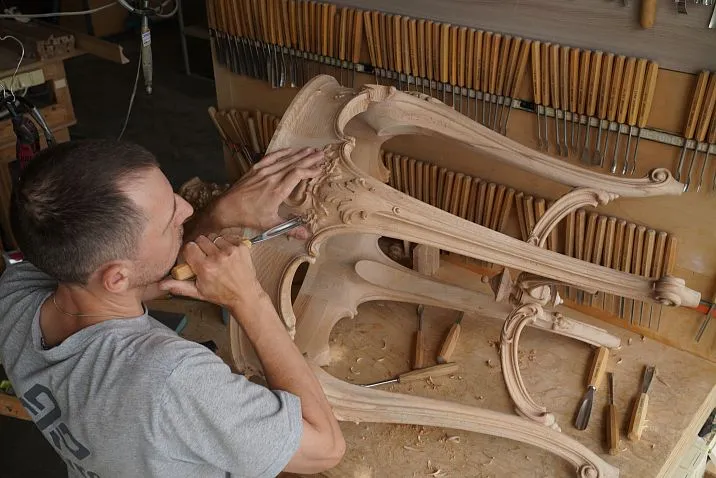
Creating Quality Unfinished Table Creating an unfinished table is a complex technological process, each stage of which requires professional craftsmanship and meticulous attention to detail. Modern furniture production combines centuries-old woodworking traditions with innovative technologies, enabling the creation of exceptional quality items.
The drying process may take from several weeks to several months depending on the type of wood, thickness of blanks, and required moisture level. For furniture production, the optimal moisture content of wood is 8-12%, ensuring dimensional stability of the finished product under operating conditions.
The drying process may take from several weeks to several months depending on the type of wood, thickness of blanks, and required moisture level. For furniture production, the optimal moisture content of wood is 8-12%, ensuring dimensional stability of the finished product under operating conditions.
The next stage is selecting and sorting wood based on quality characteristics. Experienced craftsmen evaluate each board, considering grain direction, presence of knots, color features, and other factors affecting the appearance and performance of the future product. For making tabletops, only the best boards with beautiful patterns and minimal defects are selected.
Modern cutting technologies allow for the most efficient use of valuable wood, minimizing waste and ensuring optimal placement of elements relative to the grain direction. Computer-controlled machinery guarantees the highest precision of dimensions and perfect surface quality.
Special attention is given to joining structural elements. Traditional joinery — mortise and tenon, dovetail — not only ensures structural strength but also highlights the craftsman's skill. Modern polyurethane or PVA-based adhesive compositions create joints that surpass the strength of the wood itself.
Finishing uncoated tables requires special craftsmanship. Multi-stage sanding using abrasives of different grits allows achieving an ideal surface smoothness while preserving the natural wood texture. Each sanding stage removes traces of the previous one, gradually bringing the surface closer to perfection.
Get Consultation
Design Concepts: Unfinished Furniture in Modern Interiors
Integrating unfinished furniture into a modern interior opens up limitless opportunities for creative self-expression. Tables made of natural wood without coating can become either a central compositional element or a harmonious addition to existing design, depending on the chosen concept and stylistic direction.
In Scandinavian style, light-colored wood — birch, pine, spruce — creates an atmosphere of northern nature, calmness, and functionality. Simple geometric shapes of tables emphasize the philosophy of minimalism, where each element has practical value. Combining light wood with white and gray interior tones creates a sense of spaciousness and airiness even in small rooms.
Industrial style offers a completely different approach to using unfinished wood. Here, tables made of thick boards with deliberately rough finishes combine with metal elements — legs made of blackened steel, forged details, industrial hardware. This combination creates a striking contrast between the warmth of natural wood and the coldness of metal, emphasizing the urban character of the space.
Eco-style fully reveals the potential of unfinished furniture. Here, every irregularity, every knot, every feature of the wood texture becomes a virtue, highlighting the connection with nature. Tables made from slabs — whole cross-sections of tree trunks — retain the natural edge shape, creating unique, one-of-a-kind pieces of furniture art.
Modern classic style uses unfinished wood of noble species to create an elegant and respectable atmosphere. Tables with elegant carved legs, made from the same material as the tabletop, demonstrate the highest level of craftsmanship and understanding of furniture art traditions. Wooden legs become true works of art, demonstrating the virtuosity of woodcarvers.
Color solutions for interiors with unfinished furniture require special attention to balance and harmony. Natural wood tones beautifully complement earthy tones — ochre, terracotta, umber — creating a warm and cozy atmosphere. Contrasting combinations with bright accent colors allow creating dynamic and energetic interiors, where the unfinished table acts as a stabilizing element in the composition.
Functional Solutions: From Dining Area to Home Office
The versatility of unfinished furniture is evident in its ability to adapt to various functional needs. An unfinished table can serve as a dining table in the kitchen or dining room, a work desk in an office, a coffee table in the living room, or even a creative workshop for an artist or craftsman.
In the dining area, such tables create a special atmosphere of family warmth and tradition. The natural wood surface is pleasant to the touch, making meals more comfortable and conducive to long family conversations. The absence of chemical coatings guarantees safe contact with food, which is especially important for families with young children.
Work tables made of unfinished wood create a favorable environment for intellectual activities. Natural materials help focus attention and reduce stress levels, as confirmed by numerous psychological studies. Such tables often become favorite workspaces for writers, artists, designers, and other representatives of creative professions.
Conference tables made of solid unfinished wood emphasize the solidity and reliability of a company. They create an atmosphere of trust and stability, which is especially important during business negotiations. Natural materials are associated with ecological responsibility and sustainable development, aligning with modern corporate values.
The mobility of modern life requires furniture to adapt to changing needs. Unfinished transformable tables with folding mechanisms allow optimal space usage, converting a compact coffee table into a full-sized dining table for a large group.
Techniques for Protection and Care: Preserving Natural Beauty
Care for unfinished furniture requires a special approach and understanding of the specific characteristics of natural material. The absence of protective coatings makes wood more susceptible to external influences, but with proper care, such furniture can last for decades, becoming even more beautiful with age.
Daily care involves removing dust with a soft dry cloth or a special microfiber cloth. Movements should follow the direction of the wood grain, preventing micro-scratches on the surface. Wet cleaning is permissible only in cases of heavy soiling, and the surface should be immediately dried with a clean cloth.
Protection from moisture is one of the most important aspects of caring for unfinished wood. Using coasters under hot items, moisture-resistant mats, and promptly removing spilled liquids all help prevent stains and material deformation. Special care should be taken with alcoholic beverages, which may cause discoloration of certain wood species.
Periodic application of special wood protection compositions helps preserve the natural beauty of the material and extend the service life of the furniture. Oils and waxes penetrate deeply into the wood structure, enhancing its texture and creating a protective barrier against moisture and contaminants. Such treatment does not hide the natural beauty of the material, but rather enhances it.
The choice of protective compositions depends on the type of wood and operating conditions. Tung oil provides deep penetration and long-lasting protection, especially effective for dense wood species. Linseed oil creates a thinner coating, suitable for furniture not subjected to heavy loads. Beeswax imparts a silky sheen and pleasant aroma to the surface, creating an additional protective layer.
Restoring unfinished furniture upon damage is an art requiring professional skills. Minor scratches can be removed using fine-grit sanding followed by protective treatments. More serious damage requires specialist intervention, which can restore the original appearance of the item while preserving its authenticity.
Ecological philosophy: responsibility toward future generations
In the era of global ecological challenges, choosing unfinished furniture becomes an act of conscious consumption and care for the environment. Avoiding chemical coatings not only reduces environmental impact during production but also guarantees safety in living spaces for all family members.
The lifecycle of unfinished furniture significantly exceeds that of items with artificial coatings. Natural wood does not lose its aesthetic qualities over time but instead develops a noble patina of age. Such furniture does not require replacement due to coating wear, substantially reducing overall environmental impact.
The possibility of recycling and reuse is another important advantage of unfinished furniture. Unlike items with chemical coatings, such wood can be fully recycled or repurposed into new furniture. This aligns with circular economy principles, where waste from one production cycle becomes raw material for another.
The carbon footprint of producing unfinished furniture is significantly lower compared to items requiring varnishes, paints, and other chemical compounds. The absence of complex surface treatment processes reduces energy consumption and greenhouse gas emissions into the atmosphere.
Supporting sustainable forestry through choosing certified wood is each consumer’s contribution to preserving forest ecosystems. FSC and PEFC certifications guarantee that the wood comes from forests managed according to sustainable development principles, where tree harvesting is offset by replanting new trees.
The biodegradability of natural wood ensures complete safety in disposing of furniture at the end of its service life. Unlike synthetic materials that may pollute the environment for centuries, unfinished wood naturally decomposes, returning nutrients to the soil.
Investment attractiveness: furniture as capital investment
When considering the purchase of quality unfinished furniture, it is important to understand that this is not merely acquiring an interior item, but a long-term investment in quality of life and family well-being. Antique furniture made of natural wood not only retains its value but often significantly increases in price over time.
The emotional value of such furniture cannot be measured in monetary terms. Unfinished tables become witnesses to important family events — festive dinners, children’s birthdays, business meetings, creative evenings. They accumulate family history, becoming a link between generations.
The uniqueness of each item made of natural wood ensures its collectible value. In a world of mass production, handcrafted items by master craftsmen become especially sought after by connoisseurs of quality and individuality.
Repairability of unfinished furniture is an important factor in its long-term value. Unlike items with complex coatings that are difficult to restore upon damage, natural wood can be restored almost to its original condition. This makes such furniture practically eternal with proper care.
The status of unfinished furniture made from premium wood highlights the owner’s good taste and understanding of true values. In a business setting, such furniture creates an atmosphere of reliability and stability, which can positively influence business relationships and company reputation.
Technological innovations in traditional craftsmanship
Modern technologies open new opportunities for improving traditional methods of making unfinished furniture. Computer modeling allows precise calculation of stresses in the structure, optimization of material usage, and prediction of the item’s behavior under various operating conditions.
Laser wood processing technologies provide incredible precision in dimensions and enable creation of complex decorative elements without damaging the material’s structure. Laser engraving allows applying delicate patterns and personalized elements, making each item unique.
Ultrasonic defectoscopy helps identify hidden wood defects during material selection, guaranteeing the highest quality of finished products. Infrared drying ensures even moisture removal from the material’s thickness, preventing cracking and deformation.
Nanotechnologies in wood protective coatings allow creating coatings that penetrate deeply into the material’s structure, providing long-term protection without altering the external appearance. Such coatings may possess antibacterial properties, which is especially important for furniture in contact with food products.
Artificial intelligence is used to optimize wood cutting processes, enabling maximum efficiency in utilizing every cubic meter of valuable material. Machine learning helps predict the behavior of different wood species during processing, reducing scrap and improving product quality.
Additive technologies allow creating complex wooden structures by layering specially prepared wood composites. This opens opportunities for creating forms unattainable through traditional processing methods, while preserving all advantages of natural material.
Psychology of perception: emotional impact of natural materials
Scientific research confirms the beneficial effect of natural materials on human mental state. Contact with unfinished wood activates the parasympathetic nervous system, responsible for relaxation and bodily recovery. This explains why being surrounded by wooden furniture creates a sense of calm and comfort.
Tactile sensations from touching a smooth surface of well-processed wood stimulate the production of endorphins — hormones of joy and pleasure. This makes unfinished furniture not only beautiful but also therapeutically beneficial for emotional well-being.
The aromatherapeutic effect of natural wood is created by the release of essential oils contained in the wood’s structure. Coniferous species possess antiseptic properties and help purify air in rooms, while deciduous species create an atmosphere of coziness and warmth.
Visual perception of wood texture activates brain regions responsible for aesthetic pleasure. Natural wood fiber patterns are perceived by the human mind as harmonious and calming, unlike artificial geometric patterns that may cause tension.
The philosophical aspect of choosing unfinished furniture is linked to returning to roots, seeking authenticity in a world of mass production. Such furniture becomes a symbol of conscious consumption and responsible attitude toward the environment.
Cultural traditions and modern interpretations
The art of making furniture from unfinished wood has deep historical roots in various cultures around the world. Japanese philosophy of wabi-sabi finds expression in the simplicity and naturalness of unfinished wooden surfaces, where every crack and imperfection is considered a manifestation of the beauty of imperfection.
Scandinavian woodworking traditions have gifted the world the concept of hygge — a cozy and comfortable lifestyle, where unfinished furniture creates an atmosphere of home warmth and closeness to nature. Light-colored woods reflect the philosophy of northern peoples regarding harmony with harsh yet beautiful nature.
Russian masters have long been renowned for their skill in working with unfinished wood, creating furniture that served for generations. Traditions of wood carving, carpentry, and artistic wood processing were passed down from father to son, forming a unique school of furniture art.
Modern designers reinterpret traditional approaches, creating unfinished furniture that combines age-old traditions with innovative solutions. Minimalist forms highlight the natural beauty of the material, while functionality meets the needs of contemporary lifestyles.
Globalization has led to mutual enrichment of various cultural traditions in furniture design. Eastern philosophy of harmony with nature combines with Western principles of functionality, creating unique synthetic styles where unfinished wood plays a central role.
Craftsmanship and Technology: The Union of Traditions and Innovations
Creating a quality table from unfinished wood requires not only modern technological equipment but also a deep understanding of the material's properties, which comes only with years of practice. Master craftsmen intuitively sense wood, understanding how it will behave during processing and how it will appear in the finished product.
Wood selection is an art, where each board is evaluated not only by formal quality criteria but also by aesthetic characteristics. An experienced craftsman sees a future table in a piece of wood, understanding how best to cut the material to fully reveal its natural beauty.
Understanding the anatomy of wood allows the craftsman to properly orient the grain, ensuring maximum structural strength and dimensional stability. Knowledge of seasonal wood changes helps predict the behavior of the finished product under various climatic conditions.
Traditional joinery techniques require the highest level of craftsmanship. Dovetail, tongue-and-groove, and wedge joints — each has its own characteristics and is applied depending on structural requirements and aesthetic preferences.
Modern adhesive technologies complement traditional joining methods, creating constructions of exceptional strength. Proper selection of adhesive, surface preparation, and adherence to bonding technology ensure the longevity of the product.
Finishing an unfinished surface requires special skill. Multi-stage sanding with gradually decreasing abrasive grit allows achieving ideal smoothness while preserving the tactile qualities of natural wood.
In modern furniture production, special importance is given to Wall-mounted wooden shelveswhich complement interior compositions and demonstrate the variety of possibilities in working with unfinished wood.
Conclusion: Heritage for Future Generations
Choosing an unfinished table is a choice in favor of authenticity, quality, and responsibility toward future generations. This is an investment not only in the beauty of one’s own home but also in preserving craftsmanship traditions, ecological safety, and the spiritual well-being of the family.
Each such table carries the story of the wood that grew for decades, absorbing sunlight and rain, enduring seasonal changes and natural cycles. This story continues in your home, where the table becomes a witness to new events, a keeper of family traditions, and a symbol of stability in a rapidly changing world.
The philosophy of unfinished furniture is the philosophy of honesty, where beauty is not hidden under layers of artificial coatings but openly demonstrates the perfection of natural forms. This is the choice of people who value authenticity above superficial shine, quality above quantity, and longevity above immediate gain.
In the era of ecological challenges, unfinished furniture becomes a manifestation of ecological awareness and responsible consumption. Choosing such furniture supports sustainable forestry, reduces the carbon footprint of production, and creates a healthy environment for your family’s life.
The craftsmanship of creating unfinished furniture unites age-old traditions with modern technologies, where each item becomes a unique work of art. This craft requires not only technical skills but also artistic vision, understanding of the material, and love for one’s work.
STAVROS embodies all the best traditions of furniture craftsmanship, creating items that serve not merely as interior elements but become part of family history. STAVROS is synonymous with quality, reliability, and careful regard for nature, where each item is created with an understanding of its exceptional value and responsibility toward future generations.