Article Contents:
- Introduction: The Art of Creating Interior Through Furniture
- The Importance of Style in Interior Design
- Classic style
- Characteristic Features of the Classical Style:
- Modern style
- Main Features of Modern Style:
- Minimalism
- Key Features of Minimalism:
- Eco-style
- Main Characteristics of Eco Style:
- Loft and Industrial Style
- Main Features of Loft and Industrial Styles:
- Retro and Vintage
- Main Characteristics of Retro and Vintage:
- Innovative Materials and Production Methods
- Space Analysis and Functional Requirements
- Coordination with Overall Interior
- Consultations with Professionals
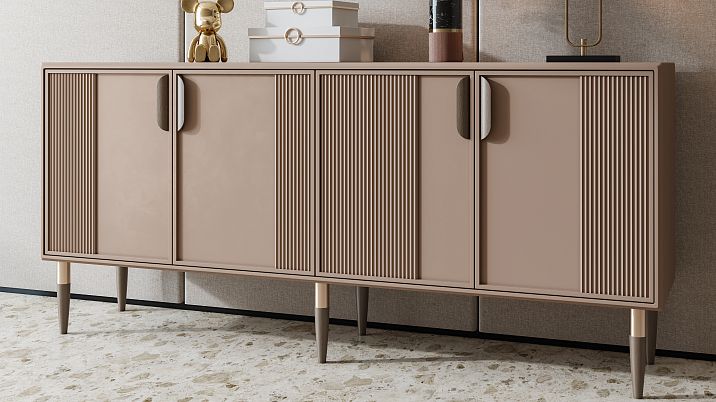
Modern interior is not just a set of household items, but a carefully thought-out concept in which every detail matters. One of the most important aspects of creating a harmonious space is choosing the right interior furniture design style. These styles not only reflect the aesthetic preferences of the owners, but also influence the functionality, atmosphere, and overall energy of the room. If you want to immerse yourself in the world of modern trends and learn more about which directions in furniture design are currently relevant, we recommend familiarizing yourself with materials on %sinterior furniture design styles.


Introduction: The Art of Creating Interior Through Furniture
In the world of interior furniture design, the interior is a canvas on which ideas, dreams, and personal style are realized. Choosing the right furniture style not only highlights the uniqueness of the space but also makes it functional, comfortable, and inspiring. Today, we will examine the main styles, their key features, and how they can be used to create a unique interior.




The Importance of Style in Interior Design
Interior furniture design style determines not only the appearance of items but also their functionality, ergonomics, and the atmosphere they create. Each chosen style reflects cultural traditions, technological achievements, and the personal preferences of the owner. The proper combination of furniture, lighting, textiles, and accessories allows creating a space that not only pleases the eye but also inspires new achievements.
Our factory also produces:


Main Styles of Interior Furniture Design
In the modern world, there are numerous directions, each with its own unique features. Let's examine in detail the main styles that are currently popular in interior design.
Get Consultation
Classic style
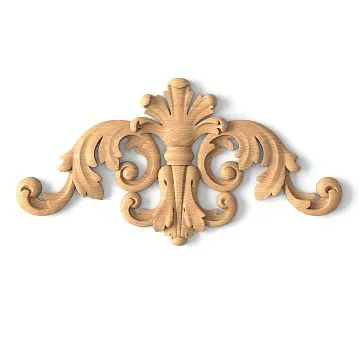
Classic style in interior furniture is eternal classicism that never loses its relevance. It embodies traditional values, elegance, and sophistication. Furniture in the classical style is characterized by complex decorative elements, carvings, ornaments, and noble materials.
Characteristic Features of the Classical Style:
● Elegance and sophistication: Furniture has refined shapes, often with carved elements and decorative inserts.
● Use of natural materials: Wood, natural leather, expensive fabrics, and stones prevail.
● Rich color palette: Deep, saturated tones are often used — burgundy, dark green, brown, gold.
Symmetry and harmony: The classic style strives for ideal balance and proportions, creating an atmosphere of stability and tradition.
The classic style is perfectly suited for creating luxurious interiors, where every detail speaks of the owner's high status and impeccable taste.
Modern Style
Modern style in interior furniture design is characterized by simplicity, functionality, and minimalism. Unlike classic style, here minimalism prevails over ornamentation, and clean lines and simple shapes become the main compositional elements.
Main features of modern style:
● Minimalism: Minimal decorative elements, clean and straight lines.
● Neutral color palette: Predominance of white, gray, black, and pastel shades, often with bright accents.
● Functionality: Each detail has a strictly defined function, making the furniture practical and comfortable.
● Modern materials: Composites, glass, metal, and artificial materials are used, allowing for an effect of innovation.
Modern style is ideal for city apartments and offices, where clean lines, simple forms, and maximum functionality are valued.
Minimalism
Minimalism is a direction that emphasizes what is truly important. It implies the rejection of excessive ornamentation and a focus on functionality and purity of form.
Key features of minimalism:
● Simplicity and minimalism: Absence of unnecessary details, clean lines, simple geometric shapes.
● Functionality: Each piece of furniture performs a specific function, allowing maximum use of space.
● Monochromatic palette: Predominance of neutral colors such as white, gray, black.
● Sense of space: Minimalism visually expands the room, making it bright and airy.
Minimalism is ideal for modern interiors, where space optimization and emphasis on practicality and ergonomics are important.
Eco-style
Eco-style in interior furniture design aims to create a space that harmonizes with nature. It emphasizes the use of natural, eco-friendly materials and strives to create a warm, cozy atmosphere.
Main characteristics of eco-style:
● Natural materials: Predominance of wood, rattan, linen, natural stone, and other natural materials.
● Earthy palette: Warm, natural tones such as green, brown, beige.
● Simplicity and naturalness: Minimal use of artificial elements, emphasis on the natural beauty of materials.
● Ecological responsibility: Selection of materials obtained with minimal impact on the environment.
Eco-style creates an atmosphere of coziness and tranquility, making the interior not only beautiful but also healthy for living.
Loft and industrial style
Loft and industrial styles originated in industrial spaces and are now among the most popular directions in modern design. These styles are characterized by open space, unfinished surfaces, and the use of industrial production elements.
Main features of loft and industrial styles:
● Unfinished materials: Brick walls, concrete, metal with visible weld seams.
● Rough textures: Use of elements with exposed textures, such as raw metal and wood.
● Space and light: High ceilings, large windows, and minimal decorative elements.
● Functionality: Practical and multifunctional solutions that allow efficient use of space.
Loft and industrial styles give interiors a distinctive urban look, creating an atmosphere of creativity and dynamism.
Retro and vintage are styles that take us back to the past, allowing us to immerse ourselves in the atmosphere of bygone eras. Furniture in this direction reproduces the images of the 1950s, 1960s, or 1970s, but adapted to modern comfort requirements.
Main characteristics of retro and vintage:
Main characteristics of retro and vintage:
● Classic forms: Elegant lines, rounded corners, decorative elements characteristic of certain decades.
● Color solutions: Pastel and bright accents reflecting the mood of a particular era.
● Use of vintage materials: Restored or stylized items that retain their historical charm.
● Nostalgic atmosphere: Creating a warm, cozy space filled with memories of the past.
Retro and vintage will be perfect for those who appreciate history and wish to add elements to the interior that speak of a rich cultural heritage.
Role of modern technologies in interior furniture design
Modern technologies have radically changed the process of furniture creation. Today, designers actively use digital modeling, 3D printing, and laser cutting to create furniture that meets all modern requirements. This allows achieving high precision, optimizing construction, and experimenting with forms, making each item unique.
Innovative materials and production methods
● Composite materials: Allow creating lightweight yet strong structures that imitate natural textures.
● Laser cutting and 3D printing: Ensure high precision and enable realization of the most daring design solutions.
● Eco-friendly technologies: Production with minimal environmental impact has become a priority for modern manufacturers.
These technologies allow designers to bring to life the most daring ideas, creating furniture that combines functionality, aesthetics, and innovation.
How to choose interior furniture design style
Analysis of space and functional requirements
Before deciding on a style, it is important to assess all the features of the room:
● Area and layout: Small apartments require compact and functional solutions, while spacious interiors allow for more substantial and expressive elements.
● Purpose of the room: Functional zones (kitchen, living room, office) have specific requirements for furniture.
● Personal preferences: Your taste and lifestyle should be the main guide when choosing furniture design.
Coordination with overall interior
Furniture must harmonize with other interior elements: wall finishes, flooring, lighting, and accessories. Unity of style creates a cohesive concept that highlights the individuality of your space.
Consultation with professionals
If you are unsure about your choice or wish to implement a non-standard solution, consult with designers. Professionals will help select the optimal style, taking into account all your preferences and the technical capabilities of the space.
Modern styles as a reflection of individuality
Modern furniture design is not just a set of trendy fashions, but a means of self-expression. Each style allows you to create a space that reflects your individuality:
● Minimalism suits those who value order, functionality, and cleanliness.
● High-tech — for lovers of modern technologies and bold, innovative solutions.
● Eco-style embodies care for the environment and a desire for naturalness.
● Loft and industrial styles emphasize urban dynamism and creativity.
Retro and vintage bring a sense of nostalgia and return you to the atmosphere of past eras.
Your choice of interior furniture style reflects your values, outlook on life, and pursuit of comfort. It is precisely this choice that determines how your home, office, or commercial space will be.
Conclusion: Your style — your space
Modern furniture design styles represent a unique synthesis of ideas, technologies, and individuality. They allow you to create a space where every detail contributes to overall harmony, reflecting your character and pursuit of perfection.
Learn more aboutfurniture design stylesto get more ideas and inspiration for your project. Consult professionals, experiment with materials and forms, and let each chosen style become a reflection of your individuality and a source of joy for many years.
Remember: interior design is not just a place to live — it is a space that should inspire, provide comfort, and delight you every day. Choose your style thoughtfully, create unique compositions, and your home will become a place where technology, art, and tradition unite in a symphony of comfort and beauty.
Thus, modern furniture design styles are the key to creating a space that reflects your individuality, meets functional requirements, and inspires new achievements. Make thoughtful choices, study trends, and remember that true quality begins with details. Your home deserves to be unique, stylish, and harmonious!