Article Contents:
- Bouclé: French Heritage in Modern Interiors
- Anatomy of Wall Panels: Construction and Components
- Basic Framing
- Lath Panels
- Frames and Mouldings
- Skirting Board and Cornice
- Wooden Mouldings: Framing Transitions
- Moulding Profiles
- Structural Variants
- Coordination with Panels
- Materials: Choosing Wood Species
- Oak: Eternal Classic
- Ash: Contrasting Beauty
- Beech: Uniformity and Strength
- Spruce: Affordable Base
- Color Strategies: From Natural to Painted
- Natural Wood
- White Classic
- Pastel Tones
- Dark Noble Tones
- Proportions and scale: the mathematics of beauty
- Panel Height
- Lath Size
- Moulding Width
- Style Interpretations
- Classicism
- Baroque and Rococo
- Neoclassicism
- Provence
- Installation and mounting
- Wall Preparation
- Installing Lathing
- Installing Elements
- Installing Mouldings
- Finishing
- Functional Advantages
- Wall Protection
- Thermal and acoustic insulation
- Defect Concealment
- Durability
- Application in Different Rooms
- Living Room
- Office
- Bedroom
- Entry Hall
- Dining Room
- Create a Classic Interior with STAVROS

Classic interior is a dialogue between architectural elements, where each detail supports and complements the others, creating a harmonious whole.Wainscoting and MouldingsRepresent an ideal example of such interaction — wall panels form the main architectural composition of the room, while wooden mouldings complete it, framing door and window openings. When these elements are made from the same type of wood, with coordinated profiles and a unified finish, the interior achieves the completeness and nobility characteristic of true classicism.Wall PanelingTransforms flat surfaces into architectural objects with depth, rhythm, and character, while mouldings create refined frames that emphasize the importance of transitions between spaces.
Door and Window FramingWooden mouldings are not merely a technical necessity to conceal the junction between wall and opening, but an opportunity to create an architectural accent that unifies all elements of the room. A moulding that repeats the profiles of wall panel mouldings becomes part of a unified language of forms through which the interior speaks. This consistency of details — from large panels to door framing — creates a sense of thoughtfulness and professionalism that distinguishes true classicism from its superficial imitation.


Wainscoting: French Heritage in Modern Interior
The term 'wainscoting' comes from the French 'boiserie', meaning wooden cladding or panels. This decorative wall finishing technique reached its peak in French palaces of the 17th-18th centuries, where craftsmen created complex compositions from carved panels, gilded or painted in refined shades. Versailles, the Louvre, and Parisian aristocratic mansions demonstrated the highest mastery in woodworking — panels with dados, framed by carved mouldings, adorned with floral ornaments and heraldic symbols.
Classic WainscotingRepresents a system of vertical and horizontal division of the wall using wooden elements. Vertical posts (pilasters) divide the wall into sections. Horizontal rails create tiers — lower (plinth), middle (main field), and upper (frieze). Within the resulting rectangular frames are dados — flat or relief panels that may be smooth, carved, or upholstered.
Modern interpretation of wainscoting preserves the basic principles — division of the wall into geometrically correct sections, use of natural wood, attention to proportions and details. But simplifies execution, adapting it to modern manufacturing technologies and current aesthetics.Solid Wood Wall PanelsMay be less ornate than their historical prototypes, but they retain the key feature — the ability to transform a wall into an architectural object.




Anatomy of Wall Panels: Construction and Elements
Wall PanelingComposed of several layers and elements, each performing its own function.
Our factory also produces:


Base Framing
The foundation of the panel system — a wooden framing attached to the wall. This is a frame made of beams to which all decorative elements are attached. Framing levels out irregularities of the base wall, creates an air gap for ventilation, and provides a strong base for mounting. The framing beams are installed vertically with a 40-60 cm spacing, leveled to form a perfectly flat surface.
Get Consultation
Dado Panels
Dado panels are the central elements of each panel section. They may be solid wood boards, MDF veneered panels, or framed dado constructions. Smooth dado panels create a calm, restrained background. Relief dado panels — with a recess in the center or a protruding middle section — add volume and play of light. Carved dado panels with ornament transform the panel into a work of decorative art.
Frames and Mouldings
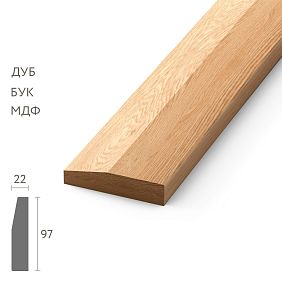
Dado panels are framed bywooden mouldingsormoldingThese elements create the graphic structure of the panel, defining the size and proportions of sections. The profile of frames may be simple — a flat plank with a slight bevel, or complex — with multiple levels, rounded edges, or curved elements. The richer the interior style, the more detailed the moulding profile may be.
Baseboard and crown molding
The lower boundary of the panel system is finished witha high baseboarda crown molding. Its height is usually 100-150 mm, the profile matches the profiles of the panel frames. The upper boundary may be marked by a horizontalcrown moldingor handrail, especially if the panels do not reach the ceiling.
Wooden casings: framing transitions
Wooden casing— is a decorative element framing a door or window opening. It performs several functions: conceals the junction between the wall and the door/window frame, protects this junction from damage, creates an architectural accent, and links the opening with the overall wall finish.
Casing Profiles
The casing profile — its cross-section — determines the visual mass and style of the element. A simple rectangular casing with a small bevel is suitable for minimalist interiors. A classic casing with a complex profile — with beads, coves, and rails — is for traditional styles. A carved ornamented casing is for luxurious Baroque or Rococo interiors.
The width of the casing is usually 60-100 mm. Narrow casings (60-70 mm) are suitable for small rooms and modern styles. Medium-width (80-90 mm) — universal. Wide (100 mm and above) — for spacious rooms with high ceilings and formal styles.
Construction Variants
A simple casing — four boards (two vertical, two horizontal), joined at the corners at 45 degrees. A casing with rosettes — in corner joints, instead of a beveled cut, decorativeOutletsrosettes, carved square elements. A portal casing — with a top horizontal board (pediment), which is wider and heavier than the sides, sometimes supported by capitals or consoles.
Coordination with Panels
When walls are finished withBoiseriecasing must be coordinated with them in material, profile, and color. Ideally, the casing profile should match or closely resemble the profile of the frames surrounding the panels. The casing width should correspond to the frame width — if the panel frames are 40 mm, casings can be 80-100 mm, i.e., 2-2.5 times wider. This creates a proportional relationship between the elements.
Materials: Choosing Wood Species
wooden wall panelsandCasingscan be made from different species, each with its own characteristics and price category.
Oak: Eternal Classic
Oak panels and casings — a choice for interiors where tradition and durability are valued. Oak is incredibly strong, has an expressive coarse-grained texture, and a rich range of tones from light honey to dark brown. Oakpanel finishlasts for centuries without losing its beauty. With oil, oak gains depth and elegance. Stained — provides any desired shade while preserving the texture. Weathered oak with its black-gray tones creates a dramatic effect.
Ash: Contrasting Beauty
Ash is similar in hardness to oak, but has a lighter natural color and contrasting texture. Ash’s annual rings are clearly visible, creating an active pattern. This is ideal for interiors where wood is the main decorative element.Ash casingsare especially effective in natural finish or light staining, emphasizing the texture.
Beech: Uniformity and Strength
Beech is a hard wood with a fine, uniform grain. Its natural color is pinkish-cream, neutral. Beech is ideal for painted panels and casings — its smooth surface provides an ideal base for paint. Beech elements are cheaper than oak for comparable strength, making beech the optimal cost-to-quality choice for painted interiors.
Spruce: Affordable Base
Pine is the most accessible species for panels and moldings. Soft and easy to work with, but requires mandatory staining due to knots and resin pockets. Pine boiserie, under quality staining, looks impressive and lasts long. The key is to use well-dried wood of class 'A' or 'Extra' with minimal defects.
Color strategies: from natural to stained
Colorwall panelsandcasingsdefines the atmosphere of the interior.
Natural wood
Preserving the natural color of the species under transparent oil or lacquer — a choice for interiors valuing authenticity. Natural oak creates a warm, respectable atmosphere. Light beech — modern, airy. Dark walnut — refined, luxurious. It is important to coordinate the tone of the panels with the tone ofwooden floor— they should be in the same hue or with controlled contrast.
White Classic
White panels and moldings — an eternal solution, relevant from palace interiors to modern apartments. White visually expands space, creating a sense of cleanliness and light. On a white background, the relief of moldings and panels reads beautifully — the play of light and shadow becomes the main decorative effect. The shade of white matters — warm cream-white for classic interiors, cool bright white for modern ones.
Pastel shades
Panels and moldings painted in pastel tones — gray, beige, blue, green — create refined interiors in the style of French chateaux or English estates. This is a classic approach, where boiserie in a soft shade contrasts with a more saturated wall color within the frames of panels.
Dark noble tones
Panels in wenge, mahogany, dark walnut colors create a solid, respectable atmosphere. Dark wood is associated with luxury, tradition, and stability. But requires good lighting and sufficient room area — in a small room, dark panels may create a heavy effect.
Proportions and scale: the mathematics of beauty
Correct proportionsboiserie and moldingsare critical for interior harmony.
Panel height
Classic wall panel height — 90–120 cm from the floor, roughly one-third of the wall height. This creates a visually pleasing division of space. In rooms with 2.7-meter ceilings, 90 cm panels are optimal. With ceilings of 3–3.5 meters, height can be increased to 120–150 cm. Panels covering the entire wall height create a more monumental effect, suitable for grand halls.
Panel louver size
Louvers should have proportions close to the golden ratio — height to width ratio approximately 1.6:1. Too elongated narrow louvers look unnatural. Square ones — static. Rectangular ones with proper side proportions create a dynamic yet harmonious composition.
Molding width
Widthwooden moldingWidth should correspond to the size of the opening and overall finish scale. For standard doors 80–90 cm wide, moldings 70–90 mm are suitable. For wide doors or arches — 100–120 mm. It is important that moldings are proportionate to the width of moldings on panels — typically, molding is 1.5–2 times wider than the louver molding.
Style interpretations
Wall Panelinganddoor framingadapt to different styles.
Classicism
Strict symmetry, clear proportions, restrained decoration. Panels divide the wall into proper rectangles. Louvers are smooth or with simple profiles. Moldings have classic molding profiles. Colors are traditional — white, cream, natural wood. Carved decoration is minimal and used sparingly.
Baroque and Rococo
Opulence, abundance of carving, curved forms. Panels are complemented bycarved inlays, rosettesModern interpretation of classical forms. Panels simplified but retaining the principle of geometric division. Molding profiles are minimalist. Mouldings have simple forms without excessive decoration. Colors are restrained — gray, beige, white. Combination of classical structure with modern materials and technologies.
Neoclassicism
Lightness, coziness, touch of age. Panels with simple forms, often painted in pastel shades with artificial aging. Mouldings with patina and wear marks. Panels can be filled with small floral fabric. Overall atmosphere of rustic charm and romance.
Provence
Lightness, comfort, touch of age. Panels with simple shapes, often painted in pastel shades with artificial aging. Mouldings with patina and wear marks. Woven panels may be filled with small floral fabric. Overall atmosphere of rustic charm and romance.
Installation and Mounting
QualityBoiserieDepends 90% on correct installation.
Wall Preparation
Base walls must be cleaned of old finishes, leveled with plaster or drywall, and primed. Large irregularities can be compensated with a lath, but the base must be sufficiently flat.
Substructure installation
Wooden beams 40x50 or 50x50 mm are mounted to the wall with anchors. Vertical studs spaced 40-60 cm apart. Horizontal rails at the top and bottom of panels. The entire structure is leveled — it must form a perfectly flat plane. The accuracy of the lath determines the quality of the entire panel system.
Installation of Elements
First, installBaseboardsand upper cornices, marking the boundaries of the panel system. Then install vertical and horizontal frames forming the outlines of panels. After that, install the panels themselves within the frames. All elements are mounted with adhesive and additionally secured with finish nails or screws. Screw holes are filled with putty.
Installation of Mouldings
Wooden casingsare installed after mounting panels and doors. Strips are cut to the opening size, corners are mitered at 45 degrees for clean joints. Mouldings are mounted to the door frame and wall with finish nails or screws with concealed heads. Joints must be tight, without gaps.
Final finishing
After installation, all elements are sanded, joints and mounting points are filled with wood acrylic putty. After drying, the entire surface is primed and painted or oiled. Painting is done in multiple layers with intermediate sanding for a perfectly smooth surface.
Functional Advantages
Wall Paneling— it is not only beauty, but also practical benefits.
Wall Protection
Wooden panels protect walls from mechanical damage, especially in the lower zone exposed to impacts from furniture, vacuum cleaners, and other objects. A scratched panel can be repaired or replaced, unlike wallpaper or plaster.
Thermal and Sound Insulation
Wooden panels with air gaps between them and the base wall improve thermal insulation — wood conducts heat poorly, and the air gap additionally insulates. Sound insulation also improves — wood absorbs sound, especially if sound-absorbing material is placed in the gap.
Defect Concealment
Behind panels, wall irregularities, cracks, stains, and old finishes can be concealed without spending time and money on perfect leveling. Behind panels, it is also convenient to run wiring, cables, and other utilities.
Durability
Qualitysolid wood panelslast for decades. This is more cost-effective than wallpaper, which needs replacement every 5-7 years, or paint, which requires renewal every 3-5 years.
Application in Different Rooms
Wainscoting and Mouldingsare universal and applicable in various types of rooms.
Living Room
Wall Panels in the Living Roomcreate a formal, respectable atmosphere. Panels may cover all walls or one accent wall behind the sofa. Door mouldings in the living room are often made more substantial and decorative, emphasizing the room’s status.
Office
The office is a classic place for paneling. Wooden panels create an atmosphere of solidity, focus, and tradition. Dark wood—oak, walnut—is especially appropriate. Panels covering the entire wall height, built-in bookshelves integrated into the panel system.
Bedroom
In the bedroom, panels create coziness and warmth. Often, panels are used to decorate the wall behind the headboard, becoming an architectural accent. Light wood species or pastel shades are better suited for bedrooms than dark tones.
Entryway
The hallway especially needs the protective function of panels—here, walls are exposed to dirt and damage. Panels up to 120-150 cm high protect the lower zone, creating a practical and beautiful finish.Wooden casingsThe entrance door sets the tone for the entire apartment.
Dining Room
In the dining room, panels create a cozy, intimate atmosphere conducive to leisurely meals and conversations. Classic panel height allows hanging paintings or mirrors on the upper part of the wall.
Create a classic interior with STAVROS
Wall panels and wooden casingsThese are tools for creating an interior that stands the test of time. Classic design remains relevant for centuries because it is based on universal principles of proportion, harmony, and use of noble materials.
STAVROS company offers a full range of elements for creatingBoiserieanddoor frame trimmings. Decorative Insertsfor lattices,Moldings and layoutsfor frames,Carved Elementsfor decoration,Outletsfor corners,BaseboardsandCrown Molding, Casingsof all shapes and sizes.
More than 5900 itemssolid wood productsin our catalog. We work with oak, ash, beech, and pine. We manufacture standard elements and custom solutions for your project. We offer various finishing options—natural oil, staining, painting, patina, gilding.
Our consultants will help you design a panel system with proper proportions and elements. We will calculate the required amount of materials. We will provide samples for evaluating color and texture in your interior. We will recommend experienced installers or provide detailed advice on self-installation.
Over twenty years of operation, STAVROS has realized hundreds of projects withclassic paneling— from modest apartments to palace interiors, from private homes to public spaces. Our products have been used in residences, hotels, restaurants, and clubs throughout Russia.
Visit our showroom in Moscow or Saint Petersburg. See samples of panel systems in different styles, touch the materials, evaluate the quality of processing. Our specialists will show you examples of completed projects, explain the intricacies of designing and installing paneling.
We work with professional designers, builders, and private clients. We provide technical documentation, drawings, and 3D visualizations for complex projects. We deliver nationwide with careful packaging of each element.
Your home deserves finishing that will delight you for decades.Paneling and casings in solid woodfrom STAVROS—quality of material, precision of manufacturing, consistency of elements, professional support.
Contact us today. Tell us about your project, style, preferences. We will help you create a classic interior wherethe harmony of paneling and door frame trimmings52.32 $