Article Contents:
- Regional Specifics of Furniture Production in Stavropol
- Climate Factors and Their Impact on Hardware Selection
- Economic Features of the Region
- Product Range and Specialization of Regional Suppliers
- Hinges and Pivot Mechanisms for the Stavropol Climate
- Guide Systems and Extension Mechanisms
- Lift Mechanisms and Gas Springs
- Technological Innovations in the Regional Context
- Adapting European Standards to Local Conditions
- Smart Solutions for Modern Furniture
- Logistical Advantages of Regional Supply
- Transport Accessibility and Warehouse Infrastructure
- Regional Distribution Centers
- Quality Characteristics and Standards
- Quality Control Systems at the Regional Level
- Warranty Obligations and After-Sales Service
- Economic Aspects of Regional Procurement
- Pricing Considerations Based on Regional Factors
- Financial Tools for Regional Clients
- Specialized Solutions for Regional Needs
- Hardware for Agricultural and Industrial Facilities
- Climate Adaptations and Special Requirements
- Innovative Trends and Future Development
- Digitalization of Regional Trade
- Environmental Initiatives and Sustainable Development
- Educational Programs and Competency Development
- Regional Training and Certification Centers
- Technical Support and Consultation
- Regional Market Development Prospects
- Integration with Federal and International Markets
- Technological Breakthroughs and Innovations
- Conclusion
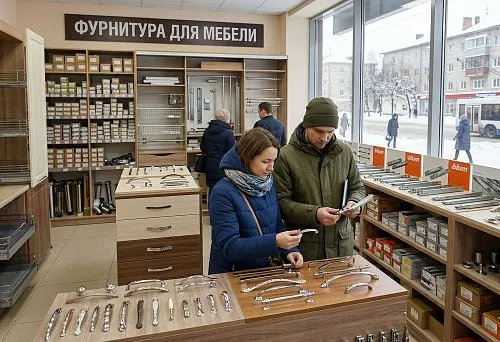
When furniture quality is paramount, every detail matters. That is why selecting a reliable supplier becomes a strategic decision for any furniture project. Stavropol Furniture Hardware Online Store Opens unprecedented access to high-quality components from leading global brands for regional manufacturers and private craftsmen.
The Stavropol region, with its dynamically developing economy and growing construction sector, creates a stable demand for quality furniture hardware. Regional characteristics—from climatic conditions to local production specifics—require an individualized approach to selecting furniture components.


Regional Specifics of Furniture Production in Stavropol




Climate Factors and Their Impact on Hardware Selection
The continental climate of the Stavropol region, with its temperature fluctuations and variable humidity, imposes special requirements on furniture hardware. Corrosion resistance of metal components becomes a critical parameter determining the longevity of furniture structures.
The region's hot summers require materials resistant to thermal expansion. Aluminum profiles with anodized coatings demonstrate excellent dimensional stability under temperature fluctuations, which is especially important for precision guide system mechanisms.
Winter frosts impose additional stress on polymer hardware components. Modern composite materials with modified structures retain elasticity and strength over a wide temperature range, ensuring reliable operation of doorstops and dampers.
Dust storms characteristic of the region require special attention to sealing elements of guide systems. Sealed constructions with integrated brush cleaners prevent abrasive particles from entering moving mechanisms.
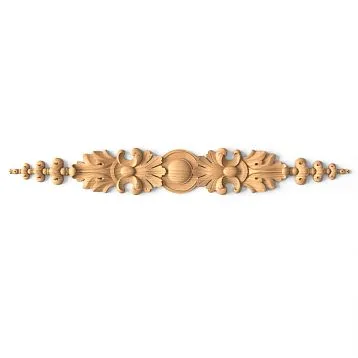
Our factory also produces:


Economic Characteristics of the Region
The Stavropol region has traditionally been an agricultural area, but in recent years, industry and service sectors have seen active development. This creates diverse demand for furniture products—from household to specialized office and commercial furniture.
Small and medium-sized businesses form the backbone of the local economy, creating demand for quality yet affordable hardware. Flexible pricing systems and the ability to order small batches become competitive advantages for suppliers.
The growth of the tourism industry in the region stimulates demand for hotel furniture. Intensive commercial use requires particularly durable and wear-resistant hardware with extended warranty obligations.
The growing residential sector creates demand for modern furniture for private homes and apartments. Buyers increasingly prefer functional solutions with integrated storage and soft-close systems.
Get Consultation
Product Range and Specialization of Regional Suppliers
Hinges and Pivot Mechanisms for the Stavropol Climate
Modern furniture hinges are high-tech products, where each element is designed to ensure long-term flawless operation. Hinges with doorstops have become a standard quality feature, defining the perception of furniture by end-users.
Surface-mounted hinges of various opening types—from standard 90 degrees to wide-angle 180 degrees—allow implementing any design concept. Semi-surface and inset variants ensure optimal use of internal cabinet space.
Specialized hinges for glass doors require special materials and structural solutions. Use of stainless steel and special seals ensures secure mounting with minimal impact on the fragile facade material.
Heavy-duty door hinges are manufactured with reinforced friction joints and increased service life. Modern models withstand up to 200,000 open-close cycles without loss of functionality.
Guide Systems and Extension Mechanisms
The evolution of drawer guide systems demonstrates rapid technological advancement in the furniture industry. Telescopic full-extension guides with load capacity up to 65 kilograms open new possibilities for storage system design.
Ball-bearing guides ensure smooth drawer movement even under maximum load. Precisely calibrated steel balls in high-strength polymer separators guarantee silent operation and minimal wear of contact surfaces.
Soft-close systems are integrated directly into guide system construction, ensuring compact solutions. Hydraulic dampers absorb kinetic energy of moving drawers and provide controlled deceleration.
Push-to-open systems allow creating minimalist facades without visible handles. The mechanism activates with a light press and automatically extends the drawer to a distance sufficient for hand grasp.
Lift Mechanisms and Gas Dampers
Lift systems for upper kitchen cabinet facades transform the ergonomics of the working process. Gas struts of varying power are selected depending on the door weight and required opening force.
Parallel lifters ensure uniform facade movement along the entire opening trajectory. This is especially important for wide doors, where uneven movement may lead to structural deformation.
Freely hanging systems are suitable for light facades and provide maximum ease of installation. Adjustment mechanisms allow precise tuning of opening force and speed to individual user needs.
Electric drives for lift systems represent the next level of comfort. Remote control and programmable opening scenarios create new opportunities for integrating furniture into smart home systems.
Technological innovations in the regional context
Adaptation of European standards to local conditions
Leading European furniture hardware manufacturers adapt their products to the climatic and operational characteristics of various regions. Reinforced coatings and modified materials ensure stable operation under continental climate conditions.
Testing in climatic chambers simulates long-term operation under temperature fluctuations, high humidity, and ultraviolet radiation. Test results confirm product compliance with regional requirements.
Local production of individual components allows cost reduction without compromising quality. Use of local raw materials and production infrastructure ensures competitive pricing while maintaining European standards.
Product certification according to Russian standards confirms compliance with all safety and quality requirements. Independent testing laboratories conduct comprehensive checks on each batch of goods.
Intelligent solutions for modern furniture
Development of Internet of Things technologies opens new horizons for furniture hardware. Usage sensors are integrated into guide systems for monitoring usage intensity and predictive maintenance.
Wireless control systems allow monitoring of lift mechanisms and locks via mobile applications. This is especially relevant for people with limited physical abilities and elderly users.
Automatic lighting systems activate upon opening drawers and cabinets, ensuring comfortable use in low-light conditions. LED modules with motion sensors consume minimal energy and have a lifespan of up to 50,000 hours.
Antibacterial coatings based on silver ions ensure hygienic safety of hardware. This is especially important for kitchen furniture and medical equipment, where cleanliness requirements are maximal.
Logistical advantages of regional deliveries
Transport accessibility and warehouse infrastructure
Stavropol, as a regional center, has a well-developed transportation infrastructure ensuring efficient logistics for furniture hardware deliveries. Federal highways connect the region with major industrial centers of the country.
Proximity to ports of the Black and Azov Seas creates opportunities for optimizing import deliveries. Direct deliveries from European manufacturers via southern Russian ports ensure competitive pricing.
The regional railway network enables efficient transportation of large shipments. Containerized transport ensures hardware protection during long-distance transit.
Modern warehouse complexes are equipped with climate control systems, which is especially important for storing moisture-sensitive materials. Automated inventory systems ensure accurate order fulfillment.
Regional distribution centers
Establishing regional warehouses by major furniture hardware suppliers reduces delivery times to end consumers. Express delivery of critical components allows uninterrupted production processes.
Consolidating orders from various manufacturers into a single shipment optimizes transportation costs. Modern logistics centers coordinate deliveries to form complete batches.
Cross-docking systems minimize storage time for goods. Direct transfer from supplier transport to receiver transport accelerates delivery and reduces damage risks.
Reverse logistics ensures an efficient returns and exchange system. Centralized processing of complaints and rapid replacement of defective goods create additional value for customers.
Quality characteristics and standards
Regional quality control systems
Multi-level quality control systems include inspection at all stages — from receipt of goods at the regional warehouse to delivery to the end consumer. Incoming batch inspections are conducted using modern measuring equipment.
Sample tests in independent laboratories confirm compliance with declared characteristics. Test protocols include checking geometric parameters, strength characteristics, and coating quality.
The traceability system allows identifying each product batch and enables prompt contact with customers if necessary. This ensures a high level of service and allows quick response to quality issues.
Continuous improvement programs are based on analysis of customer feedback and warranty claim statistics. Regular quality monitoring allows identifying trends and taking preventive measures.
Warranty obligations and service support
Extended warranty programs provide customers with additional confidence in the quality of purchased products. The standard warranty for mechanical hardware components ranges from 3 to 5 years depending on usage intensity.
Specialized service centers in the region provide technical support and repair of complex hardware. Qualified specialists undergo regular training from manufacturers and have access to original spare parts.
On-site service for large customers includes installation, setup, and adjustment of complex mechanisms directly at the site. This is especially important for commercial projects with tight deadlines.
Training programs for installers and designers improve the quality of hardware installation. Certified specialists ensure correct installation and optimal adjustment of all mechanisms.
Economic aspects of regional procurement
Pricing considering regional factors
Pricing structure for the Stavropol market of furniture hardware takes into account local economic conditions and purchasing power. A flexible discount system encourages long-term cooperation and considers procurement volumes.
Programs for small businesses provide access to quality hardware without requiring large initial investments. Payment deferrals and delivery postponements help optimize cash flow for small enterprises.
Seasonal demand fluctuations are considered when planning promotions and special offers. Pre-orders for the next season allow obtaining additional discounts and guaranteeing delivery of popular items.
Currency hedging stabilizes prices for imported products despite currency fluctuations. Long-term contracts with suppliers ensure predictable pricing.
Financial tools for regional clients
Partnership with regional banks provides access to specialized credit products for furniture manufacturing. Favorable credit terms make large investments in production modernization accessible.
Factoring services allow accelerating capital turnover and improving financial performance of enterprises. Working with accounts receivable becomes more efficient and less risky.
Leasing programs for equipment and large hardware batches distribute financial burden over a long period. This is especially important for startups and growing enterprises.
Escrow services ensure the security of large transactions and protect the interests of all parties. Independent deposit of funds guarantees contract fulfillment.
Specialized solutions for regional needs
Hardware for agricultural and industrial facilities
The specificity of the Stavropol region as a major agricultural area creates demand for specialized furniture for production facilities. Anti-corrosion coatings and reinforced structures ensure longevity in aggressive environments.
Furniture for food production requires stainless steel hardware with disinfection capability. Smooth surfaces without hard-to-reach areas facilitate sanitation and comply with food safety requirements.
Explosion-proof hardware for oil and gas industry facilities undergoes special certification and meets international safety standards. Use of special materials and constructions eliminates the risk of sparking.
Anti-vandal solutions for public spaces withstand intensive loads and deliberate damage attempts. Hidden mounting methods and reinforced materials ensure maximum durability.
Climate adaptations and special requirements
High atmospheric dust levels in steppe areas of the region require use of sealed guide systems. Special seals prevent abrasive particles from entering moving mechanisms.
Intense ultraviolet radiation in the region accelerates degradation of polymer materials. Stabilized compositions and special additives ensure preservation of plastic hardware component properties.
Significant daily temperature fluctuations create cyclic loads on materials. Compensation elements in hardware design prevent stress and deformation.
Increased seismic activity in some regions of the area requires use of reinforced fasteners. Special anchor systems ensure furniture fixation reliability even during underground tremors.
Innovative trends and future development
Digitalization of regional trade
Development of online trade in furniture hardware in the region outpaces national averages. Virtual catalogs with detailed technical specifications and 3D models simplify selection for professional buyers.
Integration with furniture design automation systems allows automatic generation of specifications for required hardware. Parametric models take into account loads and operating conditions.
Mobile applications for tablets and smartphones provide access to catalogs and enable order placement at any time. Synchronization with cloud services allows working on projects across different devices.
Augmented reality helps visualize how hardware will look in the context of a specific furniture item. This is especially important when selecting decorative elements and handles.
Ecological initiatives and sustainable development
Growing consumer environmental awareness in the region stimulates demand for hardware made from recycled and eco-friendly materials. Programs for recycling used hardware are developing within the circular economy.
Local production of certain types of hardware reduces carbon footprint by reducing transportation costs. Using renewable energy sources in production becomes a competitive advantage.
Certification according to environmental standards confirms compliance with strict safety requirements. Absence of harmful emissions and full recyclability become important selection factors.
Green technologies in packaging include using biodegradable materials and optimizing dimensions to reduce waste volumes. Reusable packaging for regular deliveries minimizes environmental impact.
In the context of regional market development, choosing a reliable supplier becomes a strategically important decision. Furniture Hardware Store Stavropol provides local manufacturers and craftsmen access to modern solutions from leading global brands, adapted to regional operating conditions.
Educational programs and development of competencies
Regional training and certification centers
Developing qualified personnel in the furniture manufacturing sector requires specialized educational programs. Training centers at major hardware suppliers provide comprehensive education from basic principles to advanced installation techniques.
Practical seminars using real equipment allow specialists to master the latest installation and adjustment technologies for complex mechanisms. Certified instructors pass on years of experience working with various types of hardware.
Distance learning courses provide accessibility to education for specialists from remote areas of the region. Interactive modules and video lessons allow studying material at a convenient pace without interrupting primary activities.
International certification increases the competitiveness of regional specialists in the labor market. Documents recognized in various countries open opportunities for participation in international projects.
Technical support and consulting
Comprehensive technical support includes consulting at all stages — from selecting hardware to post-sales service. Hotlines provide prompt resolution of technical issues.
On-site consultations for large projects include analyzing operating conditions and developing individual recommendations. This is especially important for unique projects with non-standard requirements.
Technical documentation library contains detailed instructions for installation, adjustment, and maintenance of all types of hardware. Regular updates reflect the introduction of new products and technologies.
User forums enable experience exchange among regional specialists. Collective problem-solving enhances overall industry competence.
Prospects for regional market development
Integration with federal and international markets
Development of regional transportation infrastructure and logistics capabilities creates prerequisites for integrating the local market into national and international furniture hardware trade. Direct deliveries from European manufacturers become economically justified.
Participation of regional companies in international exhibitions and forums helps establish direct contacts with manufacturers. This allows gaining access to the latest developments earlier than competitors.
Establishing joint ventures with foreign partners may ensure localization of production for certain types of hardware. Technology transfer will enhance the technological level of the regional industry.
The export potential of the region in the furniture industry can be realized with high-quality hardware. Compliance with international standards opens opportunities for entering foreign markets.
Technological breakthroughs and innovations
The adoption of Industry 4.0 technologies in furniture manufacturing will require corresponding development of the hardware market. Smart hardware with integrated sensors and control systems will become an indispensable part of modern furniture.
The development of additive technologies will allow creating custom hardware for specific projects. 3D printing of metal parts will provide unique design solutions while maintaining high strength characteristics.
Biomimetic approaches in hardware design borrow principles from natural mechanisms. Structures inspired by the architecture of living organisms ensure optimal strength-to-flexibility ratios.
Nanotechnologies will open opportunities for creating materials with unique properties. Self-cleaning coatings, antibacterial surfaces, and shape-memory materials will redefine perceptions of what hardware can achieve.
In the dynamically evolving landscape of the regional market furniture hardware online store Stavropol becomes a reliable partner for all industry participants — from large manufacturing enterprises to private master carpenters.
Conclusion
The Stavropol furniture hardware market stands at the threshold of fundamental changes linked to the digitization of trade, regional economic development, and growing demands for quality of life. Local specifics — from climatic conditions to economic factors — shape unique requirements for suppliers and products.
Modern production technologies, innovative materials, and advanced logistics solutions create unprecedented opportunities for developing high-quality furniture manufacturing in the region. Integration with global markets while maintaining adaptation to local conditions becomes a key factor for success.
Professional development of personnel, implementation of modern management technologies, and an environmentally responsible business approach define the industry’s development vectors in the coming years. Partnership between suppliers, manufacturers, and end-users creates a synergistic effect that promotes growth across the entire industry.
Regional specificity requires an individual approach to each project, deep understanding of local conditions, and flexibility in solving non-standard tasks. It is precisely this approach that enables the creation of truly high-quality furniture that serves people for decades.
Company STAVROS continues to develop cooperation with regional partners, providing Stavropol manufacturers and craftsmen access to the best global solutions in furniture hardware. Investments in regional infrastructure, specialist training, and development of innovative services create a solid foundation for sustainable industry growth and meeting the growing market demands.