Article Contents:
- Introduction
- Evolution of Wood-Based Materials
- Traditional Use of Wood
- Transition to Composite Materials
- 1. Laminated Wood Material
- 2. New Generation of Particleboard, MDF, and Plywood
- 3. Wood-Polymer Composites (WPC)
- 4. Thermally Modified Wood
- 5. Nanotechnology in Wood Processing
- Automation and Digital Modeling
- Laser Cutting and Milling
- Chemical Modification and Use of Resins
- Thermo-modification
- Ecological Safety
- High Strength and Durability
- Aesthetic appeal
- Resistance to Climatic Effects
- Design and Production Flexibility
- Construction and Architecture
- Furniture manufacturing
- Interior and Exterior Finishing
- Industrial Applications
- Integration with digital technologies
- Nanotechnology and Material Functionalization
- Ecological Orientation and Sustainable Development
- Global Trends and Future of Wood-Based Materials
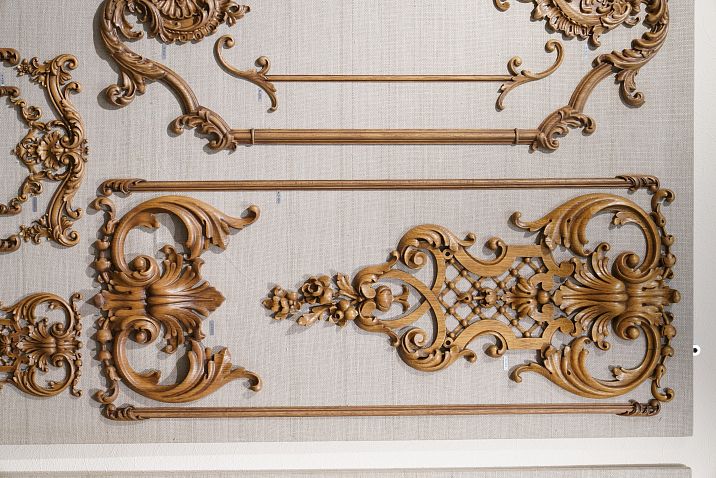
Wood has always been a source of inspiration and a primary construction material, but it is precisely modern technologies that have enabled us to unlock its potential in new ways. Over the past decades, the industry related to wood processing and modification has experienced rapid development, leading to the emergence of new materials with unique properties and broad application areas. This article is devoted to modern wood-based materials, their innovative technologies, advantages, and development prospects in the context of a rapidly changing world.


Introduction
Wood, as a natural material, is valued for its ecological properties, warmth, and strength. However, traditional wooden products are often limited in application due to the natural characteristics of the raw material: susceptibility to deformation, shrinkage, moisture, and biological agents. That is why modern research and technological developments in wood processing are aimed at overcoming these shortcomings, creating composite and modified materials with improved performance characteristics.
In this article, we will consider:
● Evolution of Wood-Based Materials
● Main Types of Modern Wood-Based Materials
● Production and Processing Technologies
● Advantages and Application Areas
● Development Prospects and Integration with New Technologies




Evolution of Wood-Based Materials
Our factory also produces:


Traditional Use of Wood
For centuries, wood has served as the primary building material used in everyday life and architecture. However, natural wood has limited resistance to aggressive environmental factors. Wood was used in primary structures, furniture, and finishing materials, but the need to enhance its strength and durability has long been evident.
Get Consultation
Transition to Composite Materials
With the development of technologies, numerous wood processing methods emerged, enabling the creation of materials with optimized properties. As a result of research, composites were developed where wood combines with polymers, adhesive compositions, or special chemical additives. This allowed significantly expanding the application scope of wood-based materials, combining natural properties with resistance to mechanical and climatic influences.
Main Types of Modern Wood-Based Materials
Modern wood-based materials can be divided into several main groups. Each has its own unique properties and application characteristics.
1. Laminated Wood Material
Laminated wood (or glued timber) is produced by bonding several layers of natural wood under high pressure using special adhesive compositions. This material has high strength, dimensional stability, and allows creating large-scale structures without internal defects.
Advantages of Laminated Wood:
● Increased mechanical strength
● Dimensional stability even with temperature and humidity fluctuations
● Ability to create curved forms and complex structures
2. New Generation MDF, Particleboard, and Plywood
These materials have long occupied their niche in furniture manufacturing and construction. However, modern technologies have significantly improved their properties:
● Plywood has become more homogeneous due to optimized drying regimes and improved adhesive compositions. New types of plywood exhibit enhanced water resistance and resistance to mechanical damage.
● MDF (fine particle board) and particleboard have undergone modification through the use of eco-friendly adhesives and stabilizers. As a result, they have improved aesthetic and mechanical properties, allowing their use under increased load conditions.
3. Wood-Polymer Composites (WPC)
One of the most promising directions is the development of wood-polymer composites. These materials represent a combination of wood fibers with polymer matrices. This approach allows:
● Increase material strength and durability
● Increase resistance to moisture and ultraviolet radiation
● Create products with unique textures combining natural and synthetic components
Wood-polymer composites are used in outdoor construction, manufacturing cladding panels, and producing decorative elements.
4. Thermally Modified Wood
Thermally modified wood is natural wood subjected to high-temperature treatment (typically in the range of 160–240 °C) under limited oxygen access. This process alters the wood’s chemical structure, reducing its moisture absorption and increasing resistance to biological pests.
Advantages of Thermally Modified Wood:
● Resistance to fungi and insects
● Reduced shrinkage and deformation
● Aesthetically pleasing appearance with deep natural tones
5. Nanotechnology in wood processing
Modern research actively employs nanotechnology to enhance wood properties. Adding nanoparticles such as titanium dioxide or silica allows:
● Increase resistance to ultraviolet radiation
● Improve mechanical properties and wear resistance
● Create self-cleaning surfaces, reducing the need for frequent maintenance
Such innovative materials are already used in high-tech projects where maximum durability and aesthetic stability are required.
Production and processing technologies
Modern wood-based materials are created through the integration of advanced processing technologies, enabling high standards of quality and safety.
Automation and digital modeling
The introduction of automated production lines and digital technologies allows optimizing the manufacturing process of wood-based materials. Computer modeling systems and CNC machines ensure:
● High processing accuracy
● Minimization of raw material waste
● Ability to create complex decorative elements and architectural structures
Laser cutting and milling
The use of laser cutting and milling allows creating products with exceptional precision and complex shapes. These technologies are especially in demand in manufacturing decorative panels, furniture, and architectural elements, where aesthetics and high detail are crucial.
Chemical modification and use of resins
Modern chemical wood treatments significantly enhance its resistance to moisture and aggressive environments. The use of special resins and adhesive compositions allows creating composites where natural wood combines the strength and durability of synthetic materials while remaining an eco-friendly product.
Thermo-modification
As previously mentioned, wood thermo-modification is a process of treating material at high temperatures. Modern technologies in this field allow controlling each stage of the process, achieving optimal results in reducing moisture content and enhancing wood resistance to biological influences.
Advantages of modern wood-based materials
Modern wood-based materials possess several advantages making them competitive in the market of construction and finishing materials:
Ecological and safety
Natural wood and its derivatives retain ecological purity, which is especially important in the context of rapid urban growth and increased attention to environmental protection. Many modern wood-based materials receive ecological certifications confirming the absence of harmful impurities and safety for human health.
High strength and durability
Thanks to the use of modern technologies and raw material modification, contemporary wood-based materials possess high mechanical strength. This allows their use in load-bearing building structures as well as in interior elements subjected to significant mechanical loads.
Aesthetic appeal
Wood has always been associated with warmth and comfort. Modern processing technologies allow preserving the natural beauty of wood fibers, highlighting unique textures and shades of the material, and creating products capable of enhancing any interior or exterior. From classic to ultra-modern designs — the possibilities of applying natural materials are virtually limitless.
Resistance to climatic influences
With the use of composites, thermo-modification, and nanotechnology, modern wood-based materials acquire high resistance to moisture, temperature fluctuations, and biological pests. This opens new opportunities for their use not only indoors but also in outdoor construction.
Design and production flexibility
Automation and digital modeling enable creating products of any shape and complexity. Modern wood-based materials are used in architecture, furniture, decorative finishes, as well as in complex engineering structures, where individual approach and creative solutions are essential.
Applications of modern wood-based materials
The development of new technologies allows wood to be used not only in traditional areas, but also in new, previously inaccessible market segments.
Construction and architecture
Due to their high strength and durability, modern wood-based materials are widely used in construction:
● Load-bearing structures and frames. Laminated beams and glued laminated timber allow for large-scale architectural projects.
● Façade and cladding systems. Composite panels and thermally modified wood are used for building cladding, ensuring the durability and aesthetic appeal of façades.
● Roofs and terraces. High resistance to moisture and temperature fluctuations makes wood-based materials ideal for creating roofs and open areas.
Furniture production
Natural wood has always been at the center of attention for furniture makers. Modern processing technologies allow for the creation of:
● Exclusive furniture. Solid wood, MDF, and composites demonstrate high quality, durability, and original design.
● Ergonomic solutions. Precision processing and the possibility of digital modeling ensure optimization of shapes and functional features of furniture.
● Decorative elements. The use of laser cutting and milling allows for creating complex patterns and decorative panels, making furniture unique.
Interior and exterior design
Modern wood-based materials are actively used to create comfortable and stylish spaces:
● Panels, cladding, and partitions. The aesthetic texture of wood adds warmth and coziness to interiors, while modern composites ensure high operational reliability.
● Decorative structures. Non-standard shapes created using digital technologies allow for implementing the most daring design ideas in interiors.
● Landscape design. Wood-polymer composites and thermally modified wood are used in creating gazebos, garden furniture, and outdoor decorative elements, harmoniously blending into the natural landscape.
Industrial applications
Modern wood-based materials are also successfully used in various industrial applications:
● Production of packaging materials. Eco-friendly composite products are used in manufacturing reusable packaging.
● Engineering structures. High strength of glued laminated timber and laminated products allows for creating complex engineering structures requiring high reliability.
● Restoration of historical objects. The application of modern wood processing technologies allows for restoring historical buildings while preserving their authenticity and longevity.
Development prospects and innovations
The development of modern wood-based materials is not standing still. New research, integration of nanotechnology and digital solutions open up broad prospects for the industry.
Integration with Digital Technologies
The introduction of artificial intelligence, digital modeling, and automation systems allows:
● Optimize production processes
● Reduce waste and lower costs
● Create products with individual characteristics meeting the most demanding requirements
Nanotechnology and material functionalization
Adding nanoparticles and functional coatings improves the operational characteristics of wood-based materials:
● Increased resistance to ultraviolet radiation and atmospheric effects
● Creation of self-cleaning and antimicrobial surfaces
● Improved mechanical strength without loss of aesthetic qualities
Environmental orientation and sustainable development
Modern wood-based materials play an important role in the concept of sustainable development:
● Use of renewable resources and environmentally friendly technologies contributes to preserving the environment
● Development and implementation of energy-efficient wood processing methods allow reducing the carbon footprint of production
● Supporting local producers and rational use of forest resources strengthen regional economies
Global trends and the future of wood-based materials
In the context of globalization and rapid growth of environmental requirements, the future of modern wood-based materials looks promising. Innovative research, government support, and interest from the private sector contribute:
● Expansion of product range
● Attracting investments in new technological developments
● Creating materials capable of competing with synthetic analogs in terms of quality, aesthetics, and durability
Conclusion
Modern wood-based materials are the result of synthesizing age-old traditions and advanced technologies, enabling the preservation of wood's natural beauty and ecological purity while overcoming its inherent limitations. In the context of continuous development in the construction industry, furniture production, and design, next-generation wood materials are becoming an indispensable part of innovative solutions.
Key advantages of modern wood-based materials lie in their eco-friendliness, high strength, aesthetic appeal, and resistance to climatic influences. Thanks to technologies such as lamination, thermal modification, nanotechnology, and digital modeling, natural raw materials are transformed into products meeting the highest standards of quality and safety.
Industry development prospects indicate further integration of modern wood-based materials with digital technologies and sustainable production practices, making them competitive on the global market. These innovative materials are applied not only in traditional fields but also in new segments, contributing to the creation of unique architectural projects, exclusive furniture, and modern design solutions.
Thus, modern wood is no longer merely a construction material but a symbol of harmonious integration of nature and technology, enabling the creation of objects capable of providing warmth, comfort, and longevity. Innovations in wood processing open new horizons for designers, engineers, and architects, offering the opportunity to realize bold ideas and projects that meet contemporary requirements and ecological responsibility standards.
The transition from traditional wood usage methods to modern composites and modified materials is an important step in industry development, helping preserve natural resources and ensure sustainable development. Modern wood processing technologies not only improve material performance characteristics but also create products with unique aesthetic qualities capable of transforming any space.
In conclusion, modern wood-based materials represent a dynamically developing field where traditional values of nature are combined with innovative scientific and technological solutions. This opens up broad opportunities for realizing the most daring ideas, creating eco-friendly, durable, and aesthetically perfect products capable of meeting the demands of modern society and contributing to planetary sustainable development.
Thus, modern wood-based materials are not merely a product of natural raw material processing, but the result of synergy between tradition and innovation, combining the best qualities of nature with achievements of modern science. In the context of global ecological challenges and rapid technological progress, next-generation wood becomes a crucial element in construction, design, and industrial production, demonstrating its relevance and prospects for the future.