Article Contents:
- Functional Value of Window Trim in Interior Design
- Protection Against Heat Loss and Sound Insulation
- Aesthetic component
- Protection from Mechanical Damage
- Masking Technical Elements
- Materials for Window Trim Inside Rooms
- Natural Wood: Classic and Noble
- MDF and Laminate: Practical Alternatives
- Gypsum Board: Universal Solution
- Plastic and Sandwich Panels: Practicality and Durability
- Polyurethane: Modern Possibilities
- Plaster: Traditional Approach
- Stylistic Solutions for Window Trim
- Classic Style: Harmony and Proportion
- Modern Minimalism: Simplicity and Functionality
- Ethnic styles: cultural diversity
- Eco-Style: Natural Materials and Textures
- Technologies for Installing Window Trim Inside Rooms
- Preparatory work
- Installing Wooden Trim
- Installing Gypsum Board Trim
- Installing Plastic Soffits and Sandwich Panels
- Plastering Work
- Decorative Elements and Accessories for Window Trim
- Moldings and Cornices
- Decorative Corners and Rosettes
- Sills: Functional Element of Trim
- Integrated lighting
- Practical advice on selection and care
- Material Selection Based on Room Type
- Care for Different Types of Trim
- Common Installation Mistakes and How to Avoid Them
- Modern Trends in Window Trim
- Ecological and Natural Materials
- Minimalism and Functionality
- Integration with "smart home" systems
- Personalization and individual approach
- Conclusion
In the world of interior design, there are elements capable of radically transforming the appearance of a room, giving it completeness and individuality. Window Trim Inside — one of such elements that not only performs a decorative function but also solves a number of practical tasks: protects window openings from damage, improves thermal insulation, hides installation technical flaws, and creates a harmonious transition between the window structure and the wall.
Windows are not just sources of light, but also important architectural elements that shape the character of space. Thoughtfully selected Window Trim Inside can turn an ordinary window into a true architectural accent, emphasize the interior's stylistic solution, and create a sense of completeness and harmony.
In this article, we will thoroughly examine the variety of options for internal window trim, materials and technologies for their manufacture, features of installation and maintenance, as well as modern trends in this field. Whether you are planning renovation, restoration of a historic interior, or building a new house, this information will help you make the right choice and create a truly unique space.



Functional value of window framing in interior design
Window Trim Inside The interior trim not only serves a decorative function but also performs several important practical functions that directly affect the comfort and aesthetics of living space.




Thermal insulation and soundproofing
One of the key functions of interior window framing is thermal insulation. Even the most modern double-glazed windows cannot fully protect against heat loss if the installation joints and window sills are not properly treated. Quality Window Trim Inside using appropriate materials and technologies significantly improves the thermal insulation characteristics of the window structure.
Properly executed framing can reduce heat loss by up to 40%, which is especially relevant in cold-climate regions. In addition, it prevents condensation formation on the sills and window frames, thereby protecting against mold and fungi growth.
In addition to thermal insulation, interior window framing improves the sound insulation characteristics of the room. The dense structure of materials and absence of gaps significantly reduce outdoor noise penetration, creating a more comfortable acoustic environment inside the home.
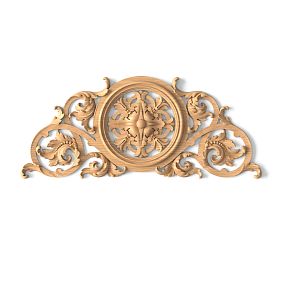
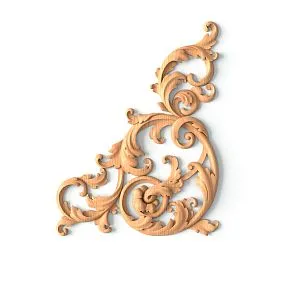
Our factory also produces:





Aesthetic component
Window Trim Inside plays an important role in forming the overall appearance of the interior. It creates a visual transition between the window structure and the wall, highlights architectural features of the room, and can serve as an independent decorative element.
Thoughtfully selected framing can visually enlarge the window opening, making it more proportionate and harmonious. For example, white sills visually enlarge windows and improve indoor lighting, creating an effect of greater space.
Depending on the chosen interior style, Window Trim Inside can be minimalist and restrained or, conversely, richly decorated, using carved elements, moldings, cornices, and other architectural details.
Get Consultation
Protection against mechanical damage
Another important function of interior window framing is protection of the window opening from mechanical damage. Sills and casings protect the edges of walls from chips, cracks, and other defects that may occur during operation.
This function is especially relevant in homes with small children or pets, where the risk of wall damage around windows is significantly higher. Durable Window Trim Inside room provides additional protection and extends the service life of the finish.
Masking technical elements
Interior window framing allows hiding technical elements of the window structure — installation foam, fasteners, wall irregularities, and other defects that may arise during window installation.
Quality-executed Window Trim Inside creates a neat, finished appearance of the window opening, concealing all technical details and imperfections. This is especially important when installing new windows in old buildings, where walls may have significant irregularities and defects.
Materials for interior window framing
Choice of material for interior window framing depends on many factors: interior style, budget, practical requirements, and personal preferences. Let's consider the main materials, their advantages, and application specifics.
Natural wood: classic and elegance
Wood is one of the most traditional and aesthetically appealing materials for interior window framing. Wooden sills and casings bring warmth and coziness to the interior, as well as improve the thermal and sound insulation characteristics of the window.
For manufacturing wooden elements of framing, various types of wood are used:
- Oak — symbol of strength and durability. Oak framing features an expressive texture with visible growth rings, high density, and resistance to mechanical damage. Oak can acquire a noble tone over time and combines well with classic interiors.
- Larch — ideal choice for rooms with high humidity due to exceptional resistance to rot and moisture. Larch has high density, strength, beautiful amber tone, and durability without additional treatment.
- Spruce — affordable and practical option with light, warm tone and good workability. Spruce has relatively low cost, but is prone to deformation under humidity changes.
After installation, wooden sills can be stained to emphasize the natural wood texture and coated with varnish — this enhances their wear resistance. In such cases, it is better to choose a wooden sill as well, to create a unified ensemble.
Wooden Window Trim Inside Can be executed in various styles — from simple profiled trim to complex carved compositions with inlays and gold leaf. This allows selecting a variant that perfectly matches the overall interior style.
MDF and laminate: practical alternatives
MDF (medium-density fiberboard) — a popular material for interior window framing, combining affordable price with good operational characteristics.
For decorating window openings, you can use special trim pieces — MDF strips. Available in three types:
- Standard — items with minimal processing
- Telescopic — trim pieces with mounting grooves
- With edges on ends — strips for masking flaws of the window frame
Covering window openings with MDF panels — an excellent way to avoid preliminary surface preparation. For covering the window casing, you can choose strips in original color schemes: wood, metal, plastic, and even stone. A wide range of design solutions will allow creating a unique composition for any interior.
Laminate can also serve as an inexpensive substitute for wood when framing windows inside. This material is characterized by high strength and wear resistance. At the same time, it is easy to find in various colors and textures. The only drawback — intolerance to moisture, however, many modern manufacturers have learned to cope with this. In laminate casings, you can replicate flooring. This technique will unify interior elements.
Gypsum board: a universal solution
Gypsum board is a convenient material for interior window framing, especially in cases when it is necessary to hide significant unevenness or create complex geometry. It is easy to install, well-suited for processing, and allows achieving a perfectly flat surface.
Gypsum board can be used to cover metal and wooden frames. The material easily attaches to any surface and can be easily shaped to the required form. To cover the window casing, cut the sheets and fasten them with self-tapping screws. Carefully fill the joints between elements with putty. The finished structure can be covered with decorative plaster or paint.
Gypsum board structures allow creating arches, niches, multi-level elements and other architectural details that can become part of interior window framing the room. This is especially relevant for creating non-standard design solutions.
Plastic and sandwich panels: practicality and durability
Plastic panels and sandwich panels — a modern solution for interior window framing, which is characterized by practicality, durability, and ease of installation.
Plastic casings harmoniously match with glass units and window sills made of the same material, allowing to style the window structure in a unified style and color. Sandwich panels have a thickness of about 10 mm and consist of two plastic layers with insulation between them, providing additional thermal insulation.
Advantages of plastic casings:
- Resistance to moisture and temperature fluctuations
- Easy maintenance — simply wipe with a damp cloth
- Durability — service life of at least 15 years with proper installation
- Wide range of colors and textures
- Quick and simple installation
Sandwich panels have the same expansion coefficient as window plastic, so no cracks or gaps form between them. This ensures longevity and aesthetics interior window framing of the room throughout its service life.
Polyurethane: modern possibilities
Polyurethane panels represent a modern solution for interior window framingcombining aesthetic qualities with high technical characteristics.
Polyurethane sills are panels for simultaneous finishing and insulating window sills. They solve a common problem associated with windows — insulation. Even in houses with ventilated and insulated facades, condensation and heat loss through window openings may occur. Polyurethane panels effectively solve this problem.
Visually white polyurethane sills enlarge windows and also improve indoor lighting. They are easy to install, resistant to moisture and temperature fluctuations, do not fade in the sun, and do not yellow over time.
Plaster: traditional approach
Plaster remains one of the most accessible and traditional materials for interior window framing rooms. This method allows creating a perfectly smooth surface that can be painted in any color harmonizing with the overall interior design.
Plastering sills is considered the most economical option for protecting window openings. Dry mixes based on gypsum or cement, when applied properly, serve for many years without losing their neat appearance.
Advantages of plastered sills:
- High durability
- Low cost
- Possibility of performing work independently
- Applicability for arched window openings
Among the disadvantages, one can note low thermal insulation properties and the need for periodic renewal of the coating to maintain an aesthetic appearance.
Stylistic solutions in window frames
Window Trim Inside rooms play an important role in forming the stylistic unity of the interior. Let us consider the main stylistic directions and their characteristic solutions.
Classic style: harmony and proportion
Classical Window Trim Inside Characterized by symmetry, proportionality, and use of traditional architectural elements. Typical details include:
- Profiled casings with cornices and sills
- Pilasters or half-columns flanking the window
- Carved elements, rosettes, medallions
- Use of natural materials — wood, stone, gypsum
The color palette of the classical style is usually restrained — white, beige, pastel tones, imitation of valuable wood or natural stone. Classical frames are often complemented by stucco, which makes the room elegant. Stucco does not have to remain white — it can be covered with patina, silver, or gold.
Modern minimalism: simplicity and functionality
Minimalist interior window framing distinguished by simplicity of forms, absence of excessive decoration, and emphasis on material quality and precision of execution. Characteristic features:
- Simple geometric forms
- Minimal decorative elements
- Emphasis on texture and material quality
- Contrasting color solutions
- Functionality of each element
Minimalist frames fit well into modern interiors without visually overloading the space. A narrow opening, extended almost to the ceiling, visually makes the room taller and more proportionate. With precisely aligned ends and absence of prominent finishing, such a passage suits minimalist strict styles: loft, high-tech, scandinavian, techno.
Ethnic styles: cultural diversity
Different cultural traditions offer unique interior window framing rooms:
- Mediterranean style — arched openings, light plaster, terracotta tones
- Oriental style — carved wooden elements, complex geometric or floral ornaments
- Russian style — carved door casings with solar symbols, kokoshniks, textiles
- Scandinavian style — light wood, simple forms, functionality
Ethnic frames allow creating a unique, authentic space reflecting cultural traditions and history.
Eco-style: natural materials and textures
Eco-style in framing windows inside rooms implies using natural materials and natural textures. This trend has not lost its relevance for several seasons and is likely to become even more popular with the growing popularity of eco-friendly 'green' lifestyle.
Currently at the peak of popularity are natural wood, natural stone with irregular texture, marble, onyx, and their high-quality imitations. These materials create a sense of connection with nature and bring natural beauty and harmony into the interior.
The color palette of eco-style includes natural tones: various shades of brown, green, beige, gray. The finish can be minimal, highlighting the natural beauty of the material, or it can imitate natural textures and patterns.
Installation technologies for interior window frames
Quality installation interior window framing Rooms are not only a guarantee of an aesthetically pleasing appearance, but also of the durability, functionality, and energy efficiency of the entire window structure. Let us consider the main stages and technologies of installing various types of framing.
Preparatory Work
Regardless of the selected material, surface preparation is a critically important stage. It includes:
- Cleaning the window opening from dirt and construction debris, old peeling plaster. It is necessary to trim protruding bumps of mounting foam if the window installers did not do so.
- Surface priming. Using a brush, apply penetrating acrylic primer to the entire surface under future window casings in 1–2 layers. Allow it to dry completely — usually this takes no less than 2–3 hours.
- Surface leveling. Fill cracks, holes, and large irregularities in walls with cement plaster if they exist.
- Protection of mounting foam. If window installers did not cover mounting foam with special self-adhesive vapor barrier tape, cover the foam with polymer waterproofing according to the instructions on the material packaging. This will protect the foam from moisture caused by condensation from the room side and preserve its thermal insulation properties.
- Antiseptic treatment. After cleaning, apply antiseptic primer to the casings to prevent mold stains from forming under the finish. Mold growth damages walls and their finishes, creates a characteristic odor in the room, and makes the atmosphere unhealthy.
Installation of wooden framing
Installation of wooden interior window framing room installation requires precision and care. The process includes the following stages:
- Material cutting. Wooden framing elements (casing, jambs) are cut to size according to the window opening characteristics. It is important to accurately calculate the angles of connection between elements, usually 45 degrees for corners.
- Wooden element treatment. Before installation, wooden parts must be sanded, primed, and if necessary, covered with protective coatings.
- Frame installation. In some cases, a wooden frame must be installed to which the framing elements will be attached. The frame is leveled and fixed to the wall.
- Installation of casings and jambs. Wooden elements are attached to the frame or directly to the wall using nails, screws, or special adhesive. It is important to ensure precise connection of elements at the corners.
- Final finishing. After installation, the wooden framing is sanded, spackled at connection points if necessary, then painted or varnished according to the design plan.
Installation of gypsum board framing
gypsum board — a universal material for interior window framing rooms, allowing to create structures of various complexity. The installation process includes:
- Creating a frame from metal profiles or wooden beams. The frame must provide structural rigidity and correct geometry of the framing.
- Gypsum board mounting — gypsum board sheets are cut to size and attached to the frame using self-tapping screws.
- Joint and corner treatment — joints between gypsum board sheets are filled with spackling compound using reinforcing tape. Corners are reinforced with perforated corner brackets.
- Final finishing — the surface is spackled in multiple layers, sanded, primed, and painted or covered with wallpaper.
Gypsum board casings allow hiding utilities, integrating additional lighting, creating niches and other architectural elements, making them especially attractive for creating non-standard design solutions.
Installation of plastic casings and sandwich panels
Installation of plastic casings and sandwich panels — one of the fastest and simplest ways interior window framing to install in rooms. The process includes:
- Measuring and cutting material. Plastic panels or sandwich panels are cut to window opening size with necessary allowances.
- Surface preparation. The window opening is cleaned, leveled, and insulated if necessary.
- Panel installation. Panels are attached to the window frame and wall using special fasteners or mounting foam. It is important to ensure tight fitting of panels to the window frame to prevent cold bridges.
- Joint treatment. Joints between panels and window frame, as well as between panels and wall, are sealed with sealant to ensure the structure's airtightness.
- Installation of decorative elements. Decorative corners, moldings, and other elements may be installed as needed to give the structure a finished look.
Plastering work
Plastering — traditional method interior window framing rooms, which allows creating a smooth, monolithic surface. The process includes:
- Surface preparation. The window opening is cleaned, leveled, and primed.
- Installation of guide rods. To ensure surface flatness, guide rods — metal profiles or battens — are installed along which the plaster will be leveled.
- Applying plaster. Plaster mix is applied to the window casing in several layers, with careful leveling of each layer.
- Reinforcement. Reinforcing mesh is used to prevent cracks at corners and joints.
- Final finishing. After the plaster dries, the surface is sanded, primed, and painted in the chosen color.
Plastering window casings requires specific skills and time to complete, but when done properly, they are durable and aesthetically pleasing.
Decorative elements and accessories for window framing
Window Trim Inside rooms can be enhanced with various decorative elements and accessories that give the structure individuality and style.
Moldings and cornices
Moldings and cornices are decorative profiled elements used to create architectural accents and visual separation of space. In the context interior window framing rooms, they may be used for:
- Creating a decorative frame around the window opening
- Finishing the transition between the casing and the wall
- Decorating the top of the window (as a sash or cornice)
- Creating complex architectural compositions in combination with other elements
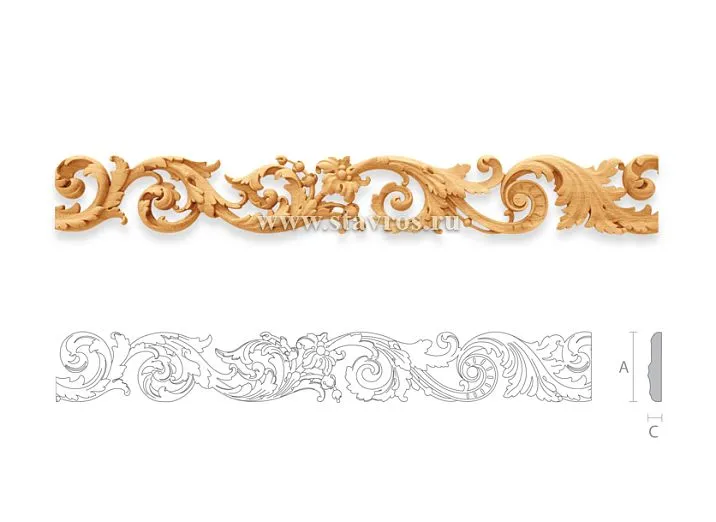
Moldings and cornices can be made from various materials — wood, polyurethane, plaster, plastic — and have diverse profiles, ranging from simple and minimalist to complex and ornate.
Decorative corners and rosettes
Decorative corners are used to finish the outer angles of casings and protect them from mechanical damage. They can be made from plastic, metal, wood, or other materials and have various designs — from simple functional ones to ornate ones.
Rosettes are decorative elements in round or oval shapes, used to accentuate corners of window framing or as standalone decorative elements. They are especially characteristic of classical and historical interior styles.
Sills: functional framing element
Sill — not only a functional element, but also an important part interior window framing rooms. It can be made from various materials:
- Wood — a natural, eco-friendly material that creates a warm, cozy atmosphere. Wooden sills can be made from various wood species and have diverse finishes.
- Stone — marble, granite, artificial stone. Stone window sills are distinguished by durability, resistance to moisture and mechanical damage, but have a higher cost.
- Plastic — an affordable, practical material, resistant to moisture and easy to maintain. Plastic window sills can imitate various materials — wood, stone, metal.
- MDF — a compromise between wood and plastic, combining affordable price with good operational characteristics.
Material selection for the window sill should harmonize with the overall style interior window framing of rooms and the interior as a whole.
Integrated lighting
Modern technologies allow integrating lighting into window framing, creating interesting lighting effects and providing additional functional lighting. Options for integrated lighting:
- LED strips hidden in niches or behind cornices
- Spotlights built into the upper part of the frame
- Lighting panels integrated into the structure
Framing window openings with gypsum board and decorative backlighting creates a striking accent in the interior and can serve as an additional light source, especially relevant at night.
Practical tips for selection and care
Choosing interior window framing of rooms is a responsible solution that must take into account many factors. Let's consider the main recommendations that will help make the right choice and ensure the longevity of the structure.
Material selection depending on the room
When selecting material for interior window framing of rooms requires considering the specifics of the particular room:
- Living rooms — here you can use almost any materials, depending on the overall interior style and personal preferences. Wood, MDF, gypsum board, plaster — all these materials are suitable for living spaces.
- Kitchen — in this room, there is high humidity and risk of contamination, so it is better to choose materials resistant to moisture and easy to maintain: plastic, artificial stone, ceramic tiles.
- Bathroom — here, the water resistance of materials is critically important. Optimal options — plastic, ceramic tiles, specially treated wood.
- Children's room — in this room, the ecological safety and material safety are important, as well as their resistance to mechanical damage. A good choice — natural wood, MDF with an eco-friendly coating.
Care for different types of framing
Proper care of window framing inside of rooms will preserve its aesthetic and functional qualities for many years:
- Wooden frames require regular maintenance — cleaning from dust, treatment with special compositions to protect against moisture, insects, UV radiation. Periodically, it may be necessary to renew the paint coating.
- Plastic frames are easily cleaned using regular cleaning agents. It is advisable to avoid abrasive materials and aggressive chemical substances that may damage the surface.
- Gypsum board frames covered with paint can be cleaned with slightly damp cloth. If necessary, the coating can be renewed by applying a new layer of paint.
- Plaster sills can also be cleaned with a damp cloth. If cracks or chips appear, they must be promptly filled with putty and repainted.
Common mistakes during installation and how to avoid them
During installation interior window framing of rooms, errors are often made that may lead to problems during operation. Let's consider the most common ones and ways to avoid them:
- Incorrect angle of jointing sills. It is recommended that the jointing angle be around 100-120°. In this case, the room lighting will be optimal. If the angle is smaller, less light will enter the room.
- Absence or insufficient insulation. Before installing sills, it is necessary to ensure high-quality insulation of the window opening to prevent the formation of cold bridges and condensation.
- Uneven horizontal and vertical lines. Horizontal and vertical sills must be installed strictly level. If there is a tilt in one direction, condensation may accumulate, mold and fungi may appear in areas of high humidity.
- Absence of sealing joints. After completing installation work, the joints between the window frame and adjacent sills must be treated with sealant to prevent moisture penetration and formation of cold bridges.
- Delaying the installation of sills after installing windows. It is recommended to install sills as soon as possible after installing window structures. Installation foam and uncovered wall construction materials gradually deteriorate under atmospheric moisture and ultraviolet radiation.
Modern trends in window framing
Interior design is an art that accurately reflects the surrounding reality and the changing human perceptions of beauty and comfort. With the emergence of new ideas and technologies, the approach to window framing inside rooms. Let's consider the current trends for 2024-2025.
Eco-friendliness and natural materials
The trend towards eco-friendliness has remained relevant for several seasons and is likely to become even more popular as the eco-conscious "green" lifestyle gains traction. In the context interior window framing rooms, this is reflected in the use of natural materials:
- Natural wood of various species
- Natural stone with uneven texture
- Marble, onyx and their high-quality imitations
- Eco-friendly plasters and paints based on natural materials
These materials not only create a healthy microclimate in the room, but also bring natural beauty and harmony into the interior.
Minimalism and Functionality
Minimalist approach to window framing inside rooms continues to remain a popular trend. It is characterized by:
- Clean, concise lines
- Absence of excessive decoration
- Emphasis on material quality and precision of execution
- Functionality of each element
- Monochromatic or contrasting color palette
Minimalist framing creates a sense of space and light, which is especially relevant for small rooms.
Integration with "smart home" systems
Modern technologies allow integrating Window Trim Inside rooms with "smart home" systems, adding new functional capabilities:
- Built-in lighting with adjustable brightness and color temperature
- Automatic shading systems — curtains, blinds, roller shutters
- Temperature and humidity sensors for controlling the microclimate
- Ventilation systems integrated into window framing
These technologies not only enhance comfort but also contribute to energy efficiency, allowing optimization of natural lighting and ventilation usage.
Personalization and individual approach
Modern production and installation technologies allow creating unique, personalized interior window framing rooms that reflect the owner's individuality:
- Use of 3D modeling and visualization to create unique designs
- Application of digital production technologies — CNC milling, 3D printing
- Creating frames taking into account the specific features of the room and the needs of its occupants
- Combining different materials and techniques to create unique solutions
A personalized approach allows creating a truly unique space that reflects the character and preferences of its owners.
Conclusion
Window Trim Inside rooms — it is not just a decorative element, but an important functional detail that affects comfort, energy efficiency, and the aesthetics of living space. From material and frame style selection to installation technology and maintenance — every aspect matters in creating a harmonious and functional interior.
The modern market offers a wide range of materials and technologies for interior window framing rooms — from traditional wooden casings to innovative composite materials and "smart" systems. This allows selecting a solution ideally suited to a specific interior, budget, and functional requirements.
When choosing framing, it is important to consider not only aesthetic preferences but also practical aspects — room characteristics, climatic conditions, requirements for thermal and acoustic insulation. A properly selected and professionally installed Window Trim Inside room will serve for many years, preserving its functional and aesthetic qualities.
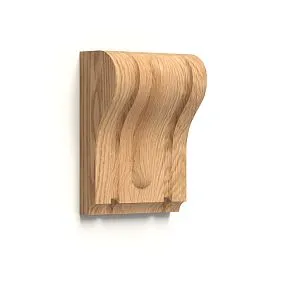
The company "Stavros" offers a wide range of solid wood products for creating magnificent frames — moldings, cornices, baseboards, and other decorative elements. High-quality materials, precision manufacturing, and attention to detail guarantee an outstanding result that will exceed your expectations and become a source of pride for many years.