Article Contents:
- 1. Main foundation: concept and idea
- 2. Color palette: the tone-setting play of shades
- 3. Images and photographs: visual beacons of ideas
- 4. Textures and materials: the tactile dimension of style
- 5. Typography: the symphony of fonts
- 6. Graphic elements and illustrations: visual accents and details
- 7. Inspirational elements: quotes, notes, associations
- 8. Final layout: balance and harmony of composition
- Conclusion
A moodboard is not just a collage of images; it is a powerful tool for bringing ideas to life, visualizing mood, and forming a project concept. If you want your project to burst with new colors and your concepts to become tangible reality, it’s time to understand what a true moodboard consists of. Let’s go through all the components of a moodboard together, and I’ll explain them as simply as possible, but with such flair and style that even the most demanding critics won’t be able to resist.




1. Main foundation: concept and idea
Before starting to collect images, textures, and colors, you need to clearly understand what your moodboard will be about. This is the foundation, the base upon which you build your entire composition. Ask yourself: 'What mood do I want to convey?', 'What image will represent my project?'
Pro tip: formulate your idea in a few short phrases. This will help you avoid getting lost in a sea of visual elements and choose only the most valuable ones.




2. Color palette: the tone-setting play of shades
Colors are the soul of a moodboard. They instantly evoke emotions and set the atmosphere. Here, it’s simple: choose one or two base colors and a couple of accent colors. These shades will intertwine on your collage, creating harmony and unity.
● Base colors: these define the overall mood — calm, warm, or cool?
● Accent colors: bright and bold, they make your moodboard memorable and stylish.
Don’t be afraid to experiment, because it’s precisely the bold colors that can turn a dull set of images into a work of art. Your moodboard should shout your mood!
Our factory also produces:


3. Images and photographs: visual beacons of ideas
No moodboard can exist without images. These can be photographs, magazine cutouts, screenshots, digital illustrations — anything that conveys your idea. The key is to choose images that are not just beautiful, but also expressive, evoking emotions and associations.
Pro tip: choose images that immediately capture attention. Let them tell the story of your project and highlight its uniqueness. After all, your audience should exclaim: 'Wow!'
Get Consultation
4. Textures and materials: the tactile dimension of style
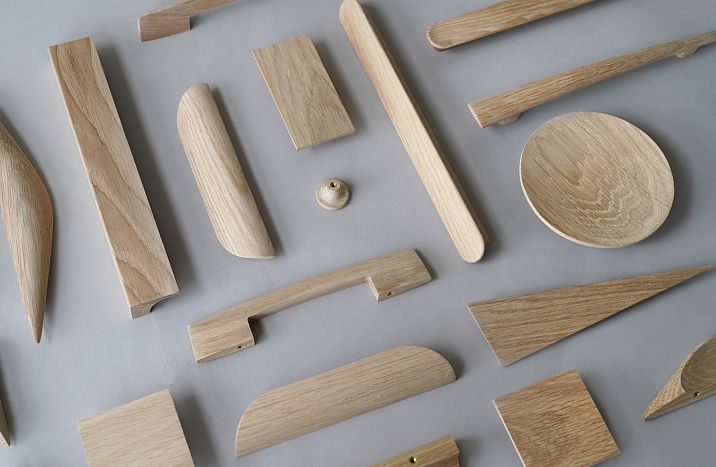
Visual perception is not only about color and shape, but also about the sensation of material. Include texture samples in your moodboard: smooth, rough, shiny, matte — everything that adds volume and depth to your project. These can be photographs of fabrics, wood, metal, or even wallpapers with interesting patterns.
Simple lifehack: add a couple of textured elements so your moodboard 'breathes'. They create a sense of presence and make the composition alive. Let everyone who looks at your moodboard almost feel the texture under their fingertips!
5. Typography: the symphony of fonts
Don’t forget about fonts! Typography is not just a set of letters — it’s a visual accent that can add character to your moodboard. Choose one or two fonts that will harmonize with the rest of the elements. They can be strict and minimalist, or, conversely, soft and refined, depending on the mood you want to create.
Style enthusiast tip: experiment with different font sizes and arrangements. Let text elements, if present, complement the overall picture without overwhelming it.
6. Graphic elements and illustrations: visual accents and details
Sometimes, simple images are not enough to convey the full depth of an idea. Add graphic elements, diagrams, drawings, or even abstract patterns to your moodboard. This can be something that emphasizes the composition’s dynamism and adds a unique touch to your project.
Creative tip: look for unconventional solutions, bold lines and shapes that can surprise. After all, a true moodboard is a place for experiments where banality has no place!
7. Elements of inspiration: quotes, notes, associations
Your moodboard can be not only visual but also textual. Add a few inspiring quotes, brief notes, or words that reflect your idea. This will help tie all components together and create a cohesive impression of the project.
Personal touch: if you have phrases that always motivate you, include them. Let your moodboard become a source of energy and a reminder of why you chose this creative path.
8. Final design: balance and harmony of composition
When all elements are gathered, it’s time to connect them into a unified whole. This process is similar to composing a musical symphony, where each instrument must play in harmony. Arrange the elements so that the composition is balanced, and the viewer’s eye can freely move across the moodboard, discovering new interesting details.
Main rule: don’t overload your moodboard. Leave some space so that important elements can breathe, and the overall picture doesn’t appear chaotic. This will give your creation a sense of lightness and style.
Conclusion
Moodboard components are the bricks from which you build your unique visual world. From vibrant color palettes to textures, fonts, and graphic elements — each component plays its role, making your moodboard a true work of art. Be creative, experiment, don’t be afraid to stand out, and, of course, stay true to yourself. Let your moodboard become not only a working tool but also a source of inspiration that motivates you to achieve new feats.
Create, combine, and craft with soul, because you — yes, you — are the architect of your visual world, and every detail in it matters!