Article Contents:
- Introduction: Inspiration and Planning
- The Role of Stairs in Interior Design
- Project Planning
- Stage 1: Selection and Preparation of Materials
- Stage 2: Design Development and Planning
- Sketch and Drawing Development
- Selection of Decorative Elements
- Stage 3: Preparation of Workspace and Tools
- Main List of Tools
- Stage 4: Fabrication of Primary Structural Elements
- Fabrication of Steps
- Fabrication of Posts and Railings
- Installation of Handrails
- Stage 5: Decorative Finishing and Installation of Accents
- Use of Decorative Elements
- Finishing and Painting
- Stage 6: Final Assembly and Safety Check
- Blending Classic and Contemporary Styles
- Role of Decorative Elements
- Practicality and Aesthetics
- Thorough Preparation
- Continuous Learning and Experimentation
- Consultations with Specialists
- Attention to detail
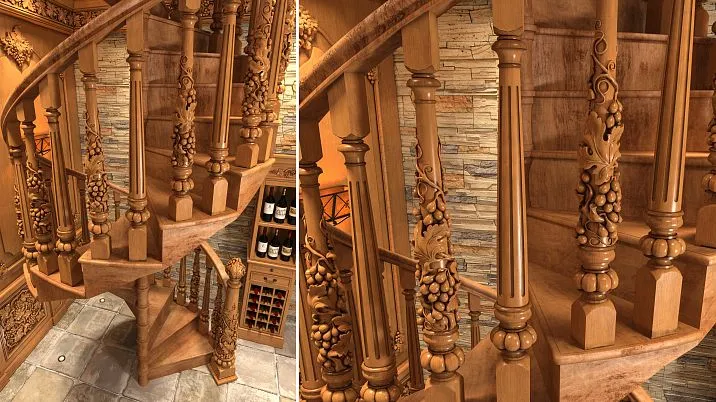
In a modern home, a staircase is not merely a functional means of moving between floors, but a central element of interior design that sets the tone for the entire space. Making a beautiful wooden staircase by hand or with professionals is a task that requires a creative approach, careful planning, and flawless knowledge of woodworking techniques. In this article, we will discuss all the nuances of creating an ideal wooden staircase, examine material selection, design specifics, and the role of decorative elements, such as %sRelief Decoration andPolyurethane DecorGet ready for an exciting journey into the world of craftsmanship, innovation, and traditions, where every detail matters.


Introduction: Inspiration and Planning
Every project begins with an idea, and a staircase is no exception. Before starting to build a staircase, it is important to clearly define your final result. A beautifully finished wooden staircase can become a home’s decoration, highlight its individuality, and create an atmosphere of coziness and warmth.




The Significance of a Staircase in Interior Design
A staircase is the home’s calling card. It connects not only floors but also unifies different interior design styles. From classic options to modern minimalist constructions — every staircase tells its own story. Remember that when choosing a staircase design, you must consider not only its functionality but also its harmonious integration with the overall home style.
Our factory also produces:



Project Planning
Before moving on to manufacturing, the following points must be considered:
● Design Concept. Determine the style you wish to implement: classic, modern, or perhaps eclectic. Draw inspiration from renowned designers and traditional solutions.
● Measurements and Calculations. Accurate measurements are the key to a successful project. You must calculate the height, width, and incline angle of the staircase to ensure comfort and safety.
● Budget. Calculate expenses for materials, tools, and, if necessary, specialist services. Do not compromise on quality — a quality staircase will serve for decades.
● Materials. The choice of wood, finishing methods, and decorative elements must meet both aesthetic and practical requirements.
By planning each stage of work, you create the foundation for a future masterpiece that will delight the eye and serve faithfully for many years.
Get Consultation
Main Stages of Creating a Wooden Staircase
Creating a staircase is a multi-stage process, where each stage plays its role in forming the final result. Let’s examine the main stages in more detail.
Stage 1: Selection and Preparation of Materials
One of the key factors for success is choosing high-quality materials. A wooden staircase must be strong, durable, and aesthetically pleasing. When selecting wood, pay attention to its grade, texture, and moisture content. Well-dried wood not only ensures the longevity of the structure but also highlights the natural beauty of the material.
In addition to wood, important roles are played by components and decorative elements. For example, to create an ideal structure, the following key elements are used:
● Staircase Components and Elements — base for mounting and assembly;
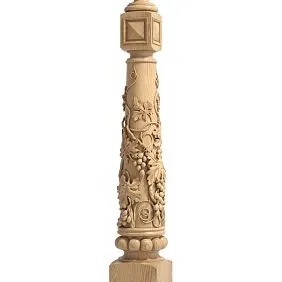
● Posts for staircase — support elements that provide structural stability;
● balusters for staircases — decorative and functional railings;
● stair railings — safety and additional style elements.
In addition, decorative elements such asRelief Decoration andPolyurethane Decorallow you to add individuality and emphasize the unique style of your staircase.
Stage 2: Design Development and Planning
After selecting materials, the planning stage follows. Here, it is important not only to draw an outline but also to carefully consider each element of the structure.
Sketch and Drawing Development
Creating a detailed drawing will help avoid errors during assembly. At this stage, the following are determined:
● Position of steps and landings.
● Dimensions and proportions of each element.
● Accuracy of measurements, which is critically important for the safety and comfort of staircase use.
Do not be afraid to experiment with shapes and curves if your interior allows a creative approach. A harmonious combination of classic lines and modern solutions can turn the staircase into a design centerpiece.
Choosing decorative elements
Decorative elements play a key role in decorating the staircase. They not only adorn the structure but also highlight its individuality. Use the following key words and links to obtain quality materials:
● Staircase Components and Elements
Also, do not forget about decorative accents:Relief Decoration andPolyurethane Decor will help create an elegant look that attracts attention.
Stage 3: Preparing the workspace and tools
Before beginning the staircase assembly, organize your workspace so that all tools and materials are within easy reach. A quality workbench, good lighting, and all necessary tools are essential for a successful project.
Main list of tools
● Saw — for cutting wood;
● Hand plane — for leveling and preparing surfaces;
● Sander — for finishing steps and railings;
● Drill and screwdriver — for fastening and assembling components;
● Measuring tools — tape measure, level, square.
Also prepare protective gear: safety glasses, gloves, and a mask. Working with wood requires care and adherence to safety measures.
Stage 4: Manufacturing main structural elements
Staircase assembly begins with manufacturing its main components: steps, railings, posts, and handrails.
Manufacturing steps
Steps are the foundation of any staircase. They must be not only strong but also aesthetically pleasing. Carefully process each detail, paying attention to surface smoothness and correct shape. Use a sander and hand plane to achieve perfect smoothness.
Manufacturing posts and railings
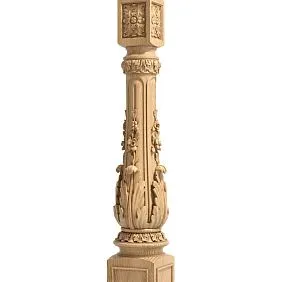
Posts for staircases play an important role in ensuring structural stability. They must withstand load and serve as support for railings and handrails. It is recommended to use only high-quality materials, andPosts for staircase with proven finishes will become a reliable foundation for your project.
Railings, in particularbalusters for staircases, give the staircase a finished look. They can be made in a classic or modern style, depending on the design concept. Do not skimp on the quality of railing fastening, as this affects the safety of use.
Installing handrails
Handrails for staircases are not only decorative elements but also an important part of safety. They must be comfortable, ergonomic, and able to withstand significant loads.stair railingsmust be installed at the correct height and in accordance with regulations to ensure comfortable use of the staircase.
Stage 5: Decorative finishing and installing accents
After assembling the main structural elements, it is time for decorative finishing. It is here that your staircase acquires its individuality and style.
Using decorative elements
To make your staircase a true work of art, it is recommended to use decorative elements such asRelief Decoration andPolyurethane DecorThese materials allow you to add unique patterns, ornaments, and accents to the construction, giving the item elegance and uniqueness.
Polyurethane decorative overlays not only decorate the staircase but also serve as additional protection for the surface, extending its service life. Such elements combine easily with classic wooden details, creating a harmonious and stylish look.
Finishing and Painting
The final stage is finishing and painting the staircase. Choose a varnish or stain that matches the color and texture of the overall interior. Carefully treat all surfaces to highlight the natural beauty of the wood. Multiple layers of protective coating may be applied to increase resistance to wear and mechanical damage.
Step 6: Final Assembly and Safety Check
After completing all assembly and finishing stages, perform the final installation of the staircase in the interior. Pay attention to the following points:
● Check the level and stability of the structure. Ensure all elements are securely fastened and the staircase has no play.
● Adjust handrails. Check ergonomic comfort and usability.
● Final inspection of finishing. Ensure the coating is evenly applied and there are no defects.
Thorough inspection will help avoid unpleasant surprises in the future and guarantee safe operation.
Design and Style: Modern Trends in Staircase Decoration
A beautifully designed wooden staircase is not only the result of quality work but also a reflection of modern design. In recent years, there has been a trend toward integrating traditional technologies with innovative solutions.
Blending Classic and Contemporary
Many designers strive to create structures that combine the warmth of classic wood with the purity of modern forms. This approach allows not only to preserve traditions but also to introduce elements of novelty and freshness into the interior. Usingstaircase components and elements made from solid natural wood guarantees durability and aesthetic appeal, while modern processing technologies allow achieving ideal shape and precision.
Role of Decorative Elements
, plays a significant role in staircase decoration. They can add individuality even to the simplest constructions. The versatility of decorative overlays allows selecting the optimal solution for any interior — from classic to ultra-modern.Relief Decoration andPolyurethane DecorIf you doubt your abilities, do not hesitate to consult professionals. Experienced architects and craftsmen will share valuable advice and help you avoid typical mistakes. The right balance of self-work and expert consultations guarantees the success of your project.
Practicality and Aesthetics
In addition to beauty, it is important that the staircase is practical and convenient to use. Every element of the structure must be carefully considered from the standpoint of ergonomics and safety. For example,stair railings not only give the appearance a finished look, but also provide necessary support when ascending and descending. Combine functional elements with decorative accents to achieve the ideal balance between aesthetics and comfort.
Tips for Masters and Beginners
If you have decided to make a beautiful wooden staircase yourself, pay attention to the following recommendations:
Thorough Preparation
● Conduct detailed measurements and calculations. Accuracy at each stage of work directly affects the final result.
● Use high-quality tools and materials. Do not cut corners on basics, as this affects the entire structure's longevity.
● Prepare your workspace so that all tools and materials are within easy reach.
Continuous Learning and Experimentation
Mastery requires continuous improvement. Do not be afraid to experiment with shape, color, and texture. Learn from professionals, draw inspiration from the works of renowned designers and craftsmen.
Consultation with Specialists
If you doubt your abilities, do not hesitate to consult professionals. Experienced architects and craftsmen will share valuable advice and help you avoid typical mistakes. The right balance of self-work and expert consultations guarantees the success of your project.
Attention to Details
Every detail matters. From the quality of connections to the smoothness of finishes — everything must be at the highest level. It is precisely these details that create the uniqueness and irreplaceability of your staircase.
Conclusion: Your path to a masterpiece
Creating a beautiful wooden staircase is a challenge that requires not only technical knowledge but also creative inspiration. It is a process in which traditional woodworking methods combine with modern technologies, allowing you to achieve a piece capable of becoming a true work of art.
Let your staircase become not just a functional element, but a focal point that will delight the eye and serve faithfully for decades. Use quality %sStaircase Components and Elements, Posts for staircase, balusters for staircases andstair railings, and do not forget about decorative accents such as %sRelief Decoration andPolyurethane Decor. Every element is thought out, every detail is important.
Immersing yourself in the process of creating a staircase, you not only improve your home but also develop your skills, approaching perfection. Your work will be duly appreciated, and the created piece will become a symbol of your craftsmanship and creative approach.
Remember, a true masterpiece is born from passion for the craft, careful preparation, and love for details. May your beautiful wooden staircase reflect your inner world, be a source of inspiration and pride. Create, experiment, learn from your mistakes, and never be afraid to dream bigger!
Thus, making a beautiful wooden staircase is not just repair or interior modernization, but a whole journey filled with creative discoveries, innovative ideas, and deep respect for traditions. It is a process in which every small detail, from carefully selected components to exquisite decorative finishing, plays an important role.
If you are ready to challenge the ordinary and create something truly unique, follow the recommendations described in this article, and remember: quality, attention to detail, and a creative approach are the key to success in any endeavor. Your home deserves better, and your staircase can become exactly the element that unites aesthetics, functionality, and individuality into one whole.
Creating your ideal wooden staircase not only enriches the interior but also leaves behind a piece that will delight you and inspire everyone who sees it. May your creativity be bold, and every step, every baluster, and handrail become a reflection of your skill and professionalism.
Never forget: every masterpiece begins with a small idea, then transforms into something great through effort, patience, and love for the craft. Make your staircase a symbol of beauty, coziness, and timeless elegance, and it will surely become a source of pride for your home and an object of admiration for guests.