Article Contents:
- Philosophy of natural material in home space
- Energy of living wood
- Psychological Impact of Natural Materials
- Variety of species: each tree tells its story
- Oak: symbol of strength and longevity
- Ash: harmony of strength and elegance
- Walnut: aristocracy of the wooden world
- Spruce: northern freshness in the home
- Processing technologies: traditions and innovations
- Modern methods of wood drying
- Joinery connections: art of reliability
- Finish coatings: protection and aesthetics
- Design solutions: styles and directions
- Classic elegance
- Scandinavian minimalism
- Modern eclecticism
- Functional diversity: from furniture to decor
- Furniture groups
- Decorative elements
- Small architectural forms
- Ecological aspects: responsible choice
- Sustainable forestry
- Durability as an ecological value
- Biodegradability and reuse
- Care and maintenance: preserving beauty for years
- Daily care
- Protection against damage
- Restoration and renewal
- Interior psychology: influence on well-being
- Biophilic design
- Sensory perception
- Acoustic comfort
- Innovations in traditional craftsmanship
- Digital technologies in design
- High-precision processing
- Ecological coatings
- Trends and prospects for development
- Personalization and customization
- Integration of smart technologies
- Sustainable development
- Conclusion: the art of living in harmony with nature
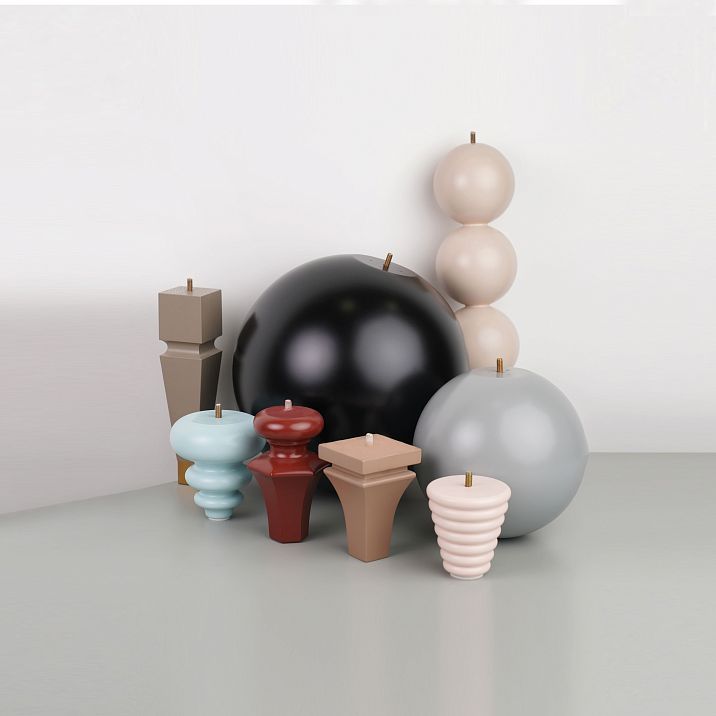
In a world of artificial materials and fleeting trends, items, made of natural woodbecome true gems of home space. Each item carries the soul of a century-old tree, its story of growth under sun and rain, memories of seasons and natural cycles. When a craftsman takes on work with natural solid wood, he does not simply create furniture—he gives a second life to living material, transforming it into a work of art.
Natural wood possesses a unique ability to transform space, filling it with warmth, coziness, and special energy. In an era of digital technologies and synthetic solutions, solid wood items become a bridge between humans and nature, creating harmony in modern homes.


Philosophy of natural material in home space




Energy of living wood
Each tree is unique, like a fingerprint. Annual rings tell the story of decades: dry and rainy years, frosty winters and hot summers. This information remains preserved in the wood structure even after processing, creating a unique character for each item.
Scientific research confirms: natural wood continues to "breathe" even in processed form. It regulates humidity in rooms, absorbing excess moisture during damp weather and releasing it back during dry days. This natural process creates a healthy microclimate and positively affects the well-being of household members.
Our factory also produces:


Psychological impact of natural materials
Touching a warm wooden surface activates ancient instincts embedded in human nature. Tactile sensations from contact with natural wood trigger a cascade of positive neurological reactions, reduce stress levels, and contribute to overall relaxation.
The color palette of natural wood—from delicate birch honey tones to deep chocolate veneer shades—creates visual comfort. These natural tones do not tire the eyes, do not irritate the nervous system, but rather soothe and set a positive mood.
Get Consultation
Variety of species: each tree tells its story
Oak: symbol of strength and longevity
Oak products embody strength and stability. The density of this species reaches 700 kg/m³, ensuring exceptional durability of finished items. The high tannin content in oak wood creates natural protection against moisture, fungi, and pests.
Oak's characteristic coarse texture with clearly visible annual rings creates a majestic decorative effect. The color range varies from light golden to rich brown tones, allowing to choose the ideal solution for any interior style.
Ash: harmony of strength and elegance
Ash wood combines high technical characteristics with an attractive appearance. Light tones with contrasting dark veins create a dynamic texture that enlivens even the most restrained interiors.
Ash's exceptional impact resistance allows creating thin, elegant elements without losing functionality. This species accepts various finishes well—ranging from natural oils to colored stains—while preserving the expressiveness of the natural grain.
Walnut: aristocracy of the wooden world
Walnut wood is considered one of the most noble species. Rich color palette—from light brown to deep chocolate tones—creates an atmosphere of luxury and refinement. Wavy fiber structure forms unique decorative effects.
Stability of dimensions and excellent workability make walnut ideal for creating complex shapes and delicate decorative elements. Walnut solid wood items become focal points in interior design, drawing attention with their natural beauty.
Spruce: northern freshness in the home
Spruce products bring to the home the atmosphere of coniferous forests and mountain air. Light wood with characteristic resin veins creates a sense of spaciousness and lightness. Natural resins have antiseptic properties, purifying the air and creating a healthy atmosphere.
Softness of spruce wood allows craftsmen to create items with delicate carving and refined decorative elements. At the same time, proper processing ensures durability and resistance to external influences.
Processing technologies: traditions and innovations
Modern methods of wood drying
The quality of the finished product is established at the stage of raw material preparation. Chamber drying under controlled temperature and humidity parameters allows reducing wood moisture to optimal 8-10%. This prevents subsequent deformations and ensures geometric stability.
The stabilization process includes removing internal stresses in wood using special technological regimes. Gradual drying with smooth parameter changes preserves all valuable properties of natural material.
Joinery connections: art of reliability
Strength of items, made of natural woodto a large extent depends on the quality of connections. Traditional methods—dovetail, butterfly joint, and pegged joints—ensure maximum reliability without using metal elements.
Modern equipment allows creating connections with precision down to tenths of a millimeter. CNC routers ensure perfect fitting of elements, eliminating gaps and ensuring long-term durability of the structure.
Finish coatings: protection and aesthetics
Choosing a finish coating is critically important for the appearance and longevity of wooden items. Natural oils and waxes highlight the natural beauty of wood, preserving its ability to 'breathe' and regulate humidity.
Modern polyurethane formulations create a durable protective film resistant to moisture, stains, and mechanical damage. At the same time, the latest formulas preserve the natural appearance of wood and do not compromise the eco-friendliness of the item.
Design solutions: styles and directions
Classic elegance
Classic style implies the use of traditional forms, time-tested proportions, and noble decorative elements. Items in classic style are characterized by symmetry of compositions, refined details, and a sense of grandeur.
Carved elements, patination, inlays — these techniques transform furniture items into works of art. Using dark noble woods emphasizes the status and respectability of the interior.
Scandinavian minimalism
Northern aesthetics value simplicity of form, functionality, and closeness to nature. Items made of natural wood in Scandinavian style, are characterized by minimalist lines and the absence of excessive decoration.
Light wood species — birch, pine, beech — are processed minimally, preserving their natural texture and color. Matte finishes highlight the material's naturalness and create tactile comfort.
Modern Eclecticism
Modern style allows experimenting with forms, combining different materials, integrating technological novelties. Wooden elements can be complemented with metallic details, glass inserts, LED lighting.
Asymmetric compositions, non-standard proportions, contrast play — all this expands designers' possibilities and allows creating unique interior solutions.
Functional diversity: from furniture to decor
Furniture groups
Solid wood bedroom furniture creates a unique atmosphere of rest and rejuvenation. Beds, nightstands, dressers made of natural wood are not only functional but also positively affect sleep quality due to their ability to regulate air humidity.
Kitchen furniture requires a special approach to material selection and finishing. Hardwood species with quality protective coatings ensure longevity under conditions of high humidity and temperature fluctuations.
Decorative elements
Carved panels, moldings, and cornices made of natural wood can radically change the character of the interior. These elements complete the designer's concept and emphasize the stylistic unity of the space.
Wood carving is an ancient art that acquires a new sound in the hands of modern masters. Traditional ornaments intertwine with contemporary forms, creating unique decor.
Small architectural forms
Stairs, railings, columns made of solid wood become architectural focal points of the space. Each element can be unique, creating an irreplaceable artistic image of the entire room.
Modern processing technologies allow creating structures of the most complex forms — spiral staircases, cantilevered steps, floating elements. At the same time, both aesthetic appeal and structural reliability are ensured.
Ecological aspects: responsible choice
Sustainable Forestry
Choosing products made from certified wood contributes to preserving planetary forest resources. The FSC certification system guarantees that the material is sourced from managed forests in compliance with ecological standards and social responsibility.
Local wood species have a smaller carbon footprint due to reduced transportation costs. Supporting regional manufacturers contributes to economic development and preservation of traditional crafts.
Durability as an ecological value
Quality items, made from natural wood, serve for decades, requiring no replacement and generating no waste. This is fundamentally different from furniture made from composite materials with a short lifespan.
The possibility of repairing and restoring wooden furniture extends its service life and reduces the need to produce new items. Even serious damage can be remedied by professional restorers.
Biodegradability and reuse
Unlike synthetic materials, wood is fully biodegradable and does not harm the environment during disposal. Old wooden items often find new applications in creative projects or safely return to the natural cycle.
Care and maintenance: preserving beauty for years
Daily Care
Maintaining the beauty of natural wood items does not require complex procedures. Regular cleaning with a soft dry cloth removes dust and prevents its accumulation in wood pores.
For wet cleaning, use a slightly damp cloth and immediately dry the surface. It is important to avoid aggressive cleaning agents that may damage the protective coating.
Protection against damage
Using trivets for hot items, protective mats, and cutting boards protects wooden surfaces from damage. Placing furniture away from direct sunlight and heating appliances prevents drying and cracking.
Maintaining stable humidity in the room contributes to the longevity of wooden items. In dry rooms, it is recommended to use air humidifiers.
Restoration and renewal
One of the main advantages of items, made of natural wood, is the possibility of their restoration. Minor scratches are removed with special wax-based compounds, and dull surfaces are refreshed with polishing agents.
Severe damage requires professional intervention, but even in such cases, a wooden item can be fully restored, often gaining additional uniqueness and character.
Interior Psychology: Impact on Well-being
Biophilic Design
Humans are genetically linked to nature, and the presence of natural materials in living spaces positively affects physical and mental health. Wooden surfaces activate ancient instincts, creating a sense of safety and comfort.
Studies show: people living in environments with natural materials demonstrate higher productivity, creativity, and stress resistance. Solid wood items contribute to creating a healthy atmosphere in the home.
Sensory Perception
Touching a natural wooden surface creates unique tactile sensations. The warmth of wood, its natural texture, and subtle aroma form a multisensory experience unavailable with artificial materials.
Different wood species possess unique tactile characteristics: the smoothness of maple, the pronounced grain of oak, the silkiness of walnut. Choosing a specific species allows creating desired sensory impressions.
Acoustic Comfort
Natural wood possesses special acoustic properties. It absorbs excess sound, creating a more comfortable acoustic environment, yet does not completely mute, preserving the liveliness of the space.
Wooden surfaces create a unique acoustics in a room, making sounds softer and more pleasant. This is especially important in bedrooms, offices, and children's rooms.
Innovations in Traditional Craftsmanship
Digital Technologies in Design
Modern production uses advanced design technologies. 3D modeling allows seeing the finished product before work begins, making necessary adjustments, assessing aesthetics and functionality.
Parametric design automatically adjusts the entire structure when one parameter changes. This allows quickly adapting the design to specific needs and room dimensions.
High-Precision Processing
CNC machines provide precision in processing unattainable by manual labor. Milling complex profiles, creating ideal joints, processing curved surfaces — all this is performed with exquisite accuracy.
Laser processing opens new possibilities for decorating wooden surfaces. Engraving of any complexity, creating delicate patterns, personalizing items — modern technologies expand creative horizons.
Ecological Finishes
The development of 'green' technologies has led to the emergence of environmentally friendly finishing coatings. Water-based varnishes without volatile organic compounds, natural oils with UV protection, biodegradable stains — all this makes products absolutely safe.
Trends and Development Prospects
Personalization and Customization
Modern consumers value uniqueness and the ability to adapt items to their needs. Mass customization allows creating individual solutions without significant increases in production costs.
Choosing wood species, type of processing, dimensions, and decorative elements allows creating an item fully matching the client's tastes and needs.
Integration of smart technologies
Modern Wooden items may include advanced technologies seamlessly integrated into traditional forms. Wireless charging in countertops, LED lighting in shelves, touch control systems — all this expands functionality.
Smart furniture can adapt to user needs: adjust table heights, change lighting, control microclimate. Meanwhile, technologies remain invisible, preserving the aesthetics of natural material.
Sustainable development
Ecological trends are shaping the future of the woodworking industry. Use of renewable energy sources, implementation of zero-waste technologies, development of local production — all this makes wooden products even more eco-friendly.
Blockchain technologies allow tracking the origin of wood from the forest to the finished product, ensuring full transparency of the supply chain and guaranteeing the legality of material harvesting.
Conclusion: The Art of Living in Harmony with Nature
Items, made of natural woodThese are not just interior items, but a philosophy of life in harmony with nature. Each piece carries a fragment of living wood, its energy, history, and unique beauty.
In a world of rapid technological changes and synthetic materials, natural wood remains a symbol of stability, quality, and connection to nature. Choosing wooden items means investing not only in beauty and functionality, but also in family health and planetary ecological well-being.
Modern technologies allow us to fully unleash the potential of natural materials, creating items that combine traditional beauty with contemporary functionality. Precision processing, innovative coatings, integration of smart technologies — all serve one purpose: to preserve and highlight the natural beauty of wood.
The ecological advantages of natural wood are becoming increasingly relevant in the context of global challenges. By choosing renewable materials, supporting responsible forestry, and investing in durable items, we contribute to a sustainable future for the planet.
STAVROS embodies the best traditions of woodworking in every project. Deep understanding of the properties of various wood species, mastery of both traditional and modern processing technologies, and an individual approach to each order — all of this makes STAVROS a reliable partner in creating unique living spaces.
STAVROS masters understand that working with natural wood is not merely a manufacturing process, but a creative dialogue with the natural material. Each item is created with an understanding of its role in people’s lives, with respect for craftsmanship traditions, and a pursuit of perfection.
Choosing STAVROS means choosing quality proven over time, ecological responsibility, individual approach, and limitless possibilities for realizing the boldest design ideas. This is an investment in beauty, comfort, and harmony that will delight for many years.