Article Contents:
- First Impressions: Atmosphere of a True Salon
- Architecture of Emotions
- Exhibition Design
- Culture of Service
- Philosophy of Space: How Magic is Created
- Concept of bella vita
- Regional Characteristics
- Temporal Dimensions
- Collections and Styles: From Classic to Avant-Garde
- Classic Directions
- Modern Interpretations
- Avant-Garde Experiments
- Consultation Mastery: The Art of Understanding the Client
- Needs Diagnostics
- Educational function
- Creative Collaboration
- Technology of the Modern Salon
- Virtual Reality and 3D Modeling
- Configurators and Personalization
- Digital Ecosystem
- Luxury Logistics: From Order to Installation
- Made-to-Order Production
- Logistical solutions
- Installation and Setup
- Investments in Beauty: Pricing and Financing
- Cost structure
- Financing Models
- Insurance and warranties
- Industry Evolution: Trends and Prospects
- Technological Integration
- Ecological Imperatives
- Personalization and customization
- Conclusion: The Art of Creating a Perfect Home

Entering the Present Italian furniture showroomHere, you cross an invisible boundary between the ordinary and the art. Here, every item is not merely a functional element of interior design, but a manifestation of centuries-old craftsmanship traditions, passion for perfection, and the philosophy of bella vita. What transforms an ordinary trading space into a sanctuary of beauty and style?
A modern Italian furniture salon is a symphony of light, textures, and forms, where each note resonates in harmony with the others. It is a place where time slows down, allowing you to feel the true value of quality, where every touch of noble wood or soft leather tells the story of the masters who created these masterpieces.
But how to distinguish a genuine salon from an ordinary furniture store? What secrets lie behind impeccably organized exhibitions? And why does visiting such a place become not just a purchase, but a true journey into the world of Italian culture and traditions?


First Impressions: Atmosphere of a True Salon
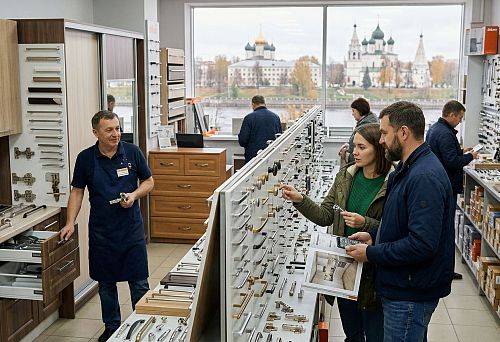
Magic Italian furniture showroom It begins at the threshold. There is no rush or bustle of a typical shopping mall. Instead — measured elegance that immediately sets a special tone. The sounds of the city remain outside the door, while inside reigns an atmosphere of refined tranquility.




Architecture of emotions
The layout of space in a professional showroom follows the laws of scenography. Each hall is a separate story told through the language of forms and colors. High ceilings create a sense of spaciousness and grandeur, while thoughtful zoning allows each collection to fully express itself.
Lighting plays the role of an invisible director of this theater of beauty. Warm light highlights the golden tones of walnut wood, while cool light reveals the sophistication of chrome details in modern furniture. The interplay of light and shadow creates depth, making flat surfaces alive and tangible.
Acoustic treatment is equally important. Soft carpets and textile panels absorb excess sound, creating an intimate atmosphere for unhurried dialogue between the client and consultant. Light background music — classical or contemporary — complements the overall mood without distracting from the main focus.
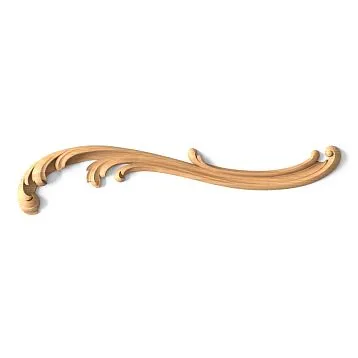
Our factory also produces:


Exhibition scenography
Furniture and interior items Presented not as warehouse stock, but as actors on stage. Each composition is meticulously crafted: color combinations, scale play, balance of fullness and emptiness. Professional decorators create mise-en-scène that helps customers envision how this furniture will look in a real interior.
Accessories play the role of décor: paintings, vases, lamps, books create the context in which furniture attains its true beauty. These are not random items, but carefully selected elements that highlight the style and character of each collection.
Paths between exhibits are planned as a journey of discovery. They guide visitors from one revelation to another, creating a narrative of perception. Wide aisles allow for viewing the entire composition, while narrow ones focus attention on details.
Get Consultation
Service culture
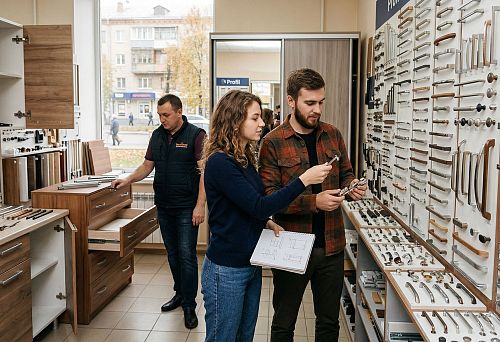
Staff of a true showroom are not merely salespeople, but consultant-experts passionate about their craft. They do not push sales, but help reveal beauty, explain stylistic nuances, and tell stories of creation. Their knowledge extends far beyond catalogs — they understand design philosophy, are knowledgeable about materials, and sense client needs.
Individual approach is the foundation of professional showroom work. There are no ready-made solutions for everyone — each client has a unique path. The consultant becomes a guide through a world of possibilities, helping to find exactly what will perfectly suit a specific person and their home.
Philosophy of space: how magic is created
Successful Italian furniture showroom is built on a deep understanding of Italian culture and mentality. This is not merely a commercial enterprise, but a meeting place of traditions and modernity, where every element carries meaningful content.
Concept of bella vita
Italian philosophy of 'beautiful life' permeates every corner of a true showroom. Here, they do not simply sell furniture — they offer a lifestyle where beauty and comfort go hand in hand. Classic Furniture Presented as a way to create a home filled with history and traditions, where every morning begins with touching something beautiful.
This philosophy is reflected in every detail: from the choice of materials for the showroom’s finish to the way coffee is served to clients. Everything must be not only functional, but beautiful; not only comfortable, but inspiring.
Regional characteristics
A professional showroom does not limit itself to general perceptions of Italian style, but reveals the richness of regional traditions. Venetian opulence with its refined curves and gilded details coexists with the minimalist elegance of Milanese design. Tuscan rustic charm with its naturalness and warmth contrasts with the refinement of Neapolitan classicism.
Each regional collection is presented in its appropriate context. Tuscan furniture is surrounded by natural materials — stone, terracotta, raw wood. Venetian pieces sparkle amidst mirrors and crystal. Milanese samples are displayed in minimalist spaces, where clean lines and perfect proportions take center stage.
Temporal dimensions
A true showroom knows how to work with time as a material. Antique pieces coexist with modern interpretations of classical forms, creating a dialogue between eras. Furniture in Baroque style The 18th century inspires contemporary designers to create new masterpieces that preserve the spirit of the era while adapting to modern needs.
Exhibitions are constructed not only by stylistic, but also by chronological principles. Visitors can trace the evolution of Italian design from the Renaissance to the present day, understanding how forms, materials, and technologies changed, yet remained constant in their pursuit of beauty and attention to detail.
Collections and styles: from classicism to avant-garde
Assortment Italian furniture showroom — is an encyclopedia of styles and directions, where each page opens new horizons of beauty. A professional approach to forming collections requires deep knowledge of art history, understanding of current trends, and a sense of perspective.
Classic directions
Historical furniture occupies a special place in any serious showroom. These are not museum exhibits, but living pieces capable of adorning a modern home. Baroque commodes with their lavish forms and rich ornamentation create an atmosphere of palace opulence. Neoclassical secretaire with their strict proportions and noble restraint evoke the era of enlightenment.
Solid wood furniture Presented in all varieties of species and finishing techniques. Walnut with its noble texture, oak with its monumentality, chestnut with its warmth — each species tells its own story. Artificial aging techniques allow new furniture to acquire the soul of vintage, while modern processing methods guarantee durability and practicality.
Inlay, marquetry, wood carving — all these ancient techniques continue to live in the works of modern masters. Each pattern has its meaning, each ornament carries symbolic weight. A professional consultant can tell the story of any decorative element, explain its significance and origin.
Modern Interpretations
Modern Italian furniture does not reject tradition, but creatively reinterprets it. Classic forms acquire a new sound thanks to innovative materials and technologies. Glass, metal, composite materials enter into dialogue with traditional wood, creating unique combinations.
Italian minimalism is not merely the absence of decoration, but concentrated elegance. Every line is precisely calibrated, every proportion perfect. The simplicity of forms is compensated by the sophistication of materials and flawless execution.
21st-century neoclassicism preserves the core principles of historical style, but adapts them to modern needs. Modern Beds may have classical proportions but be equipped with orthopedic bases and adjustment systems. Dining tables retain their formal shapes but receive practical finishes resistant to damage.
Avant-garde experiments
The most daring designers are not afraid to experiment with forms, materials, and functions. Furniture-sculpture, furniture-installation, furniture-transformer — all these directions are presented in progressive showrooms. Such items are purchased not only for use, but also as works of art.
Eco-design is becoming increasingly relevant. Furniture made from recycled materials, use of renewable resources, zero-waste production technologies — all this reflects the growing ecological awareness of both manufacturers and consumers.
Smart furniture integrates technology into classic forms. Tables with wireless charging, cabinets with climate control, beds with sleep monitoring systems — the future has arrived, and it speaks Italian.
Consultation mastery: the art of understanding the client
Professional consultation in Italian furniture showroom — is a delicate art requiring not only deep knowledge of the product, but also understanding of the client’s psychology, needs, lifestyle, and aesthetic preferences.
Needs diagnosis
An experienced consultant begins work not with product presentation, but by studying the client. What is his home like? How does he live? What does he value in interior design? Does he have children? Pets? How often does he host guests? All these questions help create a portrait of the future furniture owner and select optimal solutions.
Stylistic preferences are revealed not through direct questions, but through presenting various options and observing reactions. An experienced professional sees how the client reacts to different styles, which details attract his attention, and what he avoids. This information is far more valuable than any questionnaire.
Budget constraints are discussed delicately, without pressure. A good consultant can offer solutions across any price range, without diminishing the value of more affordable options. Sometimes a creative approach allows achieving the desired effect with fewer resources.
Educational function
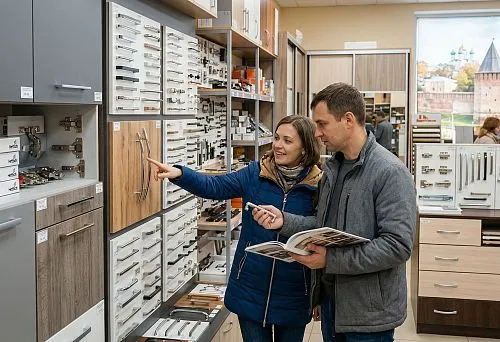
A true professional does not merely sell furniture, but educates the client. He explains differences in materials, clarifies advantages of various constructions, helps understand the value of quality furniture hardware. This knowledge helps the client make an informed choice and avoid disappointments in the future.
The history of creating items, designer biographies, production technologies — all this makes the purchase more meaningful. The client buys not just a chair, but a creation by a specific master, made using a particular technology and selected materials.
The consultant explains the care requirements for different materials, provides usage recommendations, warns of potential problems and ways to resolve them. This information helps maintain furniture in perfect condition for many years.
Creative collaboration
Top consultants do not limit themselves to presenting ready-made solutions, but become co-authors of unique projects. They help adapt standard models to specific conditions, propose unconventional combinations, and create individual compositions.
The selection process becomes a creative dialogue, where unexpected ideas are born. Sometimes a randomly noticed detail becomes the starting point for creating an entire interior concept. A professional knows how to support such moments of inspiration and develop them into practical solutions.
Long-term relationships with clients allow projects to develop gradually, adding new elements, modifying existing ones, creating evolving interiors that grow alongside the owners’ needs.
Technologies of modern showroom
The digital revolution has fundamentally changed the work of furniture showrooms. Modern technologies do not replace human interaction, but complement it, making the selection process more visual, precise, and convenient.
Virtual reality and 3D modeling
VR technologies allow clients to "enter" a virtual copy of their home and see how selected furniture will look in real scale. This is especially important when choosing large items — sofas, wardrobe systems, kitchen sets. Virtual try-on eliminates errors in scale and proportions.
3D modeling helps create individual projects with millimeter precision. Clients can view the future interior from all angles, assess lighting and shadow effects, understand how different elements will interact. The ability to make real-time changes makes the design process interactive and engaging.
Augmented reality through mobile apps allows clients to "try on" furniture in their home using a smartphone or tablet camera. Clients can photograph their room and see how the selected item will look inside.
Configurators and Personalization
Interactive configurators allow clients to independently create unique furniture variants by choosing from numerous options. Dimensions, materials, colors, hardware — all can be combined in thousands of variations, creating items perfectly suited to individual needs.
Personalization systems remember client preferences and suggest relevant options during subsequent visits. Artificial intelligence analyzes user behavior and generates personalized recommendations, taking into account style, budget, and functional requirements.
Virtual catalogs contain not only images but also interactive elements: the ability to disassemble an item into components, study its construction, watch videos of the manufacturing process, and read reviews from other buyers.
Digital Ecosystem
Modern showroom integrates into the client's digital ecosystem. Mobile apps allow continuing the home selection process, saving preferred options, sharing them with loved ones, and receiving online consultations.
CRM systems track the entire interaction history with the client, enabling consultants to provide personalized service. Information about previous purchases, preferences, and special requirements is accessible to any showroom staff member.
Integration with smart home systems allows furniture to become part of a unified technological environment. Lighting, climate control, multimedia — all can be managed through a single system, including furniture.
Luxury Logistics: From Order to Installation
The delivery and installation process of Italian furniture requires a special approach. This is not merely transporting goods, but a complex operation where each stage must match the quality level of the furniture itself.
Made-to-Order Production
Most Italian furniture items are made to order, allowing for consideration of individual client preferences, but requiring careful planning. Production times vary from several weeks for simple items to several months for complex projects with handcrafted finishes.
Quality control begins even during the production stage. Showroom representatives regularly visit factories, monitor technology compliance, check against samples. Each item is photographed at various manufacturing stages, allowing the client to follow the process.
Packaging for transportation is a separate art. Each item is individually packaged using special materials protecting against vibrations, moisture, and temperature fluctuations. Especially valuable items are transported in wooden crates with controlled microclimate.
Logistical solutions
Italian furniture international logistics requires coordination of multiple participants: manufacturers, transport companies, customs brokers, insurance agents. A professional showroom has refined delivery schemes minimizing risks and delivery times.
Warehouse logistics requires specialized climate-controlled facilities. Furniture cannot be stored in ordinary warehouses — it requires specific temperature, humidity, dust, and light protection. Some items require periodic inspection and maintenance even during storage.
Urban logistics takes into account the specifics of delivering large items in densely built areas. Narrow streets, time movement restrictions, need to lift items to upper floors — all this requires special planning and equipment.
Installation and Setup
Installing Italian furniture is a job for highly skilled professionals. Assemblers undergo specialized training at manufacturers' facilities, studying construction specifics, materials, and hardware. They are skilled in working with delicate surfaces, complex mechanisms, and unusual connections.
Tools and materials for assembly must also match the furniture's level. Special bits for premium hardware, protective films for polished surfaces, professional cleaning agents for final polishing — all are part of the master's toolkit.
Setup and adjustment are the final installation stage. Doors must close silently, drawers must slide smoothly, transformation mechanisms must operate easily and precisely. The master checks each element, performs fine adjustments if needed, and explains the client the specifics of operation.
Investments in Beauty: Pricing and Financing
Purchasing Italian furniture is a serious investment requiring a thoughtful approach to financing. Understanding pricing principles will help make the optimal choice and avoid overpaying.
Cost Structure
The price of Italian furniture consists of multiple components. Material costs may account for up to 40% of the final price. Premium wood species, top-grade natural leather, handcrafted bronze hardware — all significantly affect the cost.
Labor costs for manufacturing vary depending on the item's complexity. A simple chair may be assembled in a few hours, while an intricately carved chest with inlays requires weeks of meticulous work. The craftsman's qualification also affects the cost: work by a master of the highest rank is accordingly valued.
Design and development constitute a significant part of the cost of exclusive items. Work by a renowned designer, creation of unique forms, development of new technologies — all are reflected in the final product's price.
Logistics costs include transportation from Italy, customs clearance, insurance, storage, and delivery to the client. For particularly valuable items, these costs may constitute a significant portion of the price.
Financing Models
Installment from the showroom — the most popular way to finance furniture purchase. Many showrooms offer interest-free installment plans ranging from 6 to 24 months, making the purchase more accessible. Installment terms depend on the purchase amount, customer reputation, and the specific showroom’s policy.
Bank financing provides broader financing options. Consumer loans, credit cards with a grace period, targeted loans for furniture purchase — banks offer various programs. Some showrooms have partnerships with banks, allowing customers to obtain loans under favorable terms.
Furniture leasing — a relatively new tool allowing the use of expensive furniture with the option of subsequent purchase. This scheme is especially attractive for business clients, who can deduct leasing payments as expenses.
Insurance and Warranties
Insurance for expensive furniture — a sensible precaution, especially during transportation and the first years of use. Insurance companies offer specialized policies covering various risks: damage during transport, theft, fire, flooding.
Manufacturer warranty obligations vary depending on the type of furniture and materials. Structural components typically come with a warranty of 2 to 10 years, hardware — 1 to 5 years, upholstery materials — 6 months to 2 years.
Extended warranty service may include regular preventive inspections, minor repairs, and replacement of worn components. Such programs are especially relevant for furniture with transformation mechanisms or complex hardware.
Industry Evolution: Trends and Prospects
The furniture industry is rapidly evolving under the influence of technological innovations, changes in consumer lifestyles, and environmental requirements. Italian furniture showroom It must not only monitor these trends but also anticipate them.
Technological integration
The Internet of Things transforms furniture into intelligent devices. Tables with touch surfaces, beds with sleep monitoring, wardrobes with automatic ventilation — this is no longer science fiction but reality. Showrooms must be prepared to advise on the setup and use of such tech-furniture.
Artificial intelligence helps optimize not only sales but also the use of furniture. Machine learning systems analyze user habits and automatically adjust furniture settings for maximum comfort.
Robotics is increasingly applied in furniture manufacturing, enabling previously impossible precision in processing while preserving the uniqueness of each item. Robots do not replace craftsmen but enhance their capabilities.
Ecological imperatives
Sustainable development has become not a fashionable trend but a necessity. Consumers are increasingly mindful of the environmental aspects of their purchases. Showrooms should offer furniture made from eco-friendly materials, produced with minimal carbon footprint.
Circular economy — a closed-loop economy — implies material reuse, repair instead of replacement, upcycling of old items. Trade-in programs, restoration services, creative recycling — all of this is becoming part of the service offered by progressive showrooms.
Local production is gaining popularity as a way to reduce environmental impact and support the local economy. Showrooms increasingly offer furniture from local manufacturers working with Italian technologies and quality standards.
Personalization and Customization
Mass customization allows offering individual solutions at the prices of mass production. Modular systems, configurators, 3D printing of parts — technologies make personalization accessible to a broad range of consumers.
Biometric data is used to create furniture ideally suited to a specific individual. Chairs replicating body contours, tables of optimal height, beds with individual firmness zones — the future of furniture will be strictly personalized.
Emotional personalization takes into account not only physical but also psychological characteristics of users. Colors, shapes, textures are selected based on their emotional impact on a specific individual.
Conclusion: The Craft of Creating a Perfect Home
In a world where speed often matters more than quality, and quantity is valued above uniqueness, Italian furniture showroom there remains an island of other values. Here, time stands still, allowing one to feel true beauty, touch real craftsmanship, make a choice that will delight for decades.
Visiting such a showroom is not just a purchase, but an initiation into the secrets of creating a beautiful home. Every item here has its own story, every detail carries meaning, every decision is thought out to the smallest detail. This is a place where dreams of a perfect interior take concrete forms and become reality.
Choosing Italian furniture means choosing a philosophy of life where beauty and functionality are inseparable, where traditions and innovations complement each other, where each day begins with a touch of the beautiful. This is an investment not only in interior design, but also in quality of life, in emotions that will accompany us for many years.
The modern market offers many alternatives to traditional Italian furniture. Russian manufacturers have learned to create items that do not fall short of foreign examples in quality, and in many aspects even surpass them. The key is to find the craftsman who understands the essence of the Italian approach to furniture making.
The company STAVROS has become a bright example of how Russian production can embody the best traditions of Italian furniture art. Every item created by STAVROS masters carries the spirit of Italian bella vita — beautiful life, where every detail matters.
STAVROS does not copy Italian samples but creatively reinterprets them, creating furniture ideally suited to Russian operating conditions and aesthetic preferences. Harsh winters, dry air during the heating season, peculiarities of domestic housing layouts — all of this is taken into account when designing each collection.
STAVROS’s own production is equipped with modern equipment enabling precision comparable to the best European standards. But the company’s greatest treasure is its team of masters who treat their work as an art. Every carpenter, every upholsterer invests not only professional skills but also a part of their soul into creating furniture.
STAVROS selects materials with the same care as Italian masters. Solid wood of noble species, top-quality natural leather, hardware from leading European manufacturers — each component meets the strictest quality standards.
STAVROS designers create collections that harmoniously blend Italian elegance with practicality and functionality. This is furniture for people who appreciate beauty but also understand the importance of comfort in everyday life.
By choosing STAVROS, you get not only high-quality furniture but also a full range of services: from interior design to after-sales service. The company builds long-term relationships with clients, helping to create homes that become sources of joy and inspiration for many years.