Article Contents:
- Introduction: The Significance of the Furniture Industry
- Historical Overview: From Craft to the Digital Age
- Craftsmanship Roots of Furniture Production
- Industrial Revolution and Transition to Mass Production
- Digital Revolution: New Opportunities for the Furniture Market
- Market segmentation
- Premium Segment
- Mass Segment
- Specialized Products
- Import-Export Sector
- Role of Manufacturers and Suppliers
- Key Economic Indicators
- Growth Dynamics and Challenges
- Changes in Lifestyle and Consumer Demands
- Influence of Traditions and Culture
- Production digitization
- Software for Furniture Design and Production
- Innovative Materials and Sustainable Production
- Entering the Global Market
- International Cooperation and Standards
- Digital Marketing and SEO
- Branding and positioning
- Traditional Marketing Methods
- Ecological Standards and Sustainable Production
- Corporate social responsibility
- Technological Innovations and the Future of Production
- Changes in Consumer Behavior
- Global Development Scenarios
The furniture market today represents a complex, multifaceted, and dynamically evolving industry where traditional craftsmanship intertwines with cutting-edge digital technologies, and quality, design, and functionality of products become the main criteria for success. From exclusive classic furniture to mass-market models for the general consumer — each market segment imposes its own requirements on materials, manufacturing technologies, and marketing strategies. In this article, we will thoroughly examine the furniture products market, its history, current state, key trends, challenges, and development prospects. We will strive to engage your audience, presenting everything as it is, sometimes with a challenge, and sometimes softening the tone to convey to you the full complexity and beauty of this industry.
Learn more about furniture solutions and trends on the Stavros website


Introduction: The Significance of the Furniture Industry
The modern furniture products market is not merely a collection of goods produced and sold worldwide. It is an entire ecosystem where every detail matters: from raw materials and manufacturing technologies to marketing strategies and consumer preferences. Today, the consumer seeks not only functional solutions for interior design but also products that reflect their individuality, aesthetic taste, and cultural values.
Under conditions of globalization, digital transformation, and continuous improvement of production processes, the most important aspects remain concepts such as furniture manufacturing technology, classic furniture, traditional furniture, and furniture in classic style. It is precisely these traditions and innovative approaches that help create products that withstand the test of time and win the trust of discerning audiences.
In this article, we will consider:
● Historical development of the furniture market: from crafts to digital technologies.
● Current state of the industry, structure of segments, and economic indicators.
● Trends in consumer demand and changes in preferences.
● Role of innovations, automation, and software solutions in improving product quality.
● Global challenges, environmental responsibility, and social aspects.
● Development prospects and forecasts for the future of the furniture industry.




Historical overview: from craftsmanship to the digital age
Our factory also produces:


Craftsmanship roots of furniture production
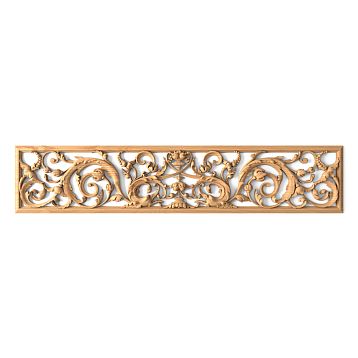
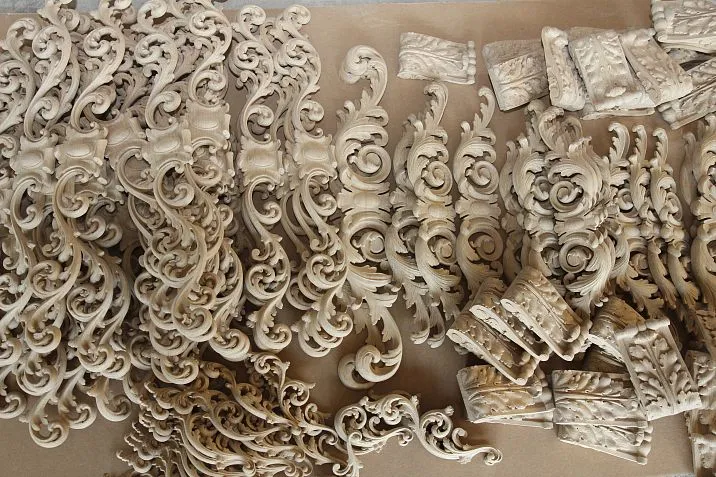
The history of furniture items begins long before mass production. In ancient times, artisans possessing unique craftsmanship skills created the first items from wood, leather, and metal. Each detail was handmade, ensuring a unique character and high quality of the products. It was precisely during this period that traditions emerged, which later became the foundation of furniture manufacturing technology.
Handicraft was closely linked to cultural and regional characteristics. Each country, region, or even city had its own unique styles and methods of material processing. These traditional methods allowed creating items that served not only practical purposes but also became works of art. That is why concepts such as classic furniture and classical furniture still evoke admiration and respect.
Get Consultation
Industrial Revolution and transition to mass production
With the arrival of the 19th century and the beginning of the Industrial Revolution, traditional crafts gradually gave way to mechanized production. The emergence of the first machines and automated lines allowed increasing the volume of produced goods and making furniture more accessible to a broader population. However, mass production often compromised the individuality and artistic value of the items.
Significant changes occurred in labor organization and manufacturing technologies during this period. The process became standardized, and the quality of the products depended on the precision of the machinery. Despite this, many traditional processing methods were preserved, especially in the luxury furniture segment, where attention to detail and use of natural materials remain important. It is here that traditional values of classic furniture and classical furniture began to intertwine with innovative approaches, setting the direction for the industry's further development.
Digital Revolution: New Opportunities for the Furniture Market
At the end of the 20th and beginning of the 21st century, a new era began in the furniture market — the era of digital technologies. The emergence of computerized systems for automated design (CAD) and production (CAM) allowed creating detailed 3D models of products even before production began. These technologies significantly accelerated the development of new models, reduced the number of errors, and enabled optimization of material usage.
Modern software solutions for furniture design and production allow integrating traditional methods with the latest technologies. This enables not only improving product quality but also creating unique designs reflecting both modern trends and century-old traditions characteristic of classic furniture and classical furniture.
Learn more about digital solutions in the furniture industry on the Stavros website
Structure of the furniture market
Market segmentation
The modern furniture market can be conditionally divided into several key segments:
Luxury segment
In this segment, the focus is on exclusivity, high quality, and individual approach to each order. Items in the luxury segment are often made from solid natural wood, using traditional processing and finishing techniques. Products in this segment include concepts such as classic furniture and classical furniture, reflecting not only aesthetic value but also the durability of the items. Buyers of luxury furniture are willing to invest in quality that is passed down from generation to generation.
Mass segment
The mass segment targets a broad audience and offers functional, yet affordable items. Here, manufacturers strive to optimize the manufacturing process, using automation and standardization. Despite lower individuality, items in the mass segment must meet high standards of quality and safety.
Specialized products
This segment includes products designed for specific purposes: office furniture, hotel furniture, specialized solutions for restaurants and other commercial facilities. Here, functionality is important, but the ability to quickly adapt to specific client requirements is also crucial.
Import-export sector
Globalization has opened up opportunities for furniture companies to enter international markets. International trade in furniture includes both importing products from developed countries and exporting domestic products abroad. In this segment, special attention is paid to compliance with international quality and safety standards.
Learn more about global trends in the furniture market on the Stavros website
Role of manufacturers and suppliers
On the furniture market, both large international corporations and small workshops specializing in exclusive items play a key role. Each occupies its own place in the system:
● Large manufacturers have significant resources for implementing the latest technologies and large-scale production. They often invest in automation and digitization, enabling them to occupy leading positions in the market.
● Small workshops and craft enterprises, on the other hand, focus on individuality, high-quality handcraft, and preserving traditions. It is they who often present products in the style of classic furniture and classical furniture, valued for their uniqueness and timelessness.
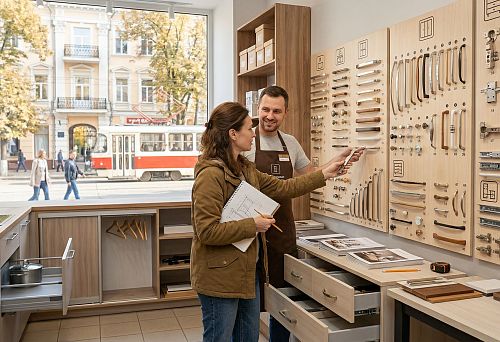
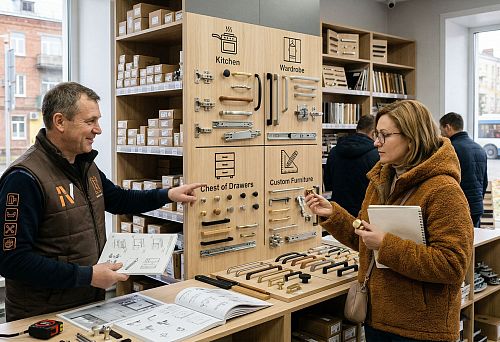
● Suppliers of components and hardware play an important role in ensuring the quality of the final product. Modern manufacturers actively collaborate with proven suppliers to ensure stability and high standards of their output.
Economic Analysis of the Furniture Market
Key Economic Indicators
The furniture market demonstrates steady growth, despite periodic economic fluctuations. Key indicators include:
● Sales volumes. The global furniture market generates billions of dollars annually, indicating high demand for products.
● Growth rates. The sector shows steady growth, particularly in the segments of luxury and specialized furniture.
● Investments in technology. Increasing investments in automation, digitization, and innovative solutions enable improved product quality and optimized production processes.
● Export and import. International trade in furniture is a key component of the market, facilitating technology exchange and expanding opportunities for manufacturers.
Growth Dynamics and Challenges
Despite positive trends, the furniture market faces several challenges:
● Fluctuations in exchange rates. Changes in exchange rates can affect the cost of raw materials and finished products, which is especially relevant for companies operating in the international market.
● Rising material costs. Increased prices for wood, metals, and other components affect the cost of finished products.
● Stricter environmental regulations. Modern safety and environmental standards require manufacturers to continuously improve technologies and use eco-friendly materials.
● Competition. High competition forces companies to constantly introduce innovations and improve their products to maintain their market positions.
Trends and Consumer Preferences
Changes in Lifestyle and Consumer Demands
Modern furniture consumers increasingly seek products that meet their individual needs and lifestyle. Key trends include:
● Customization. Consumers want to see unique solutions that highlight their individuality. The ability to choose finishes, materials, and design becomes an important factor when making a purchase decision.
● Multifunctionality. Products must not only be aesthetically pleasing but also functional, capable of meeting multiple needs—from comfort to space-saving.
● Environmental awareness. More consumers prefer products made with natural and eco-friendly materials. Such items are often associated with traditional values, such as classic furniture and classical furniture.
● Digital experience. Consumers expect convenience and transparency when purchasing, so online platforms, virtual showrooms, and interactive services are becoming essential sales tools.
Influence of Traditions and Culture
Cultural heritage and traditions have always played an important role in shaping consumer tastes. Items crafted in the style of classical furniture or classical furniture evoke special admiration due to their rich historical context, refined design, and impeccable quality. These traditions form the basis for creating unique collections that harmoniously blend centuries-old experience with modern technologies.
Learn more about traditional values in the furniture industry on the Stavros website
Technologies and Innovations in Furniture Manufacturing
Digitalization of production
Modern technologies have radically transformed the manufacturing processes of furniture products. Automation, digital design, and the use of CAD/CAM systems enable the creation of detailed 3D models of products, optimize structures, and significantly reduce the time required to develop new models.
Key advantages of digitization include:
● Reduction in time spent. Rapid project adjustments and the ability to model products allow significantly faster production cycles.
● Increased precision. Using CNC machines guarantees perfect execution of every detail.
● Material optimization. Precise calculations allow minimizing waste and reducing product cost.
● Product customization. The ability to create personalized solutions is especially in demand, which is relevant for the luxury furniture segment.
Furniture design and production software
Modern furniture design software allows integrating traditional methods with innovative technologies. They play a key role in:
● Product visualization. 3D modeling and virtual reality help clients see the final product even before production begins.
● Structural analysis. Modern systems allow detailed calculation of strength, ergonomics, and other product parameters.
● Personalization. Online configurators allow customers to independently choose materials, colors, and decorative elements, which is especially relevant for products in the classic furniture style.
Effective use of software helps reduce defect rates, optimize production processes, and increase customer satisfaction.
Learn about modern furniture design software on the Stavros website
Innovative materials and sustainable production
In the context of growing attention to environmental safety, manufacturers increasingly turn to new materials and technologies that reduce negative impact on the environment. Key directions include:
● Use of solid natural wood. Products made from natural wood remain a symbol of durability and ecological purity, which is especially important for products in the classic furniture style.
● Recycling and reuse of materials. Modern technologies allow effectively using production waste to create new components.
● Eco-friendly coatings and adhesives. Using natural oils, lacquers, and other non-toxic materials has become a standard in sustainable production.
These measures not only improve the ecological aspect of the product but also contribute to building a positive brand image.
Globalization and international competition
Entering the Global Market
Globalization opens new opportunities for exporters and international cooperation for furniture manufacturers. Key aspects include:
● Expanding export potential. Successful entry into foreign markets allows significantly increasing sales volumes and enhancing brand recognition.
● Compliance with international standards. Products must meet strict requirements for safety, quality, and ecology, which has become a mandatory condition for successful global trade.
● International exhibitions and conferences. Participation in global events facilitates experience exchange, establishing new business contacts, and promoting innovative solutions.
Learn about international cooperation opportunities on the Stavros website
International cooperation and standards
Companies operating in the furniture market increasingly enter strategic partnerships with foreign colleagues. This allows:
● Exchange of best practices. International cooperation facilitates the adoption of advanced technologies and production methods.
● Developing joint projects. Collaborations with global brands help create exclusive collections meeting the highest standards.
● Establishing unified quality standards. Compliance with international norms and product certification increase consumer trust and facilitate entry into new markets.
Marketing strategies in the furniture industry
Digital marketing and SEO
In today's world, digital marketing is a key tool for promoting on the furniture market. Thanks to SEO tools, content marketing, SMM, and PPC advertising, companies can:
● Attract target audience. Carefully selected keywords, such as furniture market, furniture manufacturing technology, classic furniture, and others, help achieve high positions in search engines.
● Strengthen brand image. High-quality content, interesting stories, product videos and photos help build trust and loyalty.
● Optimize sales process. Online platforms and virtual showrooms make purchasing convenient, fast, and transparent.
Familiarize yourself with effective digital marketing strategies on the Stavros website
Branding and Positioning
Effective brand positioning is the foundation of success in the furniture market. To achieve this, you need:
● Create a unique selling proposition (USP). Determine what distinguishes your product from competitors: material quality, innovative design, durability, customization, and ecological responsibility.
● Tell the brand's story. Emotional connection with the consumer is formed through stories about traditions, craftsmanship, and innovations embedded in the concept of classic furniture.
● Maintain the brand image through quality content. Using social media, blogs, videos, and PR events helps convey brand values to a broad audience.
Traditional Marketing Methods
Despite the dominance of digital channels, traditional marketing methods still play an important role. Participation in trade shows, organizing demonstration showrooms, print advertising, and involvement in industry events help:
● Create physical contact with the product. The opportunity to evaluate the quality and uniqueness of items in person helps build trust.
● Strengthen the brand image. Traditional methods complement digital channels, creating a comprehensive promotional strategy.
● Maintain contact with local markets. Regional exhibitions and presentations help better understand the needs of local consumers.
Environmental Sustainability and Social Responsibility
Environmental Standards and Sustainable Production
Modern consumers are increasingly paying attention to the ecological aspect of purchased goods. For the furniture market, this means the necessity of:
● Use of eco-friendly materials. Natural solid wood, recycled materials, and non-toxic coatings are the foundation of sustainable production.
● Implementation of energy-efficient technologies. Modern production lines, optimized with automation and digital systems, allow reducing energy consumption and minimizing waste.
● Compliance with international environmental standards. Certification of products according to international standards increases consumer trust and helps enter foreign markets.
Corporate Social Responsibility
Ethical business practices are becoming an important component of success in the modern furniture market. Companies demonstrating social responsibility invest in:
● Support for local communities. Charity programs, support for crafts, and development of local economies contribute to building a positive image.
● Training and development of staff. Investments in employee training and creating favorable working conditions help strengthen the company's reputation.
● Transparency of production processes. Openness about production methods and material usage increases consumer trust.
Learn more about social initiatives in the furniture industry on the Stavros website
Market Outlook and Development Forecasts for Furniture Products
Technological Innovations and the Future of Production
The future of the furniture market directly depends on the adoption of new technologies. In the coming years, you can expect:
● Increased digitalization. Wider use of CAD/CAM systems, 3D visualization, virtual reality, and artificial intelligence systems will allow creating even more precise and unique projects.
● Development of automation. Robotization of production lines and implementation of quality control systems based on IoT (Internet of Things) will contribute to reducing costs and improving product quality.
● Emergence of innovative materials. New, eco-friendly materials and recycling technologies will allow manufacturers to produce products meeting global sustainability standards.
● Product customization. Modern systems allow adapting items to individual client requirements, which is especially relevant for premium segments and classic furniture items.
Changes in consumer behavior
Modern lifestyle trends and changing values influence consumer demand:
● Increased demand for unique and exclusive items. Consumers increasingly prefer individual solutions reflecting their style and personality.
● Growing interest in eco-friendly products. Environmental awareness stimulates demand for furniture made according to sustainable development principles.
● Shift to online shopping. E-commerce and digital platforms allow consumers to easily select and order furniture, compare prices, and read reviews, making the purchasing process more transparent and convenient.
Global development scenarios
Experts identify several development scenarios for the furniture market:
- Optimistic scenario. Active implementation of innovations, growth of export potential, and steady demand for high-quality products contribute to rapid industry growth.
- Conservative scenario. With moderate economic growth, the market stabilizes, and competition encourages companies to continuously improve and optimize processes.
- Pessimistic scenario. Under global economic instability and rising costs, the industry faces slowed growth rates, requiring major reforms and rethinking strategies.
The key factor for success remains the ability of companies to adapt to changes, implement new technologies, and preserve traditional values such as quality and exclusivity of classic-style furniture.
Learn about furniture market development strategies on the Stavros website
Conclusion: Looking ahead to the future of the furniture industry
The furniture market today is a dynamic and multi-layered system in which traditional craftsmanship and modern technologies work in harmony to create products capable of meeting even the most demanding consumer requirements. The industry’s development history, from handcraftsmanship to digital revolution, demonstrates that success is achieved by combining centuries-old experience with innovative solutions.
Key conclusions:
● Integration of tradition and innovation. Only by combining ancient crafts with modern digital technologies can products worthy of the title 'classic furniture' be created.
● Environmental sustainability and social responsibility. Modern trends require manufacturers not only to deliver high quality but also to conduct ethical business, which becomes an important competitive advantage.
● Globalization and digitalization. Entering international markets and using digital tools open new opportunities for industry growth and development.
● Individualized approach. Personalization of products and flexibility in meeting consumer demands remain key success factors in the furniture market.
Visit the Stavros website for additional information on current trends in the furniture industry
Recommendations for participants in the furniture market
To successfully compete in today's furniture market, participants are advised to:
- Invest in innovative technologies. Use modern CAD/CAM systems, CNC machines, and digital platforms to optimize production processes.
- Continuously upgrade staff qualifications. Training and participation in international conferences and seminars will help implement the latest methods and technologies.
- Develop a branding strategy. Creating a unique image based on traditional values and innovation will help win the trust of discerning audiences.
- Focus on product customization. Offer personalized solutions to meet customers' growing demand for uniqueness and exclusivity.
- Maintain environmental sustainability. Implement eco-friendly technologies and materials, and comply with international environmental safety standards.
- Use modern marketing tools. Develop a comprehensive promotion strategy combining digital and traditional methods to effectively convey your brand’s values to your target audience.
Final Reflections
The furniture market today is a stage where tradition meets innovation, where quality, aesthetics, and functionality play a decisive role in meeting the needs of modern consumers. The industry’s evolution, from ancient craftsmanship to digital transformation, demonstrates that only the integration of best global practices with a unique local approach can create products capable of transforming any interior.
Companies capable of adapting to global challenges, implementing new technologies, and preserving traditional values will occupy leading positions in the global market. The future of the furniture industry promises to be rich with innovative solutions, sustainable development, and a constant pursuit of perfection. Regardless of whether you are a manufacturer, designer, or end consumer, it is important to remember that success in this industry is achieved through a balance between the past and present, tradition and technology.
Learn more about trends and innovations in the furniture industry on the Stavros website