Article Contents:
- Transformations of Space: How Interior Design Changes a Person
- Energy of Natural Materials
- Psychology of Color and Form
- Rhythm and Proportions of Space
- Layers of Time: Evolution of Russian Interior Design
- Izby Culture: Origins
- Noble Estate: Synthesis of Cultures
- Merchant's House: Wealth and Originality
- Modernism and National Romanticism
- Anatomy of Coziness: Basic Principles of Decoration
- Dominance of Natural Materials
- Functional zoning
- Color Harmony
- Lighting and atmosphere
- Furniture Poetry: Objects with Soul
- Principles of Furniture Selection
- Dining Area: Center of Family Life
- Storage Systems: Function and Beauty
- Rest Zone: Comfort and Coziness
- Textile Symphony: Fabrics in Russian Interiors
- Traditional Materials and Techniques
- Ornaments and Motifs
- Modern application
- Decorative Details: Art in the Small Things
- Wood Carving: Living Art
- Ceramics and izbets
- Paintings and Icons
- Lighting: Light as Decoration
- Seasonal Transformations: A Home Living in Harmony with Nature
- Psychology of Perceiving Classic Interiors
- Summer abundance
- Autumn Melancholy
- Winter Coziness
- Modern interpretations: traditions in a new reading
- Russian Minimalism
- Technology and Tradition
- Ecological approach
- Regional Nuances: Diversity in Unity
- Northern Motifs
- Middle Belt: Classical Harmony
- Southern motifs
- Siberian characteristics
- Conclusion: The house as a reflection of the people's soul
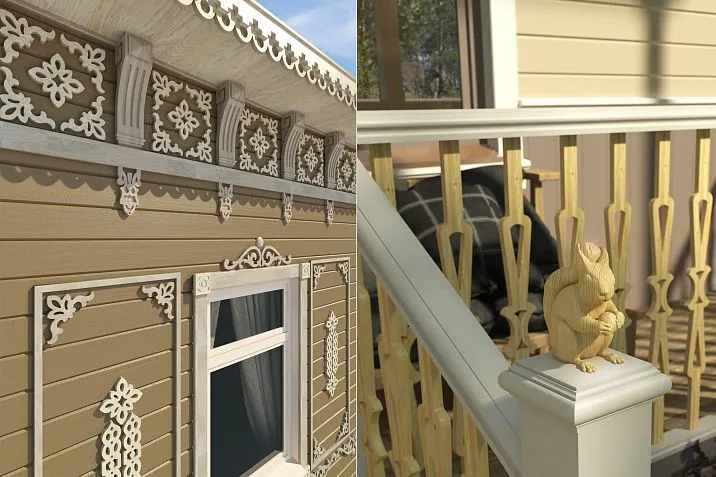
Entering a house where genuine Russian spirit reigns, a person seems to fall into the embrace of history itself. Every detail here is imbued with the wisdom of generations, and every corner breathes the warmth of a home hearth. Russian style in the interior of a country house This is not merely a design choice, but a journey to the roots of national culture, a return to the values that make a home a true family nest.
What happens to a person when they find themselves in an interior created according to Russian traditions? Why do natural wood, carved patterns, and handcrafted details evoke such emotion in the soul? The answer lies in the genetic memory of the people, in the understanding of beauty and harmony that has been shaped over millennia.
A modern country house designed in Russian traditions becomes an island of authenticity in the ocean of mass production. Here, time slows down, allowing one to savor every moment, feel connected to ancestors, and pass this connection on to future generations.


Transformations of space: how interior design changes a person
Remarkably, Russian style in the interior of a country house possesses almost a mystical ability to transform not only space, but also the people living in it. Psychologists have long noted: the surrounding environment shapes character, influences behavior, and determines life priorities.




Energy of natural materials
Imagine a morning in a house where the walls emit the scent of pine resin, and underfoot, the creak of centuries-old oak floors. Natural materials in Russian interiors create a completely unique atmosphere that cannot be replicated by artificial analogs.
Wood lives and breathes even after becoming part of the interior. It regulates air humidity, creates natural ionization, and fills the house with phytoncides — substances that strengthen immunity and soothe the nervous system. It is no coincidence that people living in wooden houses are characterized by robust health and emotional balance.
Stone in interior design adds a sense of monumentality and eternity. A fireplace made of natural stone or brick becomes not merely a source of warmth, but the heart of the house, around which the entire family gathers. Metal — forged lamps, handles, hinges — introduces a note of ruggedness, emphasizing the masculine element in the home.
Our factory also produces:


Psychology of color and form
The color palette of Russian interiors was shaped by the influence of northern nature. Here, there are no jarring tones, but rather depth and layering. Brown tones of wood create a sense of stability and protection. The white color of fireplaces and window casings symbolizes purity and light. Red accents — in textiles, ceramics, decorative elements — add vitality and festivity.
Forms in Russian interiors lean toward simplicity and functionality. Straight lines of furniture, geometric architectural elements, smooth curves of carved details — all of this creates a sense of harmony and order. A person in such a space feels protected and calm.
Get Consultation
Rhythm and proportions of space
Organization of space in a wooden house obeys the laws of the golden section, which Russian masters intuitively felt and applied. Ceiling height relates to room dimensions in certain proportions. The placement of furniture and decorative elements creates a visual rhythm perceived as musical harmony.
Central layout of a traditional Russian house with a common room in the center promotes family unity. All other rooms are grouped around this center, creating a sense of unity and interconnection. Modern architects reinterpret this principle, creating open layouts where the kitchen, dining room, and living room are combined into a single space.
Layers of time: evolution of Russian interiors
The history of Russian interiors is a chronicle of the people, written in the language of architecture and decorative arts. Each era brought its own adjustments, enriching traditions with new elements and reinterpreting the old.
Peasant culture: origins
The peasant hut was not merely a dwelling, but a microcosm reflecting our ancestors' views on the structure of the world. The red corner with icons symbolized the heavenly realm, the stove — the home hearth and protection, benches along the walls — the earthly element. Every item had its place and purpose.
Traditions of wooden houses were formed over centuries of practical experience. Furniture was built-in — benches, shelves, cabinets were part of the house's architecture. This saved space and created a sense of interior unity.
Decor in a peasant house was sparse but expressive. Carved details adorned the most important elements — the red corner, chests, spinning wheels. Each pattern carried symbolic meaning and served as a talisman for the family.
Noble estate: synthesis of cultures
The 18th-19th centuries brought European influences into Russian interiors, but they blended organically with national traditions. Noble estates became laboratories of a new style, where classicism and Empire adapted to Russian conditions and tastes.
The antechamber layout of estate houses created grand perspectives. Grand halls amazed with their scale and opulence, yet retained a human scale. The Russian style in the interior of a country house of that era demonstrated the ability to combine luxury with coziness.
Furniture in estates was predominantly Russian-made, but executed according to European models. Masters adapted foreign forms to local materials and traditions, creating unique pieces.
Merchant's House: Wealth and Originality
The merchant class of the 19th century contributed to the development of Russian interior design. Wealthy traders sought to emphasize their status, yet remained faithful to national traditions. Merchant homes were distinguished by exceptional opulence and abundance of decoration.
Here, for the first time, were widely used carved wooden decorations not only as functional elements, but also as purely decorative details. Walls could be entirely covered with carving, transforming the house into a fairy-tale palace.
The color palette of merchant interiors was brighter and more varied. Alongside traditional tones, gold, bright red, and emerald green were used. This created a sense of festivity and abundance.
Modernism and National Romanticism
The end of the 19th — beginning of the 20th century brought a new interpretation of Russian traditions. Artists and architects sought a genuinely national style, free from European influences. This movement was called the 'Russian style' or 'pseudo-Russian style'.
The creative work of V.M. Vasnetsov, S.V. Malutin, and I.P. Ropet laid the foundations of the modern understanding of Russian interior design. They returned to the roots of folk art, reinterpreting it in the spirit of the times. Decorative elements of the Russian home received a new artistic resonance.
Modernism introduced new materials and technologies into Russian interiors, but used them to realize traditional motifs. Stained glass with Russian themes, ceramic tiles, stylized carving — all this created an unparalleled blend of antiquity and novelty.
The Anatomy of Coziness: Basic Principles of Design
Creating the Russian style in the interior of a country house requires understanding the fundamental principles on which the entire concept is built. This is not a set of decorative elements, but a holistic system of spatial organization.
Dominance of Natural Materials
Wood is the foundation of any Russian interior. But not any wood — rather, carefully selected and processed. Coniferous species — pine, spruce, larch — are best suited for walls. They create a special atmosphere due to their aromatic properties and beautiful texture.
Hardwoods — oak, beech, maple — were traditionally used for floors. Modern technologies allow creating floor coverings from thermally treated wood, which has increased resistance to moisture and deformation.
Ceilings in Russian interiors can be either smooth or beam-style. Exposed beams create a sense of solidity and connection with traditional architecture. A warm interior in the Russian style is unthinkable without properly selected wood for all main surfaces.
Functional zoning
A traditional Russian house had a clear functional division. These principles remain relevant today. The entrance zone (vestibule) serves as a buffer between the street and living areas. Here, there is a coat rack, benches for changing shoes, and mirrors.
The common area (kitchen, hall) — the heart of the house. Here, the family gathers, guests are received, and holidays are celebrated. In modern homes, this is the living room, often combined with the kitchen and dining room. It is important to create here an atmosphere of warmth and hospitality.
The private zone includes bedrooms, offices, children's rooms. These rooms should be more intimate and cozy. Here, one can use more intimate lighting, soft textures, personal items, and family heirlooms.
Color harmony
The color palette of Russian interiors is built on the combination of natural wood tones with bright accent colors. The main tone is set by the wood — from light pine shades to dark wenge. This base is complemented by white (fireplaces, moldings, textiles) and red accents.
In Russian tradition, red signifies beauty, life, and celebration. It appears in textiles, ceramics, and decorative elements. However, it is important not to overdo it — red should be an accent, not a dominant color.
Blue and green are used more sparingly, mainly in decorative elements and art objects. They symbolize sky, water, and the plant world — a connection with nature.
Lighting and atmosphere
Lighting in Russian interiors should be warm and multi-level. Main lighting is supplemented by local light sources — table lamps, floor lamps, candles. This creates a cozy, intimate atmosphere.
Light fixtures should harmonize with the overall interior style. Items made of wood, ceramics, or wrought metal are ideal. Shades made of natural fabrics or paper create soft, diffused light.
Candles play a special role in Russian interiors. They not only provide light but also create a unique atmosphere reminiscent of ancestral traditions. Candlesticks made of wood, ceramic, or metal become decorative elements of the interior.
Furniture Poetry: Objects with Soul
Furniture in Russian style in a country house interior — these are not just functional items, but works of decorative-applied art. Every chair, table, cabinet should tell its own story.
Principles of furniture selection
The main principle — use of solid wood. Modern technologies allow creating furniture from glued lumber, which has improved characteristics but retains the natural beauty of wood.
Furniture shapes should be simple and functional. No excess or extravagance — only necessary and beautiful. Decoration focuses on individual elements — carved backs, shaped legs, wrought iron hardware.
Furniture sizes should correspond to human scale. A massive table should not overwhelm the space, and an elegant chair should not disappear in it. Proportions — the foundation of harmony in Russian interior design.
Dining group: center of family life
The dining table in a Russian home — it is the altar of family life. Family gathers here for meals, holds important conversations, and makes decisions. The table should be large enough for the whole family, but not excessively massive.
Traditional shapes — rectangle or oval. Round tables are less characteristic of Russian style. Material — solid oak, ash, or pine. Surface can be either smoothly sanded or retain the natural wood grain.
Chairs should harmonize with the table, but may differ in design. Traditional chairs have high backs, often adorned with carving. Modern interpretations may include upholstered seats and backs covered with natural fabrics.
Storage systems: function and beauty
Cabinets and chests in Russian interior design should be not only functional but also beautiful. Traditionally, trunks were used — serving both storage and as seating areas.
Modern storage systems can be built-in, saving space and creating a sense of interior unity. Facades should be made of solid wood or high-quality veneer.
Carved elements in interior design can decorate furniture facades, but it is important to maintain a sense of proportion. Carving should emphasize the beauty of form, not obscure it.
Living area: comfort and coziness
Soft furniture in Russian interiors should be comfortable and durable. Traditional forms — straight sofas and chairs with wooden frames. Upholstery in natural fabrics — linen, cotton, wool.
Upholstery colors should harmonize with the overall interior palette. Ideal shades — beige, brown, terracotta. Bright colors are used in cushions and blankets.
Coffee tables can be made of wood or combined — wood plus stone or metal. It is important to maintain overall style and proportions.
Textile symphony: fabrics in Russian interiors
Textiles play a key role in creating the atmosphere of a Russian home. Properly chosen fabrics can transform the simplest interior into a cozy family nest.
Traditional materials and techniques
Linen — the king of Russian textiles. Its natural texture, strength, and ability to improve with each wash make it indispensable for Russian interiors. Linen curtains, tablecloths, towels form the basis of textile decoration.
Cotton complements linen, especially in items requiring softness — bedding, home clothing. Linen and cotton fabrics with small patterns are characteristic of Russian style.
Wool was used for warm blankets, rugs, winter clothing. Modern wool fabrics can be used for upholstery and creating accent elements.
Ornaments and motifs
Russian textile ornamentation is rich and diverse. Geometric patterns — stripes, checks, diamonds — create strict beauty. Plant motifs — flowers, leaves, berries — add softness and femininity.
Embroidery occupies a special place. Traditional techniques — cross stitch, satin stitch, mesh — create unique works of art. Modern machine embroidery can reproduce the most complex ornaments with the highest quality.
Lace is another characteristic element of Russian textiles. Vologda, Yelabuga, Mikhailovskaya lace decorates curtains, tablecloths, bedding.
Modern application
In a modern country house interior with Russian character, textiles perform several functions. Curtains not only protect from sunlight but also create coziness. It is better to choose natural fabrics of simple forms — straight drapes, Roman shades.
Blankets and throws add warmth and coziness. They can be neutral or bright, accent colors. It is important to maintain overall color harmony in the interior.
Cushions — a simple way to add personality to the interior. Cushions of different sizes, textures, and patterns create dynamism and mood. They are easy to change depending on the season or mood.
Decorative Details: Art in the Small Things
It is precisely the details that create the unique character of Russian style in the country house interior. Every small thing should be thought out and harmoniously integrated into the overall concept.
Wood Carving: Living Art
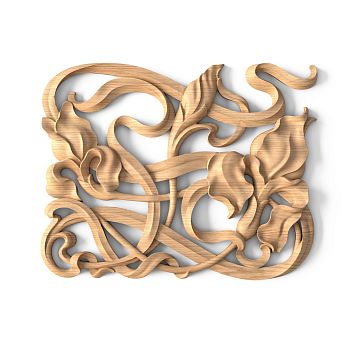
Carved elements are the hallmark of Russian interior design. These can be functional details — door and window casings, cornices, balusters — or purely decorative panels, picture frames, and stands.
Carving motifs are drawn from folk traditions — floral ornaments, geometric patterns, stylized depictions of animals and birds. Each element carries symbolic meaning and serves as a protective charm for the home.
Modern technologies allow creating complex carved compositions using CNC machines. However, the best pieces are still crafted by hand by masters who pour their soul into their work.
Ceramics and tiles
Ceramic items are an indispensable part of Russian interior design. Fireplace tiles, tableware, decorative vases and plates create a unique atmosphere. Traditional ceramic production centers — Gzhel, Skopin, Opozhnya — still preserve ancient techniques.
A tiled stove or fireplace becomes the central element of the interior. Tiles can be traditional — white with blue ornament — or polychromatic, painted in all colors of the rainbow.
Tableware in Russian style should be not only beautiful but also functional. Clay pots, wooden bowls, metal samovars create an authentic atmosphere of a Russian home.
Paintings and Icons
Visual art in Russian interiors holds special significance. Traditionally, icons were the main decoration of the home, placed in the red corner. Modern interiors may include both antique icons and their stylized interpretations.
Paintings should match the overall mood of the interior. Ideal are landscapes by Russian artists, still lifes, genre scenes from folk life. Abstract art does not harmonize well with Russian style.
Picture frames should be made of wood or metal in traditional forms. Carved wooden frames can become independent works of art.
Lighting: Light as Decoration
Light fixtures in Russian interiors are not only sources of light but also decorative elements. Chandeliers made of wood, ceramics, or wrought metal create a special atmosphere.
Desk lamps and floor lamps should harmonize with the overall interior style. Shades made of natural materials — wood, fabric, paper — create soft, cozy light.
Candles and candlesticks play a special role in Russian interiors. They create a romantic atmosphere and remind us of times when they were the main source of light in the home.
Seasonal Transformations: A Home Living in Harmony with Nature's Rhythm
Russian style in the country house interior implies harmony with natural cycles. The home should change with the seasons, reflecting the beauty of each season.
Spring freshness
In spring, the home awakens along with nature. Heavy winter fabrics are replaced with light linen and cotton. Light tones appear — milk-white, soft green, sunny yellow.
Early spring flowers — snowdrops, crocuses, narcissus — become the main decoration of the interior. They can be placed in simple ceramic or wooden vases.
Spring cleaning in a Russian home is not just about tidying up, but a ritual of renewal. All surfaces are washed, fabrics are laundered, decor is reassessed. The home prepares for a new cycle of life.
Summer abundance
Summer is the time of maximum harmony with nature. Windows are opened wide, terraces and verandas become additional living spaces. The interior becomes filled with greenery — live plants, bouquets of wildflowers.
Summer textiles should be light and cool. Linen curtains, cotton tablecloths, light blankets create a sense of freshness. Bright accents — wildflowers in bouquets — add joy.
Summer furniture can be moved outdoors to verandas and terraces. Light wooden chairs, tables, loungers create additional outdoor relaxation zones.
Autumn Melancholy
Autumn is the time of summarizing and preparing for winter. Warm, rich colors — golden, orange, burgundy — appear in the interior, reflecting the beauty of autumn nature.
The harvest becomes the main decoration of the home. Pumpkins, apples, rowan, ears of grain create festive compositions. This is the time of canning and preserving, when the home fills with the aromas of jams and pickles.
Autumn textiles become denser and warmer. Woolen blankets, felt rugs prepare the home for cold weather. The fireplace begins to work at full capacity.
Winter coziness
Winter is the time of maximum coziness and family warmth. The house closes off from the cold, creating a cozy cocoon for the family. Lighting becomes warmer and more intimate.
Winter decor includes elements of folk winter holidays — New Year, Christmas, Maslenitsa. This is the time when handmade items are especially valued — knitted sweaters, homemade baked goods, family gatherings.
The fireplace or stove becomes the center of winter life. The most comfortable furniture is arranged around it, where one reads books, drinks tea, and engages in heartfelt conversations.
Modern interpretations: traditions in a new light
The 21st century offers new opportunities to embody Russian style in the interior of a country house. Modern materials, technologies, and design solutions allow creating interiors that combine authenticity with current comfort.
Russian minimalism
A modern interpretation of Russian style can be more concise and minimalist. Core principles are preserved — natural materials, functionality, connection with nature, but the number of decorative elements is reduced.
This approach is especially relevant for city dwellers accustomed to modern lifestyle. Clean lines, simple forms, quality materials create a calm, harmonious atmosphere.
The color palette becomes more restrained — various shades of wood, white, gray, with occasional bright accents. Decoration is limited to a few expressive items — a painting, a vase, a textile item.
Technology and tradition
Modern technologies are organically integrated into Russian interiors. "Smart home" controls lighting, heating, and security, but all control elements are hidden or styled to resemble traditional forms.
Multimedia systems are placed inconspicuously, not disrupting the overall harmony of the interior. A television can be built into a wooden panel, and speakers can be hidden in the ceiling or walls.
Modern kitchen appliances are concealed behind wooden facades. Refrigerators, dishwashers, and microwave ovens become invisible, preserving the authentic look of the kitchen.
Ecological Approach
Modern Russian style is inseparably linked to an ecological approach to life. Use of natural materials, renewable energy sources, waste minimization — all this aligns with Russian traditions of careful stewardship of nature.
Solar panels can be integrated into the roof without disrupting the traditional appearance of the house. Geothermal heating and rainwater collection systems operate discreetly, ensuring the home’s autonomy and eco-friendliness.
The garden around the house is planned according to permaculture principles — maximum benefit with minimal intervention in natural processes. This aligns with Russian traditions of managing household affairs.
Regional nuances: diversity in unity
Russia is a vast country, and Russian style in the interior of a country house can vary significantly depending on the region. Climatic conditions, available materials, and local traditions leave their mark on the interior.
Northern motifs
Russian North has given especially expressive examples of wooden architecture and interior design. Here, a style emerged characterized by monumentality and richness of decoration. The harsh climate required special attention to warmth and coziness.
Northern interiors are distinguished by the use of heavy furniture made of dark wood. Stoves play a central role, often adorned with tiles or painted decoration. Textiles include a lot of wool and fur.
Decorative elements are larger and more expressive. Wood carving reaches the highest level of craftsmanship. The color palette leans toward dark, saturated tones.
Middle belt: classical harmony
Central regions of Russia have given classical examples of Russian interiors. Here, a style emerged characterized by exceptional harmony and refinement. The moderate climate allowed for more diverse solutions.
Interiors of the middle belt are distinguished by refined proportions and details. Furniture is more elegant, decoration is subtle. Fabrics, ceramics, and folk crafts are widely used.
The color palette is lighter and more varied. Alongside traditional tones, pastel shades are used, creating especially cozy atmosphere.
Southern motifs
The South of Russia has contributed its own characteristics to Russian interiors. The warmer climate allowed for lighter structures, large windows, open verandas. Influence of neighboring cultures enriched the decorative palette.
Southern interiors are brighter and more airy. Furniture is often painted, textiles are bright and varied. Ceramics are widely used, including floor tiles.
Plants play a significant role in interior design. Climbing plants can be used to decorate walls and ceilings.
Siberian characteristics
Siberia developed its own variant of Russian interior design, adapted to extreme climatic conditions. Here, warmth, reliability, and practicality were especially valued.
Siberian interiors are characterized by solidity. Walls are thicker, windows smaller, stoves more powerful. Furniture is heavy and functional. Decoration is more restrained but expressive.
Local materials — cedar, larch, stone — are used. Fur and leather are widely applied in textile furnishings.
Conclusion: the home as a reflection of the people's soul
Russian style in the interior of a country house is not merely a design direction, but a way of life based on a deep understanding of the connection between man and nature, past and present, individual and communal.
Creating an interior in the Russian style, we do not merely furnish the house with furniture and decor. We create a space for the soul, a place where family traditions can live and thrive, where children learn about their roots, and where adults find peace and inspiration.
In a world of globalization and homogenization, the Russian interior becomes an island of authenticity, a place to preserve cultural identity. Every element — from carved moldings to handwoven rugs — carries a fragment of folk wisdom and passes it on to future generations.
Modern technologies do not destroy traditions but serve their development. New materials allow for more durable and comfortable interiors. Modern systems provide maximum convenience in daily life. But the foundation remains unchanged — love for beauty, respect for craftsmanship, and striving for harmony.
Choosing Russian style for your home means choosing quality over quantity, individuality over mass production, soulfulness over cold functionality. You create a home that will live and delight not just one generation of your family.
STAVROS Company has been helping turn dreams of beautiful homes into reality for more than twenty years. Our craftsmen create items that combine traditional craftsmanship with modern quality. Every decorative element leaving our workshops carries a fragment of Russian soul and will become a decoration of your home for many years. Choosing STAVROS means choosing a reliable partner in creating the interior of your dream.