Article Contents:
- Photography as a window into the soul of Russian interiors
- The magic of the first impression
- Color palette in photographs
- Detailing in the frame
- Stylistic directions in photography of Russian interiors
- Documentary photography: truth of life
- Artistic photography: poetry of space
- Architectural photography: beauty of construction
- Technical aspects of photographing Russian interiors
- Equipment for quality shooting
- Lighting Effects
- Post-processing and retouching
- Photo gallery of stylistic solutions
- Formal interiors: grandeur and solemnity
- Family living rooms: warmth of the home hearth
- Children's rooms: fairy tale in interior
- Seasonal interiors through the camera lens
- Winter Russian interiors
- Spring transformations
- Summer abundance
- Autumn luxury
- Photography as a tool for preserving traditions
- Documenting vanishing heritage
- Educational function
- Inspiration for modern creativity
- Composition techniques in photography of Russian interiors
- Symmetry and Asymmetry
- Rhythm and Repetitions
- Contrast and nuance
- Stylistic features of regional interiors
- Northern motifs in photography
- Southern Colors
- Central traditions
- Modern Interpretations in Photography
- Photo Sessions in Neo-Russian Style
- Conceptual Photography
- Technical Perfection of Modern Photography
- Digital Technologies in Interior Photography
- Specialized equipment
- Photography as a Marketing Tool
- Promoting Russian Style
- Commercial Photography
- The Future of Russian Interior Photography
- Virtual and Augmented Reality
- Artificial Intelligence in Photography
- Interactive Catalogs
- Psychology of Perception of Russian Interior Photography
- Emotional Impact
- Cultural Codes
- Practical Tips for Creating Russian Interior Photography
- Preparation for Shooting
- Working with Light
- Post-Processing
- Conclusion
Interior photographs can inspire, surprise, and make us dream. When we talk about Russian style in interior photographybefore us opens an amazing gallery of images, where each frame tells a story about the beauty of national traditions embodied in modern space. These visual masterpieces demonstrate how ancient motifs find new life in the hands of talented designers.
Why are Russian interior photographs so captivating? Perhaps because they contain the soul of a multi-century culture that speaks to us through forms, colors, and textures. In every photograph, there is a deep connection to roots, a desire to preserve and pass on to future generations the invaluable heritage of ancestors.
In the era of digital technologies, photography has become a powerful tool for preserving and popularizing cultural traditions. Beautiful wooden interiors photography allow us to study details, draw inspiration, and find solutions for our own projects, without leaving home.


Photography as a Window into the Russian Soul of Interior Design




The Magic of First Impression
What do we see in photographs of Russian interiors? Above all — harmony. Harmony between natural materials and man-made details, traditional forms and modern functionality, the vividness of ornamentation and the nobility of natural wood.
The compositional features of Russian interior photographs always emphasize several key elements. Lighting plays a central role — warm, soft light that highlights the texture of wood and creates an atmosphere of cozy domesticity. Photographers skillfully use natural light penetrating through windows with wooden frames to show the play of light and shadow on carved surfaces.
Angles and perspectives are chosen to show the scale and grandeur of space, yet without losing the intimacy and warmth of a home environment. Wide shots demonstrate the overall concept of the interior, while close-ups allow us to examine the details of decorative elements.
Our factory also produces:


Color Palette in Photographs
Photographs of Russian interiors are distinguished by a special color harmony. Dominant shades are warm tones of natural wood, ranging from light honey to deep walnut. This natural palette is complemented by traditional Russian colors: deep blue, rich red, emerald green.
Photographic technique allows not only to capture visual beauty but also tactile sensations. The viewer can almost feel the smoothness of polished wood, the roughness of carved elements, the softness of linen fabrics.
Get Consultation
Detail in the frame
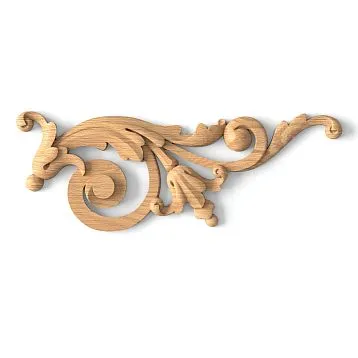
Professional photographers of Russian interiors always pay special attention to details. Decorative appliqués Russian style Become true stars of photo sessions — every swirl of carving, every ornament element is rendered with crystalline clarity.
Photography allows to examine nuances of craftsmanship that may escape casual observation. Subtle tonal transitions in wood, elegant curves of carved lines, play of light on polished surfaces — all of this becomes accessible thanks to quality shooting.
Stylistic directions in photography of Russian interiors
Documentary photography: truth of life
Documentary photography of Russian interiors shows how traditional style lives in modern homes. These are not staged shots for glossy magazines, but real life of people who chose Russian style as a reflection of their values and beliefs.
On such photographs we see living interiors — with books on shelves, family photos on chests of drawers, children’s toys in the corner. These details make the space real, showing that Russian style is not a museum exhibit, but a comfortable environment for modern life.
Domestic scenes in Russian interiors are especially touching. Family dinner at a massive oak table, evening reading by the fireplace, morning tea from a samovar — these moments convey the spirit of the Russian home better than any words.
Artistic photography: poetry of space
Artistic photography of interiors in Russian style is a special genre where each frame becomes a work of art. Photographers use special lighting techniques, unusual angles, and contrast play to create emotionally rich images.
Macro photography of details allows to see the beauty of carving in a new light. A dewdrop on a wooden surface, a sunbeam penetrating a carved inlay, the reflection of candle flame in polished oak — such frames transform utilitarian objects into objects of poetic contemplation.
Light painting in interiors creates a special atmosphere. Photographers skillfully use natural and artificial lighting to create dramatic effects, emphasizing the volume and texture of decorative elements.
Architectural photography: beauty of construction
Architectural photography of Russian interiors focuses on structural and decorative elements. Brackets Russian style Become heroes of such shots, demonstrating perfection of proportions and craftsmanship.
Such photographs are important not only aesthetically but also practically. They show how to properly use decorative elements, which combinations are most successful, and how to achieve harmony in composition.
Technical aspects of shooting Russian interiors
Equipment for quality shooting
Photography of interiors in Russian style requires a special approach to equipment selection. Wide-angle lenses are necessary for shooting spacious rooms, but it is important to avoid distortions that may distort the proportions of decorative elements.
Lighting system plays a critical role. Russian interiors require warm light that will highlight the natural beauty of wood. Cold light may distort color rendition and deprive the frame of the warmth that is the essence of Russian style.
Tripods and stabilizers are indispensable for creating sharp, detailed shots. This is especially important when shooting close-ups of carved elements, where every detail must be perfectly sharp.
Compositional Techniques
The rule of thirds works in interior photography, but Russian style, with its central composition, often requires placing key elements in the center of the frame. Fireplace, table, iconostasis — these objects traditionally serve as compositional centers.
Leading lines in Russian interiors are created by architectural elements: ceiling beams, lines of floorboards, outlines of furniture. The photographer must be able to use these lines to guide the viewer’s gaze to key compositional elements.
Depth of field is created through the multi-layered nature of Russian interiors. The foreground may consist of decorative inlays, the middle ground — furniture items, the background — architectural elements of the room.
Post-processing and retouching
Post-processing of photographs of Russian interiors requires a delicate approach. It is important to preserve the naturalness of colors and textures, without overdoing saturation and contrast.
Color correction should emphasize the warmth of wooden tones, but not make them unnatural. Often, separate processing of different zones within the frame is required — wood may require one set of settings, textiles — another.
Minimal retouching is required. Minor scratches, patina of time, natural wood imperfections — all of these give the interior character and should not be removed unless absolutely necessary.
Style Solution Gallery
Grand Interiors: Grandeur and Solemnity
Photographs of grand Russian interiors are striking for their solemnity. High ceilings with carved beams, massive chandeliers, Capitals Russian style on columns — all of this creates an atmosphere of palace grandeur.
The color palette of grand interiors is usually built on the contrast of golden wood tones with deep blue, burgundy, or emerald accents. Photographers skillfully use this contrast to create a dramatic effect.
Lighting in grand halls requires a special approach. Multiple light sources — chandeliers, wall sconces, floor lamps — create a complex lighting scene that must be carefully balanced during photography.
Family Living Rooms: Warmth of a Home Hearth
Photographs of family living rooms in Russian style radiate a special warmth. Here, more modest but no less expressive decorative elements dominate. Carved photo frames, decorative boxes, textiles with traditional patterns.
The center of composition is usually a fireplace or stove. Photographers strive to show not only the beauty of these elements but also their functionality — burning logs, a cozy armchair nearby, family items on the mantelpiece.
Soft furniture in Russian style looks especially attractive in photographs. Large sofas with numerous cushions, chairs with high backs, ottomans and settees — all of this creates an atmosphere of comfort and invites long family conversations.
Children's Rooms: Fairy Tale in the Interior
Children's rooms in Russian style in photographs look like illustrations of folk tales. Here, traditional motifs acquire a playful tone. Carved elements are often stylized as fairy tale characters, colors become brighter and more cheerful.
Furniture-toys — a special category of items for children's rooms. Crib-shaped beds, tables with painted designs, chairs with carved backs — all of this is not only functional but also helps children develop an appreciation for beauty.
The educational element of Russian style in children's rooms is very important. Photographs show how interior design can introduce children to their native culture, develop their aesthetic taste and love for traditions.
Seasonal Interiors Through the Lens
Winter Russian Interiors
Winter photographs of Russian interiors are especially atmospheric. Snow-covered windows, a burning fireplace, warm blankets and shawls create a sense of protection from winter cold. During this season, the functionality of Russian style becomes especially evident — every element contributes to creating warmth and coziness.
Textiles play a key role in winter interiors. Woolen rugs, fur throws, knitted cushions — all of this is not only beautiful but also practical. Photographers often use macro photography to showcase the texture of these materials.
Festive decoration of winter interiors deserves special attention. Christmas and New Year decorations in Russian style look especially natural. Pine branches, candles in wooden candlesticks, traditional wooden and straw toys.
Spring Transformations
Spring photographs of Russian interiors show amazing transformations. Heavy winter fabrics are replaced by light linen, dark corners are filled with light, and the first flowers appear in wooden vases.
Spring cleaning in a Russian home is a whole ritual that photographers document with great care. Cleaning windows, polishing carved elements, changing textiles — all of this is part of preparing the home for the new season.
Easter motifs look especially picturesque in Russian interiors. Dyed eggs in wooden bowls, kuliches on painted plates, willow branches in tall vases — these details add a special spiritual quality to photographs.
Summer Abundance
Summer photographs of Russian interiors are filled with light and air. Open windows and doors, light curtains, bouquets of field flowers transform the house into an extension of the garden.
Garden furniture in Russian style often becomes part of the interior. Wooden benches are brought indoors, wicker chairs decorate verandas, carved swings become elements of children's rooms.
Preparing for winter — a traditional part of Russian summer life. Photographs of jars with preserves on wooden shelves, dried herbs hanging from the ceiling, vegetables in woven baskets add authenticity to interiors.
Autumn Luxury
Autumn interiors in Russian style in photographs impress with the richness of colors. Golden, orange, crimson accents harmoniously blend with warm wood tones.
Harvest is the main theme of Russian autumn interiors. Pumpkins, apples, nuts become decorative elements. Photographers skillfully use these natural materials to create still lifes in interior shots.
Preparation for winter is reflected in every detail of autumn interiors. Stacking firewood near the fireplace, warm blankets on sofas, canning on the kitchen — all this creates a sense of solidity and foresight.
Photography as a tool for preserving traditions
Documenting vanishing heritage
Modern photography plays a crucial role in preserving Russian interior traditions. Many historic houses are being demolished, antique items are lost, artisans are leaving without passing on their knowledge. Photography allows these treasures to be preserved for future generations.
The ethnographic value of such photographs is immeasurable. They show not only the appearance of objects but also the context of their use, ways of placement in space, and combinations with other interior elements.
Technical details of construction, methods of fastening, proportions of elements — all this information captured in photographs can be useful for modern craftsmen in recreating lost samples.
Educational function
Photographs of Russian interiors serve as excellent educational material. They allow studying the history, culture, and daily life of our ancestors without leaving home. This is especially important for the younger generation, which often loses connection with national roots.
Virtual museums of Russian interiors are becoming increasingly popular. High-quality photographs allow creating full-scale virtual tours accessible to people around the world.
Educational materials for designers, architects, and craftsmen of applied arts are impossible without high-quality photographic material. Images must not only be beautiful but also technically accurate and informative.
Inspiration for modern creativity
Photographs of historical Russian interiors serve as a source of inspiration for modern designers. They show how traditional motifs can be adapted to contemporary needs while preserving the spirit and aesthetics of national style.
Stylization and interpretation are the main directions of modern use of photographic materials. Designers do not blindly copy historical samples but creatively reinterpret them, creating new, relevant solutions.
Composition techniques in photographs of Russian interiors
Symmetry and asymmetry
Russian style traditionally favors symmetrical compositions. Central axis, even distribution of elements, mirrored reflections — all this creates a sense of stability and harmony. Photographers use these features to create balanced, calming images.
Central composition is especially characteristic of formal interiors. Fireplace, table, iconostasis often become the center around which the entire frame composition is arranged.
Asymmetrical accents are used to create dynamism in interiors that are inherently static. A casually placed book, a tilted vase, play of light and shadow — these elements enliven the composition.
Rhythm and repetitions
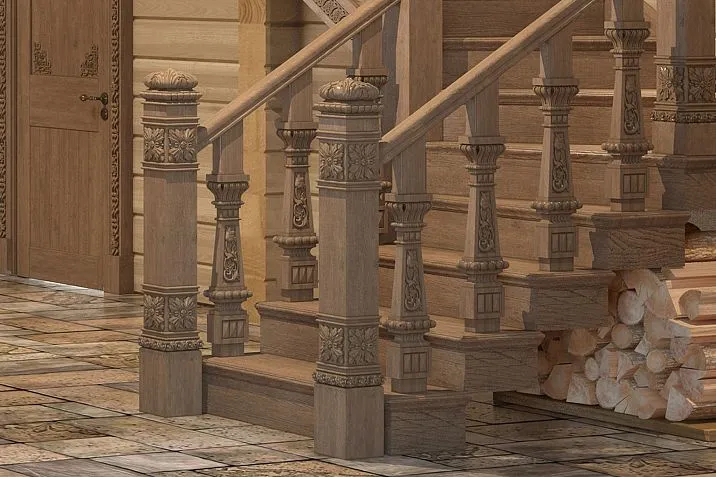
Rhythmic elements in Russian interiors are created by repeating details: balusters of staircases, carved elements, windows in a row. Photographers use these repetitions to create a musical rhythm in the image.
Variations on a theme allow avoiding monotony. Elements with the same function but different detailing create an interesting play of similarities and differences.
Contrast and nuance
Light contrasts are especially effective in Russian interiors. Dark carvings on a light background, bright textile patches against calm wood, play of shadows from carved elements — all this creates a rich light picture.
Color nuances require special attention from the photographer. Russian style is rich in shades of one color — multiple tones of wood, gradations of white, blue reflections. Conveying these nuances requires professional skill.
Stylistic features of regional interiors
Northern motifs in photography
Photographs of northern Russian interiors are distinguished by a particular harsh beauty. Here, dark wood species dominate, simple, functional forms, minimal decorative excesses.
The color palette of northern interiors is restrained: dark brown, gray, white tones with rare bright accents. Photographers emphasize this restraint, creating strict yet expressive compositions.
The functionality of each element is especially noticeable in photographs of northern interiors. Here, there is nothing superfluous — every item has its purpose and place.
Southern interiors on photographs impress with their vividness and cheerfulness. Here there is more color, ornament, decorative details.
Southern Russian interiors on photographs represent a classic canon of Russian style. Here, in the purest form, all the main elements of national aesthetics are presented. Polyurethane overlays Russian style Often used to recreate this vibrant aesthetic in modern interiors.
Plant motifs dominate in southern interiors. Floral paintings, leaf and vine carvings, floral textiles — all of this creates a sense of eternal spring.
The influence of neighboring cultures is noticeable in southern Russian interiors. Ukrainian, Caucasian, Turkic motifs enrich traditional Russian aesthetics, creating unique synthetic forms.
Central Traditions
Central Russian interiors on photographs represent a classic canon of Russian style. Here, in the purest form, all the main elements of national aesthetics are presented.
The balance of decorative and functional elements is the main feature of central interiors. Beauty here does not contradict practicality, but complements it.
Modern Interpretations in Photo Art
Photo Sessions in the Neo-Russian Style
Modern photo sessions in the neo-Russian style demonstrate a creative reinterpretation of traditions. Designers and photographers create interiors that combine classical motifs with modern aesthetics and technologies.
Minimalist solutions in the neo-Russian style show how to create a recognizable image using only a few carefully selected elements. One carved applique, properly lit and photographed, can convey the spirit of the entire style.
Modern materials in traditional forms — another direction of modern interpretation. Glass, metal, plastic take on forms characteristic of Russian decor, creating interesting visual effects.
Conceptual Photography
Conceptual photo projects devoted to Russian style often go beyond simple documentation. Photographers create artistic statements about the connection of eras, the continuity of traditions, and the place of national culture in the global world.
Time-based collages — a popular technique in conceptual interior photography. Antique and modern elements are combined in one frame, creating a sense of time travel.
Symbolic compositions use items of Russian domestic life as signs and symbols. Each element of the interior becomes part of a visual metaphor telling about the Russian soul and culture.
Technical Perfection of Modern Photography
Digital Technologies in Interior Photography
Modern digital technologies have radically changed the possibilities of interior photography. HDR shooting allows capturing a wide dynamic range characteristic of naturally lit spaces. Details in shadows and highlights are preserved equally well.
Focus stacking — a technique especially useful for shooting carved elements up close. It allows obtaining perfectly sharp images even when shooting voluminous objects from a close distance.
Panoramic shooting allows creating images of interiors with an angle of view unattainable with standard lenses. This is especially important when shooting small rooms where it is impossible to step back far enough.
Specialized equipment
Tilt-shift lenses allow correcting perspective when shooting interiors, avoiding 'leaning' walls and other distortions typical of wide-angle shooting.
Professional flashes with softboxes and umbrellas provide even lighting for large spaces, mimicking natural light.
Radio syncs allow creating complex lighting schemes with multiple light sources, which is especially important for shooting multi-layered interiors.
Photography as a Marketing Tool
Promoting Russian Style
High-quality photography plays a key role in popularizing Russian style in interiors. Beautiful images on social networks, catalogs, and manufacturer websites form interest in national traditions among a broad audience.
The emotional impact of photographs often proves stronger than any textual description. People are attracted less by information about the style and more by the atmosphere it creates.
The practical value of photographs lies in the fact that they show concrete solutions that can be applied in one’s own home. The viewer sees not abstract concepts, but real interiors.
Commercial Photography
Commercial photography of objects for Russian interiors requires a special approach. Each element should be shown at its best, yet realistically, without excessive idealization.
Catalog photography of decorative elements should be both informative and attractive. It is important to show not only the appearance of the item, but also its dimensions, texture, and methods of application.
Lifestyle photography shows items in their natural interior context, helping customers visualize how they will look in their own homes.
The future of photography of Russian interiors
Virtual and Augmented Reality
VR technologies open new possibilities for presenting Russian interiors. Virtual tours allow users to "immerse" themselves in the space, examine details from any angle, and obtain additional information about the items.
Augmented reality can be used to "try on" decorative elements in a real interior. The user will be able to see how a carved applique will look on their furniture even before purchasing.
Artificial intelligence in photography
AI processing already helps photographers automatically adjust exposure, white balance, and remove noise. In the future, these technologies will become even more advanced.
Automatic stylization can help create images of Russian interiors based on ordinary photographs. AI can "dress" modern interiors with traditional elements, helping clients visualize the result of a design project.
Interactive catalogs
Interactive photos with the ability to obtain additional information by clicking on interior elements will become standard for furniture websites and design studios.
Interior configurators based on photorealistic graphics will allow users to create and modify Russian interiors themselves, experimenting with various decoration options.
Psychology of perception of photographs of Russian interiors
Emotional Impact
Photographs of Russian interiors affect the viewer on a deep emotional level. Archetypal images of home, hearth, and safety activate ancient instincts, creating a sense of calm and stability.
Nostalgic feelings often arise even in people who have never lived in traditional Russian interiors. This is related to cultural memory passed down through generations.
Tactile associations play an important role. Viewers can mentally "feel" the texture of wood, the warmth of a fireplace, the softness of fabrics, even while looking at a photograph.
Cultural codes
Russian interiors in photographs convey numerous cultural codes: hospitality, family orientation, connection with nature, respect for traditions. These messages are subconsciously read and foster a positive attitude toward the style.
Symbolic content of objects enhances the impact of photographs. A samovar symbolizes family unity, an icon — spirituality, a chest — connection across time.
Practical tips for creating photographs of Russian interiors
Preparation for shooting
Cleaning and preparing the interior is the first step toward a successful photo session. All surfaces must be clean, and items should be neatly arranged. Special attention should be paid to carved elements — dust in recesses may spoil the impression of the photo.
Composition planning begins even before setting up the camera. It is necessary to determine key elements that must be in the frame and to carefully consider their relative positioning.
Selecting props can significantly improve the photograph. A book on the table, flowers in a vase, candles in candlesticks — such details bring the interior to life, making it feel more "lived-in."
Working with light
Natural lighting is preferable for shooting Russian interiors. The best time is morning or evening hours, when the light is soft and warm.
Additional lighting should imitate natural light. Use warm light sources and avoid harsh shadows.
Light accents help highlight key compositional elements. Lighting carved details or textile elements can significantly improve the perception of the frame.
Post-processing
Color correction should emphasize the natural beauty of materials, without making them look unnatural. Wood should look like wood, not plastic.
Contrast and sharpness should match the character of the interior being photographed. Excessive contrast may destroy the cozy atmosphere.
Retouching should be minimal. Natural characteristics of materials and minor imperfections add character to the interior.
Conclusion
Photography of Russian interiors is not just capturing beautiful images, but a way to preserve and pass on cultural heritage. Each photo becomes a bridge between the past and the future, helping modern people understand and appreciate the traditions of their ancestors.
High-quality photographs Russian style in interior design inspire designers to create new projects, help manufacturers showcase their products, and enable buyers to make thoughtful decisions when furnishing their own homes.
Technological progress opens new opportunities for interior photography, but the essence remains unchanged — to showcase the beauty of traditional Russian domestic life, its harmony and warmth. In a world where globalization erases cultural differences, such photographs become especially valuable as guardians of national identity.
The future of Russian interior photography is linked to the development of new technologies — virtual reality, artificial intelligence, interactive media. But no matter how advanced the technical tools become, the artist’s vision will remain paramount — their ability to sense and convey the spirit of the Russian home.
Modern masters continue their ancestors' traditions, creating decorative elements that look dignified in photographs and in real interiors. The company STAVROS has specialized for more than thirty years in producing decorative elements that help bring to life dreams of a beautiful Russian home. Each item is crafted with the understanding that it will become part of family history, passed down through generations and delighting many generations. Professional equipment, skilled artisans, and modern technologies allow creating decor that looks equally beautiful both in photographs and in real life, preserving all the warmth and beauty of Russian traditions.