Article Contents:
- Why are carved patterns a unique art?
- History of Wood Carving: Ancient Traditions That Inspire
- Wood Carving as Part of Cultural Heritage
- Carved Patterns in Modern Design: From Traditions to Innovations
- Carved Patterns: Traditions and Cultural Heritage
- Relief Carving and Bas-Reliefs in Interior Design
- Carved Patterns in Art and Daily Life: Harmony of Form and Functionality
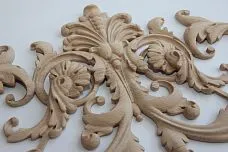


Why are carved patterns a unique art?
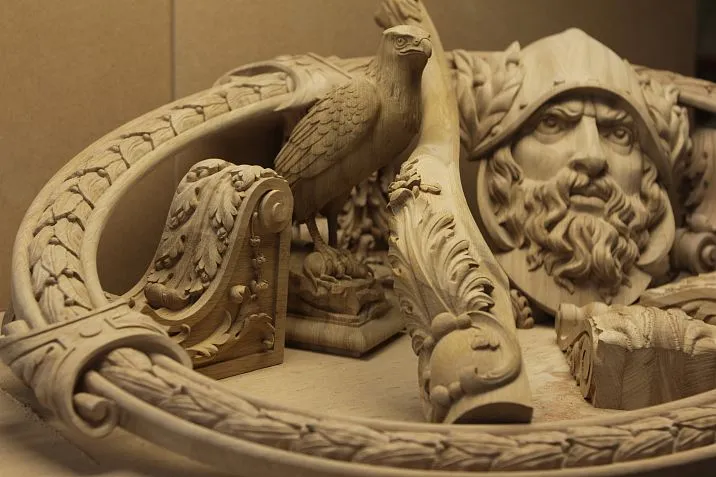
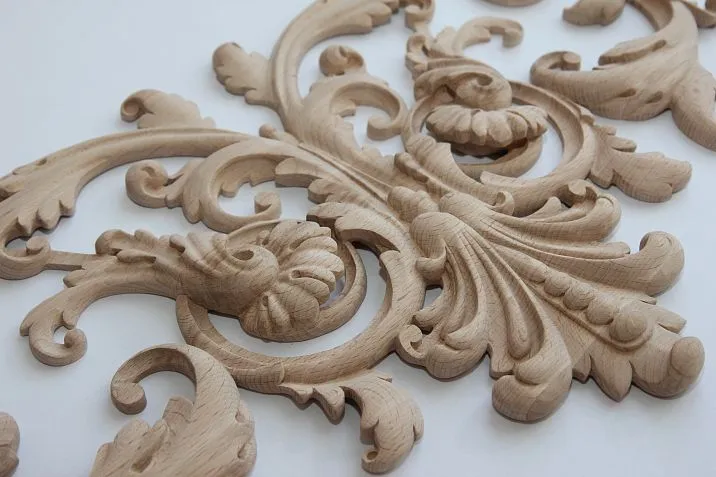
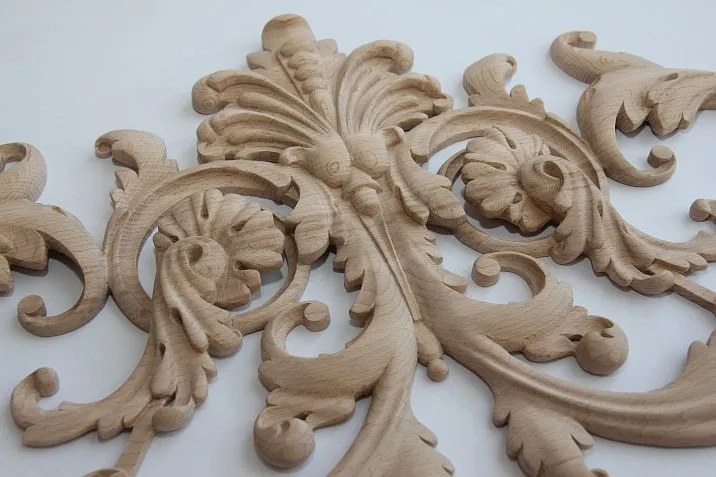
Carved patterns are not just decorative elements; they are embodiments of craftsmanship, rich history, and artistic inspiration. With their help, space transforms into expressive and aesthetically complete environments. The uniqueness of carving lies in its versatility: it can harmoniously fit both traditional interiors and modern design solutions.
Where does this amazing technique originate? Wood carving has thousands of years of history, and its popularity has not diminished to this day. Today, it is widely used: in facade decoration, furniture making, interior design, and even in the production of gifts and household items. Every carved item is the result of meticulous work by artisans who lovingly and carefully bring their ideas to life in wood.




History of Wood Carving: Ancient Traditions That Inspire
Wood carving is one of the oldest forms of decorative art. Initially, it served exclusively practical purposes: ornaments on wooden objects helped protect them from external influences and imparted a magical meaning. Later, carving became part of cultural heritage, reflecting the aesthetic and spiritual values of its time.
- Ancient Civilizations
Wood carving was used in ancient Egypt, China, and Mesopotamia. On tombs, temples, and household items, one can see complex patterns symbolizing religious or mythological scenes. These ornaments were created by hand, using the simplest tools, and amazed with their precision and detail. - Russian Wooden Architecture
On the territory of Russia, the art of wood carving acquired a distinctive character. Carved patterns adorned lintels, roofs, and other elements of wooden houses, turning them into true works of art. These elements served not only decorative but also practical purposes, protecting the house from wind and moisture. Examples of these exquisite works can be seen in the article“Ornament of Wooden Houses: Types of Carving and Regional Characteristics”. - European Wood Carving of the Renaissance
In Europe, wood carving reached its peak during the Renaissance. Masters created complex bas-reliefs, decorated palaces, cathedrals, and furniture. Decorative elements featured rich ornamentation, complex forms, and deep symbolism. These traditions inspire modern designers to create unique interiors. - Modern application
Today, wood carving remains relevant. New technologies allow creating complex patterns with high precision while preserving the spirit of traditional craftsmanship. This art unites the past and the future, offering endless opportunities for creativity.
Our factory also produces:


Wood Carving as Part of Cultural Heritage
Each culture contributed its own characteristics to the development of carving. For example, Russian carved lintels are distinguished by their delicacy and ornamental complexity, while Asian wood carving is known for its geometric patterns and minimalist forms. The patterns and symbols used in carving often had sacred significance.
● Ornamentation on Slavic houses. For example, images of the sun or birds served as protective symbols, safeguarding the house and its inhabitants from evil.Russian Lintels became an indispensable part of folk architecture.
● Carved bas-reliefs on church facades. These elements symbolized scenes from myths and legends, telling the viewer stories through imagery.
Thanks to technological advancements and material accessibility, today anyone can add carved decorative elements to their home while preserving ties to traditions.
Carved Patterns in Modern Design: From Traditions to Innovations
Today, carved patterns retain their significance but take on new forms and applications. They become a tool for creating a unique interior that reflects the character of the homeowner and highlights their sense of style. Traditional motifs harmoniously blend with modern design approaches, allowing artisans to realize the boldest ideas.
1. Functionality and Decorative Value
Carved patterns serve not only as decoration but also perform practical functions. For example:
● Facade decoration. Carved elements, such aswindow casingsgive the house a unique appearance and also protect it from rain and wind.
● Furniture facades. Carving on cabinets, chests, and tables makes furniture elegant and expressive, giving it the status of a unique piece.
2. Modern Technologies in Carving
Today, CNC machines are actively used to create carved patterns, allowing for high precision and rapid reproduction of complex designs. However, traditional handcrafting remains indispensable for creating unique items.
3. Ecological and Natural Materials
Wood carving fits perfectly into the concept of ecological design. Naturally processed wood brings warmth and coziness to interiors. Especially popular are carved patterns made from solid oak, ash, or beech.
Types of Carved Patterns and Their Features
Wood carving includes numerous techniques and styles, each with its own characteristics.
- Geometric Carving
This style is based on creating repeating geometric forms: rhombuses, triangles, circles. Geometric patterns often decorate furniture and wooden panels, such ascarved panels. - Relief Carving
The distinctive feature of relief carving is its three-dimensionality. The pattern rises above the material's surface, creating a bas-relief effect. Such elements are used to decorate doors, tables, and walls. For example,carved relief can be seen in classical interiors. - Lace Carving
This type of carving resembles lace. Handmade perforated patterns add lightness and elegance to any item. Often used in creatingwindow casings and decorative partitions. - Artistic carving
Artistic carving includes complex ornaments, images of animals, plants, and mythological creatures. Such items are often used to create focal points in interiors.
Where to Use Carved Patterns in Interior Design?
Carved patterns can be integrated into various parts of the interior, depending on the style and functionality of the space.
- Furniture
○ Carved tables and chairs. Elements adorned with carved legs or backs will become a highlight in the living room or dining room.
○ Beds with carved headboards. Such items look luxurious and emphasize the status of the interior.
- Decorative Panels and Appliqués
Carved panels are often used to decorate walls. For example,carved reliefs can decorate the area behind the TV or fireplace. - Facade decoration
Carved casings and cornices become the hallmark of a house, highlighting the individuality of its owner. - Accessories and tableware
small carved elements, such as boxes, photo frames orcarved tablewareadd coziness and originality to the interior.
Carved patterns: traditions and cultural heritage
Wood carving has long been used to create ornaments that convey the cultural and historical characteristics of different peoples. In Russian traditions, carved patterns occupy a special place, becoming a symbol of craftsmanship and artistic taste.
1. Russian architecture and carved elements
Carved ornaments, such as casings, cornices and pediments, have been used for decorating wooden houses since ancient times. These elements not only served as decoration, but also had symbolic meaning:
● Carved casings on windows were often decorated with plant motifs, which were considered protective against evil spirits.
● Ornate pediments emphasized the individuality of the house and demonstrated the carver's skill.
Modern carved elements, for example,decorative carved casingsallow recreating this traditional style in new constructions.
2. Motifs and ornaments in carving
Each region of Russia had its own characteristics in carving. For example:
● Northern regions. Here, geometric ornaments with simple but expressive lines predominated.
● Central regions. Carving featured complex floral patterns and scenes.
● Southern regions. Ornaments included floral motifs, as well as images of animals and birds.
Modern masters preserve these traditions, creating items with unique patterns, such ascarved wooden decorations.
Modern application of carved patterns in design
Carved patterns harmoniously combine with modern interior styles, from classic to minimalism.
1. Classic interior
Classic interior style is simply unthinkable without carved elements. For example:
● Carved furniture facades with plant motifs emphasize luxury and elegance.
● Decorative panels and reliefs add depth and expressiveness to the interior.
Usingcarved reliefsYou can create a real art object that will become the center of attention.
2. Eco-design
In modern interiors based on eco-friendliness and natural materials, carved patterns become an excellent addition. Wood with natural patterns, enhanced by carving, makes the interior unique.
3. Scandinavian style
In interiors styled in Scandinavian design, carved elements can be minimalist and concise. For example,carved tableware it will add coziness and a warm atmosphere.
4. Loft and industrial style
Even in such styles, carved patterns find their place. Through-carved panels used as partitions become a stylish solution for dividing space.
Carved applique: a new look at traditions
Carved applique is a modern way to decorate furniture and interiors, combining traditional carving techniques with innovative technologies.
1. Features of appliques
● Ease of installation. Carved appliques are easily mounted on any surface, whether walls, furniture, or doors.
● Aesthetics. Appliques create the effect of hand-carved work, adding elegance to the interior.
● Universality. They suit both classic and modern interiors.
More about appliques can be found in the article “Carved Applique: Art That Brings Interior to Life”.
2. Applications of appliques
● Furniture decoration: cabinets, chests, beds.
● Wall and ceiling decoration.
● Creating unique panels and wall compositions.
Advantages of artistic carving
Artistic carving has several advantages that make it popular and in demand:
- Individuality. Each item is unique, as even repeating patterns have their own nuances.
- Durability. Items made of natural wood retain their beauty for decades.
- Ecological safety. Carving is done using natural materials, making it safe for health.
- Aesthetics. No other material creates such a warm and cozy impression as wood.
Carved relief and bas-reliefs in interior design
Relief carving occupies a special place among artistic woodworking techniques. Reliefs and bas-reliefs create unique textures that attract attention with their complexity and craftsmanship.
1. What is carved relief and bas-relief
● Carved relief is an image carved on a flat surface using various levels of depth. It can be high, where elements protrude above the base, or low, barely noticeable.
● Bas-relief is a type of carving where images protrude from the surface less than half their volume.
They are widely used for creating wall panels, door inserts, and decorative interior elements. Learn more about the application of carved relief in the article“Ornament of Wooden Houses: Types of Carving and Regional Characteristics”.
2. Application in Interior Design
● Wall Decoration: carved panels become accent elements in living rooms, bedrooms, and offices.
● Furniture Decoration: reliefs adorn the fronts of cabinets, chests, and tables.
● Architectural Elements: carved cornices, columns, and window casings become an elegant addition to classic interiors.
3. Materials for Creating Reliefs
Traditionally, reliefs are made from solid wood, but modern technologies allow creating them from composite materials such as polyurethane. For a natural style, solid wood items, which can be found in the sectionCarved Elements.
Carved Woodwork: History and Modernity
Carved woodwork is a symbol of Russian architectural tradition. It included decorating houses with carved elements such as cornices, window casings, and porches.
1. History of Carved Woodwork
Wood carving was actively used in house construction for centuries. In ancient times, carved elements served not only decorative but also practical purposes:
● Protected facades from rain and wind.
● Protected homes from evil spirits thanks to symbolic patterns.
Examples of historical heritage arecarved window casings under the roof, which still decorate houses to this day.
2. Modern Trends in Woodwork
Today, carved woodwork is making a comeback in style. Modern technologies allow creating items that preserve traditional aesthetics while being more durable and resistant to environmental effects.
Using carved elements in home design allows giving the building a unique character and highlighting its individuality.
Carved Household Items and Decorative Objects
Artistic carving is used not only for decorating houses but also for creating household items and accessories.
1. Examples of Carved Household Items
● Carved trays and serving boards.
● Ornamented boxes.
● Tableware and kitchen accessories.
These items are functional yet works of art. Read more about this in the section carved tableware.
2. Carved Gifts as Decorative Elements
Carved gifts, such as photo frames, souvenirs, and even wall clocks, remain always relevant. They not only decorate interiors but also become symbols of respect and attention.
Interesting gift ideas can be found in the article“Carved Figures and Wooden Accessories for Home and Gifts”.
How to choose carved items for interior
Choosing carved elements requires consideration of several factors:
- Interior style. Patterns and shapes should harmonize with the overall design concept.
- Material quality. It is better to choose items made of solid wood, which are eco-friendly and durable.
- Sizes and scale. Elements should match the room in size and proportions.
Visiting the sectionCarved Decorative Elements, you can find suitable items for any task.
Carved patterns in art and daily life: harmony of form and functionality
Carved patterns used for household and artistic purposes combine utility and aesthetic appeal. They are applied in interior design, architecture, furniture, and decorative accessories.
1. Carved appliqués as a decorative element
Carved appliqués are small decorative elements that are easily mounted on various surfaces. They give furniture, doors, or walls an elegant look.
● Application ideas:
○ Decorating kitchen cabinet facades.
○ Decorating mirrors and frames.
○ Decorating doors and room partitions.
● For more information about appliqués, see the article“Wooden appliqué: art that brings life to interior”.
2. Reliefs in interior
Carved reliefs create a striking accent, especially in spacious rooms. They can be used:
● As wall decorations in the form of panels.
● On furniture to create unique facades.
● As a standalone decorative element.
Such details add depth and expressiveness to the space, becoming a true highlight of the interior.
3. Decorative panels and household items
Carved panels can be used not only to decorate walls but also to create stylish partitions. Additionally, household items such as boxes, mirrors, or clocks decorated with carved patterns add coziness and originality to the home.
Care tips for carved items
Carved items require special care to maintain their original appearance for many years.
- Dust removal
Use a soft brush or natural-bristle brush to remove dust from carved surfaces. Avoid wet cleaning to prevent damage to the wood structure. - Protection with protective agents
Carved items made of solid wood are recommended to be periodically treated with special waxes or oils. This will protect them from drying out and moisture damage. - Avoid direct sunlight
When placing carved elements in the interior, try to avoid prolonged exposure to direct sunlight. This will help prevent fading and loss of color.
Why choose items from 'STAVROS'
The company 'STAVROS' offers a wide selection of carved items, produced using traditional techniques and modern equipment.
● Quality and durability
Products are made from valuable wood species such as oak, beech, and ash, ensuring their longevity and strength.
● Unique design
Each item has a unique pattern and carefully designed shape, making it a true work of art.
● Accessibility and convenience
The company's website offers a wide selection of items for interior and facade use, which can be ordered with delivery throughout Russia. View the catalog on the page carved items.
Conclusion
Carved patterns and artistic carving are not just decorations. They are part of history, traditions, and individuality that can be brought into your home. Using carved elements in interior design allows you to create an atmosphere of comfort, harmony, and elegance.
Want to add touches of luxury and comfort to your home? Explore the collection of carved items from 'STAVROS' and choose what will become a decoration for your interior. Details and catalog are available on the company's official website.