Article Contents:
- Introduction
- Advantages of Carved Structures
- Aesthetic Appeal and Exclusivity
- Craftsmanship and Individuality
- Creating Design Accents
- Historical Perspective and Modernity
- Combination with Other Interior Elements
- Traditional Carving Methods
- Modern Technologies in Manufacturing Carved Posts
- Selection criteria
- Installation and maintenance
- Design and Composition
- Space Optimization
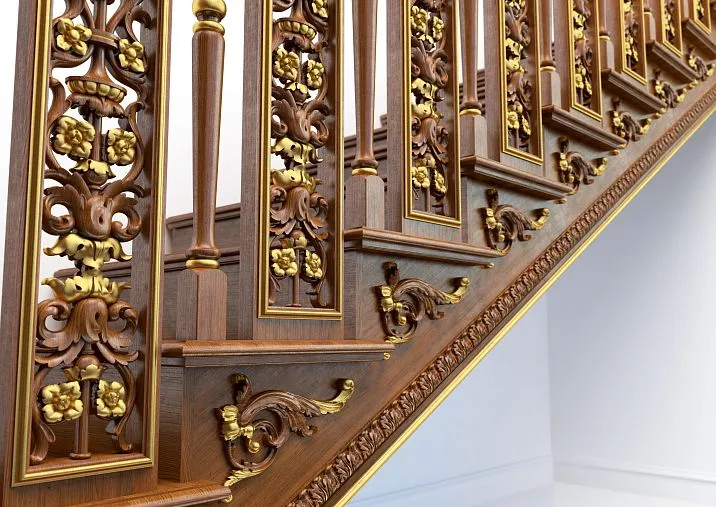
Carved posts for staircases are not just functional supports, but true works of art capable of transforming the interior, giving it elegance, individuality, and exclusivity. In an era when the home reflects taste and status, carved structures play a key role in creating a unique look for the space. This article, exceeding 2000 words, thoroughly examines an overview of carved structures, their impact on interior design, manufacturing technologies, and advice on selecting and caring for such elements. We also offer a look at the best solutions in this field and introduce the range of quality products available on the websitePosts for staircase.


Introduction
Every interior is a story told through details. The staircase in a home serves not only a utilitarian function but also becomes a central design element, unifying all spaces. Carved posts, as elements of the staircase, can add a touch of ancient elegance, sophistication, and even lend the room authenticity characteristic of old castles and palaces.
In recent decades, carved structures have experienced a renaissance due to renewed interest in traditional crafts, handcrafted work, and unique artistic finishes. Today, when mass production often gives way to individuality and exclusivity, carved posts for staircases have become symbols of status, impeccable taste, and respect for history. In this article, we will examine how carved elements influence the perception of interiors, why they are so popular, and which technologies enable the creation of pieces that delight the eye for generations.




Advantages of Carved Structures
Our factory also produces:



Aesthetic Appeal and Exclusivity
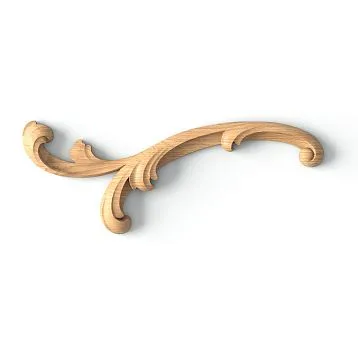
Carved posts for staircases are true works of art. Every line, every pattern, created by the master, carries deep meaning and aesthetic value. Such structures are capable:
● Add elegance and refinement. Carving gives items volume and depth, making them a central accent in the interior.
● Create an exclusive look. Each carved detail is unique, and its presence in the home speaks to the owner’s refined taste and individuality.
● Introduce historical context. Carving is an ancient craft with roots in history. Using carved elements allows one to emphasize a connection to traditions and culture.
Modern designers actively use carved posts in their projects, creating interiors where every detail tells its own story. Such items can serve as a striking accent or a harmonious addition to an existing style.
Get Consultation
Craftsmanship and Individuality
Creating carved posts requires not only technical skills but also a creative approach. Each master infuses a part of their soul, transforming wood into a unique artwork. This process allows achieving:
● Individuality of the item. Unlike mass-produced products, carved posts possess a character that cannot be replicated.
● High level of detail. Small ornaments, complex patterns, and meticulous work on texture create visual richness and depth.
● Strength and durability. Properly executed carving is not only beautiful but also reinforces the structure, ensuring its resistance to loads.
Such craftsmanship is especially valued in the premium segment, where clients are not looking for mere interior elements, but true masterpieces capable of becoming family heirlooms. In this context, carved balusters for staircases are an indispensable part of an exclusive interior.
Influence of Carved Balusters on Interior Design
Creating Design Accents
Carved balusters are a powerful design tool capable of transforming any space. They can perform several functions simultaneously:
● Central compositional element. Due to their expressiveness, carved structures can become a focal point in the interior, drawing attention and setting the tone for the entire space.
● Connecting different styles. Carving integrates successfully into both classical and modern design. Combining carved balusters with minimalist elements, such asbalusters for staircasesallows creating an interesting contrast between antique elegance and modern simplicity.
● Emphasizing luxury. In premium-class interiors, carved balusters serve as a symbol of wealth and refined taste. They make the space more sophisticated and attract admiring glances from guests.
Historical Perspective and Modernity
Wood carving has a long history, rooted in ancient civilizations. Over time, carving techniques and styles evolved, reflecting the cultural and historical characteristics of different eras. In modern design, carved balusters acquire new life, combining ancient traditions with modern processing technologies and aesthetics:
● Reviving traditions. Modern artisans often turn to ancient motifs, recreating ornaments characteristic of various cultures—from classical Greek to Eastern. This allows creating unique items capable of telling the story of their time.
● Innovative solutions. Using modern tools and processing technologies allows achieving incredible precision and detail. This ensures high quality and durability of carved balusters, which is especially important for elements subjected to constant mechanical loads.
● Blending eras. In modern interiors, a harmonious combination of vintage elements and the latest design solutions is often observed. Carved balusters can seamlessly fit into contemporary spaces, adding them a unique depth and layering.
Combining with other interior elements
Integrating carved balusters into the interior requires attention to detail and thoughtful selection of complementary elements. Here are some recommendations:
● Staircase handrails. Carved balusters can be beautifully complemented bystaircase handrailsexecuted in a restrained style, to avoid diverting attention from the main feature—the carving.
● Newel posts. Decorative newel posts help complete the staircase composition, emphasizing the high level of craftsmanship and adding a finishing touch to the design.
● Color palette and textures. Wood carving harmonizes beautifully with natural tones and textures. Using warm hues, natural stone, and metal creates a harmonious ensemble in which carved balusters become an organic continuation of the overall interior concept.
As a result, a thoughtful combination of carved balusters with other decorative elements can create a unique atmosphere reflecting the homeowners' individuality and emphasizing their appreciation for quality and art.
Manufacturing Technologies for Carved Balusters
Traditional Carving Methods
The origins of carved structures lie in ancient crafts, when each artisan possessed unique knowledge and woodworking techniques. Traditional methods include:
● Hand carving. This method requires the highest concentration and skill. The artisan, using simple tools such as knives, chisels, and gouges, creates complex patterns conveying the atmosphere of antiquity and handcrafted work. Hand carving is not only a method of creating decorative elements but also a process that allows preserving cultural heritage.
● Use of stencils and templates. In some cases, stencils are used to speed up work, allowing for the repetition of ornamental elements. However, even when using templates, individual refinement of each item is essential to preserve its uniqueness.
● Traditional motifs. Motifs borrowed from folk art, religious symbolism, and historical traditions imbue carved balusters with deep meaning. Such patterns are passed down from generation to generation and become an inseparable part of cultural code.
Modern Technologies in Manufacturing Carved Balusters
Today, traditional crafts actively combine with modern technologies, enabling the creation of high-quality items with remarkable precision:
● CNC machines. Modern computer technologies allow using numerical control for cutting and engraving. This ensures high precision and repeatability of patterns, enabling the creation of complex geometric compositions previously accessible only by hand.
● Laser cutting. Laser technologies allow cutting the finest details with incredible precision, which is especially important when creating highly detailed items. Laser cutting helps achieve clean lines and accurate contours while preserving the uniqueness of the pattern.
● Combined methods. Many modern artisans combine handwork with technological innovations, allowing them to preserve the soul of the item while increasing its precision and durability.
Thanks to the combination of tradition and innovation, modern carved balusters for staircases acquire new forms while remaining true to their historical essence and unique aesthetics.
How to Choose Carved Balusters for Staircases
Selection criteria
When selecting carved balusters for staircases, consider several important aspects:
● Material. The quality of wood is the foundation of the product's longevity. Prefer strong and durable wood species such as oak, beech, or larch.
● Carving style. Choose carving that harmoniously fits the overall interior. This can be classical ornamentation or modern abstract motifs.
● Craftsmanship. Pay attention to the quality of the craftsman's work. Unique carved balusters should be executed with high detail, without rough seams or flaws.
● Compatibility with other staircase elements.balusters for staircases, staircase handrails and newel posts to create a harmonious ensemble.
Installation and Maintenance
Proper installation of carved balusters is not only a guarantee of aesthetics, but also of the safety of the staircase:
● Professional installation. It is recommended to entrust the installation to qualified specialists who know all the nuances of mounting and treating wood.
● Regular maintenance. To preserve the original appearance of the items, regularly apply special treatments (varnish, oils, antiseptics) that will protect the wood from moisture, temperature fluctuations, and mechanical damage.
● Periodic inspection. Regular checking of the condition of carved elements will help identify and eliminate minor defects in time, extending the product's service life.
Following these recommendations will allow you to enjoy the beauty and functionality of carved balusters for many years.
Practical Recommendations for Integrating Carved Balusters into Interior Design
Design and Composition
Creating a harmonious interior where carved balusters for staircases take center stage requires careful planning:
● Defining a focal point. A carved baluster can become the main accent in the interior, around which the entire composition is built. Choose a design that highlights the individuality of your space.
● Color palette. Natural wood tones harmonize beautifully with neutral and contrasting colors. Use colors that emphasize the texture of carved elements, creating a sense of depth and volume.
● Style blending. Carved balusters can be integrated into both classic interiors and modern minimalist spaces. It is important that the chosen carving style harmonizes with the overall design concept.
Space Optimization
Carved structures can visually expand space and give it a distinctive character:
● Using carved elements in transition zones. The staircase is a place where functionality and aesthetics meet. Carved balusters here can serve as a connecting element between different areas of the house.
● Balance and proportions. Proper distribution of carved elements in the interior creates a sense of harmony and balance. Pay attention to proportions: too fine carving may get lost in the overall volume, while overly ornate carving may overload the space.
● Playing with lighting. Lighting effects directed at carved balusters can highlight their texture and fine details, creating a dynamic visual impression.
Where to Buy Carved Balusters for Staircases
If you have decided to transform your home with exclusive carved structures, it is important to choose proven manufacturers that guarantee high quality and durability of the products. By consulting professionals, you not only receive high-quality products, but also get consultations on installation, maintenance, and design.
On the websitePosts for staircase and newel posts, which will allow you to create a harmonious ensemble meeting all requirements of modern design.balusters for staircases, stair railings and newel posts, which will allow you to create a harmonious ensemble meeting all requirements of modern design.
Working with professionals guarantees an individual approach and the opportunity to realize even the most daring design solutions, ensuring quality proven over time and exclusivity of each interior element.
Conclusion
Carved balusters for staircases are not just decorative elements, but embodiments of art, craftsmanship, and traditions capable of bringing an atmosphere of elegance, exclusivity, and refinement into the interior. Each carved detail tells its own story, uniting the past and present, creating a harmonious and individual space image.
In this article, we considered:
● Aesthetic and functional value of carved structures that highlight the uniqueness of the interior.
● Historical depth and modern technologies enabling the creation of items with high precision and durability.
● Practical tips on selecting, installing, and caring for carved balusters to preserve their beauty for many years.
● The importance of harmoniously combining carved balusters with other interior elements, such asbalusters for staircases, stair railings and handrails.
Integrating carved balusters into the interior is a bold step toward creating a unique and luxurious space. Such items not only decorate the home but also become reflections of the owner’s personality, symbols of taste, status, and respect for traditions.
Choose exclusive carved structures, experiment with shapes, materials, and colors, and let every detail of your interior speak to your pursuit of perfection. Invest in quality proven over time, and enjoy an atmosphere of luxury and harmony every day.