Article Contents:
- Wooden carved cornice: elegance and roof protection
- Functionality and beauty in one element
- Advantages of wooden carved cornices
- Applications of carved cornices
- How to choose a carved cornice for the roof
- Why a wooden carved cornice is the best choice
- Wooden carved house facade: uniqueness and traditions
- Decorative expressiveness and functionality
- Wooden carved decorations for house facade: details that transform
- Aesthetics in every detail
- Decorative carved wooden board: a universal element for facade decoration
- Functionality and elegance
- Conclusion: Carved structures for roof and house facade — art and practicality
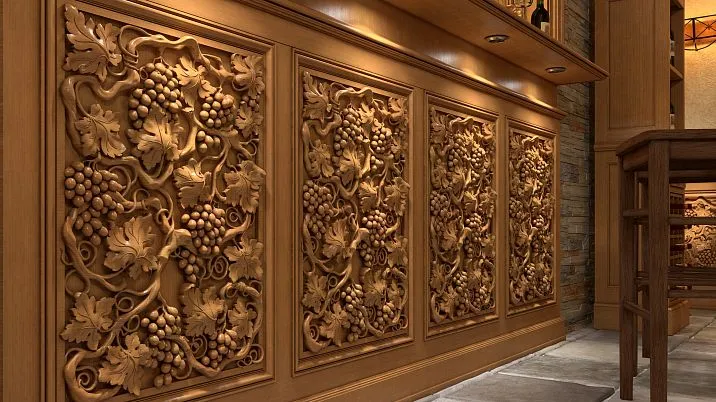
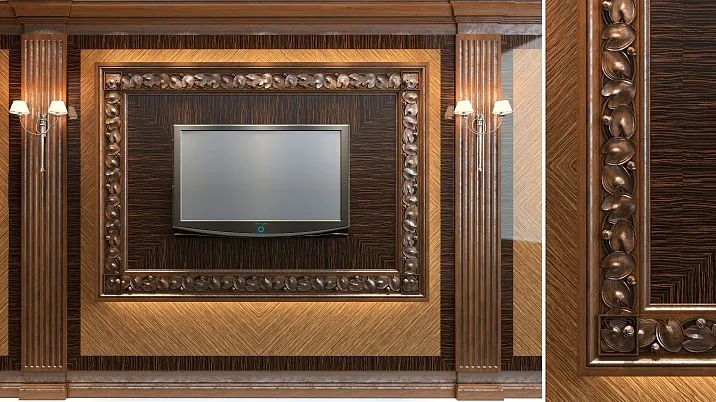
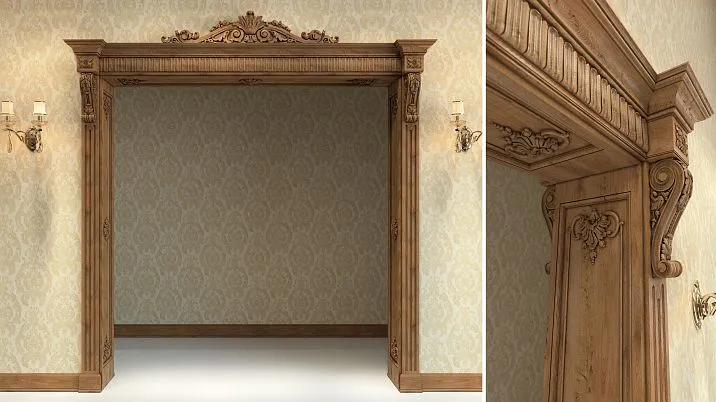
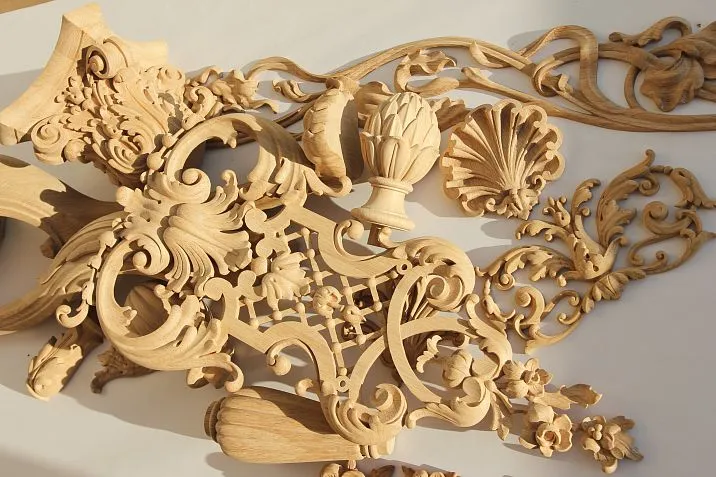
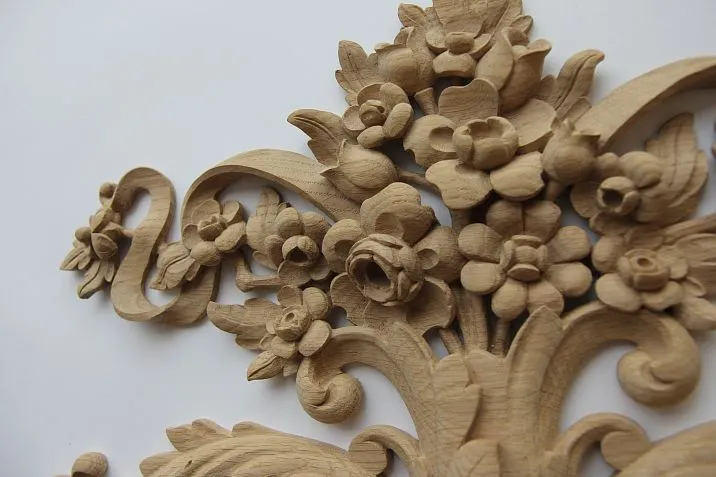
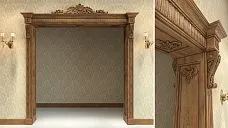
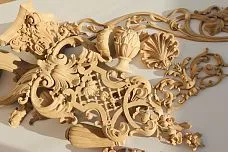
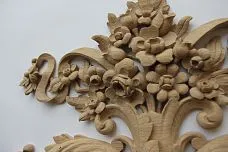
Carved structures for roof and house facade are not just architectural elements, but a real way to highlight your home, emphasize its style, and create a cozy atmosphere. Details such as wooden carved cornices, decorative boards, and facade ornaments combine aesthetics, functionality, and traditions of wooden architecture. In this article, we will explain how carved elements can transform the exterior appearance of your home.


Wooden carved cornice: elegance and roof protection




Functionality and beauty in one element
Wooden carved cornice It is not just a decorative detail, but an important part of the roof structure. The cornice serves not only as decoration but also performs key functions: protects the house walls from moisture and precipitation, increases the lifespan of the facade, and gives the building architecture a finished look. This combination of aesthetics and practicality makes carved cornices popular both for private homes and commercial buildings.
Complex patterns on cornices add sophistication to the house, highlighting its unique style. These elements are made from solid wood species such as oak, beech, or pine, ensuring their strength, durability, and resistance to adverse weather conditions.
Our factory also produces:


Advantages of wooden carved cornices
- Refined aesthetics. Complex carved patterns make cornices an essential part of the house's decorative design. Ornaments can be classical or modern, allowing cornices to be adapted to any architectural style.
- Functionality. The cornice protects the house walls from rain, snow, and dirt, preventing damage and keeping the facade in good condition.
- Strength and durability. Using solid wood guarantees resistance to loads and climatic influences. Proper wood treatment protects it from moisture, mold, and insects.
- Harmony with the landscape.Wooden carved cornice for the roof Harmoniously blends with the natural surroundings, creating harmony between the house and the landscape.
- Ecological. Wood is a natural material that is not only safe for humans but also creates a cozy atmosphere.
Get Consultation
● Functional protection. Cornices, boards, and other elements protect the facade from moisture, dirt, and mechanical damage.
- Residential houses. Eaves add architectural completeness to the house, emphasizing its individuality.
- Cottages and country houses. In country homes, eaves help preserve the traditions of wooden construction, giving the house a warm and cozy appearance.
- Commercial buildings. Carved eaves are used for restaurants, hotels, and tourist complexes, highlighting their status and style.
How to choose a carved eave for a roof
- Material. For eaves, use wood species with high resistance to moisture, such as oak, beech, or larch.
- Design. Consider the house's style: classic requires intricate patterns, while minimalism calls for simple lines.
- Dimensions. The eave must match the proportions of the roof and facade to harmoniously blend into the building's overall appearance.
- Treatment. Ensure the eave is treated with antiseptics and moisture-protective agents to extend its service life.
Why a carved wooden eave is the best choice
Wooden carved cornice It is not only a functional roof element but also an eye-catching decorative accent that makes the house more attractive. Its use allows combining traditions with modern construction approaches, creating harmony between aesthetics and practicality.
Carved wooden facade of a house: uniqueness and traditions
Decorative expressiveness and functionality
Carved wooden facade of a house It is a way to highlight your house, emphasizing its uniqueness and aesthetic appeal. Such facades allow you to realize the boldest design ideas while preserving the warmth and coziness of wooden structures. Carving on the facade can be executed in the form of complex ornaments, patterns, or stylized motifs, making each building unique.
Carved facades are popular both in private homes and commercial buildings. They can be used for new constructions or restoration of historic buildings, adding character and charm. This is an excellent solution for those who appreciate traditional wooden architecture but wish to introduce modern touches into their homes.
Advantages of carved wooden facades
- Individuality. Complex carved patterns make the facade unique and memorable, emphasizing the character of the house.
- Aesthetics. Carving turns the facade into a work of art, making it the main focal point of the building.
- Durability and longevity. Wood treated with modern agents is reliably protected against climatic influences, insects, and decay.
- Ecological value. Natural wood creates a comfortable microclimate in the house, and its use supports traditions of ecological construction.
- Harmony with nature.Carved wooden facade of a house It blends beautifully into the landscape, emphasizing the unity of the house and its surroundings.
How to use a carved facade in home design
- Full facade coverage. Carved elements can be used to create a unique building appearance, covering the entire exterior of the house.
- Accent elements. Use carving on gables, balconies, or porches to draw attention to key architectural details.
- Restoration. Restoring old houses using carved facades helps preserve historical heritage and adds new striking details to the building.
Popular styles of carved facades
- Traditional. Patterns in the style of Russian wooden architecture with floral motifs, geometric ornaments, and plant elements.
- Modern. Minimalist lines and simple patterns that emphasize restrained elegance.
- Ethnic. Carving inspired by folk traditions, such as Eastern or Scandinavian motifs.
How to choose a carved wooden facade
- Materials. The optimal choice is oak, pine, or larch, as these wood species have high strength and resistance to climatic influences.
- Carving design. Consider the overall style of the house and its surroundings. The ornaments should harmonize with other decorative elements of the building.
- Processing. Ensure the wood has undergone special treatment to protect it from moisture, sunlight, and insects.
Why choose a carved wooden facade
Carved wooden facade of a house — it is not only a tribute to tradition, but also a way to highlight the status and taste of the house owner. Such a facade makes the building bright, stylish, and recognizable, combining the rich history of wooden construction with modern technologies.
Carved wooden decorations for the house facade: details that transform
Aesthetics in every detail
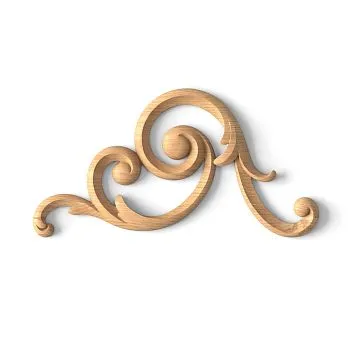
Carved wooden decorations for the house facade play an important role in creating an expressive and finished appearance of the building. These decorative elements help emphasize the style of the house, adding individuality and uniqueness. Wooden decorations are not only tradition, but also a modern solution that combines aesthetics and functionality.
Carved elements can be used to decorate windows, doors, balconies, gables, and other parts of the building. Thanks to the variety of forms and patterns, decorations suit houses in various architectural styles — from classic to modern.
Advantages of carved wooden decorations
- Design variety. Handmade patterns can be either complex and ornate or simple and minimalist, allowing you to select elements to match any style.
- Aesthetics. Decorations add expressiveness to the facade, making it the main focal point of the building.
- Functionality. In addition to their decorative role, these elements can protect the facade from damage and atmospheric influences.
- Ecological safety. Natural wood is a safe and environmentally friendly material that harmoniously blends into the surrounding environment.
- Durability. With proper treatment, wooden decorations retain their beauty and strength for many years.
Where to use carved decorations for the facade
- Gables and cornices. Carved details will emphasize the roofline, adding completeness and style to the house.
- Window openings. Decorations around windows create a focal point on their shape and make the facade more expressive.
- Door portals. Carved elements decorate the entrance area, emphasizing its importance.
- Balconies and verandas. Decorative carved panels add coziness to these areas and make them a stylish addition to the facade.
- Porch. Carving on railings or porch posts makes the entrance to the house more impressive.
How to choose carved decorations for the facade
- Determine the style of the house. For classic style, ornate patterns are suitable, while for modern style — restrained geometric lines.
- Choose the appropriate material. Use solid wood species such as oak, beech, or pine, which provide strength and durability.
- Consider sizes and proportions. Decorations should harmoniously complement other facade elements without visually overloading it.
- Check the treatment. Ensure the elements are protected from moisture, sunlight, and pests using special compounds.
Why choose carved decorations for the house facade
Carved wooden decorations for the house facade — it is an excellent way to highlight the uniqueness of your home and make it one-of-a-kind. These elements not only decorate the building but also help preserve its aesthetic appeal and protect the facade from the effects of time.
Carved decorative wooden board: a universal element for facade decoration
Functionality and elegance
Carved decorative wooden board This is an element capable of transforming the exterior appearance of any building. It serves not only as decoration but also as an important functional addition. Carved boards are used to decorate cornices, pediments, balconies, verandas, and other structural parts of the facade, adding them individuality.
Decorative boards are made from solid wood such as pine, oak, or beech, ensuring their durability and resistance to atmospheric effects. Patterns on such boards can be executed in various styles: from classic to modern, allowing them to be adapted to any architectural solution.
Advantages of decorative carved boards
- Design diversity. Complex ornaments, plant motifs, and geometric patterns allow selecting a decorative board to match any facade style.
- Aesthetic expressiveness. A carved board makes the architectural appearance of a house complete and harmonious.
- Functionality. In addition to its decorative role, the board protects facade elements from moisture, dirt, and damage.
- Durability. With proper treatment, wood retains its qualities for many years, enduring temperature fluctuations and other climatic loads.
- Ecological safety. Natural wood is a safe and environmentally clean material that perfectly integrates into the landscape and architecture.
Where to use decorative carved boards
- Cornices. The board decorates the roof line, adding expressiveness to the upper part of the building.
- Pediments. Decorative carving on the pediment becomes the main accent of the facade.
- Railing. Using carved boards in balcony and terrace railings adds coziness and style.
- Window openings. Using decorative boards around windows emphasizes their shape and makes the facade more expressive.
- Porch. Carved boards on railings or porch railings transform the entrance to the house into a stylish architectural element.
How to choose a carved board for the facade
- Determine the building style. For traditional facades, intricate ornamental patterns are suitable, while for modern facades, simple lines and minimalist design are preferred.
- Choose the material. Oak and beech ensure longevity, while pine is easier to process and more affordable.
- Dimensions and proportions. Ensure the board harmoniously complements other facade elements without overwhelming the building's overall appearance.
- Treatment. Use boards protected with special compounds against moisture, UV radiation, and insects to ensure they retain their appearance for a long time.
Why choose a carved decorative board
Carved decorative wooden board This is a universal element suitable for decorating facades and other structural parts of the house. It emphasizes the building's style, adding elegance, and protects the facade from external influences. Choosing a decorative board means investing in the longevity and attractiveness of your home.
Conclusion: Carved structures for roof and facade — art and practicality
Wooden carved elements for roof and facade of a house are not just decorative details, but key elements of architectural style that highlight the building's individuality. Such items asWooden carved cornice, carved facade of a house, decorative boards and ornaments, combine aesthetics, functionality, and durability.
These structures perform several tasks:
● Aesthetic appeal. Carving adds elegance, making your home stylish and unique.
● Uniqueness. Each carved element is handmade, making it exclusive.
● Ecological safety. Natural wood creates a cozy microclimate and is safe for health.
● Ecological. Natural wood creates a cozy microclimate and is safe for health.
Why choose carved wooden structures?
- Investment in longevity. High-quality materials and professional processing ensure the longevity of carved elements.
- Support for traditions. Carved structures preserve the cultural heritage of wooden architecture, adding historical value to the home.
- Harmony with nature. Wood, as a natural material, creates a connection between the house and its surroundings, emphasizing natural beauty.
- Versatility of application. Carved structures suit homes in various styles: from classic to modern.
Transform your home with carved structures
Using carved structures for the roof and facade of a house, such ascarved cornicefacade, decorations, and decorative boards, makes your home not only aesthetically appealing but also more protected from external influences. These elements create harmony between the house and its surrounding landscape, turning it into a cozy and stylish space.
Choosing carved wooden items gives you not only a unique外观 but also reliable protection for the facade and roof. Create your dream home using carved structures that combine beauty, functionality, and tradition.