












































































Article Contents:
- Philosophy of Home Coziness
- Evolution of Style: From Traditions to Modernity
- Russian Soul in Wooden Patterns
- European Elegance in Home Interiors
- Eastern Wisdom in Wooden Forms
- Anatomy of Beauty: Types and Applications of Carved Decor
- Applied Elements: Universal Accents
- Three-Dimensional Carving: Sculpture in the Interior
- Functional Decor: Beauty with Purpose
- Material Foundation of Craftsmanship
- Wood Species: Character and Destiny
- Processing and Finishing: From Rough Cut to Masterpiece
- Stylistic Diversity: Find Your Language
- Minimalism in Wooden Carving
- Loft and Industrial Chic
- Provence and Country: Rustic Romance
- Home Zoning: Where and How to Apply Carved Decor
- Living Room: The Heart of the Home
- Entryway: First Impression
- Bedroom: Intimacy and Peace
- Children's Room: Fairy Tale in Details
- Kitchen: Functional Beauty
- Technological Innovations in Traditional Craft
- CNC Machines: Precision Serving Beauty
- 3D Modeling: Virtual Workshop
- Laser Technologies: Jewel-like Precision
- Color Solutions: Palette of Nature and Fantasy
- Natural Beauty of Wood
- Natural Beauty of Wood
- Toning: Expanding Possibilities
- Patina: The Nobility of Time
- Installation and Mounting: Secrets of Longevity
- Surface Preparation
- Mounting systems
- Final finishing
- Care and Operation: Beauty for Centuries
- Daily care
- Preventive maintenance
- Restoration: Returning to Life
- Economic Aspects: Investment in Beauty
- Cost Formation
- Long-term perspective
- Comparison of Alternatives
- Trends and prospects for development
- Ecological responsibility
- Personalization and uniqueness
- Technology integration
- Conclusion: Choosing in Favor of Eternal Values
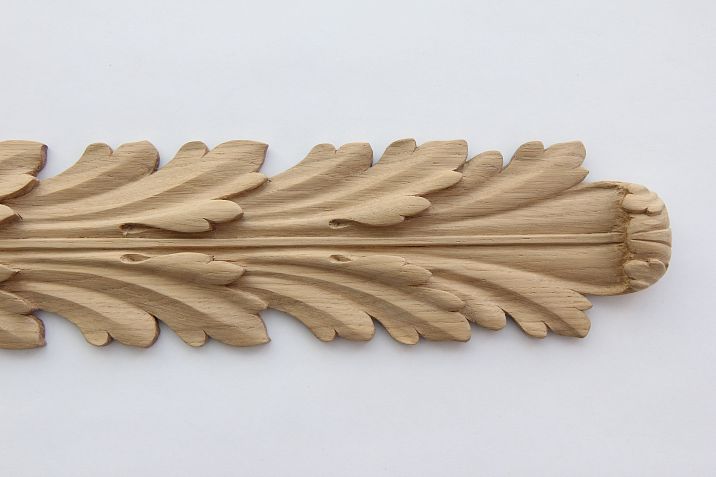
Home is not just walls and roof. It is a reflection of the soul, a place of power, a space for life and inspiration. And precisely wooden carving decoration for home it can transform an ordinary dwelling into a true temple of beauty, where every element breathes history and the craftsmanship of human hands.


The Magic of Wood Carving: How to Bring Life to Your Home
Imagine morning in a home where every detail tells a story. Sunlight glides over elegant carved ornaments, creating a wonderful play of light and shadow. Your fingers involuntarily touch the warm surface of the wood, feeling its living energy. This is not fantasy — it is reality, gifted by decorative wooden appliqués.




Philosophy of Home Comfort
Why does a person reach for wood? This material holds centuries of memory, absorbs sunlight and rain, grows under starry skies. When we introduce carved decoration into our home, we create a bridge between urban civilization and primordial nature.
Modern psychology confirms: the presence of natural materials in interior design reduces stress levels by 35%, improves sleep quality, and enhances overall well-being. Wooden solid pieces do not merely decorate space — they heal the soul, bringing us back to our roots.
Our factory also produces:


Evolution of Style: From Traditions to Modernity
Get Consultation
Russian Soul in Wooden Patterns
Our country is the cradle of remarkable traditions of wooden architecture. From northern palaces with their delicate window frames to southern estates with refined balconies — everywhere wood carving served not only as decoration, but also as a talisman, a symbol of family prosperity.
Today, these traditions are reinterpreted by masters creating wooden carved elements for modern interiors. Classic motifs — floral ornaments, geometric patterns, symbolic images — find new life within the context of current design solutions.
European Refinement in Home Interiors
The European school of carving gifted the world with exquisite baroque scrolls, strict classical lines, elegant rococo forms. These styles adapt beautifully to Russian realities, creating aristocratic-level interiors.
Main European Directions in Wood Carving Decor:
- Baroque — abundance of forms, dramatic curves, richness of details
- Classicism — strict symmetry, noble restraint, mathematical precision of proportions
- Rococo — elegant asymmetry, maritime motifs, playful lines
- Empire — grandeur, military symbolism, monumentality
Eastern Wisdom in Wooden Forms
Eastern carving traditions carry a unique philosophy. Each element here is not random — it is a symbol carrying a specific energy. Chinese dragons bring luck, Japanese cherry blossoms offer harmony, Indian mandalas create a meditative atmosphere.
Anatomy of Beauty: Types and Applications of Wood Carving Decor
Overlay elements: universal accents
Overlay decor allows you to transform existing furniture and interiors without major changes. Carved overlays for furniture are mounted over existing surfaces, instantly turning an ordinary cabinet into a work of art.
Overlay element size range:
|
Element type |
Dimensions (mm) |
Thickness (mm) |
Application |
|
Central outlets |
Ø80-400 |
8-25 |
Cabinet fronts, bed headboards |
|
Corner overlays |
50×50-150×150 |
5-15 |
Furniture corners, mirror frames |
|
Border strips |
20×1000-80×2000 |
3-10 |
Panel trims, cornices |
|
Figurative compositions |
100×200-300×500 |
10-30 |
Central accents, portals |
Relief carving: sculpture in the interior
Three-dimensional carved elements create a unique atmosphere in the home. They do not merely decorate — they transform space, adding depth and character. Corner decorative elements become architectural accents that organize and structure the interior.
Functional decor: beauty with purpose
Modern approaches to carved decor involve combining aesthetics and functionality. Carved consoles not only decorate walls but also serve as shelves. Decorative panels can conceal engineering utilities. Carved screens zone the space.
Material base of craftsmanship
Wood species: character and destiny
Each wood species possesses a unique character that manifests in the finished product. Material selection determines not only the appearance of the decor but also its durability and behavior under various usage conditions.
Oak is the king among wood species for carving. Its dense structure allows creating delicate details that do not deform over time. Tannins contained in the wood impart natural resistance to moisture and pests. Color ranges from light yellow to dark brown, allowing decor to match any interior color scheme.
Beech has a fine-grained structure and a pleasant pinkish hue. This species is ideal for creating smooth, curved forms. Carved beech elements are especially suitable for children's rooms and bedrooms — they create a sense of warmth and security.
Ash is attracted by its contrasting texture with clearly defined annual rings. This feature makes it indispensable for modern interiors, where the expressiveness of natural forms is valued.
Processing and finishing: from rough stock to masterpiece
The path from raw wood to a finished decorative element is a complex technological chain, each link of which affects the quality of the final product.
Wood drying is the first and critically important stage. The moisture content of finished items must not exceed 8–12%, which is ensured by specialized drying chambers with programmable control. Violating the drying regime leads to cracking, deformation, and other defects.
Cutting rough stock requires consideration of grain direction, knot placement, and other wood characteristics. An experienced craftsman sees the future product in the unprocessed board, selecting the optimal cutting layout.
Carving can be performed manually or using CNC machines. Modern technologies allow combining both approaches: automated equipment creates the main shape, while the master carver performs the final detailing of the elements.
Stylistic diversity: find your language
Minimalism in wood carving
Modern minimalism does not exclude the use of decorative elements — it merely requires particular restraint and careful planning. wooden carving decoration for home In a minimalist style, it is characterized by simple forms, strict geometry, and the absence of small details.
The color palette is limited to natural wood tones or monochromatic solutions. Each element must have a functional justification and logically fit into the overall interior concept.
Loft and industrial chic
It seems that carved wood and industrial style are incompatible concepts. However, it is precisely the contrast between the roughness of metal and concrete and the elegance of wood carving that creates a unique atmosphere of modern loft.
Carved elements in an industrial interior should be large, expressive, with deliberately simple processing. The imitation of aging and intentional roughness of finishes are welcomed.
Provence and country: rustic romance
Provence and country styles are ideally suited for using carved decoration. Here, floral motifs, elegant scrolls, and imitation of wear and traces of time are appropriate.
The color palette includes pastel tones, whitewashed surfaces, soft transitions between shades. Each element should create a sense of home comfort and provincial charm.
Zoning the home: where and how to apply carved decoration
Entryway: first impression
The hallway is the home’s calling card. It is here that the first impression of the owners’ tastes and preferences is formed. Carved elements in the hallway should be representative but not overwhelm the small space.
Ideal solutions:
- Carved console under the mirror
- Decorative appliqués on cabinet facades
- Carved hooks for clothing
- Three-dimensional panels on walls
Living room: the heart of the home
The living room is the central space of the home, where the family gathers and guests are received. Here, carved decoration can be the most expressive and diverse.
The fireplace is a natural focal point in the living room. A carved portal transforms an ordinary fireplace into a work of art. Classical motifs — columns, capitals, pediments — create a sense of solemnity and significance.
Furniture groups are united by a common style of carved decoration. A coffee table with carved legs, a sofa with decorative appliqués on the armrests, bookshelves with carved brackets — all this creates a harmonious ensemble.
Bedroom: intimacy and tranquility
The bedroom requires a special approach to choosing decor. Here, overly active forms and contrasting colors are inappropriate. Carved elements should contribute to relaxation and rest.
The headboard is the main accent in the bedroom. A carved composition creates a sense of protection and coziness. Floral motifs, soft curves, warm wood tones — all this contributes to creating an atmosphere of peace.
Children's room: fairy tale in details
The children's room is a special space where carved decoration can become part of the child's play and development. Safety here is the top priority.
Carved elements should have rounded corners, smooth surfaces, secure mounting. Images can be fairy-tale — flowers, butterflies, animals, geometric shapes, which help develop imagination and aesthetic taste.
Kitchen: functional beauty
The kitchen is a zone of increased load, where decor must be not only beautiful but also practical. High humidity, temperature fluctuations, possibility of contamination — all this imposes special requirements on materials and finishing.
Cabinetry with carved facades are coated with special moisture-resistant compounds. Dense wood species — oak, ash — are preferred as they better withstand adverse influences.
Technological innovations in traditional craftsmanship
CNC machines: precision at the service of beauty
Modern CNC machines have revolutionized the production of carved decoration. Five-axis milling centers are capable of creating the most complex three-dimensional compositions with precision down to hundredths of a millimeter.
Advantages of CNC technology:
- Absolute repeatability of products
- Ability to create complex geometric forms
- High productivity
- Minimal material waste
- Ability to work with large-sized blanks
3D modeling: virtual workshop
Each carved element today begins with a computer model. Designers create virtual prototypes that can be viewed from all angles, modified, and evaluated for harmony with other interior elements.
3D modeling allows:
- Visualize the result before production begins
- Optimize material usage
- Calculate loads and deformations
- Create technical documentation for production
Laser technologies: jewel-like precision
Laser cutting and engraving open new possibilities for creating decoration. The laser beam thickness is measured in fractions of a millimeter, enabling the creation of delicate details unattainable through mechanical processing.
Laser technologies are indispensable for:
- Creating delicate compositions
- Applying fine ornaments
- Manufacturing templates and stencils
- Personalizing products
Color solutions: palette of nature and fantasy
Natural beauty of wood
The natural color of wood is a palette created by nature itself. From nearly white birch to dark wenge — each species has its own distinctive shade and texture.
Transparent finishes — oils, waxes, varnishes — preserve and enhance the natural beauty of wood. They create a protective layer without hiding the wood’s texture and color.
Staining: expanding possibilities
Stains and tinting compounds allow changing the color of wood while preserving its texture. Modern dyes enable imitation of exotic species and creation of unusual color effects.
Popular Staining Directions:
- Classic shades — walnut, mahogany, ebony
- Modern solutions — gray tones, whitewashed surfaces
- Color effects — green, blue, purple shades
- Metallic finishes — gold, silver, bronze
Patina: The nobility of time
Artificial aging imparts antique dignity to new items. Patina is applied into relief recesses, emphasizing the composition's depth.
Patina Techniques:
- Dry brush — gentle touch on protruding parts
- Glazing — application of semi-transparent layers
- Crackle — imitation of cracks in old lacquer
- Wax patina — soft transitions between shades
Installation and Mounting: Secrets of Longevity
Surface preparation
Quality installation of carved decoration begins with careful preparation of the base. The surface must be flat, clean, and dry. Any irregularities exceeding 2 mm require leveling.
Preparation Stages:
- Cleaning from old coatings and contaminants
- Sanding to create texture
- Degreasing with special agents
- Priming to improve adhesion
Mounting Systems
The choice of mounting method depends on the size, weight, and purpose of the decorative element. Lightweight overlays can be mounted with adhesive, while heavy, voluminous elements require mechanical fastening.
Adhesive mounting is suitable for overlays up to 15 mm thick and up to 500 cm² in area. Polyurethane or epoxy adhesives are used, providing a bond strength of up to 8 MPa.
Mechanical mounting is used for heavy elements. Screws, bolts, or studs are concealed with decorative caps or integrated into the overall composition.
Final finishing
After installation, all joints are sealed, irregularities are filled with putty, and the surface is prepared for final finishing. The quality of this stage largely determines the final appearance of the item.
Care and Use: Beauty for Centuries
Daily Care
Carved decoration requires no complex care, but demands regular attention. Dust from relief recesses is removed with a soft brush or special cloths.
Care Recommendations:
- Avoid direct water contact
- Use only mild cleaning agents
- Do not use abrasive materials
- Control air humidity (40-60%)
Preventive Maintenance
Carved decor requires preventive inspection once a year. The condition of the coating, reliability of fastening, and absence of damage are checked.
If necessary:
- Protective coating is renewed
- Fasteners are tightened
- Minor defects are repaired
- Deep cleaning is performed
Restoration: bringing back to life
Even high-quality items may require restoration over time. Modern technologies allow restoring almost any damage.
Types of restoration work:
- Reconstruction of lost fragments
- Repair of chips and cracks
- Updating color and texture
- Replacement of damaged elements
Economic aspects: investment in beauty
Formation of cost
The price of carved decor depends on many factors. Understanding these factors will help make an informed choice and optimize costs.
Main pricing factors:
- Material — from pine to exotic species (price difference up to 10 times)
- Processing complexity — from simple milling to hand carving (price difference up to 8 times)
- Item size — affects material consumption and processing time
- Coating type — from simple varnish to multi-layer patina
- Urgency of execution — express orders cost 30-50% more
Long-term perspective
Quality carved decor is an investment in the long-term perspective. With proper care, items serve for decades without losing their initial appeal.
Advantages of long-term investments:
- Increase in value over time
- Possibility of restoration and updating
- Transfer as family heirloom
- Increase in property value
When choosing decor, it is important to compare different options not only by initial cost but also by total cost of ownership.
Possibility of restoration
|
Material |
Service life |
Aesthetic value |
Ecological safety |
Natural wood |
|
50-100 years |
Full |
Maximum |
Very high |
MDF with film |
|
Limited |
10–15 years |
Plastic |
Medium |
Medium |
|
15-25 years |
Traditional carved decoration begins to integrate with modern technologies. Hidden lighting, wireless charging, smart home systems — all of this finds its place in decorative elements. |
Impossible |
Low |
Low |
|
Polyurethane |
20-30 years |
Partial |
Medium |
High |
Trends and Development Prospects
Ecological responsibility
Growing attention to ecological issues affects the development of the carved decor industry. Consumers increasingly choose products made from certified wood, produced in accordance with sustainable forestry principles.
Ecological trends:
- Use of FSC-certified wood
- Zero-waste production technologies
- Water-based coatings
- Reuse of waste
Personalization and uniqueness
Modern consumers seek uniqueness and individuality in interior design. This stimulates the development of personalized production of carved decor.
Directions of personalization:
- Custom ornaments and monograms
- Adaptation to specific interiors
- Recreating historical samples
- Designer's original solutions
Integration of technologies
Technological novelties:
LED lighting with adjustable color
- Built-in speakers for audio systems
- Wireless charging devices
- Climate and motion sensors
- In an era of rapidly changing trends and disposable items
Conclusion: Choosing in Favor of Eternal Values
remains a symbol of constancy and quality. This is a choice in favor of beauty that does not age, of material that lives and breathes alongside us. wooden carving decoration for home Each carved element is a small victory of the human spirit over the dullness of everyday life. It is a way to create a home that becomes not just a place of habitation, but a source of inspiration, energy, and emotional balance.
Wood carving connects us with centuries-old craftsmanship traditions, with nature, with our cultural roots. In a world where everything becomes virtual and ephemeral, the tactile reality of wood brings us back to true values.
Investing in quality carved decoration is investing in the future — in beauty that will delight our children and grandchildren, in craftsmanship that will be passed down to future generations, in a home that will become a true family stronghold.
The company STAVROS has been creating works of wooden art for more than fifty years, combining traditional craftsmanship with advanced production technologies. Every STAVROS product is a guarantee of quality, an embodiment of beauty, and a pursuit of perfection that will remain relevant for many years. Choosing STAVROS means choosing not just decoration — you are choosing a philosophy of life where beauty and quality come first.
Modern technologies allow combining the best traditions of the past with innovative solutions of the present. The result — items that meet the most demanding requirements for quality, functionality, and aesthetics.
92.07 $





