Article Contents:
- Psychology of Perceiving Textured Surfaces
- Material Embodiment of Ideas: Wood as the Foundation of Art
- The Nobility of Natural Materials
- Stylistic Diversity: From Classic to Modern
- Modern Processing Technologies
- Classic Ornaments: Time-Tested Beauty
- Geometric Carving: Triumph of Order
- Functional Solutions: Beauty with Practical Purpose
- Modern Interpretations
- Kitchen Facades: The Heart of the Home
- Bedroom Furniture: Intimacy and Luxury
- Living Room: Representativeness and Style
- Ways of Attaching Inlays
- Technical aspects of application
- Integration with Various Materials
- Dimensional Adaptation
- Value Increase
- Stylistic Compatibility
- Classic Interiors
- Modern styles
- Eclectic solutions
- Economic advantages
- Updating Instead of Replacing
- Dimensional Ratios
- Long-term perspective
- Manufacturing Technologies
- Handcrafted vs. Mass Production
- Quality Control
- Final finishing
- Design trends
- Ecological safety
- Personalization
- Functionality
- Regional Characteristics
- Russian Traditions
- European Schools
- Eastern influences
- Practical Recommendations for Selection
- Defining the style
- Dimensional Ratios
- Quality Characteristics
- Installation and Operation
- Surface Preparation
- Installation technology
- Maintenance and care
- Conclusion: An Investment in Beauty and Comfort
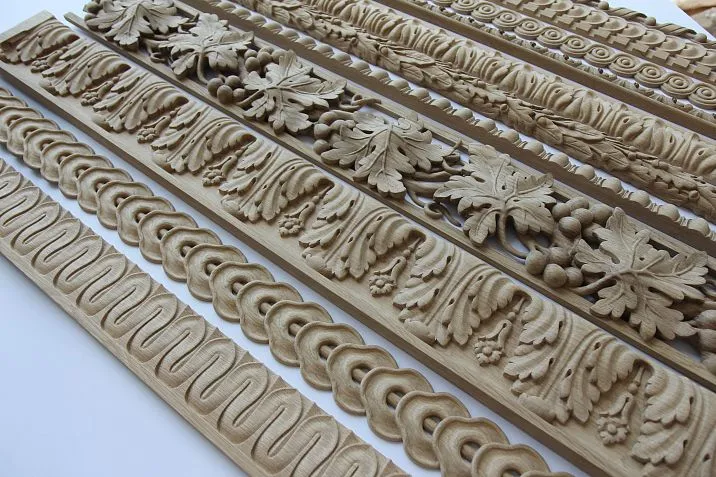
Can one touch transform ordinary furniture into a work of art? Can one infuse soul into blank facades and doors, making them tell stories of centuries? The answer lies in the wonderful world of carved furniture decor art that can radically transform any space, endowing it with character and unique beauty.
In an era of mass production, when furniture stores are filled with identical items, carved inlays become a magical key to individuality. They transform a standard chest into an antique treasure, a typical kitchen into the heart of the home, and a simple bedroom into royal chambers.


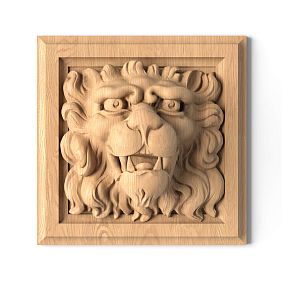

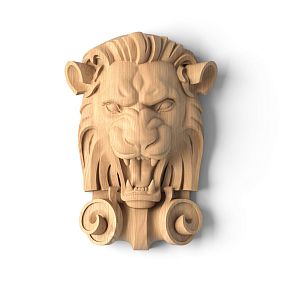
Alchemy of Transformation: From Simple to Exquisite
What happens when carved ornament appears on furniture surfaces? A true transformation miracle occurs. Decorative furniture inlays work like magical spells, changing not only the appearance of objects but also the atmosphere of the entire room.
Imagine a standard MDF kitchen set. Functional, practical, but utterly soulless. Now add elegant carved inlays with floral ornamentation to its facades. Suddenly, the kitchen acquires soul, becomes a cozy family hearth, where one not only cooks but also spends long evenings with a cup of tea.




Psychology of Perceiving Textured Surfaces
Human perception is structured so that we unconsciously gravitate toward relief and textured surfaces. Smooth planes appear cold and alien, while carved elements create a sense of warmth and closeness.
Carved furniture inlays activate tactile receptors even at first glance. The brain automatically imagines the sensation of running a hand over elegant scrolls, feeling the play of protrusions and recesses. This creates a subconscious desire for touch, making furniture more 'human-like'.
Our factory also produces:


Material Embodiment of Ideas: Wood as the Foundation of Art
Get Consultation
The Nobility of Natural Materials
Wood is a living material, each blank is unique. Annual rings tell the story of growth, knots and burls create an irreplaceable pattern. When a craftsman takes on creating wooden inlays for furniture, they are working not merely with material, but with living substance.
Today's carved decoration production is a symbiosis of traditional craftsmanship and advanced technologies. High-precision CNC machines create ideal geometry, while hand-finishing adds liveliness and individuality to the pieces.
Modern Processing Technologies
Laser processing allows achieving incredible detail in wooden facade decoration. Every line becomes perfectly sharp, every transition smooth and natural. At the same time, creative interpretation remains possible during the final finishing stage.
Stylistic diversity: from classic to modern
Stylistic diversity: from classic to modern
Classic ornaments: beauty tested over centuries
Plant motifs remain the most popular in the world of furniture decoration. Grapevines symbolize abundance, oak leaves — strength and longevity, roses — beauty and perfection. Each element carries not only decorative, but also symbolic meaning.
Carved elements in classic-style furniture are distinguished by harmonious proportions and deep detailing. Acanthus leaves with their characteristic curves, cartouches with scrolls, rosettes with radial ornamentation — these motifs have been tested over centuries and never go out of fashion.
Geometric carving: the triumph of order
For those who prefer strictness and minimalism, geometric ornaments are ideal. Triangles, rhombuses, circles form complex compositions where each element is mathematically precise in relation to the whole.
Such decorative elements for furniture look especially natural in modern interiors. They add depth and texture without disrupting the overall minimalist concept.
Modern Interpretations
Modern designers do not limit themselves to copying historical samples. They create new ornaments adapted to contemporary aesthetics. Stylized natural forms, abstract compositions, ethnic motifs — all of this finds expression in wooden furniture decoration.
Functional solutions: beauty with practical sense
Kitchen facades: the heart of the home
The kitchen is where the family spends the most time. Here, it is especially important to create an atmosphere of coziness and warmth. Decorative inserts for the kitchen transform a functional space into a true family hearth.
Carved elements on kitchen facades must combine beauty with practicality. Modern protective coatings make them resistant to moisture, temperature fluctuations, and easy to maintain. At the same time, they retain the full beauty of natural wood.
Bedroom furniture: intimacy and luxury
The bedroom is a personal space where comfort and beauty are especially important. Carved inserts for the bedroom create an atmosphere of intimacy and luxury. A bed headboard adorned with delicate carving becomes the central element of the interior.
Closets with carved facades turn clothing storage into an aesthetic pleasure. Every morning begins with the appreciation of beauty, setting a positive tone for the entire day.
Living room: representation and style
The living room is the home’s calling card. Here, guests are received, family evenings are held, holidays are celebrated. Carved furniture decoration in the living room should demonstrate the taste and status of the homeowners.
Walls and shelves with carved elements create a sense of solidity and respectability. Coffee tables with carved legs add elegance. Each element contributes to creating a cohesive image.
Technical aspects of application
Ways of mounting inserts
Correct installation is the guarantee of durability and aesthetic appeal of carved decoration. There are several ways to mount inserts onto furniture surfaces.
Adhesive bonding is the most common method. Modern adhesives provide strength for decades. It is important to properly prepare surfaces — they must be clean, dry, and degreased.
Mechanical fastening is used for large elements. Hidden self-tapping screws ensure reliability without compromising aesthetics. Fastening points are carefully masked and become inconspicuous.
Integration with various materials
Modern furniture is made from various materials — MDF, particleboard, solid wood, plastic. Wooden furniture inserts must harmoniously integrate with any base material.
Special attention is required when working with laminated surfaces. Here, it is important to ensure reliable adhesion and prevent peeling of the decorative coating.
Dimensional adaptation
Each piece of furniture has its own proportions and dimensions. Carved inserts must match the scale of the item. Too large elements will look crude, too small ones will disappear on large surfaces.
Professional manufacturers offer a wide range of sizes or produce elements to custom dimensions. This allows finding the perfect solution for any furniture.
Stylistic compatibility
Classic Interiors
In classical interiors Carved furniture decor Feels like home. Here, it can fully reveal its grandeur — lush baroque compositions, elegant rococo scrolls, strict neoclassical geometry.
It is important to maintain stylistic unity. All elements must be executed in one manner, complement each other, and create a harmonious composition.
Modern Styles
It seems that carved decoration and minimalism are incompatible. However, experienced designers skillfully integrate carved elements into modern interiors. The key is a sense of proportion and proper choice of ornaments.
Lacquered geometric overlays, stylized natural forms, asymmetrical compositions — all of this can organically fit into a modern interior.
Eclectic Solutions
Eclecticism — mixing various styles — provides maximum freedom for creativity. Here, carved furniture overlays can combine with the most unexpected elements.
Classic carved overlays on ultra-modern furniture, ethnic motifs in European interiors — such contrasts create vivid, memorable images.
Economic advantages
Renovation instead of replacement
Carved overlays are an economical way to refresh tired furniture. Instead of buying new items, you can radically change their appearance by adding decorative elements.
An old Soviet wall with carved overlays can look no worse than expensive Italian furniture. A simple kitchen set becomes a handmade exclusive piece.
Increased cost
Furniture with quality carved decoration significantly increases in price. This is especially relevant for antique and vintage items. Carved furniture hardware can increase the item's cost several times.
Long-term perspective
Quality carved elements serve for decades. Unlike trendy finishing materials that quickly become outdated, classical carving remains relevant always.
Manufacturing Technologies
Handcrafted vs. Mass Production
There is a fundamental difference between handmade items and mass production. Hand-carved work possesses liveliness and individuality that cannot be achieved by machine methods.
However, modern CNC machines allow creating elements of very high quality. The key is the proper combination of technologies and a creative approach.
Quality control
Quality carved details for furniture must meet strict standards. Geometric accuracy, clean finish, absence of defects — all of this is controlled at every stage of production.
Special attention is paid to wood moisture. Improperly dried material may deform after installation, ruining the entire furniture appearance.
Final finishing
Protective coatings not only protect wood from external influences but also highlight its natural beauty. Modern varnishes and oils provide long-lasting protection while preserving the original appearance of items.
Design Trends
Ecological safety
Modern consumers pay more attention to the ecological properties of materials. Natural wood treated with safe compounds fully meets these requirements.
Ecological furniture overlays do not emit harmful substances, are safe for health, and create a favorable microclimate in the room.
Personalization
Individuality is becoming an increasingly important value. Consumers want unique items that reflect their personality. Carved overlays allow creating truly individual furniture.
Family crests, monograms, personal symbols — all of this can find expression in carved decoration. Such furniture becomes part of family history.
Functionality
Modern decoration should not only be beautiful but also functional. Multi-functional furniture overlays can hide fasteners, mask joints, and serve as handles.
Regional characteristics
Russian traditions
Russia has rich traditions of woodworking. Vologda, Kostroma, and Arkhangelsk regions are renowned for their master carvers. Traditional Russian ornaments find new expression in modern furniture.
Khokhloma scrolls, Gorodets flowers, Bogorodskaya carving — these motifs are adapted to modern aesthetics while preserving national character.
European Schools
European carving traditions are distinguished by technical perfection and attention to detail. German precision, Italian elegance, French refinement — each school brings its own characteristics.
European furniture overlays often feature a more restrained aesthetic but the highest level of craftsmanship.
Eastern influences
Eastern aesthetics bring a unique philosophy to furniture decoration. Chinese dragons, Japanese stylizations of natural forms, Indian mandalas create a special atmosphere in interiors.
Practical Recommendations for Selection
Defining the style
Before choosing carved overlays, clearly define the stylistic concept of the interior. Decoration should harmonize with the overall design, complement it, rather than contradict it.
Study the characteristics of the chosen style, its typical motifs and techniques. This will help make the right choice and avoid stylistic mistakes.
Size proportions
The size of the appliqués should match the scale of the furniture. Large elements on small furniture will look crude, while small elements on large surfaces will disappear.
Create a decoration placement plan, taking into account the proportions of the room and furniture. This will help achieve a harmonious result.
Quality characteristics
Pay attention to the quality of the material and finishing. The wood should be properly dried, have a uniform structure, and contain no hidden defects.
Protective coatings should be resistant to external influences, safe for health, and highlight the beauty of the material.
Installation and operation
Surface preparation
The quality of installation largely determines the longevity of the decoration. The surface must be perfectly prepared — cleaned, degreased, and primed if necessary.
Any unevenness, dirt, or traces of old coatings may lead to adhesion failure and peeling of the appliqués.
Installation technology
Follow the manufacturer's installation recommendations. Use high-quality adhesives designed for specific materials and operating conditions.
When using mechanical fasteners, ensure that the fasteners do not damage the decoration and are securely concealed.
Care and Maintenance
Carved decoration requires regular but simple maintenance. Removing dust with a soft brush and periodic treatment with special compounds is sufficient to maintain the original appearance.
Avoid aggressive cleaning agents, abrasives, and excessive humidity. This may damage the protective coating and the wood itself.
Conclusion: investment in beauty and comfort
In the world of standardized solutions Carved furniture decor remains a symbol of individuality and refined taste. It is not just decoration — it is a way to express your personality and create a unique atmosphere in your home.
Each appliqué, each carved element tells its own story. The story of the craftsman who infused a part of their soul into the work. The story of the tree that grew under sun and rain. The story of the home that becomes not just a place of habitation, but a temple of beauty and comfort.
Choosing carved decoration means investing not only in the beauty of furniture, but also in the quality of life. Beautiful things make us happier, create a positive mood, and inspire creativity. This is the luxury that you can afford every day.
Carved furniture hardware, wooden moldings for furniture, carved handles and appliqués — all these elements work together to create a cohesive look, transforming ordinary furniture into works of art. They create that unique atmosphere which distinguishes a true home from a mere dwelling.
In a modern world where mass production often ignores individuality, the company STAVROS remains committed to the traditions of high-quality furniture decoration. Years of experience, advanced technologies, deep understanding of materials, and unwavering dedication to beauty allow us to create items that will become a decoration for any interior and a source of pride for the owner for many years.