Article Contents:
- History of Wood Carving
- 1. Types of Wood Carving: Art and Uniqueness of Each Element
- 2. 1. Geometric Carving
- 2. Relief Carving
- 3. Sculptural Carving
- 4. Contour Carving
- Modern Use of Wood Carving in Interior Design: Elegance, Warmth, and Individuality
- Wood Carving: In Harmony with Modern Styles
- Advantages of Using Wood Carving in Interior Design
- Wood Carving in Furniture and Decoration
- Combining Wood Carving with Other Materials
- Wood Carving in Decorative Elements
- Modern Technologies in Wood Carving
- How to Choose Carved Items?
- Consider the Interior Style
- Materials and Wood Species
- Detailing and Processing Quality
- Finishing and Coating
- Functionality and practicality
- Harmony with Other Decorative Elements
- Sizes and Scale
- Stavros Masters – Your Choice for Unique Carved Items
- Services and Wood Carving Production
- Conclusion
- Cooperation and Partnership with Stavros
- Delivery Across Russia
- Choose Quality and Craftsmanship
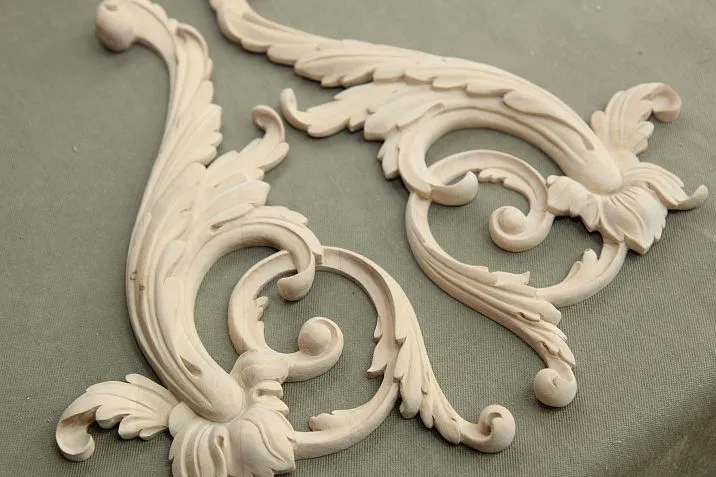
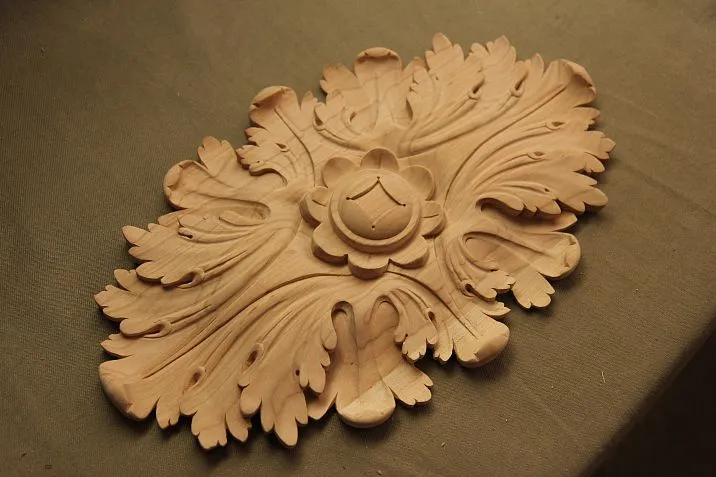
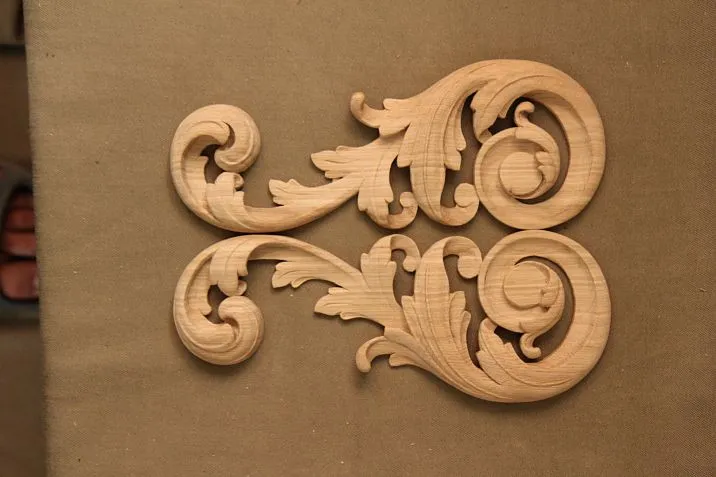
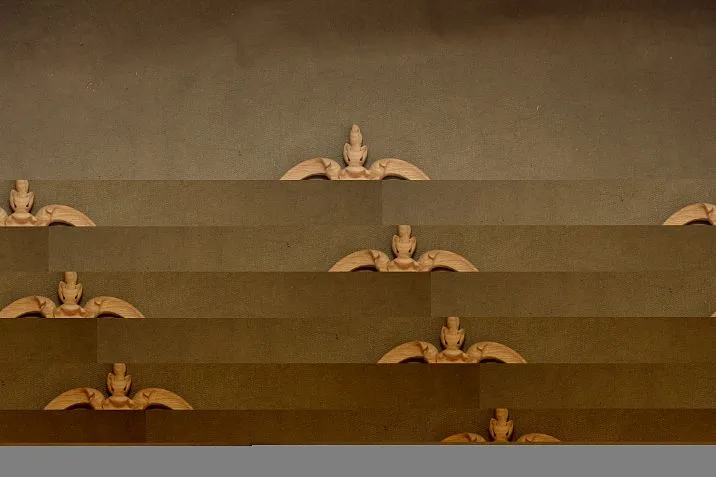
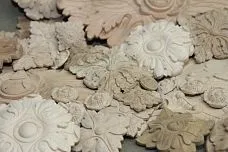
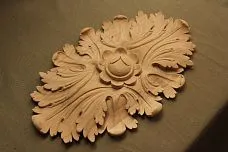
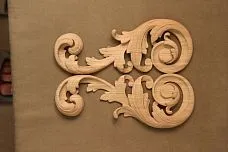
Wood carving is one of the oldest arts, which remains relevant today. From ancient times to the present day, it has traveled a long path, from simple patterns to complex works of art that adorned temples, palaces, and homes of the nobility. Modernartistic wood carving combines traditions of the past with modern technologies, transforming wood into true masterpieces that adorn interiors, highlight the style and taste of owners.






The history of wood carving begins in ancient times, when the first craftsmen started using wood not only to create utilitarian items but also decorations. Each culture contributed its own characteristics to ornamentation and woodworking techniques. For example, in Russian houses, wood carving adorned window casings, gables, and doors, giving the house a unique charm and protection against evil spirits. Over time, the art became more refined, and craftsmen used increasingly complex techniques to create true masterpieces from wood.
History and features: Geometric carving was used since ancient times to decorate temples, furniture, and utilitarian objects. Its distinctive feature is the regularity and symmetry of patterns. In different cultures, geometric carving has its own characteristics: from strict Scandinavian ornaments to complex Eastern motifs.
Our factory also produces:


1. Types of wood carving: Art and uniqueness of each element
2. 1. Geometric carving
- Geometric wood carving is one of the oldest and simplest techniques, based on creating patterns from geometric shapes such as triangles, rhombuses, squares, circles, and other figures. Despite its apparent simplicity, it requires precision and skill, as all lines and elements must be clearly worked out and symmetrical. Geometric carving can give items strictness, clear lines, and minimalism, making it popular among craftsmen and designers.
- Application: Geometric carving is often used in furniture, picture and mirror frames, decorative panels, and doors. Its patterns give items a strict and harmonious appearance. For example, furniture in minimalist or Scandinavian design styles is often adorned with geometric patterns that emphasize the interior’s restraint and simplicity.
- Decorating tip: Geometric patterns can be used to create accent zones in the interior. For example, carved panels with geometric ornamentation can highlight a specific area in a room or serve as a decorative wall element.
- Decor Tip: Geometric patterns can be used to create accent zones in interior design. For example, carved panels with geometric ornamentation can highlight a specific area in a room or serve as a decorative wall element.
- Example of use: Geometric carving on cabinet and chest facades creates a minimalist and stylish look, emphasizing their minimalist design. It can also be used to decorate doors, where strict lines and patterns give the panel a finished appearance.
2. Relief carving
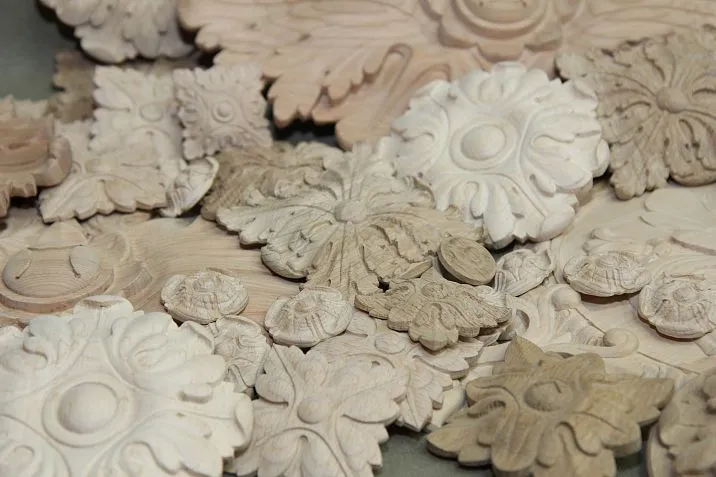
Relief carving is a technique in which patterns protrude above the wood surface. It can be flat or deep, allowing for both simple contour drawings and complex compositions. Relief carving represents a transitional stage between flat and sculptural carving, and it is precisely this technique that gives items expressiveness and volume.
History and features: Relief carving was widely used in architectural structures, furniture, and household items. It combines both artistic and utilitarian functions. For example, relief patterns on door panels not only decorate them but also emphasize the owner’s status.
Application: Relief carving is ideal for decorating furniture, doors, wall panels, and other decorative elements. Its use gives the item solidity, exclusivity, and artistic value. Depending on the depth of carving, different effects can be achieved — from a light contour drawing to a pronounced relief.
Example of use: Decorating door panels with relief carving gives the room a sense of solidity and uniqueness. Such doors become not just interior elements but true works of art that attract attention.
Application tip: Use relief carving to highlight accent zones, for example, framing niches or decorative wall panels. This adds expressiveness to the interior and emphasizes its style.
3. Sculptural carving
Sculptural carving is one of the most complex and labor-intensive types of wood carving. It involves creating three-dimensional figures and compositions that require high precision and deep understanding of the material from the craftsman. Every detail of the item must be carefully worked out to create a harmonious and expressive work of art.
History and features: Sculptural carving was used to decorate building facades, create sculptures, statues, and decorative furniture elements. Depending on the complexity of the composition, the carving can be done from a single piece of wood or assembled from several parts.
Application: Sculptural carving is used to create decorative elements on building facades, furniture, staircases, and other large objects. These can be carved columns, statues, animal or human figures. Due to their volume and detail, sculptural elements become focal points in the interior.
Selection tip: Sculptural carving requires significant effort and time, so it is important to choose high-quality wood and consult experienced craftsmen who can bring your ideas to life.
Selection Tip: Sculptural carving requires significant effort and time, so it is important to choose high-quality wood and work with experienced artisans who can bring your ideas to life.
4. Contour carving
Contour carving is a technique in which patterns are cut in the form of lines, creating an image or pattern on the wood surface. This type of carving gives items lightness, elegance, and emphasizes the delicacy and refinement of the decoration.
History and features: Contour carving is used to create ornaments, decorative inserts, and patterns on furniture and other items. It allows achieving an effect of lightness and airiness, creating delicate lines and patterns.
Application: Contour carving is ideal for decorating furniture, picture and mirror frames, decorative inserts, and panels. Its delicate lines and ornaments emphasize the elegance and style of the item, creating a sense of refinement.
Example of use: Contour carving on a chair back or mirror frame gives the item an elegant and stylish appearance. Such elements can become part of a classic interior or harmoniously fit into a modern design.
Decorating tip: Contour carving looks best on light-colored wood, where the delicacy of lines and details can be seen. Use it to create decorative inserts and patterns that will highlight the style of your home.
Wood carving is an art that allows creating unique items reflecting traditions, craftsmanship, and creative approaches of artisans. Each type of carving has its own features and application possibilities, making wood an ideal material for decorative interior design.
Get Consultation
Modern use of wood carving in interior design: Refinement, warmth, and individuality
Modern interior design strives to create a harmonious space where every detail plays an important role in creating coziness, style, and individuality.Carved wooden items occupy a special place in this regard. Wood carving not only emphasizes the aesthetics of a room but also gives it warmth, lively energy, and uniqueness. In modern interiors, carved elements are widely used due to their unique properties and adaptability to any style—from classic to minimalism. Wood Carving: In Harmony with Modern Styles
Wood Carving: In Harmony with Modern Styles
Wood carving allows creating accent zones in the interior, decorating furniture, walls, and ceilings, giving space depth and expressiveness. Depending on the room's style, carved elements can be refined and detailed or minimalist and strict. Modern designers increasingly use carved panels, applique, moldings, and other decorative elements to highlight the character and individuality of the space.
- Classic Style: Wood carving is an essential part of classic interiors. Carved cornices, baseboards, furniture facades, and doors create an atmosphere of luxury and refinement. The use of complex patterns and ornaments emphasizes the status and taste of the owner.
Example of Application: Carved wooden inlays on doors and furniture turn them into true works of art. Wall paneling with carved elements adds grandeur to the interior and visually enriches it. - Modern Minimalism: Despite the pursuit of restraint, minimalism often includes carved elements to create accents. Simple and concise patterns on furniture or walls emphasize the geometry of the space, adding warmth and expressiveness.
Usage Tip: In minimalist interiors, carving should be restrained and concise. Use simple geometric patterns that do not overload the space but highlight its purity and style. - Scandinavian Style: Light tones, natural materials, and minimalist forms dominate Scandinavian interiors. Wood carving combines beautifully with this style, adding coziness and natural warmth. These can be light carved panels, mirror frames, or decorative inserts on furniture.
Example of Application: Light carved patterns on wall panels or furniture create an atmosphere of coziness and calm, characteristic of Scandinavian style. - Loft and Industrial Style: The contrast between rough concrete walls and refined wooden carvings creates an interesting effect. Carving can be used to decorate furniture, staircases, or decorative elements.
Application Tip: Use carved wooden elements with pronounced texture and simple forms to create accent zones.
Advantages of Using Wood Carving in Interior Design
- Ecological and natural properties
Wood is an eco-friendly material that creates a special atmosphere of coziness and harmony in the home.Carved wooden items occupy a special place in this regard. Wood carving not only emphasizes the aesthetics of a room but also gives it warmth, lively energy, and uniqueness. In modern interiors, carved elements are widely used due to their unique properties and adaptability to any style—from classic to minimalism. They do not emit harmful substances, are safe for health, and have a natural aroma. In an era when more and more people strive for an eco-friendly and healthy lifestyle, wood carving becomes an important element of interior design. - Individuality and Uniqueness
Each handmade item is unique. Carving masters infuse their work with soul and skill, making every detail special. Carved elements allow creating an interior that reflects the individuality and taste of the owner. This can be a carved facade for furniture, unique decorative panels orapplique on doors.
Example of Use: A carved table, created according to an individual project, becomes a central element in the dining room or living room, highlighting the uniqueness of the interior. - Durability and strength
Wood is a strong and durable material that retains its beauty and functionality for many years with proper care. Carved items can serve for decades, passing from generation to generation.
Care Tip: To preserve the beauty of carved items, it is recommended to periodically clean them with a soft brush and treat them with special wood care products.
Wood Carving in Furniture and Decor
Wood carving finds wide application in furniture. These can be carved legs for chairs and tables, cabinet facades, decorative elements for beds and chests. Using carved elements gives furniture uniqueness and makes it an accent element in the interior.
Example of Application: Carved cabinet or kitchen set facades highlight the room's style, adding elegance and expressiveness. A carved bed back creates an atmosphere of luxury and coziness in the bedroom.
Combining Wood Carving with Other Materials
Carved wooden elements combine beautifully with other materials such as metal, glass, and textiles. This allows creating unique compositions that bring dynamism and style into the interior. For example, carved wooden panels can be complemented with glass inserts, and furniture with carved elements can be combined with metal hardware.
Decor Tip: Combine carving with modern materials to create contrasts and accent zones. For example, carved wooden furniture will look great against concrete or brick walls in a loft-style interior.
Wood Carving in Decorative Elements
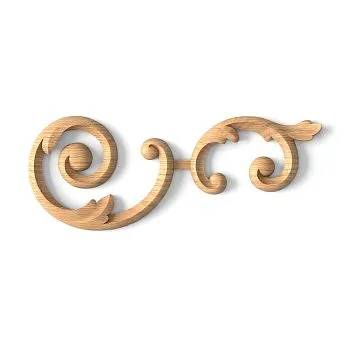
In addition to furniture, carving is used to create decorative elements: frames for paintings and mirrors,decorative insertsPanels, moldings, and cornices. These elements can be crafted in any style—from classic to modern—allowing them to be easily integrated into any interior.
Example of use: Carved frames for mirrors or paintings emphasize their importance and become a focal point in the room. Decorative appliqués on walls and ceilings add depth and expressiveness to the space.
Modern woodworking technologies
Modern technologies such as laser cutting and computer modeling allow creating complex and precise patterns with minimal time investment. This expands design possibilities and enables offering customers unique items at an affordable price.
Wood carving is an art that imbues interiors with warmth, individuality, and elegance. Usecarved items to create unique and expressive interiors that will delight you with their beauty and style for many years!
How to choose carved items?
Choosingcarved wooden inlays and other decorative elements for interiors—this is a responsible decision that affects the overall style, atmosphere, and functionality of the space. Wood carving adds uniqueness, elegance, and character to interiors, so it is important to consider several key factors when choosing it.
Consider the interior style
Before choosing carved items, pay attention to the overall style of your interior. Carving can be luxurious and intricate or minimalist and restrained. In classic interiors, carved cornices, baseboards, moldings, and decorative appliqués with delicate ornaments and complex patterns look harmonious. In modern styles, preference is given to restrained, minimalist lines and simple forms that emphasize the purity of space.
Tip for selection: In minimalist-style interiors, use geometric or contour carving. Complex sculptural elements are suitable for classic or baroque design.
Materials and wood species
Wood is a material that can vary in texture, color, hardness, and durability. Different wood species are suitable for various purposes and styles. For example, oak is a strong and durable material that is ideal for creatingcarved items with deep relief carving. Beech, with its light texture, is easy to process and suitable for delicate patterns.
Tip for selecting material: If your interior is styled in light tones, choose light wood species such as beech or ash. For darker interiors, items made of oak, walnut, or mahogany are ideal.
Detailing and processing quality
The quality of carved items directly depends on the skill of the carver and the level of processing. Detailing of patterns, precision of lines, and neatness of execution are the characteristics that determine the aesthetic value of the item. Pay attention to the quality of sanding, absence of chips, cracks, and other defects. The surface of carved elements should be smooth and pleasant to the touch.
Tip: Choose items with detailed carving if you want to create an accent in the interior. Ensure that each element is well-crafted and the item looks attractive from all sides.
Finishing and coating
Carved items can be coated with various materials—varnish, oil, wax, or paint. Coating not only protects wood from external influences but also highlights its texture and beauty. For example, varnished items have a glossy surface that gives them shine and emphasizes patterns. Oil coating preserves the natural appearance of wood and gives it a matte finish.
Tip for selecting coating: Depending on the purpose of the carved element, choose a coating that suits both the stylistic and functional requirements. For humid areas such as bathrooms, use items with water-repellent treatment.
Functionality and practicality
When choosing carved elements, it is important to consider not only their decorative function but also their practical application. For example, carved moldings and cornices can hide joints on walls and ceilings, while appliqués on doors and furniture give items a unique look. Some carved elements can be used for zoning space or creating accent zones.
Example of use: Carved panels with geometric patterns can be used to highlight a zone in the living room or bedroom, creating an eye-catching accent.
Harmony with other decorative elements
Wood carving should harmonize with other decorative elements—textiles, metal, glass, and lighting. It is important that carved elements do not clash with the overall style and do not create imbalance in the space. For example, carved wooden panels can be combined with textile curtains and metallic accessories, creating a unified stylish ensemble.
Tip for creating harmony: If the interior features cool tones, use carved items made of wood with a warm tone to add coziness. In warm interiors, light-colored wooden items will create a sense of freshness and airiness.
Sizes and scale
When selecting carved items, it is important to consider the size of the room and the scale of the decor. Large carved elements are suitable for spacious rooms where they will not "overwhelm" the space. For smaller rooms, it is better to choose small and delicate patterns that add elegance without creating a sense of clutter.
Example: In a large living room, carved wooden panels can serve as a decorative backdrop, whereas in a small bedroom, carved elements on furniture will become the focal point.
Stavros Masters – Your choice for unique carved items
Stavros Company offers a wide range of carved items that can be used to decorate furniture, doors, and other interior elements. Stavros masters work with various types of wood and use modern technologies, enabling them to create items with high levels of detail and artistic value.
When choosing carved items, pay attention to style, materials, quality, and harmony with the interior.carved wooden inlays will help you create a unique space that reflects your individuality and taste.
Wood Carving Services and Production
STAVROS company offersWood Carving Servicesincluding custom manufacturing, artistic carving, and restoration of items. Our masters use both traditional and modern techniques, creating masterpieces that highlight the style of your interior. We work with various types of wood, paying attention to every stage of production – from design and carving to final finishing.
Conclusion
Wood carving is an art that has never lost its relevance over the centuries. It is a unique form of decorative expression that embodies craftsmanship, creativity, and a deep connection with natural materials. In the modern world, wood carving remains in demand due to its ability to combine aesthetics and functionality, adding warmth, elegance, and expressiveness to interiors. Each carved item is the result of meticulous work by artisans who pour their soul and experience into it. Whether it is carved appliqués on furniture, decorative panels on walls, or exquisite moldings – they bring a special charm to the space and create a sense of uniqueness.
Stavros Company takes pride in its traditions and high-quality wooden carved items. We offer a wide range of products suitable for the most diverse interior styles – from classic to minimalism. Our masters carefully work on every detail, creating items that inspire and highlight the status of their owners.
Cooperation and Partnership with Stavros
Stavros offers flexible cooperation terms for individuals, designers, architects, furniture manufacturers, and organizations. We are ready to work on individual projects, creating unique items based on your sketches or bringing ready-made projects to life. Our company is open to long-term partnership and mutually beneficial cooperation, aiming to offer clients not only top-quality products but also professional service.
Delivery throughout Russia
Stavros Company ensures delivery of carved items throughout Russia, including major cities such as Moscow, Saint Petersburg, Kazan, Yekaterinburg, Novosibirsk, as well as small towns and remote regions. Regardless of your location, you can be sure that our items will be delivered in secure packaging and within the shortest possible time. We strive to make the process of purchasing and receiving carved items as convenient as possible for our clients.
Choose quality and craftsmanship
Choosing carved items from Stavros, you get not just decorative elements, but works of art created with love and skill. We believe that wood carving can inspire and transform space, creating interiors that will delight you for many years. Become part of our world of elegance, traditions, and modern craftsmanship – choose Stavros and create the interior of your dreams!