Article Contents:
- What is Oak Lumber?
- Unique properties of oak wood
- Exceptional strength and hardness
- Moisture and Biological Resistance
- Noble Texture and Aesthetics
- Durability and Patina of Time
- Geometric Stability
- Dimensions and Grade of Oak Lumber
- Standard Sizes
- Material Grade
- Applications of Oak Lumber
- Decorative Interior Finishing
- Furniture manufacturing
- Stairs and Architectural Elements
- Restoration and Reconstruction of Historical Interiors
- Landscape Construction
- Processing and Final Finishing of Oak Lumber
- Mechanical processing
- Brushing
- Staining
- Oils and Waxes
- Lacquering
- Comparison of Oak with Other Species
- Oak vs. Pine
- Oak vs. Larch
- Oak vs. Ash
- Oak vs. Beech
- Choosing High-Quality Oak Lumber
- Quality Criteria
- Where to Buy
- Quantity Calculation
- Installation and Work with Oak Lumber
- Tools
- Fastening
- Acclimatization
- Maintenance and Use of Oak Products
- Regular maintenance
- Recoating
- Climate Control
- FAQ: Answers to Popular Questions
- Conclusion

Why, among the vast variety of wood species, isoak lumberremains a symbol of prestige, durability, and impeccable taste for centuries? This material, tested over millennia in architecture, furniture production, and decorative arts, continues to hold premium positions in the modern world of finishing materials. Oak lumber represents a unique combination of exceptional strength, noble texture, natural beauty, and universal applicability, rarely found in a single material. From creating luxurious interior compositions to manufacturing durable furniture, from restoring historical buildings to realizing the boldest design concepts — oak flooring demonstrates an amazing ability to seamlessly integrate into any style while preserving its unique character and aristocracy.


What is Oak Lumber?
Oak lumber is a flooring product with a rectangular cross-section made from solid oak, specially prepared and processed for use in construction, finishing, and furniture production. Unlike pine lumber, which is often used for technical purposes, oak products belong to the premium class and are intended for creating aesthetically significant interior and furniture elements.
Oak as a wood species possesses a number of unique characteristics that make it especially valuable. The density of oak wood ranges from 650 to 750 kilograms per cubic meter depending on growing conditions and tree age. This high density provides exceptional hardness on the Brinell scale — 3.7–3.9 units, making oak one of the hardest species among European hardwoods.
The structure of oak wood is characterized by a large-pored structure with clearly visible annual rings. Early wood, formed in spring, contains large vessels, while late summer-autumn wood is denser and darker. This difference creates a distinctive expressive pattern with clear annual ring lines. Heartwood rays — a unique feature of oak — create the famous "mirror-like" or "silver" effect under certain cuts, especially prized in furniture production.
The color palette of oak wood is wide — from light yellowish sapwood, almost white, to deep brown heartwood. As the tree ages, the heartwood darkens, acquiring rich chocolate tones. The natural color of oak depends on growing conditions, soil type, and climate. Oak grown on rich soils has a lighter shade. Oak from swampy areas often has a grayish tint.
The moisture content of oak lumber is critically important for its stability during use. Quality products undergo kiln drying in specialized drying chambers, where wood gradually loses excess moisture under controlled temperature and humidity. The final moisture content for interior items is 8–12 percent, for furniture parts 6–8 percent. This moisture level ensures geometric stability — the board does not deform, crack, or warp under normal operating conditions.
Oak lumber processing is carried out on high-precision four-sided planers, ensuring a perfectly smooth surface on all four sides. Dimensional calibration with a tolerance of no more than 0.5 millimeters is critical for use in decorative compositions and furniture production, where perfect geometry is required.




Unique properties of oak wood
Oak possesses a set of characteristics that distinguish it from other species and explain the high value of oak products.
Our factory also produces:


Exceptional Strength and Hardness
The hardness of oak allows creating items capable of withstanding significant mechanical loads without deformation or damage.oak lumberIt does not sag under weight, does not compress under point loads, retains its original shape for decades. This is critical for furniture frames, load-bearing structural elements, and heavily used surfaces.
Oak’s resistance to abrasion is among the highest among European species. Oak products retain surface smoothness even with regular intensive use. This is why oak was traditionally used for floor coverings in castles, palaces, public buildings — parquet lasted for centuries.
Get Consultation
Moisture and Biological Resistance
Oak wood contains a high concentration of tannins — natural antiseptics. Tannins prevent mold and mildew growth, making the wood unattractive to wood-boring insects. This ensures high biological resistance — oak products do not rot or suffer from pests even under high humidity.
Resistance to moisture makes oak suitable for use in rooms with variable humidity — kitchens, bathrooms, hallways, basements, on glazed balconies. Oak barrels for wine and cognac serve for decades in constant contact with liquid — the best proof of the species’ moisture resistance.
Noble Texture and Aesthetics
Oak’s large-pored structure with a distinct annual ring pattern and heartwood rays creates a recognizable noble texture. Each oak board is unique — nature does not repeat itself in its creations. This natural variability adds special value and vitality to oak products.
Oak’s color tones are noble and diverse — from light honey to deep chocolate, from golden to gray-brown. Oak’s ability to beautifully stain expands design possibilities — from natural shades to radical dark tones, from warm golden to cool gray.
The special beauty of radial oak cuts with visible heartwood rays, creating silver reflections — "mirror-like" — is highly valued in furniture production and premium finishing. Such material costs significantly more than ordinary, but its aesthetics are unmatched.
Durability and Patina of Time
The service life of oak products is measured not in years, but in decades and even centuries. Archaeological finds demonstrate oak structures thousands of years old, retaining their structure and strength. Oak beams in old European buildings serve 300–500 years without losing load-bearing capacity.
At the same time, oak does not simply age — it acquires a noble patina. As the wood ages, it darkens, the tone becomes richer, the texture becomes more pronounced. Antique oak furniture is valued higher than new furniture precisely due to this patina of time. Modern artificial aging technologies imitate this effect, but the real patina of centuries is unique.
Geometric Stability
Despite its high density, properly dried oak demonstrates good dimensional stability. Oak’s shrinkage coefficient is moderate — the wood does not warp or crack when drying technology and operating conditions are followed. This is critical for decorative elements and furniture parts, where deformations are unacceptable.
Dimensions and Grade of Oak Lumber
Oak lumber is produced in a wide range of sizes for various applications.
Standard Sizes
The thickness of oak lumber varies from 10 to 50 millimeters. Thin boards 10–15 millimeters are used for decorative overlays, furniture facades, thin veneers. Medium boards 20–30 millimeters are universal for most tasks — decorative panels, substructures, furniture frames. Heavy boards 40–50 millimeters are used for load-bearing structures, large decorative elements, furniture with increased loads.
The width of oak lumber is usually 20 to 100 millimeters. Narrow strips 20–40 millimeters create elegant graphic compositions. Medium boards 50–70 millimeters are optimal for most applications. Wide boards 80–100 millimeters are used to create massive, expressive elements.
The standard length of items is 2000, 2500, 3000 millimeters, corresponding to typical room heights and allowing installation from floor to ceiling without horizontal joints. Custom lengths up to 6000 millimeters are available for non-standard projects.
Grade of material
The highest grade represents practically ideal material - only the smallest healthy light knots up to 5 millimeters in limited quantity and minor resin pockets are allowed. Surface is uniform in color, free of cracks, wormholes, bluish discoloration, or rot. Texture is smooth and expressive. This material is used for exclusive furniture, premium interiors, and antique restoration.
The first grade allows a small amount of healthy joined knots up to 15 millimeters in diameter, non-penetrating small cracks, and minor resin pockets. Color may vary within the natural range of the species. This is the optimal choice for most projects - the material is sufficiently high quality for visible elements but significantly cheaper than the highest grade.
Second grade includes material with dark and partially joined knots, larger cracks, and a small amount of sapwood. Such material is suitable for hidden structures, rough elements, and base for cladding. With a creative approach, natural defects can be used as a decorative element in rustic style.
Applications of oak planks
Versatilityoak planksis demonstrated by the broadest range of applications.
Decorative interior finishing
Oak planks are used to create expressive wall panels that give interiors a distinguished and distinctive character. Vertically or horizontally arranged planks with a specified spacing form a rhythmic structure with play of light and shadow. Oak panels look especially impressive in offices, libraries, and living rooms, creating an atmosphere of solidity and taste.
Decorative partitions and screens made of oak planks allow for delicate zoning of space while preserving the circulation of light and air. Such constructions are relevant for studios, where it is necessary to separate functional zones without erecting load-bearing walls.
Oak planks are indispensable in manufacturing furniture frames, where maximum strength and durability are required. Table aprons, bed bases, chair and stool frames, cabinet and chest frames - oak provides reliability for decades.
Furniture manufacturing
Furniture facades with oak planks create expressive textural compositions. Alternating vertical or horizontal planks, combining with smooth surfaces, playing with contrast between light and dark oak opens up rich design possibilities.
Oak slats for beds provide elastic mattress support and last significantly longer than pine alternatives. Oak slats withstand heavy loads without deformation, do not creak, and retain elasticity for decades.
Railings, clothing rods, elements of open shelves and racks made of oak combine functionality with aesthetics. The natural texture of oak makes these utilitarian elements full-fledged decorative accents.
Oak railings, clothing rods, and open shelf components combine functionality with aesthetics. The natural oak texture turns these utilitarian elements into full decorative accents.
Stairs and architectural elements
Steps, risers, balusters, handrails made of oak - classic stair construction. Oak stairs serve for centuries, enduring heavy loads without loss of strength or appearance. Oak's resistance to abrasion is critical for steps - the surface retains smoothness even with daily intensive use.
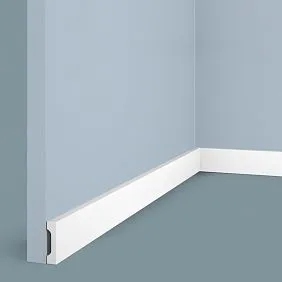
Moldings and cornices made of oakcreate a respectable interior framing. OakSkirtingemphasizes the quality of finishing, harmoniously combines with parquet, wooden furniture, and textiles.
Doorthresholds made of oakframe door openings, creating visual completion. Oak door frames and panels demonstrate strength, prestige, and longevity.
Restoration and recreation of historical interiors
Oak has traditionally been used in historical architecture and furniture making, so oak planks are indispensable for restoring monuments. Re-creating lost elements, replacing damaged parts require material identical to the original in species, texture, and finish.
Artificial aging of oak planks - brushing, patination, staining - allows creating new elements indistinguishable from antiques. This is relevant for recreating historical interiors in museums, estates, and private residences.
Landscape construction
Oak's resistance to moisture makes it suitable for outdoor use. Terraces, bridges, and railings made of oak planks serve for decades without loss of strength. Gazebos, awnings, pergolas with oak elements create a respectable appearance of outdoor areas.
Oak trellises for climbing plants, fence posts for beds, decorative screens in landscaping combine functionality with the natural beauty of the material. Over time, oak outdoors acquires a noble silver-gray hue, harmoniously blending into the natural surroundings.
Processing and final finishing of oak planks
Oak opens up wide possibilities for various types of processing and finishing.
Mechanical processing
Four-sided planing of oak planks creates an ideally smooth surface, ready for final finishing. Sharp tools leave a clean surface without burrs or scratches.
Sequential sanding with progressively finer grits - from 80-120 for rough sanding to 240-320 for final sanding - creates a silky surface. Oak sands exceptionally well, acquiring a noble smoothness.
Routing allows creating various profiles, grooves, decorative channels on oak planks. Oak's hardness ensures sharp lines and absence of chips during routing.
Brushing
Brushing - mechanical removal of soft early wood fibers with metal brushes - is especially effective on oak. Large-pored structure with clearly expressed difference in density between early and late wood creates a deep relief. Brushed oak acquires an expressive texture, pleasant to the touch, with emphasized grain.
Contrasting staining of brushed surface - filling pores with dark stain followed by lightening raised areas - creates an eye-catching two-tone pattern. This is a popular technique in modern furniture manufacturing and interior finishing.
Staining
Water-based, alcohol-based, or oil-based stains change the color of oak wood while preserving the visibility of the texture. Oak stains exceptionally well, evenly absorbing stains. The color palette includes shades from light golden to dark ebony, from warm browns to cool grays.
Popular oak tones - stained oak (deep dark brown with grayish tint), golden oak (warm honey), bleached oak (light with grayish tint), walnut (reddish-brown), wenge (almost black).
Multi-layer staining with intermediate sanding creates complex deep shades imitating natural wood aging. Combining different stains allows achieving unique color effects.
Oils and waxes
Natural oils deeply penetrate oak structure, highlight the texture, and create a matte natural surface. Oil finish does not form a film; wood retains its ability to 'breathe'. Surface is warm to the touch, with pleasant tactile quality.
Hard waxes create a more durable finish with a slight gloss. Wax surfaces are polished to a silky smoothness, emphasizing the nobility of oak. Renewing oil-wax finishes is simple - applying a new layer every 1-2 years without sanding.
Lacquering
Water-based acrylic lacquers are eco-friendly, odorless, and dry quickly. Polyurethane lacquers create a durable, wear-resistant film, optimal for heavily used surfaces - furniture tops, floors, stairs.
Gloss level varies from deep matte to high gloss. For oak products, matte and semi-matte lacquers are popular, preserving the naturalness of wood without excessive gloss. Glossy finishes are used to create a 'wet wood' effect, enhancing texture expression.
Multi-layer lacquering with intermediate sanding creates a smooth, even surface. The first layer serves as a primer, lifting the grain. After drying and sanding, finish layers are applied, creating a durable protective coating.
Comparison of oak with other species
Understanding the advantages and characteristics of oak compared to other species helps make an informed choice.
Oak vs Pine
Pine is significantly lighter and softer - density 450-500 kg/m³, hardness 1.6-1.8 on Brinell. This makes pine easier to process, but less resistant to mechanical impacts. Pine products scratch easily, show dents from impacts, and wear out faster.
Pine's moisture resistance is lower - prolonged contact with moisture may cause darkening and mold growth. Pine requires more careful protective treatment for outdoor use.
Pine's aesthetics are simpler - less expressive texture, light uniform color. However, pine is significantly cheaper than oak - 3-4 times less, making it popular for projects with limited budgets.
Oak vs Larch
Larch is close to oak in density - 650-700 kg/m³, and superior in moisture resistance due to high resin concentration. Larch is optimal for humid rooms and outdoor use.
However, larch's hardness is lower - 2.6-2.8 on Brinell, aesthetics are simpler - uniform texture without expressive heartwood rays. Larch's price is 1.5-2 times lower than oak.
Oak vs Ash
Ash is comparable to oak in hardness and strength, but has a lighter color and uniform texture without large pores. Ash is elastic and resilient, better withstands impact loads.
Ash's moisture resistance is lower - requires quality protective treatment for humid rooms. Ash's aesthetics are more neutral, lacking the distinctive character of oak. Price is comparable or slightly lower.
Oak vs Beech
Beech is close to oak in hardness, but has a more uniform fine-pored texture and pinkish color. Beech processes exceptionally well and can be bent after steaming.
However, beech is highly hygroscopic - actively reacts to humidity changes, may deform. Stable air humidity of 40-60 percent is required. Beech's price is comparable to oak or slightly lower.
Choosing quality oak planks
Proper material selection is critical for project success.
Quality criteria
Moisture content should be 8-12 percent for interior items, 6-8 percent for furniture. Excessive moisture will cause deformation after installation, while overly dry wood becomes brittle. When purchasing, request a moisture certificate or measure with a moisture meter.
Material grade must match its intended use. For visible decorative elements, choose the highest or first grade. For hidden structures, second grade is sufficient.
Plank geometry must be flawless - straightness, perpendicularity of edges, dimensional stability along length. Place several planks side by side on a flat surface - they should fit tightly without gaps.
Surface treatment - all edges smooth, free of burrs, scratches, or marks from dull tools. Run your hand over it - the surface should feel silky.
The color should be uniform within each batch. For compositions, color uniformity is critical - choose boards from the same batch.
Where to buy
Specialized manufacturerssolid wood trimguarantee quality at every stage - from raw material selection to final finishing. Buying directly from the manufacturer offers advantages - direct pricing without middleman markups, ability to order non-standard sizes, expert consultations, and quality assurance.
Construction bases offer a wide assortment, but quality may vary. Always inspect the product personally, check moisture levels, and do not rely solely on descriptions.
Quantity calculation
Measure the exact dimensions of the surfaces to be covered or the structures to be built. Prepare a detailed specification indicating the dimensions of each element. Sum the trim, add 15-20% for trimming, waste, and possible errors. It's better to have a reserve than to purchase from another batch with a different shade.
Installation and work with oak planks
Oak requires specific skills and approaches in work.
Tools
For cutting oak planks, use saws with carbide-tipped blades - oak quickly dulls ordinary steel teeth. A circular saw with a 250-300 mm diameter blade ensures a clean, precise cut.
For drilling holes for fasteners, use sharp wood drill bits. Oak is dense - a dull drill bit tears fibers, creating unsightly chips. Always pre-drill holes before driving screws - the hardness of oak may cause splitting without pre-drilling.
For sanding, use orbital or belt sanders with gradually decreasing abrasive grit. Hand sanding oak is labor-intensive due to its high density.
Fastening
Screws for oak must be strong - made of tempered steel. Diameter 3.5-4.5 mm depending on plank thickness. Always pre-drill holes 0.5 mm smaller than the screw diameter.
Finishing nails made of tempered steel, 40-50 mm long, are driven into pre-drilled holes at a slight angle. The head is recessed, and the mark is filled with putty in the oak color.
Oak parts are glued using polyurethane or epoxy adhesives. Surfaces must be clean, dry, and clamped tightly with clamps until the adhesive fully cures.
Acclimatization
Oak planks must be acclimated in the room where installation will occur for at least 3-7 days. Oak must adapt to temperature and humidity. Unpack planks and lay them with gaps for air circulation.
Care and maintenance of oak products
Oak products, with proper care, serve for decades without losing properties.
Regular Maintenance
Dry cleaning with soft cloth or vacuum removes dust. Wet cleaning with a well-wrung cloth and neutral wood cleaners is done as needed. Avoid excess moisture - wipe dry.
Recoating
Oil finishes are renewed every 1-2 years by applying a fresh layer of oil. The surface is lightly sanded with fine abrasive 240-320, cleaned, and then oil is applied.
Varnish finishes last 5-7 years, then require resanding and revarnishing. Local damage is repaired by sanding the area and applying a fresh layer of varnish with feathered edges.
Climate control
Optimal air humidity 40-60%, temperature 18-24°C. In winter, with heating on, use humidifiers. Protect from direct sunlight - UV causes darkening and fading of finishes.
FAQ: Answers to popular questions
Why are oak planks more expensive than pine?
Oak grows significantly slower than pine - 80-120 years to technical maturity versus 40-60 years for pine. Oak forest reserves are limited. Processing oak is more complex due to high hardness - tools wear faster, require more powerful equipment. Drying oak requires more time and energy. All this forms a price 3-5 times higher than pine.
Which oak grade to choose for furniture?
For visible furniture elements - facades, countertops, visible frame parts - choose first or top grade. For hidden frame elements, second grade is sufficient. Saving on visible elements' grade results in disappointment - knots, cracks, color non-uniformity spoil appearance.
Can oak planks be used in a bathroom?
Yes, oak has high moisture resistance due to tannins. However, quality protective treatment is required - hydrophobic oils or moisture-resistant varnishes. Ensure effective ventilation. Avoid direct constant contact with water. With proper conditions, oak elements in bathrooms serve for decades.
How often should oil finish on oak planks be renewed?
For interior items with moderate use - every 1-2 years. For heavily used surfaces - countertops, stairs - every 6-12 months. Signs of needing renewal - dull surface, appearance of light spots, absorption of water droplets instead of rolling off.
Does oak darken over time?
Yes, natural oak gradually darkens under exposure to light and air oxygen. Light young oak acquires a golden-brown hue after several years. This process is natural and adds nobility to the wood. UV-filter varnishes are used to slow this down.
Can oak planks be painted?
Yes, but this hides oak's unique texture. Oak is usually stained with stains, preserving texture visibility. Painted finishes are used in Provence, shabby chic, Scandinavian interiors, where a specific color is needed and texture is secondary.
How to distinguish real oak from imitation?
Natural oak has characteristic large-pored texture, visible medullary rays on radial cuts, natural pattern variation. Weight is significant due to high density. Freshly cut oak has a specific smell with tannin notes. Imitation is usually lighter, with repeating printed pattern, without characteristic pores.
How long do oak products last?
With proper use and care, 50-100 years and more. Archaeological finds demonstrate oak structures thousands of years old. In European castles, oak beams serve 300-500 years without loss of strength. 18th-19th century oak furniture remains functional today.
Is oak safe for children's furniture?
Absolutely. Oak is a natural material without toxic substances. Tannins have antiseptic properties. Hardness ensures resistance to damage from children's play. The only caveat - avoid sharp corners, round off edges.
Which is better - radial or tangential oak cutting?
Radial cutting is more expensive but provides maximum geometric stability, reveals medullary rays - characteristic 'mirror' effect of oak. Tangential cutting is cheaper, has more pronounced growth ring pattern, but is less stable. For critical elements choose radial, for decorative elements tangential is acceptable.
Conclusion
oak lumberOak trim represents a material that has proven its value over millennia in the most demanding applications - from shipbuilding and bridges to exclusive furniture and art. Its unique combination of exceptional strength, moisture resistance, noble aesthetics, and longevity makes oak trim the standard of quality in the world of woodworking.
Modern kiln-drying technologies, high-precision processing, protective coatings reveal oak's natural advantages, ensuring stability of characteristics and readiness for long-term use. Wide range of sizes, various material grades, diverse finishing options allow selecting the optimal solution for any project - from restoring historical interiors to realizing ultra-modern design concepts.
Investing in oak products is an investment in longevity, prestige, and natural beauty that not only pays off over decades of flawless service, but also increases in value over time. The patina that oak develops over time makes the items nobler, more valuable, transforming them into family heirlooms passed down through generations.
Choosing between oak and more affordable species is a choice of philosophy. Those who choose oak value quality over quantity, longevity over short-term savings, natural authenticity over imitations. This is a material for those who understand that true quality cannot be cheap, and genuine luxury lies not in showy extravagance, but in the noble restraint of natural materials created by nature and refined by craftsmanship.
Company STAVROS, specializing in the production of high-quality items from natural solid wood, offers a wide rangeoak planksof various sizes and grades for the most demanding projects. Our own modern production with high-precision computerized equipment of the latest generation, strict multi-stage quality control at every stage of the technological process, kiln-drying in automated kilns with precise temperature and humidity control down to optimal 8-12%, size calibration on high-precision machines with tolerances no more than 0.5 mm, careful selection of raw material using only high-quality wood from ecologically clean regions, possibility of protective treatment with bio-protective compositions and final coating with oils or varnishes directly on the production line - all this guarantees that every STAVROS product meets the highest quality standards and exceeds the expectations of the most demanding customers. When you choose oak planks for your project - whether creating exclusive furniture, decorative finishing of premium interiors, restoring historical buildings, or realizing an original designer concept - turning to STAVROS professionals ensures absolute confidence in material quality, expert consultations from experienced specialists on selecting the optimal grade, size, and processing method according to specific application requirements, possibility of ordering non-standard sizes and profiles for individual projects, manufacturer warranty on all products, full technical support at every stage from material selection to installation recommendations and subsequent care. The STAVROS team, possessing deep knowledge of oak wood properties, processing technologies, protection, and finishing methods accumulated over years of working with this noble species, is ready to share expertise, help calculate required material quantity, select optimal grade for specific applications, recommend finishing methods, and provide professional project support.STAVROS oak planksChoosing STAVROS oak planks means choosing proven quality, reliability, and professionalism of a company that respects noble material, understands its value, and strives to reveal the best natural properties of oak in every product, ensuring longevity, functionality, and unparalleled aesthetics that will delight for decades.