Article Contents:
- History and Significance of Wooden Planks
- Craft heritage of natural wood
- Transition from Tradition to Modernity
- Natural Aesthetics and Rich Textures
- Strength and durability
- Ecological safety
- How to Choose the Perfect Classic Set: Expert Advice
- Laser cutting and computer modeling
- Automated planing and sanding
- Protective Coatings and Natural Finishing
- Wall Cladding and Decorative Panels
- Moldings, Cornices, and Skirting Boards as Finishing Touches
- Decorative Elements and Accents
- Real Project Examples
- Choosing Quality Wooden Mouldings
- Installation and Integration into the Interior
- Care for Wooden Mouldings
- Durability as an Economic Factor
- Ecological purity and sustainable development
- Support for Traditional Crafts
- Residential interiors
- Office and Commercial Spaces
- Restaurants and Cafes
- Cultural and public spaces
- Selection criteria
- Installation and integration
- Care for Natural Mouldings
- Durability as a Guarantee of Cost Savings
- Ecological responsibility
- Support for Traditional Crafts and Local Production
- Conclusion
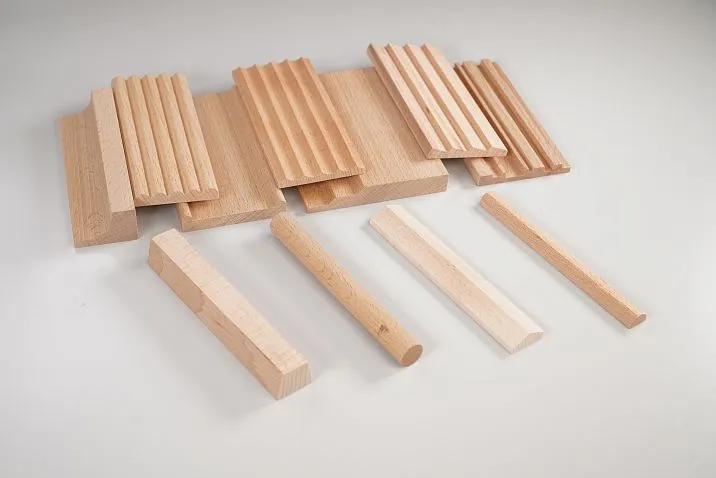
Natural wood has adorned interiors for centuries, imparting elegance, warmth, and unique harmony. Today, as eco-friendliness and material longevity are valued, wooden planks have become a sought-after solution for decorative finishes, exclusive designs, and functional structures. If you wish to transform your interior with natural wood, consider the option to buy wooden planks, which will serve as both a practical and aesthetically pleasing decorative element. Learn more about the products by following the link:Buy wooden skirting board.
In this article, we will thoroughly explore the topic of wooden planks: their history, advantages, modern usage trends, processing methods, various applications in interior design, and provide practical recommendations for selecting, installing, and caring for such products. We have optimized this material for search engines using keywords and additional terms: "wooden plank," "buy wooden plank," "wooden finishing," "natural wood," "wooden decor," "interior made of wood."


History and Significance of Wooden Planks




Craft heritage of natural wood
The use of wood in interior decorative design has ancient roots. In traditional crafts, wooden planks served an important function: they were used for wall finishing, creating decorative elements, framing doors and windows, and structuring space. Masters of the past handcrafted planks, paying special attention to carving, planing, and sanding to highlight the natural beauty and unique characteristics of the material.
These processing methods were passed down from generation to generation and refined over centuries, allowing the creation of products possessing strength and aesthetic expressiveness. Thanks to traditional craftsmanship, wooden planks became an indispensable part of interior design, adding warmth, individuality, and richness to the space.
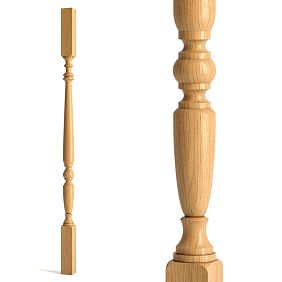
Our factory also produces:



Transition from Tradition to Modernity
With the development of technologies in wood processing, methods for creating wooden planks have undergone significant changes. Modern technologies such as automated planing, laser cutting, and computer modeling allow achieving high precision and reproducibility even for the most complex decorative elements. This has opened new horizons for designers, enabling the creation of planks with unique patterns, clean lines, and perfect finishes while preserving the natural texture and warmth of wood.
At the same time, traditional craftsmanship methods have not lost their significance. Masters with years of experience continue to contribute, making each product unique and original. Thus, modern technology and age-old traditions have merged to create products of the highest quality, suitable for interior decoration. If you wish to buy wooden planks, you are getting a product that combines reliability, aesthetic expressiveness, and longevity.
Advantages of Wooden Planks in Modern Interiors
Get Consultation
Natural Aesthetics and Rich Textures
One of the main features of natural wood is its unique texture and shades. Each plank made of natural wood has an irreplaceable wood grain pattern and character that cannot be reproduced by synthetic materials. This makes each item truly exclusive. Modern wooden planks can bring a sense of naturalness, warmth, and coziness to interiors. They allow creating a "living wall" effect, highlighting architectural features of the room, and adding individual decorative accents. Such items can serve as finishing elements in both classic and ultra-modern interiors, combining aesthetics and practicality.
Strength and durability
The quality of natural wood and modern processing technologies ensure incredible durability of products. A wooden plank manufactured according to modern standards can withstand significant mechanical loads, is resistant to moisture and temperature fluctuations. Thanks to this, it can serve for decades, preserving its original properties and appearance.
This is especially important for interior finishing, where wooden planks are used as wall cladding elements, decorative inserts, and other structural solutions subjected to daily wear and tear. Quality wood, processed using modern protective treatments, is a symbol of longevity and stability, making it an excellent choice for homes, offices, restaurants, and public buildings.
Ecological Safety
Natural wood is an eco-friendly material that meets the highest safety standards. In the context of growing environmental awareness, choosing natural materials has become one of the most important factors in interior design. Wooden planks do not emit toxic substances, do not harm health, and contribute to creating a favorable microclimate.
The use of eco-friendly processing technologies, such as applying natural oils, waxes, and lacquers, allows preserving the natural beauty of wood and protecting it from harmful factors. This makes wooden finishing an ideal choice for those who care about the environment and aim to create a healthy and safe atmosphere in their homes.
Universality and adaptability
Modern wooden planks are inherently versatile and can be used in various interior styles. They easily adapt to requirements of both classic and modern, minimalist, and eclectic finishes. Thanks to their flexible design, wooden mouldings can be used to create various decorative effects: from delicate, elegant lines to heavy carved inserts.
The versatility of this product allows integrating it into various architectural solutions — from wall and ceiling finishes to creating decorative frames and panels. This approach helps create a unified, harmonious interior where all elements work in harmony, highlighting the uniqueness of the space.
Modern technologies in the production of wooden planks
Laser cutting and computer modeling
One of the key aspects of modern production of wooden products is the use of innovative technologies such as laser cutting and computer modeling. These technologies allow creating products with incredible precision and complexity of patterns, which was almost impossible to achieve manually.
Laser cutting ensures clean lines and high precision of each detail, while computer modeling allows optimizing the design of the product at early production stages. Together, these technologies enable achieving flawless quality while preserving the natural beauty of wood and its unique characteristics. If you plan to buy wooden planks, modern technological solutions guarantee that the final product will have the highest level of finishing and durability.
Automated planing and sanding
Automated methods of planing and sanding significantly reduce the time required for wood processing while simultaneously improving its quality. Thanks to these technologies, each plank has a perfectly smooth and even surface, ready for further finishing. Modern sanding machines allow achieving high precision, ensuring uniform texture and aesthetic appeal of the product.
Modern processing methods work in tandem with handcrafting, where skilled artisans complete the creative process by adding unique decorative elements and highlighting the natural texture of the material. This makes wooden casings not only high-tech but truly artistic.
Protective coatings and natural finishes
Modern wooden items are treated with environmentally friendly protective compounds, which allows preserving their natural beauty and extending their service life. Natural oils, varnishes, and waxes accentuate the wood texture, give it a luster, and protect the surface from moisture, ultraviolet rays, and mechanical damage.
Quality finishing is a key factor in the longevity and aesthetic value of natural wood products. Using modern compounds ensures that each item retains its original appearance, remaining a striking interior accent for decades.
Examples of application of modern wooden casings in interior design
Wall cladding and decorative panels
One of the most popular applications of wooden planks is wall cladding. Wooden casings can be used to create decorative panels that give a room a unique atmosphere and depth. They create a sense of unity, integrating walls, ceiling, and floor into a single composition and adding elegance and completeness to the interior.
Usagemodern wooden trim Cladding allows creating an effect of a 'living wall', where the natural wood texture is the main decorative element. Such solutions can be used in living rooms, dining rooms, bedrooms, and even offices, giving the space a unique character and reflecting the owner's individual style.
Moldings, cornices, and baseboards as finishing touches
Moldings, cornices, and baseboards are key elements of finishing that unify all interior elements. They serve not only a decorative function but also a practical one, concealing joints between different surfaces and protecting them from mechanical damage.
Modern wooden casings used for making moldings and cornices can vary from thin, minimalist lines to heavy, decorative elements with carved patterns. Such items allow creating harmonious interior design, highlighting its architectural features and adding elegance. Using baseboards made of natural wood completes the finishing, creating an impression of completeness and neatness of design.
Decorative elements and accents
Decorative inserts and elements made of natural wood are striking accents in modern interiors. They can be used as standalone decorative elements or as complements to the main finishing material. For example, decorative inserts and panels made of natural wood give the interior a unique individuality and become a focal point of visual attention.
These elements can be used to create unique compositions on walls, in niches, for decorating doors and windows, allowing achieving maximum harmony and style. Natural wood used in decorative finishing brings a sense of liveliness and natural warmth into the space, making the interior cozy and aesthetically appealing.
Examples from real projects
In modern homes, offices, restaurants, and public spaces, wooden casings become a central element of design, highlighting the unique style of the interior and creating a sense of spatial unity.
Wall cladding in the living room:
In one of the modern living rooms, wooden casings are used to create a decorative frame around the entrance door and window. Straight lines and natural wood texture give the room a warm, cozy look, while combining with minimalist furniture creates a modern and elegant effect.
Office interior:
In a stylish office space, wooden casings are used to finish the walls of meeting rooms and hallways. This finishing not only improves the visual perception of the space but also contributes to creating a favorable working atmosphere. Natural wood adds warmth to the interior, emphasizing the company's respect for environmental responsibility.
Restaurant design:
In a restaurant, natural wood is used to create decorative panels and casings that unify different zones of the interior. Finishing elements in the form of wooden casings create a cozy and warm atmosphere, highlighting the high quality of the establishment. Carved elements and elegant lines give the interior uniqueness, making it memorable for visitors.
Practical recommendations for selecting, installing, and caring for wooden casings
Choosing quality wooden casings
When choosing wooden casings, pay attention to the following criteria:
● Wood species. Different types of wood, such as oak, beech, or walnut, have unique properties affecting the appearance and durability of the product. For example, oak is renowned for its hardness and distinctive texture, while beech is light and has a pale tone.
● Processing quality. High-quality wood processing is the guarantee of the casings' longevity. Smooth sanding, precise carving, and even application of protective coating indicate the manufacturer's professionalism and ensure the product will serve for many years.
● Design. Choose casings that harmoniously fit the overall interior style. They can be made in classic or minimalist styles, allowing you to select an item suitable for any room.
● Environmental safety. Ensure that the products meet environmental safety standards, are made using natural compounds, and do not contain harmful chemicals.
Installation and integration into interior
To properly integrate wooden casings into the interior, follow these steps:
● Surface preparation. Before installation, ensure that walls and ceilings are clean, flat, and dry. This ensures good adhesion and extends the product's service life.
● Use of quality fasteners. Strong and reliable fasteners will prevent gaps and peeling, maintaining the aesthetic appearance of the finishing.
● Adherence to design concept. Casings should complement other interior elements: furniture, decorative panels, moldings, and cornices. Create a harmonious space where every detail naturally fits into the overall composition.
Follow the manufacturer's instructions. Strictly adhere to the installation and care recommendations provided by the manufacturer. This ensures that the products retain their original appearance for many years.
Care for wooden trim
To preserve the natural beauty and longevity of wooden casings, follow these care rules:
● Regular cleaning. Wipe the casings with a soft cloth using specialized wood care products to remove dust and dirt without damaging the protective coating.
● Refresh protective coating. Natural wood requires periodic renewal of the protective layer. Apply natural oils, varnishes, or waxes to maintain its luster and protect the material from moisture, ultraviolet rays, and mechanical damage.
● Monitor climate conditions. Maintain optimal temperature and humidity levels in the room. Sudden changes in conditions may cause wood shrinkage and cracking.
● Preventive inspection. Regularly check the condition of the casings, especially at connection points, to promptly detect and address minor defects. This will prevent serious damage and keep the item in perfect condition for many years.
Economic and ecological efficiency
Durability as an economic factor
Investments in quality wooden casings pay off through their long service life. Properly processed and installed items retain their functional and aesthetic qualities for decades, reducing costs for repairs and replacement of finishing materials. Such longevity is especially important in commercial spaces, where each interior element must withstand heavy use.
Ecological purity and sustainable development
Modern wooden casings are a choice based on ecological responsibility. The natural wood used in finishing meets high ecological standards, contains no toxic components, and is a renewable resource. Thanks to this, using natural wood helps create a healthy and safe indoor environment, improves air quality, and supports sustainable development.
The ecological efficiency of natural wood is not only about health, but also a contribution to preserving the environment. Using natural materials helps reduce overall environmental impact and promotes the development of environmentally friendly production technologies.
Support for traditional craftsmanship
By purchasing wooden casings, you support traditional craft practices passed down from generation to generation. Artisans using time-tested wood processing methods create items reflecting rich cultural heritage and high craftsmanship. Such a choice supports local production, preserves unique technologies, and maintains cultural heritage, which is especially important in the context of striving for sustainable development.
Examples of Implementation in Interiors
Residential interiors
In modern homes and apartments, wooden casings have become an important detail in interior design. They can be used to create decorative wall panels, frame transitions between different surfaces, or as standalone decorative elements.
For example, usingmodern wooden mouldings In the living room, they create a sense of unity and harmony, unifying walls, ceiling, and floor into a single composition. Delicate lines and refined wood texture highlight the natural beauty of the material, adding warmth and elegance to the interior. In classic interiors, casings may be adorned with intricate carved elements, giving the space a luxurious and refined feel.
Office and commercial spaces
In offices and commercial spaces, wooden casings contribute to creating a stylish and professional interior. Natural wood used for wall finishing creates a sense of stability, durability, and ecological responsibility. In such interiors, it is important that each item reflects high quality standards and harmoniously complements the overall space design.
Modern wooden casings are used to create decorative frames, wall cladding, and accent zones, unifying the interior and highlighting its uniqueness. This allows forming a corporate style that encourages work and leaves a positive impression on visitors.
Restaurants and cafes
In hospitality industries, natural wood is always associated with warmth, hospitality, and exclusivity. Wooden casings used in restaurants and cafes help create a unique atmosphere where every guest feels cared for in terms of comfort. Integrating natural wood into the decor gives the establishment a distinctive charm, making the interior memorable and stylish.
Decorative casings can be used to design entry zones, wall panels, picture and mirror frames, allowing different interior elements to be unified into a cohesive whole. Such use of natural wood contributes to creating a cozy, harmonious, and attractive atmosphere that affects visitors' emotions and perception.
Cultural and public spaces
In museums, galleries, libraries, and other cultural institutions, natural wood plays an important role in creating an atmosphere of solemnity and elegance. Decorative casings made of natural wood help emphasize the historical significance and cultural heritage of the building. Such items not only decorate the interior but also create a unique exhibition reflecting high craftsmanship.
Practical tips for selection and installation
Selection criteria
When selecting casings for interior finishing, consider the following key points:
● Wood species. Choose high-quality species such as oak, beech, or walnut, known for their strength and distinctive grain. Each species has unique advantages suitable for various design concepts.
● Processing quality. Pay attention to the smoothness and precision of processing: sanding, planing, and application of protective coating should be done without visible defects, ensuring the product's durability and resilience.
● Design and style. Casings should harmoniously match the overall interior style. They can be crafted in classic, minimalist, or modern styles, depending on preferences and design concept.
● Ecological safety. Ensure that the products are made using eco-friendly technologies, which is especially important for residential interiors.
Installation and Integration
For successful integration of wooden casings into the interior:
● Prepare the surface: walls and ceilings must be flat, clean, and dry for secure mounting.
● Use high-quality fasteners to ensure longevity and prevent deformation.
● Follow the manufacturer's instructions to preserve the aesthetic appeal and functional characteristics of the product.
● Pay attention to the overall interior concept: casings should complement furniture, decorative panels, and other finishing elements, creating a harmonious space.
Care for natural casings
To keep wooden casings looking naturally beautiful:
● Regularly clean surfaces with soft cloths and specialized care products for natural wood.
● Periodically renew the protective coating with natural oils, varnishes, or waxes to maintain the sheen and protect the wood from moisture and UV radiation.
● Control the indoor climate: maintain optimal temperature and humidity conditions to prevent wood shrinkage and deformation.
● Conduct regular inspections, especially at joint areas, to promptly detect and address minor defects.
Economic and ecological efficiency of wooden casings
Durability as a guarantee of savings
Investments in quality wooden casings pay off due to their high durability and resistance to everyday wear. Such items, properly processed using modern technologies, will last for decades, reducing costs for replacement or repair. The economic efficiency of natural wood is expressed in long-term use and maintaining aesthetic appeal for many years.
Ecological responsibility
Modern wooden casings, manufactured according to eco-friendly standards, contribute to creating a healthy and safe interior environment. Natural wood used in finishing does not contain toxic substances, which is especially important for residential spaces. Using eco-friendly materials supports sustainable development and minimizes negative environmental impact, which is a significant factor for conscious consumers.
Support for traditional crafts and local production
By purchasing items made of natural wood, you support traditional crafts passed down from generation to generation and contribute to the development of local production. Each item, created using traditional processing techniques, carries history and individuality. Such a choice not only reflects your commitment to quality but also supports the local artisans' economy, preserving cultural heritage and unique woodworking traditions.
Conclusion
modern wooden mouldings They are a universal decorative element capable of transforming the interior, adding elegance, refinement, and natural beauty. They are an essential part of modern design, combining centuries-old craftsmanship traditions with advanced technological solutions and ecological safety.
Choosing natural wood for interior finishing is an investment in durability, versatility, and aesthetic appeal of your space. Modern wooden casings can unite all interior elements, creating a harmonious composition that will delight the eye and serve as a reliable foundation for creating a unique and stylish space.
If you aim to create an interior filled with natural beauty, warmth, and harmony, pay attention to the wide range of products offered onthe official website of modern wooden productsEach item, from casings to furniture, is crafted with special attention to detail, ensuring top quality, durability, and ecological purity, making them an ideal choice for creating a cozy and stylish interior.
Let your home be filled with natural beauty, and every interior detail, whether decorative molding, casings, or furniture made of natural wood, become a testament to your commitment to high quality, aesthetics, and sustainable development. Modern wooden casings are not just finishing elements—they are true elements that help create a unique atmosphere of coziness, warmth, and harmony, uniting traditional values and innovative technologies into a single work of art.