Article Contents:
- Essence and purpose of frame profiles in modern manufacturing
- Constructive features and operating principles
- Variety of materials and manufacturing technologies
- Wooden profiles: classic quality and naturalness
- Composite materials: innovations serving quality
- Metallic solutions: strength and durability
- Application in furniture industry and interior design
- Facade systems: art in details
- Integration of functional elements
- Specialized profile systems
- Technical specifications and quality standards
- Geometric Parameters and Tolerances
- Strength and operational characteristics
- Mounting and joining technologies for profile elements
- Classic connections: time-tested solutions
- Modern Fastening Systems
- Specialized hardware for profile systems
- Selection and application of frame profiles in various projects
- Criteria for selecting material and configuration
- Economic aspects of selection
- Compatibility with modern technologies
- Innovations and prospects for development of profile systems
- Ecological aspects and sustainable development
- Integration of digital technologies
- Frequently asked questions about frame profiles
- Conclusion

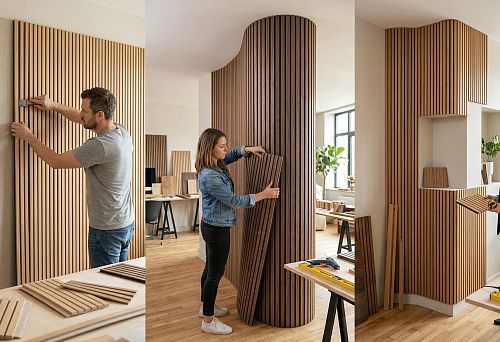
In the world of modern interior design and furniture manufacturing, there are many elements that may seem secondary at first glance, but in reality play a key role in forming the final appearance of the product. One such indispensable component isFrame profile— an element that combines functionality, aesthetics, and technical perfection.
When we talk about creating quality furniture, decorating interiors, or manufacturing various decorative structures, it is impossible to overlook the importance of a properly selected profile. This element becomes the connecting link between separate parts of the structure, providing not only mechanical strength but also a finished appearance of the entire product.



Essence and purpose of frame profiles in modern manufacturing
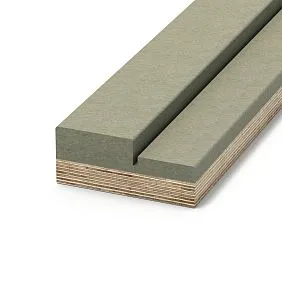
What does a frame profile represent in a technical sense? It is a specially formed element of a certain cross-section, designed for creating frame structures of various purposes. Depending on the material of manufacture, the profile may have different characteristics of strength, flexibility, resistance to external influences, and aesthetic properties.
The main purpose of profile elements is to create a rigid frame that serves as the basis for mounting other components of the structure.Narrow profile frameis used in cases where it is necessary to ensure maximum space-saving while maintaining the required connection strength.
The versatility of profile systems is astonishing in its variety. From manufacturing furniture facades to creating complex architectural elements — there is always a place for this technological solution. Especially important is the role of the profile in the modern furniture industry, where requirements for quality, durability, and appearance of products are constantly increasing.




Constructive features and operating principles
The operating principle of the frame profile is based on distributing loads across the entire perimeter of the structure. Due to its special cross-sectional shape, the profile can withstand significant mechanical loads while having a relatively low self-weight. This is especially important in manufacturing large-scale structures, where every gram of weight matters.
In narrow profile form, it enables implementing projects where minimizing the visual mass of elements while preserving functionality is critical.It is a high-tech solution combining lightness, strength, and corrosion resistance. Such a profile is particularly in demand in high-humidity conditions or when ensuring maximum structural longevity is required.
The profile's geometry is developed taking into account specific tasks it must perform. Different cross-section types allow optimizing the product's characteristics for specific operating conditions. For example, profiles with increased contact area provide more reliable element connections, while profiles of special shape can serve not only as structural but also decorative elements.
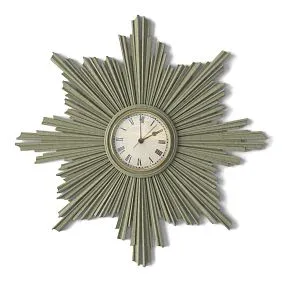
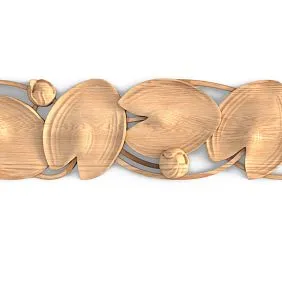
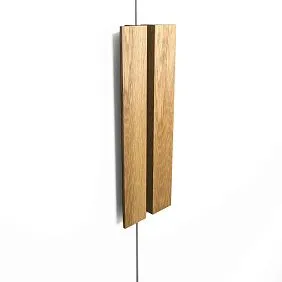
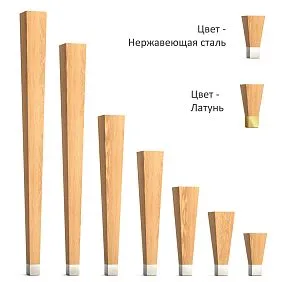
Our factory also produces:
Variety of materials and manufacturing technologies
The modern industry offers frame profiles made from various materials, each possessing unique characteristics and applications. Material selection is determined not only by technical requirements but also by aesthetic preferences, operating conditions, and budget constraints.
Get Consultation
Wooden profiles: classic quality and naturalness
Wood remains one of the most popular materials for manufacturing frame profiles. Natural wood possesses unique properties that are difficult to replicate with artificial materials. The warmth of the grain, the natural beauty of fibers, and its eco-friendliness make wooden profiles indispensable in creating high-end interiors.
Wood processing technology for profile products includes numerous stages, starting from proper drying of raw material and ending with the final finishing of the finished product. Each wood species requires an individual approach to processing, taking into account its physical and mechanical properties.
In narrow profile form, it opens new possibilities for creating modern furniture. Minimalist frames for glass inserts, thin frames for decorative panels, elegant mullions — all of this becomes possible thanks to the use of narrow profiles.Made from natural wood, it allows creating furniture fronts with unique texture and noble appearance. Such profiles are especially valued in premium furniture production, where each detail should emphasize the high status of the product.
Composite materials: innovations serving quality
The narrow profile demonstrates the capabilities of modern composite materials. High-density fiberboards of medium density ensure geometric stability, resistance to deformation, and the ability to create complex profiles with thin walls.It is a modern technological solution combining the advantages of natural wood and the stability of composite materials. MDF (Medium Density Fiberboard) is made from finely dispersed wood shavings, pressed under high pressure using binding agents.
The main advantages of MDF profiles lie in their dimensional stability, resistance to temperature and humidity fluctuations, and the ability to create complex profile shapes that are difficult to achieve when processing solid wood. The MDF profile surface is ideal for various finishing treatments, including painting, laminating, and veneering.
MDF profile manufacturing technology allows achieving high dimensional accuracy and surface quality, which is critically important for furniture production. Modern equipment ensures consistent product quality and enables the production of profiles with complex configurations and minimal tolerances.
Metallic solutions: strength and durability
Metallic frame profiles occupy a special place in the modern industry due to their unique operational characteristics. They can withstand significant loads, are resistant to external influences, and possess longevity measured in decades.
Aluminum profiles are especially popular in furniture production due to their optimal combination of strength and weight.Narrow framed black profileProfiles with anodized surfaces not only possess outstanding technical characteristics but also give the product a modern, technological appearance.
Metal profile processing technologies include extrusion, rolling, mechanical processing, and various types of finishing coatings. Anodizing aluminum allows creating a protective layer that not only protects the metal from corrosion but can also have various colors and textures.
Application in the furniture industry and interior design
The furniture industry is one of the largest consumers of frame profiles of various types. Modern requirements for quality, functionality, and appearance of furniture stimulate continuous development of profile systems and the search for new technological solutions.
Facade systems: art in details
Buy framed profileFrame profiles for creating furniture facades — this is an investment in the quality and longevity of the finished product. Facade systems based on frame profiles allow creating constructions of varying complexity, from simple rectangular forms to complex geometric compositions with curved elements.
Frame facade manufacturing technology includes several stages: profile preparation, creation of connecting joints, frame assembly, and installation of filling elements. Each stage requires high precision, as even minor deviations can lead to disruption of the entire structure's geometry.
Wide frame profileIt is used when it is necessary to create a massive, solid structure or when additional functional elements, such as lighting systems or opening mechanisms, need to be placed within the profile.
Modern facade systems may include various types of fillings: glass, MDF panels, natural veneer, plastic, or composite materials. The choice of filling is determined by the stylistic solution, functional requirements, and budget constraints of the project.
Integration of functional elements
One of the key advantages of modern frame profiles is the ability to integrate various functional elements.Frame profile with handleIt is an innovative solution combining the structural function of the profile with an ergonomic control element.
This solution allows creating furniture facades with minimalist design, where the handle is not a separate element but integrated into the profile structure. This not only improves the appearance of the product but also simplifies the manufacturing and assembly process.
Integrating handles into the profile system requires precise load calculation and proper material selection. The profile must withstand not only static loads from the facade's weight but also dynamic forces generated during opening and closing of furniture.
Specialized profile systems
MDF Frame Profile for FacadesOften used in combination with specialized mounting and hardware systems. Modern furniture hardware imposes strict requirements for dimensional accuracy and surface finish quality of mounting surfaces.
MDF profile routing technologies allow creating complex grooves, cutouts, and holes with high precision. This ensures perfect compatibility of profiles with modern mounting systems and enables high-quality assembly.
Gold frame profileWith decorative finish, used in creating luxury-class exclusive furniture. Such profiles undergo special treatment including base coating, polishing, and final decorative finish. The process requires high skill level and strict adherence to technological procedures.
Technical Specifications and Quality Standards
Frame profile quality is determined by multiple parameters including geometric accuracy, strength characteristics, surface quality, and resistance to various influences. Modern quality standards impose strict requirements on each of these parameters.
Quality of planed strips is determined not only by wood species and processing technology, but also by the accuracy of geometric parameters. Modern standards set strict requirements for deviations from nominal dimensions, straightness, and surface quality.
Dimensional accuracy of the frame profile is a critically important factor determining the quality of the final product. Deviations from nominal dimensions may lead to assembly problems, structural geometry distortion, and deterioration of the final product's appearance.
Especially in demand in modern design. Glass doors, windows, stained glass — all these elements require reliable yet visually light framing, which narrow profiles provide.Requires especially high manufacturing precision, since glass cannot compensate for profile inaccuracies. Minimal deviations may lead to stress formation in the glass and its failure.
Modern quality control technologies include the use of coordinate measuring machines, laser measurement systems, and other high-precision tools. This ensures stable product quality and compliance with the strictest requirements.
Dimensional tolerances for profiles are established depending on their purpose and operating conditions. For furniture profiles, stricter tolerances are typically applied compared to structural profiles, since requirements for appearance and assembly precision in the furniture industry are significantly higher.
Strength and operational characteristics
Mechanical properties of the frame profile determine its ability to withstand various loads during operation. These characteristics depend on both the material of manufacture and the geometry of the profile's cross-section.
Frame profile assemblyRequires consideration of all loads that will act on the structure during operation. Main types of loads include: self-weight of the structure, loads from fillings, dynamic loads during opening and closing, and possible emergency loads.
Strength calculations for profile structures are performed using modern software complexes that allow modeling various loading conditions and determining optimal profile parameters. This is especially important when designing large-scale structures, where operational safety is a priority requirement.
Strength tests include static and cyclic loading, bending, compression, tension, and torsion tests. Test results allow determining the actual operational characteristics of the profile and establishing recommendations for its application.
Mounting and joining technologies for profile elements
Correct installation of the frame profile is the guarantee of the entire structure's reliability and longevity. Modern profile element joining technologies include both traditional methods and innovative solutions based on specialized hardware.
Classic joints: time-tested solutions
Traditional methods of joining profile elements are based on the use of mechanical fasteners and adhesive compositions.White framed profileOften joined using mortise-and-tenon joints, which provide high strength and reliable fastening.
Mortise-and-tenon joint technology requires high-precision processing of mating surfaces. Modern equipment allows creating tenons and mortises with minimal tolerances, ensuring tight joints without gaps.
Adhesive joints are used both independently and in combination with mechanical fasteners. Modern adhesive compositions have high strength and allow creating joints stronger than the base material. Adhesive joints are especially effective when working with MDF profiles, where the material's mechanical properties allow creating very strong adhesive joints.
Modern mounting systems
Facade Frame ProfileOften equipped with specialized mounting systems that ensure fast and accurate assembly of the structure. Such systems include various types of corner connectors, clamps, and clamping devices.
Corner connectors are made from high-strength materials and provide rigid connection of profile elements at various angles. Modern connectors allow creating both disassemblable and non-disassemblable joints depending on the specific project requirements.
Fast-mounting systems are especially in demand in furniture mass production, where speed of assembly is important while maintaining high-quality joints. Such systems often include pre-positioning elements that simplify the assembly process and reduce the likelihood of errors.
Specialized hardware for profile systems
Modern furniture hardware is developed taking into account the specific characteristics of working with frame profiles of various types.Frame furniture profilemay be equipped with hinges, guides, automatic closing systems, and other functional elements.
Hinges for frame profileare designed taking into account the specifics of mounting to profile elements. They must ensure secure fastening while minimizing weakening of the profile structure. Modern hinges allow adjusting the facade position in three planes, ensuring perfect fit even with minor deviations in cabinet body dimensions.
Corner for frame profileis an important element ensuring rigidity of corner joints. Modern corner brackets are made from high-strength materials and can have various configurations depending on the profile type and strength requirements of the joint.
Selection and application of frame profiles in various projects
Correct selection of frame profile is a critically important factor for the success of any project. When choosing, numerous factors must be considered: the purpose of the structure, operating conditions, aesthetic requirements, budget constraints, and production capabilities.
Criteria for material and configuration selection
Frame Profile for Furniture Facadesis selected based on the style of furniture, operating conditions, and project budget. For classic interiors, profiles made of natural wood with traditional surface treatment are preferred. Modern styles often require profiles with clear geometric shapes and minimalist finishes.
Operating conditions significantly influence the choice of profile material. For rooms with high humidity, profiles made of moisture-resistant materials or profiles with appropriate protective treatment are recommended.
Profile dimensions are determined based on the structure's dimensions and expected loads. Large-scale structures require profiles with larger cross-sections to ensure required rigidity and strength.
Economic aspects of selection
Furniture frame aluminum profilemay have a higher initial cost compared to profiles made of other materials, but in the long term, such profiles are often more economical due to their durability and minimal maintenance requirements.
When calculating economic efficiency, it is necessary to consider not only the cost of the profile itself, but also the costs of its processing, installation, and operational expenses. Some types of profiles may require special equipment for processing, which increases overall production costs.
Production volumes also influence the economic feasibility of choosing a particular type of profile. For mass production, investments in specialized equipment may be justified, as they pay off through increased productivity and product quality.
Compatibility with modern technologies
Aluminum frame profile for furniture facadesis well compatible with modern automated production technologies. The stability of aluminum properties allows using high-speed CNC machines to process profiles with high precision and efficiency.
Integration of profile systems with "smart home" systems opens new possibilities for creating functional furniture. Sensors, lighting systems, automatic opening mechanisms, and other electronic components can be embedded into profiles.
3D design technologies allow creating complex profile structures with optimized characteristics. Computer modeling helps identify potential issues during the design stage and make necessary adjustments before production begins.
Innovations and prospects for development of profile systems
are becoming increasingly popular not only due to their technical characteristics, but also because of their eco-friendliness. Aluminum is a fully recyclable material, which meets modern requirements for sustainable development.
Ecological aspects and sustainable development
Frame facades made of aluminum profileAdvancements in wood waste recycling technologies have led to the creation of new composite materials for profile production. These materials combine the advantages of natural wood and modern technologies, ensuring high quality with minimal environmental impact.
Certification of profile systems according to international environmental standards is becoming an important competitive advantage. Consumers increasingly prefer products with appropriate quality and environmental safety certifications.
Modern profile systems are increasingly integrated with digital technologies. Built-in sensors can monitor the condition of the structure, temperature, humidity, and other parameters. This information can be used to optimize operating conditions and prevent premature wear.
Integration of Digital Technologies
Modern profile systems are increasingly integrated with digital technologies. Built-in sensors can monitor the condition of the structure, temperature, humidity, and other parameters. This information can be used to optimize operating conditions and prevent premature wear.
Augmented reality technologies allow creating interactive assembly guides for profiled structures. This is especially useful when working with complex profiled systems, where the correct sequence of operations is critically important for the quality of the result.
Artificial intelligence is beginning to be used to optimize profile production processes. Machine learning algorithms analyze production process data and suggest optimizations that allow improving product quality and reducing costs.
Frequently Asked Questions about framed profiles
What material is better to choose for a framed profile of a furniture facade?
Material selection depends on interior style, operating conditions, and budget. For classic interiors, natural wood is preferable; for modern styles — MDF or aluminum. In rooms with high humidity, aluminum profiles are preferable.
Can you make framed facades yourself?
Manufacturing high-quality framed facades requires specialized equipment and professional skills. Without appropriate experience, it is difficult to ensure the required dimensional accuracy and connection quality. It is recommended to contact specialized manufacturers.
How to calculate the required amount of profile for a project?
Profile quantity is calculated based on construction drawings, taking into account allowances for cutting and possible defects. It is recommended to order profile with a 10-15% reserve over the calculated amount. For precise calculation, it is better to consult specialists.
What advantages does using profiles with integrated handles offer?
Profiles with integrated handles provide a minimalist design, simplify manufacturing and installation processes, and reduce the number of components in the structure. Such profiles are especially popular in modern kitchen cabinets.
Is special hardware required for framed profiles?
Yes, framed profiles often require specialized hardware designed with the specific mounting characteristics of profiled elements in mind. Using inappropriate hardware may result in reduced structural strength and reliability.
How to ensure the longevity of framed structures?
Longevity is ensured by proper material selection, high-quality manufacturing, adherence to installation technology, and regular maintenance. It is important to protect the structure from moisture, mechanical damage, and excessive loads.
Conclusion
Framed profile is a fundamental element of modern design and furniture manufacturing, combining functionality, aesthetics, and technological sophistication. Proper selection and application of profiled systems open up limitless possibilities for creating unique interior solutions and high-quality furniture.
Modern profile production and processing technologies have reached the highest level, enabling the creation of products meeting the strictest quality and design requirements. Integration of digital technologies and ecological principles defines the industry's development direction in the coming years.
For many years, STAVROS has been a reliable partner for professionals in the furniture industry and interior design. Rich experience working with various materials, modern production technologies, and deep understanding of market needs enable STAVROS to offer clients high-quality profile solutions. Every profile produced under the STAVROS brand undergoes strict quality control and meets international standards, guaranteeing the longevity and reliability of finished products. Investments in research and development allow STAVROS to remain at the forefront of innovations in profile systems, offering clients the most modern and effective solutions for their projects.