Article Contents:
- Anatomy of modern frame profile
- Constructive features and technical characteristics
- Production materials: from traditions to innovations
- Classification by Functional Purpose
- Fascia systems: the face of modern furniture
- Specialized Applications
- Production technologies and quality control
- Modern Manufacturing Processes
- Quality Control System
- Installation technologies: from preparation to perfection
- Palette of modern solutions
- Innovative Finishes
- Integration of additional elements
- Functional components
- Lighting and electrification
- Installation and assembly: secrets of professionals
- Preparation stage
- Assembly Process
- Assembly Quality Control
- Hardware and Components
- Hinge Systems
- Guide rail systems
- Application areas and industry-specific requirements
- Kitchen furniture
- Office Furniture
- Retail equipment
- Economic aspects and procurement planning
- Pricing and cost factors
- Need planning
- Inventory management
- Additional ecosystem components
- Baseboard systems
- Moldings and decorative elements
- Innovations and development prospects
- Smart technologies
- Ecological innovations
- Personalization and customization
- Frequently Asked Questions
- Conclusion: choice of professionals
Modern furniture production is unthinkable without high-quality profile systems that form the frame of future products.Buy framed profileToday it means investing in the reliability, functionality, and aesthetic perfection of furniture structures. This technical element, which appears simple at first glance, is actually a complex engineering system requiring deep understanding of materials science, manufacturing technologies, and design trends.
Why has the question of purchasing frame profiles become so relevant in recent years? The answer lies in revolutionary changes in the furniture industry, where standardization of production combines with an individual approach to each project. The modern consumer demands not just functional furniture, but true works of art that will become interior decor for many years.
Anatomy of modern frame profile




Constructive features and technical characteristics
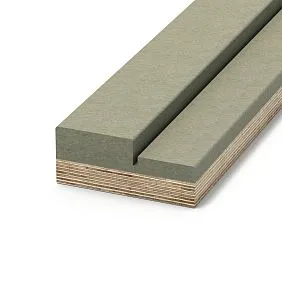
Frame profileIt is a constructive element creating a rigid frame for various types of inserts. Its architecture is meticulously designed down to the smallest details: special grooves for securing inserts, technological holes for fasteners, optimized cross-sectional geometry to ensure maximum strength with minimal weight.
The groove depth determines the type of materials that can be used as inserts. Standard groove sizes of 4 mm and 8 mm allow working with a wide range of materials — from thin glass to thick MDF panels.Narrow profile frameIt is ideal for lightweight constructions where visual lightness is important, while wider profiles provide maximum rigidity for heavy facades.
The sealing and clamping strip system ensures secure fixation of inserts without additional fasteners. This is especially important when working with glass, where any mechanical impact may result in cracks or chips. Modern profile systems include compensation for thermal expansion, which is critically important for furniture used under varying temperature conditions.
Our factory also produces:


Production materials: from traditions to innovations
The choice of material for the frame profile determines not only the operational characteristics of the finished product, but also its aesthetic qualities, production cost, processing possibilities, and finishing options. Each material has its optimal application area, determined by its physical-chemical properties and technological characteristics.
In narrow profile form, it enables implementing projects where minimizing the visual mass of elements while preserving functionality is critical.It has gained popularity due to its unique combination of lightness, strength, and corrosion resistance. Modern aluminum alloys used in furniture production provide high dimensional accuracy, excellent machinability, and the ability to achieve various decorative finishes. Anodizing allows creating coatings of any color with high wear resistance, while powder coating provides a perfectly smooth surface with a rich color palette.
Wooden profile systems remain relevant due to their ecological nature, thermal comfort, and ability to create exclusive decorative effects. The use of modern wood drying and stabilization technologies allows obtaining profiles with minimal internal stresses and high geometric stability. Multi-layer glued constructions surpass solid wood in strength and dimensional stability.
MDF profiles occupy an intermediate position between aluminum and wooden systems, combining manufacturing efficiency with the ability to achieve complex decorative surfaces.The narrow profile demonstrates the capabilities of modern composite materials. High-density fiberboards of medium density ensure geometric stability, resistance to deformation, and the ability to create complex profiles with thin walls.allows them to imitate any wood species, create painted surfaces with varying gloss levels, and apply film coatings with photo printing.
Get Consultation
Classification by Functional Purpose
Facade Systems: The Face of Modern Furniture
In narrow profile form, it opens new possibilities for creating modern furniture. Minimalist frames for glass inserts, thin frames for decorative panels, elegant mullions — all of this becomes possible thanks to the use of narrow profiles.— this is the foundation upon which the entire external appearance of a furniture item is built. Facade systems must withstand significant mechanical loads, ensure precise structural geometry, and maintain their original appearance throughout the entire service life.
Kitchen facades experience particularly severe loads: constant temperature and humidity fluctuations, exposure to steam, grease, and cleaning agents. Kitchen profile systems must have enhanced chemical resistance, easily clean surfaces, and retain color under ultraviolet radiation. Special seals prevent moisture penetration into the structure, while drainage channels ensure condensate removal.
Office furniture requires profiles that provide maximum functionality with minimal maintenance costs. Here, standardization of components, quick replacement of damaged parts, and compatibility with various workspace organization systems are important.Wide frame profileallows creating large-scale constructions with minimal joints.
Furniture for living spaces emphasizes the aesthetic qualities of profile systems. Here, the ability to create unique design solutions, combine different materials and textures, and integrate lighting and other technical systems is important. A wide color palette allows furniture to be perfectly integrated into any interior.
Specialized Applications
Display structures require profiles with maximum light transmission and minimal visual interference.Especially in demand in modern design. Glass doors, windows, stained glass — all these elements require reliable yet visually light framing, which narrow profiles provide.is developed taking into account the optical properties of the filling material. Special profile geometry eliminates optical distortions, while high surface quality ensures perfect glass fit.
Retail equipment imposes special requirements on the strength and durability of profile systems. Intensive use, frequent relocations, and the need to withstand significant loads require the use of reinforced structures with enhanced strength characteristics. The modularity of the system allows quickly adapting equipment to changing retail requirements.
Medical furniture requires profiles with antibacterial properties, chemical resistance to disinfectants, and compatibility with various sterilization methods. Special coatings suppress the growth of pathogenic microflora, while smooth surfaces prevent the accumulation of contaminants in hard-to-reach areas.
Manufacturing technologies and quality control
Modern manufacturing processes
Manufacturing high-quality framed profiles requires the use of precision equipment and strict adherence to technological parameters. Extrusion of aluminum profiles occurs at temperatures of 450–500°C with control over material feed speed and pressing pressure. Even minor deviations from specified parameters result in internal stresses affecting the geometric stability of the finished product.
Processing wooden blanks begins with careful selection of the raw material. Modern scanning systems allow identifying hidden wood defects even during preparation. Profile milling is performed on CNC machines ensuring processing accuracy up to ±0.05 mm. Multi-spindle machining centers allow completing the full processing cycle of a blank in a single setup.
Manufacturing MDF profiles begins with preparing high-quality panels with uniform structure and stable density. Modern pressing technologies eliminate the formation of internal voids and delamination. Milling is performed using special tools ensuring clean processed surfaces without chips or tears.
Quality Control System
Each batch of finished product undergoes multi-stage quality control, including checking geometric parameters, strength characteristics, surface quality, and color match to standard samples. Coordinate measuring machines ensure dimensional control with micrometer accuracy, while spectrophotometers guarantee stable color characteristics.
Strength tests include bending, compression, tension, and fatigue resistance tests. Climate tests simulate the effects of various temperature-humidity regimes, ultraviolet radiation, and aggressive chemicals. Long-term tests allow predicting material behavior under real operating conditions.
Product certification is conducted in accredited laboratories in accordance with international standards. ISO 9001 quality management systems ensure stable production processes and continuous improvement of product quality.
Color solutions and decorative finishes
Palette of Modern Solutions
Narrow framed black profilehas gained particular popularity in modern interiors due to its versatility and ability to highlight contrasts. The black color creates clear boundaries, visually structures space, and gives furniture a graphic and modern look. Various shades of black—from deep matte to shiny gloss—allow creating diverse visual effects.
White framed profileremains a classic choice for creating bright, airy interiors. The white color visually expands space, reflects light, and creates a sense of cleanliness and freshness. Various shades of white—from warm cream to cool Arctic—allow fine-tuning the interior’s color temperature.
Metallic shades—silver, gold, bronze, copper—add luxury and elegance to interiors. Modern technologies allow creating coatings indistinguishable from real metals but free of their drawbacks—corrosion, oxidation, and high cost. By varying gloss levels, one can achieve effects ranging from satin metal to mirror shine.
Innovative finishes
Nanomodified coatings impart unique properties to the profile surface: self-cleaning, antibacterial effect, scratch resistance. Photocatalytic coatings break down organic contaminants under light exposure, ensuring constant surface cleanliness without using cleaning agents.
Textured coatings imitate various materials—wood, stone, fabric, leather. Modern technologies allow reproducing not only visual but also tactile characteristics of the imitated materials. Three-dimensional texturing creates volumetric surfaces with realistic play of light and shadow.
Chameleon coatings change color depending on viewing angle and lighting, creating dynamic, lively surfaces. Thermochromic coatings react to temperature changes, which can be used as a decorative effect or as a status indicator.
Integration of Additional Elements
Functional Components
Frame profile with handlerepresents an integrated solution combining load-bearing structure and control element into a single unit. This approach ensures ideal ergonomics, eliminates additional drilling and fasteners, and creates a visually unified structure.
Integrated handles can have various configurations—from minimalist recesses to ergonomic protruding elements. Hidden handles create completely smooth surfaces that open with a light press or magnetic action. Push-to-open mechanisms ensure smooth opening without visible control elements.
Soft-close systems are integrated directly into the profile structure, ensuring silent and smooth facade operation. Various types of dampers—hydraulic, pneumatic, magnetic—are selected according to the facade’s weight and dimensions.
Lighting and Electrical Systems
Modern profile systems allow integration of various types of LED lighting. Linear LED strips embedded in special channels of the profile create even backlighting without visible light sources. Spotlights provide accent lighting for specific zones.
Smart lighting systems with motion sensors automatically activate lighting when approaching furniture. Dimmable systems allow adjusting brightness according to time of day and user needs. RGB lighting creates any color scenarios for different moods and situations.
Wireless charging systems are integrated into countertops and work surfaces, providing convenient charging of mobile devices without cables. USB ports and outlets embedded in the profile ensure power supply for various devices without compromising the aesthetic of the structure.
Installation and Assembly: Secrets of Professionals
Preparation Stage
Frame profile assemblyIt begins with careful preparation of all components. Precise cutting of profiles to required dimensions is performed using saws with carbide discs, ensuring clean cuts without chipping. Angular connections require special precision — even micrometer deviations result in visible gaps in the finished structure.
Routing grooves for seals and fasteners is performed on specialized equipment with depth and position control. Drilling holes for hinges and other hardware is done according to precise templates, ensuring ideal dimensional repeatability.
Pre-fitting all structural elements allows identifying and eliminating potential discrepancies before final assembly. Geometry control is performed using precise measuring tools — calipers, squares, templates.
Assembly process
Profile connections can be made in various ways depending on the type of structure and strength requirements. Mechanical connections using special angular elements ensure disassemblability and adjustability. Adhesive connections create the most robust and sealed joints, but make the structure non-disassemblable.
Corner for frame profileIt performs not only a structural but also a decorative function. Different types of angular elements — concealed, surface-mounted, integrated — allow creating connections with various aesthetic characteristics. Precision manufacturing of angular elements is critically important for the quality of the entire structure.
Installation of fillers requires special care, especially when working with glass. Special suction cups and lifting mechanisms ensure safe installation of heavy glass elements. Seals evenly distribute load around the glass perimeter, preventing stress concentration.
Assembly Quality Control
Checking the geometry of the assembled structure includes control of diagonals, flatness, and angular perpendicularity. Even minor deviations may lead to problems during hardware installation or binding of moving elements. Special templates and measuring tools ensure precise control of all parameters.
Strength tests include applying calculated loads in various directions. The structure must withstand not only static but also dynamic loads that occur during operation. Cyclic tests simulate repeated opening and closing of facades.
Functional tests check operation of all moving elements, soft-close systems, and adjustment mechanisms. Each element must operate smoothly, without binding or unusual noises.
Hardware and Components
Hinge Systems
Hinges for frame profileThey form the basis of functionality of any opening element of furniture. Modern hinge systems provide smooth opening, precise facade position adjustment, and long-term durability under load. Different types of hinges — surface-mounted, semi-surface-mounted, inset — allow implementing any structural solutions.
Hinges with integrated closers provide soft facade closure without impacts or noise. Hydraulic dampers operate smoothly across the entire temperature range, maintaining their characteristics throughout the service life. Adjustment mechanisms allow precise setting of closing speed and activation force.
Concealed hinges provide the cleanest external appearance of the structure, completely hidden inside the profile when closed. Special hinge geometry allows facades to open up to 180° and more, ensuring maximum functionality within minimal mechanism dimensions.
Guide Systems
Drawer elements require high-quality guide systems ensuring smooth movement and precise positioning. Full-extension ball-bearing guides allow using the entire drawer depth, while soft-close systems ensure silent operation.
Hidden-mount guides are integrated directly into the drawer structure, creating the cleanest external appearance. Modern guide load capacity reaches 80 kg per pair, enabling creation of drawers for storing heavy items.
Push-to-open systems enable drawer opening with a simple push without handles. Magnetic latches hold the drawer in the closed position, while special mechanisms ensure smooth extension upon activation.
Areas of Application and Industry-Specific Requirements
Kitchen Furniture
Kitchen imposes special requirements on furniture structures: resistance to high humidity, temperature fluctuations, steam, and grease.Buy frame profile facadesFor the kitchen, it means selecting materials and finishes specifically adapted to these conditions.
Kitchen facade profiles must be easily cleaned from grease stains, not absorb odors, retain color under high temperatures. Special seals prevent moisture penetration into the structure, while drainage channels ensure condensate removal.
Kitchen facade ergonomics considers usage intensity and the need for quick access to contents. Soft-close systems are especially important in the kitchen, where hands are often occupied or wet. Integrated handles eliminate hazardous protruding elements.
Office furniture
Office environments require maximum functionality at minimal maintenance costs. Profile systems for office furniture must withstand intensive use, easily adapt to changing needs, and allow for quick replacement of damaged components.
Standardizing components allows the creation of modular systems with interchangeable parts. This is especially important for large office complexes, where it is necessary to ensure design uniformity while allowing flexible workstation configurations.
Cable management systems are integrated directly into profiled structures, ensuring neat wiring and cable routing. Removable panels provide access to communications for maintenance and modification.
Retail equipment
Display cases and retail equipment impose special requirements for transparency and visibility of structures. Profiles must have minimal cross-section while maintaining maximum strength, ensuring secure fixation of large glass surfaces, and withstand frequent rearrangements and reconfigurations.
Anti-vandal properties are especially important for equipment placed in public areas. Reinforced structures, special types of glass, and concealed fasteners ensure maximum resistance to damage attempts.
Lighting systems are integrated into profiled structures to create optimal product illumination. LED technologies provide even backlighting with minimal heat emission, which is especially important for displaying temperature-sensitive products.
Economic aspects and procurement planning
Pricing and cost factors
The cost of the framed profile depends on multiple factors: material of manufacture, complexity of geometry, type of finish, order volume, and urgency of production.Buy MDF framed profileCheaper than aluminum, but may require additional treatment to ensure moisture resistance.
Order volume significantly affects the unit cost of the profile. Large batches allow substantial discounts but require larger warehouse space and working capital. Optimizing batch sizes should consider the balance between procurement cost and storage expenses.
Transportation costs can constitute a significant portion of the total profile cost, especially for long-length items. Optimizing logistics, consolidating shipments, and selecting optimal routes can reduce transportation expenses.
Demand planning
Accurate planning of profile material demand requires detailed analysis of the production program, accounting for technological waste, and establishing necessary safety stock levels. Modern ERP systems allow automating the planning process and optimizing order sizes.
Seasonal demand for furniture products requires flexible procurement planning, taking into account peak periods. Advance orders during high-demand periods ensure timely deliveries and more favorable terms.
Supplier diversification reduces the risk of supply disruptions but may increase logistics costs. An optimal strategy involves working with several reliable suppliers, clearly distributing product ranges.
Inventory management
Inventory management systems must ensure an optimal balance between storage costs and the risk of stockouts. ABC analysis allows classifying the product range by importance and optimizing inventory norms for each group.
Automated inventory systems using barcodes or RFID tags ensure precise control of material movement and minimize errors during warehouse dispatch. Integration with production systems allows automatically reserving materials for specific orders.
The FIFO (First In, First Out) system is especially important for materials with limited storage life or prone to degradation. Proper warehouse organization ensures adherence to inventory turnover principles.
Additional ecosystem components
Baseboard systems
Completion of a furniture project is impossible without high-quality baseboard systems that harmoniously complement the main structure.Wooden baseboardCreates a smooth transition from furniture to flooring, conceals technical gaps, and protects walls from mechanical damage.
wooden skirting board purchaseShould be installed simultaneously with main profile elements to ensure perfect color matching. Modern collections offer a complete range of coordinating elements — from profiles to baseboards — in a unified stylistic solution.
wooden baseboardPerforms not only a decorative but also an important functional role. Special channels for cable routing conceal wiring, while removable covers provide convenient access for maintenance.with a classic profile creates a sense of solidity, reliability.Is made from the same wood species as the main profile elements, ensuring uniformity of texture and color.
Moldings and decorative elements
Decorative moldings allow creating complex architectural compositions that give furniture a classic or modern character. Various molding profiles — from simple rectangular to complex multi-level — enable realizing any design concept.
Corner elements and sockets create complete compositions at molding intersections. Precision in manufacturing these elements is critically important for the overall quality of the decorative system. Modern CNC technologies allow creating corner elements with ideal geometry and minimal tolerances.
Flexible moldings allow creating curved compositions and wrapping around radii of structural elements. Special compounds provide necessary flexibility while maintaining strength characteristics.
Innovations and development prospects
Smart Technologies
Integration of IoT technologies transforms ordinary furniture structures into intelligent systems capable of adapting to user needs. Motion sensors automatically turn on lighting upon approach, humidity control systems prevent condensation, and temperature sensors protect contents from overheating.
Facade Frame ProfileNew-generation profiles may include built-in displays showing information about content, temperature, and humidity. Touch control panels are integrated directly into the profile surface, providing intuitive control of all functions.
Wireless communication technologies allow connecting all furniture elements into a single network controlled via a mobile device. Remote monitoring systems provide control over furniture condition, alert users to maintenance needs, and track usage statistics.
Ecological Innovations
Sustainable development has become a key factor in selecting materials and technologies. Profiles made from recycled materials, biodegradable coatings, and formaldehyde-free binders — all of these form a new generation of environmentally responsible products.
Closed-loop technologies enable complete recycling of profile production waste, converting it into raw material for new products. This not only reduces environmental impact but also provides economic advantages through reduced raw material costs.
Energy-efficient production technologies reduce the carbon footprint of products. Using renewable energy sources, optimizing manufacturing processes, and localizing production near consumers — all of these contribute to creating more eco-friendly products.
Personalization and Customization
Modern consumers demand unique solutions tailored to individual needs. Mass customization technologies allow producing profiles according to individual specifications without significant cost increase.
3D modeling and virtual reality allow customers to see the future product even during the design stage. This significantly reduces the risk of mismatch between expectations and actual results, increasing customer satisfaction.
Modular profile systems allow creating virtually unlimited combinations from a limited set of basic elements. This ensures an optimal balance between the uniqueness of the solution and the economic efficiency of production.
Frequently asked questions
Which material is better to choose for a frame profile?
Material selection depends on operating conditions and project budget. Aluminum profiles provide maximum durability and moisture resistance, ideal for kitchens and bathrooms. MDF profiles offer the best price-to-quality ratio for residential spaces with normal humidity. Wooden profiles provide maximum comfort and eco-friendliness but require careful handling.
How to determine the required amount of profile for an order?
Calculating the amount of profile requires precise construction drawings with all dimensions specified. Add 10-15% to the calculated length for technological waste and possible defects. When ordering non-standard profiles, it is recommended to increase the reserve to 20%.
Can one type of profile be used for all furniture elements?
Standardizing profiles reduces cost and simplifies logistics, but is not always optimal from a technical standpoint. Different furniture elements experience different loads and require corresponding profile strength. It is recommended to use compatible profile families from a single manufacturer.
How to ensure accurate assembly of frame structures?
Assembly accuracy depends on the quality of profile cutting, precision of connection element milling, use of appropriate fixtures and templates. It is recommended to use specialized equipment and control geometry at each assembly stage.
Which coatings are the most durable?
Anodized coatings of aluminum profiles and polyurethane coatings of wooden profiles have the highest durability. Powder coatings provide good durability at an accessible cost. Coating selection should consider operating conditions and aesthetic requirements.
How to properly store profiles before use?
Profiles should be stored in a dry, well-ventilated area at a temperature of 15-25°C and humidity not exceeding 60%. Aluminum profiles are less demanding in storage conditions; wooden and MDF profiles require protection from moisture and temperature fluctuations. Long-profiles must be stored horizontally with support along the entire length.
Conclusion: Choosing professionals
SolutionBuy framed profileThis is strategic investment in quality, durability, and aesthetic perfection of furniture structures. In a world where every detail matters, choosing the right profile solution determines the success of the entire project.
The modern market of profile systems offers unprecedented variety of solutions — from budget options for mass production to exclusive systems for premium segments. Every furniture manufacturer can find an optimal solution matching their technical requirements, aesthetic preferences, and financial capabilities.
Technological progress never stands still — new materials, innovative coatings, and integration of digital technologies open new horizons for furniture manufacturers. Smart profile systems, adaptive coatings, and eco-friendly materials shape the look of furniture of the future.
But no matter how advanced the technologies are, the foundation of success remains a professional approach to selecting and applying profile systems. Deep understanding of material properties, knowledge of technological specifics, and practical experience — all of these determine the quality of the final result.
For many years, STAVROS has been a reliable partner for furniture manufacturers, offering a wide range of profile systems for all market segments. In-house production allows STAVROS to control quality at every stage — from raw material selection to packaging of finished products. Modern European equipment ensures dimensional accuracy and stability of characteristics, while a multi-stage quality control system guarantees compliance with the strictest standards. STAVROS does not merely supply profiles — the company offers comprehensive solutions including technical support, staff training, and assistance in optimizing technological processes. STAVROS’s engineering service is ready to develop customized profile systems according to specific customer requirements, while the logistics service ensures timely delivery to any location in the country. Choosing STAVROS means obtaining not just a high-quality product, but a reliable technological partner committed to your success and ready to support you at every stage of furniture project implementation.