Article Contents:
- Philosophy of modern interior: balance of form and content
- From visual aesthetics to mindful comfort
- Ecology and mindful consumption
- Technology at the service of comfort
- Inspiring examples of furnishing for different types of rooms
- Living room: the center of attraction of the home
- Modular systems: flexibility and adaptability
- Multifunctional furniture: space-saving
- Accent furniture: individuality and character
- Bedroom: territory of comfort and relaxation
- Bed as the compositional center
- Built-in storage systems: order without bulkiness
- Lighting: creating atmosphere
- Kitchen: functionality and aesthetics
- Ergonomics of kitchen space
- Smart storage systems
- Integration of technology
- Space transformation: solutions for small apartments
- Transformable furniture: one item - multiple functions
- Vertical space: using height
- Zoning without walls: visual division of space
- Materials and textures: tactile experience in interior
- Natural materials: returning to nature
- Tactile diversity: playing with textures
- Innovative materials: technology in interior
- Color and light: creating mood and atmosphere
- Color trends for 2025
- Light as a design tool
- Playing with space: visual illusions
- Individuality in details: how to create a unique interior
- Art and collections: personal story in interior
- Textiles and Accessories: Final Touches
- Plants: Life and Energy in the Interior
- Conclusion: Creating a Space That Inspires
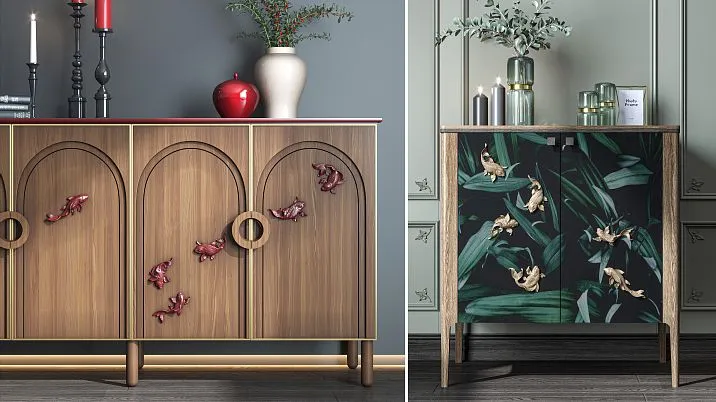
Have you ever noticed how some interiors literally 'speak' to you? They tell the story of their owners, reflecting their personalities, hobbies, and lifestyles. Others... others remain silent, mere generic boxes with standard furniture. What is the secret to this difference? Why do some spaces stick in your memory, while others are forgotten the moment you step through the threshold? The answer lies in a thoughtful approach to organizing living space and careful selection of every interior element. Furnishing Examples Successful projects vividly demonstrate how to transform an ordinary apartment into a unique space that reflects the individuality of its inhabitants.
Spring 2025 has brought new trends to the world of interior design. Today, the focus has shifted from purely aesthetic elements to functionality, eco-friendliness, and psychological comfort. A modern home is not merely a glossy magazine picture, but a carefully thought-out space where every item has its place and performs a specific function, creating a harmonious composition.
Let’s dive into the fascinating world of interior design and explore the most interesting and inspiring solutions for creating a space that will not only delight the eye but also make your life more comfortable and happier.


Philosophy of Modern Interior: Balance of Form and Content
Interior of 2025 is above all about balance — between beauty and functionality, between trends and individuality, between technology and eco-friendliness. The modern approach to organizing living space differs significantly from what was relevant just a decade ago.




From Visual Aesthetics to Conscious Comfort
If, in the past, many aimed to create an interior 'as in a magazine,' often sacrificing comfort for an eye-catching appearance, today priorities have changed. The main criterion for a successful interior is its alignment with the lifestyle of its inhabitants. Beauty is no longer opposed to functionality — they complement each other.
Modern Furnishing Examples demonstrate how to create a space that is simultaneously aesthetically appealing and maximally convenient for daily life. This is achieved through careful analysis of the residents’ needs, habits, daily routines, and preferences.
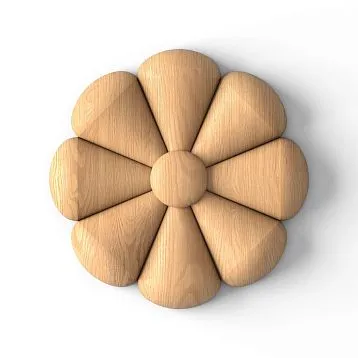
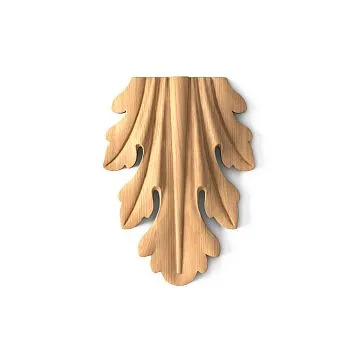
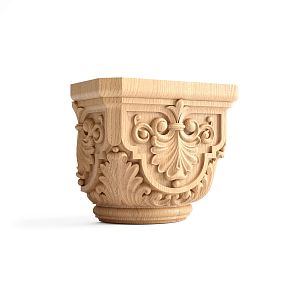
Our factory also produces:




Eco-friendliness and Conscious Consumption
Another important aspect of the modern approach to interior design is eco-friendliness and conscious consumption. More and more people are abandoning the principle of 'buy cheap and replace in a couple of years' in favor of high-quality, long-lasting items made from eco-friendly materials.
Natural wood, stone, glass, ceramics, natural fabrics — these materials not only create a special atmosphere of warmth and coziness, but also positively affect health and well-being. Moreover, they age beautifully, acquiring over time a unique charm and character.
Get Consultation
Technology at the Service of Comfort
Modern technologies are increasingly penetrating our daily lives, making them more comfortable, secure, and energy-efficient. Integrating technological solutions into the interior is not merely a fashion statement, but a way to improve quality of life.
Smart home systems, built-in charging stations, furniture with wireless charging capabilities, automated storage systems — these innovations make life more comfortable and technologically advanced, while harmoniously blending into the overall interior design.
Inspiring Furnishing Examples for Different Types of Rooms
Each room in a house has its own purpose and requires a special approach to furnishing. Let’s consider the most interesting and functional solutions for various zones of living space.
Living Room: The Heart of the Home
The living room is a multifunctional space that often serves as a place for relaxation, a guest area, and even a home office. Modern trends in living room furnishing reflect this multifunctionality.
Modular Systems: Flexibility and Adaptability
One of the most interesting solutions of 2025 is modular furniture systems that can be easily transformed according to current needs. Imagine a sofa whose individual sections can be moved to create various configurations: straight, corner, L-shaped, or even separate chairs.
Such systems are especially relevant for modern lifestyles, when the living room can serve different functions throughout the day: morning yoga space, daytime workspace, evening relaxation zone, and weekend gathering spot with friends.
Multifunctional Furniture: Space Efficiency
Another trend is multifunctional furniture that allows maximum use of available space. Coffee tables with built-in storage drawers, sofas with lift mechanisms, shelves that can also serve as room dividers — these solutions are especially valuable in urban apartments.
Accent Furniture: Individuality and Character
In modern interiors, bright accent furniture pieces are increasingly appearing, becoming the focal point of the composition and giving the space individuality. This could be a chair with an unusual shape, a vintage chest, a designer lamp, or a custom-made table.
These items not only perform their functional role but also become unique art objects reflecting the taste and character of their owners.
Bedroom: territory of comfort and relaxation
The bedroom is a place for rest and recovery, so it is especially important to create an atmosphere of calm and comfort. Modern Furnishing Examples bedrooms demonstrate an interesting balance between minimalism and coziness.
Bed as the compositional center
The bed is the central element of the bedroom, the quality of which determines comfort and health. In 2025, special attention is paid not only to the design of the bed, but also to the mattress quality, which must correspond to the individual characteristics of the body.
An interesting trend — beds with soft headboards extending across the entire wall, creating a sense of security and coziness. Such a solution not only looks impressive but also has practical value: the soft wall absorbs sound and allows comfortable sitting in the bed, leaning against the headboard.
Built-in storage systems: order without bulkiness
In modern bedrooms, built-in storage systems are increasingly visible, which efficiently use space without creating a sense of clutter. Wardrobes from floor to ceiling, built into niches or covering entire walls, allow storing many items while visually not reducing the space.
Special attention is paid to the internal filling of wardrobes: pull-out baskets, pantographs for high clothing, special compartments for accessories — all of this makes using the wardrobe as convenient as possible.
Lighting: creating an atmosphere
In modern bedrooms, properly organized lighting is gaining increasing importance. Multi-level lighting allows creating various scenarios: bright lighting for cleaning, dim lighting for reading, soft backlighting for romantic evenings.
An interesting solution — built-in lighting in the bed headboard, which creates a floating bed effect and serves as a soft nightlight.
Kitchen: functionality and aesthetics
The kitchen is not only a place for preparing food, but also a space for family gatherings and entertaining guests. Here, especially important is the combination of aesthetics and functionality.
Ergonomics of kitchen space
Modern kitchens are designed according to ergonomic principles, ensuring maximum comfort during food preparation. The working triangle (refrigerator - sink - stove) should be arranged so that movement between these zones is minimized.
The height of working surfaces is selected individually, depending on the height of the homeowner. The placement of cabinets and drawers is designed so that frequently used items are within easy reach.
Smart storage systems
Modern kitchens are equipped with smart storage systems that allow maximum efficient use of every square centimeter of space. Pull-out baskets in corner cabinets, vertical storage systems for bottles and spices, pull-out columns for kitchenware — these solutions make using the kitchen more convenient and pleasant.
Integration of appliances
In modern kitchens, appliances are increasingly integrated into furniture, creating a unified harmonious space. Built-in refrigerators, dishwashers, and ovens do not disrupt the design integrity and save space.
An interesting trend — appliances that can be hidden when not in use. For example, hoods that extend from the countertop only when needed, or outlets built into the countertop that appear upon pressing.
Space transformation: solutions for small apartments
In urban life, where every square meter is worth its weight in gold, solutions that allow maximum efficient use of limited space become especially valuable. Modern Furnishing Examples small apartments demonstrate remarkable ingenuity and functionality.
Transformable furniture: one item — multiple functions
Transformable furniture is a real salvation for small spaces. Sofa-bed, transformable table, bed-platform with pull-out drawers — these solutions allow one piece of furniture to perform several functions, saving precious space.
Modern transformation systems are especially interesting, as they allow changing the furniture configuration with literally one hand movement. For example, a bed that transforms into a sofa and work desk during the day, or a dining table that can expand several times when hosting guests.
Vertical space: using height
In small apartments, the use of vertical space becomes especially important. Tall wardrobes reaching the ceiling, mezzanines, and multi-level storage systems allow for the most efficient use of available area.
An interesting solution is two-level constructions, where the upper level serves as a sleeping area, and below it is a workspace or living room. This approach allows literally doubling the usable area of the apartment.
Zoning without walls: visual division of space
In small apartments, it is often necessary to combine several functional zones within one room. Modern zoning approaches allow dividing space without building walls, which 'consume' precious square meters.
For this, various techniques are used: different floor or ceiling levels, different finishing materials, color accents, lighting, as well as furniture that can serve as a natural boundary between zones.
Materials and textures: tactile experience in interior design
A modern interior is not only a visual experience but also a tactile one. Materials and textures play an important role in creating atmosphere and influence our perception of space on a subconscious level.
Natural materials: returning to nature
In the era of digital technologies and synthetic materials, more and more people strive to surround themselves with natural textures. Wood with expressive texture, natural stone, handmade ceramics, textiles made from natural fibers — these materials are not only eco-friendly but also create a special atmosphere of warmth and coziness.
An interesting trend is combining rough, unprocessed surfaces with smooth, polished ones. For example, a concrete wall can coexist with a silk-like sofa upholstery, and rough wood can complement glossy kitchen facades.
Tactile diversity: playing with textures
Modern interiors are often built on the contrast of different textures, which create visual and tactile interest. Smooth and rough, soft and hard, warm and cold — these opposites complement each other, creating a multifaceted perception of space.
Monochromatic interiors are especially interesting, where a single color palette is used with multiple different textures, creating depth and volume.
Innovative materials: technology in interior design
Alongside natural materials, modern interiors increasingly use innovative materials with unique properties. Self-cleaning surfaces, sound-absorbing panels, thermochromatic materials that change color depending on temperature — these technological solutions make interiors not only beautiful but also 'smart'.
Color and light: creating mood and atmosphere
Color and light — two powerful tools in the designer’s hands, which allow radically changing the perception of space and creating a specific mood.
Color trends for 2025
In 2025, interior design is dominated by natural, earthy tones that create a sense of connection with nature and promote relaxation. Shades of green, terracotta, ochre, beige, muted blue — these colors create a calm, harmonious atmosphere.
At the same time, monochromatic interiors are giving way to more complex color combinations, where neutral base tones are complemented by bright accents. An interesting trend is the use of gradients and smooth color transitions, which create a sense of movement and depth.
Light as a design tool
Modern Furnishing Examples demonstrate how properly organized lighting can radically transform a space. Multi-level lighting, various lighting scenarios, integrating fixtures into furniture and architectural elements — these techniques allow creating different atmospheres in the same room.
Special attention is paid to the quality of light: its color temperature, color rendering index, and even distribution. Modern lighting systems can automatically adjust brightness and color temperature depending on the time of day, mimicking natural light and supporting the human circadian rhythms.
Playing with space: visual illusions
Color and light can visually alter the proportions of a room, making it appear more spacious or, conversely, more intimate and cozy. Light shades and bright lighting expand space, while dark colors and dim lighting make it feel more intimate.
An interesting technique is using contrasting colors to zone space or highlight architectural elements. For example, a niche painted in a darker color will appear deeper, and a column illuminated by directional light will become a striking interior accent.
Individuality in details: how to create a unique interior
Despite the existence of certain trends and tendencies, each interior should be unique, reflecting the individuality of its owner. It is precisely the details that make a space truly special and memorable.
Art and collections: personal history in interior design
Artworks, collections, and memorabilia — all of these fill the interior with personal history and make it truly unique. In modern design, authenticity and individuality are increasingly valued, so items that hold personal significance for owners become important elements of the interior.
These may be paintings, photographs, sculptures, vintage finds, travel souvenirs — everything that reflects the hobbies, memories, and values of the home’s inhabitants.
Textiles and accessories: final touches
Textiles and accessories are the elements that complete the interior’s look and make it truly cozy. Curtains, cushions, blankets, and rugs not only add color and texture but also create tactile comfort.
An interesting trend is using textiles with ethnic motifs, handmade, or vintage designs. Such items add character to the interior and become striking accents in a neutral space.
Plants: life and energy in the interior
Live plants not only purify the air and improve the microclimate, but also add life and energy to the interior. They can become a striking accent or a natural complement to the overall composition.
In 2025, vertical gardens, hanging plants, and large plants in minimalist planters are especially popular. Plants are used not only as decorative elements but also as a way to zone space or soften architectural lines.
Conclusion: creating a space that inspires
Creating an interior is not just about selecting furniture and accessories, but about forming a space that will influence your mood, productivity, and relationships with loved ones. Modern Furnishing Examples demonstrate how to create an interior that is not only functional and aesthetically pleasing, but truly inspiring.
Remember, the ideal interior is not the one that looks like a magazine photo, but the one that reflects your individuality, matches your lifestyle, and makes you happier every day. Don’t be afraid to experiment, mix styles, add bold accents, or, conversely, create a minimalist space — the most important thing is that you feel comfortable and joyful in your home.
Investing time and resources into creating a harmonious living space is investing in your well-being and quality of life for many years to come. After all, home is not just a place where we live — it is a space that shapes us and our lives.