Article Contents:
- Roots of traditions and ancient forest wisdom
- Revival of craftsmanship: from manufactory to modernity
- Mechanization and innovative technologies
- Ecological sustainability as the foundation of modern philosophy
- From traditions to innovations: transformation of production
- Aesthetics of natural material
- Laser Cutting and Digital Modeling
- Application of chemical additives and improvement of wood properties
- Automation and quality control
- Significance for local communities
- Role of the state and investments in industry development
- Educational programs and knowledge transfer
- Spiritual dimension of craftsmanship
- Aesthetics inspired by nature
- Future technologies and new horizons
- Socio-economic prospects and role of innovations
- Future in harmony with nature
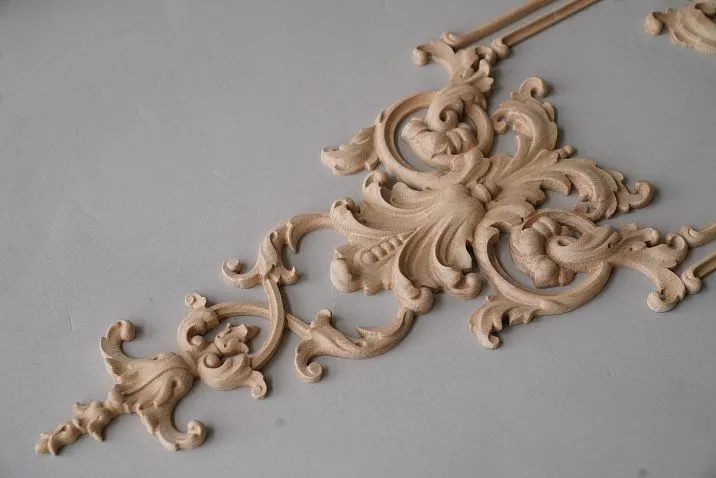
Production of wood-based materials is not merely a technological process, but a true art, where ancient traditions intertwine with modern innovations, creating a unique product capable of telling its story across centuries. Much like Chekhov’s stories, which reveal deep emotions and subtle nuances of human fate, the production of wood-based materials reveals to us many facets: from the intricacies of processing natural raw materials to the highest achievements of modern industry. Let us immerse ourselves in a world where majestic forests, like ancient books, preserve the wisdom of nature, and human craftsmanship transforms their gifts into products capable of adorning and enriching the lives of each of us.


Roots of traditions and ancient forest wisdom
The forest, with its ancient trees, has always been a source of inspiration and reverence for humanity. Since time immemorial, wood has served not only as a foundation for buildings and household items, but also in shaping the spiritual identity of peoples. In ancient times, every tree was regarded as a living being capable of transmitting the energy of its ancestors, and its texture and aroma recounted tales of past storms and quiet, sunny days. It was within this atmosphere, filled with quiet reverence for nature, that the earliest woodworking traditions emerged.
In deep antiquity, when humanity was just beginning to comprehend the laws of the surrounding world, it turned to the forest for counsel and support. Wood, like a wise mentor, taught patience and respect, prompting reflection on the eternal and inevitable cycle of life. It was within these forests that the earliest forms of wood processing emerged, based on observation of nature and a refined sense of time’s rhythm. The masters of those times, much like readers of ancient manuscripts, carved wooden forms imbued with symbolism and hidden meanings, passing them down from generation to generation.




The Revival of Craftsmanship: From Manufactory to Modernity
As in Chekhov's literary works, where every word is imbued with deep meaning and melancholic beauty, so too is modern wood material production imbued with the spirit of continuity and innovation. The age of industrialization brought mechanization and automation, which transformed the face of traditional craftsmanship, enabling significantly increased production scale and ensuring stable product quality.
Today, as humanity increasingly turns to eco-friendly materials, wood once again occupies a central place. The wood processing industry today is a symbiosis of advanced technologies and age-old traditions. Mechanized lines and laser systems have replaced manual labor, but respect for the material, its nature, and its uniqueness remains unchanged. In production workshops, where the quiet hum of machines and the scent of fresh wood linger, lives the memory of ancient craftsmen whose hands and souls were poured into every creation.
Our factory also produces:


Mechanization and innovative technologies
Technological advancements have significantly expanded the possibilities for wood processing. Modern enterprises use computer modeling and automated control, ensuring not only high manufacturing precision but also maximum raw material utilization. Laser cutting, ultrasonic processing, and digital design enable the creation of complex shapes previously inaccessible through traditional methods.
These innovative approaches remind us of how Chekhov's stories feature unexpected turns of fate, where precision and attention to detail determine the outcome of events. In wood material production, each new technology becomes a step toward perfection, enabling the creation of products with unique aesthetic and physical properties. Implementing modern technologies requires not only financial investment but also deep understanding of the process, respect for nature, and a commitment to continuous improvement.
Get Consultation
Ecological sustainability as the foundation of modern philosophy
Today, as ecological and sustainable development issues take on paramount importance, wood becomes a symbol of harmony between humans and nature. In the context of global warming and depletion of natural resources, environmentally sound production based on rational forest use assumes special significance. Much like Chekhov, who in his works discerned the subtle interplay between human fate and nature, modern wood material producers strive to ensure that every stage of production is as environmentally respectful as possible.
The application of innovative technologies allows minimizing waste, while a well-designed forest management system guarantees the renewability of raw materials. The adoption of eco-friendly processing methods, the use of renewable energy sources, and strict control over emissions—all contribute to ensuring that wood material production remains not only efficient but also safe for planetary ecosystems. In this context, wood becomes not merely raw material, but a symbol of a new, sustainable approach to industrial development, where every detail, every gram of managed nature, matters.
The fusion of art and science: the aesthetics of wood materials
As in Chekhov's works, where human emotions are delicately conveyed, so too in wood material production, every stage of processing is imbued with artistic intent. Wood, with its unique texture, color, and aroma, inspires artisans to create pieces that become true works of art. From elegant carved furniture elements to massive building structures—each item bears the imprint of the artisan's personality and their pursuit of beauty.
Artisans working with wood do not merely create material objects; they bestow life upon dreams and memories. In every curve, in every crack, a story is traced: childhood games in the forest, or the quiet joy of a family hearth. It is precisely this emotional richness that makes wooden items truly unique and priceless. Every product, whether an exquisite table or an elegant carved door, is capable of conveying the full spectrum of emotions, evoking deep admiration and respect for the creator's labor.
From traditions to innovations: transformation of production
The history of wood material production is a journey from simple hand tools to high-tech complexes capable of bringing the most daring ideas to life. The transition from traditional processing methods to innovative technologies is accompanied not only by changes in equipment but also in the very approach to craftsmanship. Modern masters and engineers, like modern poets, seek new forms of expression, leveraging the capabilities of digital technologies and automated systems.
The science of wood, studying the material's physicochemical properties, helps optimize processing, select optimal drying, cutting, and bonding regimes. This interdisciplinary approach enables the creation of products that possess not only high strength and durability but also aesthetic appeal. Every stage of the production cycle is carefully planned: from selecting wood species to the final finishing stage, when the product acquires a unique appearance capable of inspiring and delighting its owner.
The aesthetics of natural material
Wood, like nature itself, possesses a special harmony reflected in every product. The variety of textures, patterns, and shades makes it a truly unique material impossible to replicate with synthetic analogs. In the hands of an experienced craftsman, wood transforms, acquiring new forms and becoming the basis for creating interior design elements, architectural solutions, and decorative features.
We can confidently say that the true beauty of wooden products lies in their naturalness. Much like Chekhov, who in his stories was able to capture the subtle nuances of nature, modern designers and wood material producers strive to preserve and emphasize the uniqueness of this natural gift. Using natural resins and dyes, minimizing chemical treatment, and preserving the material's natural appearance—all of this ensures that wooden products will delight their owners for many years, retaining their originality and individuality.
Technological achievements and innovative processes
Over the past decades, wood material production has undergone radical changes. Modern enterprises implement the latest technologies, significantly enhancing the efficiency and quality of wood processing. These achievements remind us of how in literature, new trends always find reflection in creative works, and modern technologies become a new language for expressing ideas and feelings.
Laser Cutting and Digital Modeling
One of the most striking examples of innovation in wood material production is the use of laser cutting. This method allows for cutting even the most complex patterns and shapes with incredible precision, which is especially important when creating decorative elements and complex structures. Laser equipment, controlled by modern computers, can operate with minimal tolerances, transforming ordinary wood into a work of engineering art.
Digital modeling, in turn, allows creating virtual prototypes of products even before the start of physical production. This approach enables optimizing the process, reducing errors, and significantly minimizing material waste. Modeling helps not only visualize the final result but also experiment with various design options, which is especially valuable in today's market, where demands for aesthetics and functionality are constantly rising.
Application of chemical additives and improvement of wood properties
To ensure wood can withstand adverse operating conditions, modern technologies involve the use of special resins, adhesives, and protective compounds. As a result, products become not only strong and durable but also resistant to moisture, fire, and insects. The introduction of such chemical additives, conducted in accordance with strict ecological standards, allows preserving the natural properties of wood while simultaneously improving its performance characteristics.
These achievements can be compared to how a talented writer, by adding unexpected nuances to their works, can transform an ordinary story into a true fairy tale. The application of modern compounds and processing methods transforms wood into a new-generation material capable of competing with synthetic analogs while preserving its uniqueness and ecological purity.
Automation and quality control
One of the most important aspects of modern production is the automation of manufacturing processes. Modern lines are equipped with sensors monitoring every stage of processing: from pre-drying to final finishing. Automated systems not only increase productivity but also guarantee consistently high product quality. Each component undergoes multi-stage quality control, allowing the avoidance of defects and ensuring compliance with international standards.
This meticulous control reminds us of the attention to detail characteristic of classical literature. As in Chekhov's refined descriptions of nature, where every stroke matters, so too in wood material production, every detail, every microscopic crack, is inspected and analyzed to ensure the final product delights the eye and serves faithfully for many years.
Economic and social aspects of wood material production
Beyond technical and technological issues, wood material production also involves important economic and social aspects. This industry is where the interests of entrepreneurs, the state, and ordinary people are closely intertwined. The efficiency of production, product quality, and employment levels not only affect the economic well-being of regions but also the ecological sustainability of the country.
Significance for local communities
In forest-rich regions, the production of wood materials plays a key role in economic life. Local artisans, family businesses, and large factories create jobs, contributing to infrastructure development and support for traditional crafts. In these areas, wood is not merely raw material, but the foundation of daily life, culture, and identity. People living in such regions take pride in their craft, passed down from generation to generation, and strive to preserve this unique heritage that the forest bestows.
As in Chekhov's stories, which depict the life of small provincial towns, here we observe how closely intertwined the fates of people and nature are. Every tree, every plank becomes a symbol of connection between generations, reflecting labor, care, and respect for the surrounding world. The economic stability of these regions largely depends on how wisely and carefully natural resources are used, and how successfully modern technologies are combined with traditional knowledge.
Role of the State and Investments in Industry Development
State support is an indispensable part of successful development of wood material production. Modern subsidy programs, tax incentives, and investment projects contribute to the modernization of enterprises and the adoption of innovative technologies. Just as in Chekhov's works, where the subtle tension between personal aspirations and societal expectations was felt, so too in today's economy, every enterprise must balance commercial interests with the need for careful stewardship of nature.
State initiatives aimed at developing forestry not only increase production but also help preserve ecosystems. Investments in scientific research and technology development allow for new approaches to wood processing, contributing to the creation of products that meet global standards and contemporary demands. Thus, wood material production becomes a vital element of the national economy, capable of ensuring sustainable development and competitiveness on the international stage.
Educational Programs and Knowledge Transfer
An equally important aspect is the development of educational programs aimed at training specialists in wood processing. A high level of professional training for craftsmen, engineers, and designers becomes a guarantee of success in the face of rapid technological advancement. Courses, seminars, and scientific conferences facilitate experience exchange among representatives of different regions and countries, enabling not only the preservation of traditions but also the introduction of new methods of work.
This transmission of knowledge, like the literary legacy of great writers, passes through generations, becoming the foundation for forming a new level of craftsmanship. Modern educational programs not only teach technical skills but also instill respect for nature, understanding of its laws, and awareness of the importance of ecological balance. Thus, each new wave of specialists becomes a guardian of unique tradition, capable of transforming the future into a harmonious blend of innovation and centuries-old wisdom.
Humanitarian Aspect: Philosophy of Labor and Aesthetics of Creation
The greatness of wood material production lies not only in technological achievements but also in the profound philosophical meaning of labor, which for centuries has connected humanity with nature. Each product reflects not only the artistry of the craftsman but also his life path, dreams, and aspirations. As in Chekhov's works, where every character is filled with inner depth, so too each wooden item carries a fragment of the soul, conveying the warmth and light of human emotions.
Spiritual Dimension of Craftsmanship
For a true master, working with wood is not merely a craft—it is a kind of meditation, a path to understanding one’s own essence. In the quiet workshop, where the whisper of shavings and the soft tap of a hammer can be heard, masterpieces are born that touch the heart. Every plank, every curved texture becomes a reflection of the creator’s inner world, his striving for harmony and eternal beauty. It is precisely this delicate boundary between the material and the spiritual that makes wooden items unique, capable of evoking deep emotions in anyone who touches them.
Aesthetics Inspired by Nature
The inspiration nature provides cannot be conveyed in words. It lives in every leaf, in every dewdrop, in every ray of sunlight piercing through the branches of mighty trees. Craftsmen working with wood, like poets, capture these fleeting moments and transform them into eternal images capable of enduring time. Their creations, whether carved panels or exquisite interior pieces, remind us of that delicate boundary where the material meets the spiritual, where every tree holds within it the history of millennia.
The aesthetics of natural material, its ability to retain the warmth and energy of nature, becomes the guarantee that wooden items will never lose their appeal. In them lives not only the skill of hands but also the wisdom of centuries, the ability to listen to nature and understand its hidden laws. This is a reminder that true beauty lies in naturalness and harmony, in the ability to maintain a connection with roots, despite the rapid movement of time.
Future Perspectives: Looking Toward Tomorrow
Today, as the world rapidly changes, wood material production stands at the threshold of a new stage of development. The challenges of modernity—environmental instability, climate change, technological revolutions—require producers not merely to adapt but to deeply reconsider their methods, seek new solutions, and integrate innovations without severing ties to tradition. In this context, the future of the wood industry appears simultaneously promising and demanding.
Technologies of the Future and New Horizons
Modern research in materials science opens up new possibilities: creating hybrid materials, improving wood properties through nanotechnology, and even integrating biological processes into production cycles. These innovative approaches not only enhance the strength and durability of products but also enable the creation of materials with unique characteristics capable of meeting even the most demanding consumer needs.
The development of digital technologies, automation of production, and the use of artificial intelligence in managing processes opens new horizons for the industry. In the future, fully automated production lines may emerge, where the human factor is minimized, and efficiency and product quality reach unprecedented heights. However, even under high-tech conditions, there will always remain room for a creative approach and an artistic perspective on production, because true beauty of wooden items arises where technology meets the soul.
Socio-Economic Prospects and Role of Innovation
The prospects for industry development are closely linked to global economic trends and changes in people's lifestyles. Growing demand for eco-friendly and natural materials, awareness of the need to preserve nature, and the drive toward sustainable development become driving forces capable of transforming the industrial landscape. Wood material production, possessing the ability to adapt to changes, becomes one of the key sectors capable of ensuring not only economic stability but also ecological safety.
Investments in innovative research, modernization of production processes, and development of new technologies create the prerequisites for sustainable industry growth. State support programs, collaboration with scientific institutions, and integration of modern management methods open new opportunities for enterprises, enabling them to maintain competitiveness and meet growing market demands.
Future in Harmony with Nature
In modern wood material production, nature remains at the center of attention. In the context of global changes and ecological challenges, it becomes evident that maintaining a balance between industrial development and environmental protection is essential. The use of renewable energy sources, implementation of waste minimization technologies, and rational use of forest resources allow the creation of a harmonious system in which production becomes not an adversary but an ally of nature.
This philosophy of careful stewardship of nature, so close and understandable to everyone, reminds us of the value of every moment, of humanity’s eternal striving for harmony with the world, where every element of nature has its unique value. In the future, relying on this wisdom, wood material production can not only meet the needs of modern markets but also become a model to emulate, demonstrating how humans can live in harmony with nature without destroying its integrity.
Final Reflections
Wood material production is a multifaceted sphere where traditions meet modernity, where ancient forest wisdom merges with innovative technologies, and every product becomes a reflection of human soul and nature. As in Chekhov’s works, where every detail and word is imbued with deep meaning, so too here every tree, every plank tells its story, infused with the spirit of time, the labor of the craftsman, and an unwavering love for beauty.
The idea that nature provides humanity with invaluable material remains unchanged through the centuries. Wood, with its natural beauty, ability to change under the influence of time, and fidelity to its essence, continues to serve as a source of inspiration for craftsmen, scientists, and poets. Within its grain and patterns, in the quiet rustle of leaves, lies an eternal story of life, where every leaf, every branch reminds us that true progress is possible only when humanity does not forget its roots.
In the context of rapid technological progress, it is important not only to keep pace with time but also to remember that true wealth of the world lies in harmony between humanity and nature. Wood material production, relying on centuries-old traditions and innovative achievements, demonstrates that this harmony can be preserved, creating products capable of conveying the warmth of nature and the beauty of living material. Every new technology, every improvement in wood processing is a step toward maintaining a connection with nature without losing the aspiration for perfection.
Thus, the production of wood-based materials presents itself to us as a living legend, in which modernity does not erase the past but merely adds new dimensions to it. This is a path where science and art, technology and tradition, economic efficiency and ecological safety walk hand in hand, creating conditions for prosperity not only of the industry but of society as a whole.
Final Conclusions and Development Prospects
Summarizing all the above, we can draw several key conclusions:
● Heritage of traditions. The production of wood-based materials has deep historical roots, stretching back to antiquity, when every craftsman poured their soul into their work. Modern technologies merely continue this tradition, giving it new forms and possibilities.
● Innovative technologies. Modern production, relying on laser cutting, digital modeling, automated lines, and chemical additives, achieves the highest precision and efficiency, without forgetting the artistic component of the product.
● Ecological responsibility. In the era of global ecological challenges, the importance of using renewable resources and caring for nature becomes the cornerstone of successful industry development.
● Socio-economic significance. The production of wood-based materials plays an important role in the development of local communities, creating jobs, supporting traditional crafts, and contributing to regional economic stability.
● Philosophy of labor and aesthetics. Every wooden product carries the imprint of the craftsman’s soul, their striving for harmony with nature and respect for its gifts. This reflects a deep connection between humanity and the surrounding world.
Looking to the future, we can confidently say that the production of wood-based materials will continue to develop, becoming increasingly innovative and eco-friendly. New technologies, scientific research, and international cooperation will enable the creation of products that not only meet the needs of the modern market but also become true works of art capable of inspiring and warming hearts.
Final Reflections
In the depths of ancient forests, among the quiet rustling of branches and the soft glow of sunset, lies a secret that only a true master can decipher. Every tree is a living reminder that nature continually bestows gifts upon humanity, and the craftsman’s task is not merely to use them but to preserve their soul. This is the magic of wood-based material production: the ability to combine ancient wisdom with modern technologies, creating products capable of conveying the full palette of emotions and memories in which the eternal story of nature lives.
As in Chekhov’s stories, where every word is imbued with meaning and every detail holds significance, so too in the world of wood-based materials, every crack and every wave of texture tells of past years, the labor of craftsmen, and the quiet, unchanging beauty of nature. This is an art where harmony and technology walk hand in hand, where the noise of modern machines occasionally fades, giving way to the gentle voice of the forest calling us to remember that true beauty lies in simplicity, naturalness, and an eternal striving for perfection.
Today, as the world experiences a time of rapid change and global challenges, the production of wood-based materials remains an island of stability, reminding us that perfection is possible when humanity does not forget its roots. May every new technology and every achievement in wood processing serve only to make the light of this ancient, yet eternal material shine even brighter — a symbol of our connection to nature and a reflection of the very essence of life.
Thus, the production of wood-based materials appears not only as a high-tech industrial sector but also as a space where nature, art, and science unite to create something beautiful and enduring. This field, rich in deep traditions and modern innovations, continues to inspire, offering hope for a better future in which humanity and nature will live in full harmony.
With each new creation born at the intersection of past and future, we draw closer to understanding that the true wealth of the world lies in the ability to appreciate every detail, to listen to the voice of nature, and to preserve its eternal beauty. And it is precisely this, at the crossroads of technology and soul, that defines the unique essence of wood material production — an art capable of making our world a little better and warmer.