Article Contents:
- 1. Why Solid Wood Doors Remain in Trend
- 1.1. Natural Beauty and Warmth
- 1.2. Ecological Safety and Health
- 1.3. Strength and Durability
- 1.4. Possibility of Restoration
- 2.1. Pine and Spruce
- 2.2. Birch
- 2.3. Larch
- 2.4. Beech, Ash
- 2.5. Oak
- 2.6. Exotic Woods
- 3.1. Drying and Preparation of Wood
- 3.2. Sorting and Gluing
- 3.3. Frame and Panel Formation
- 3.4. Sanding and Final Finishing
- 4.1. Reputation and Reviews
- 4.2. Product Range and Flexibility
- 4.3. Certifications and Standards
- 4.4. Sample Displays and Showrooms
- 5.1. Opening Preparation
- 5.2. Installing the Frame
- 5.3. Installing the Door Panel
- 5.4. Installing Hardware and Finishing
- 7. Combining Wooden Doors with Other Interior Elements
- 8. Price and Economic Considerations
- 9. How to Avoid Counterfeits and Low-Quality Products
- 10. Design Trends in Solid Wood Doors
- Conclusion: How to choose the right manufacturer and avoid mistakes
- 12. Conclusion
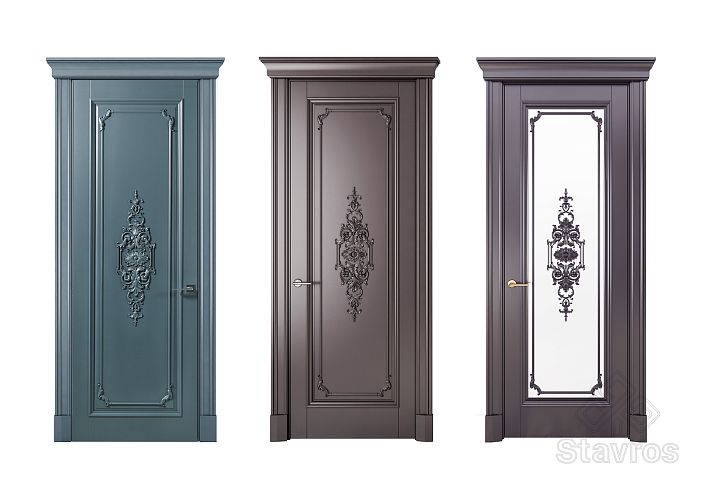
The modern market offers a wide variety of interior and entrance doors made from various materials — metal, glass, plastic, MDF, particleboard, composites — yet doors made from solid wood continue to hold strong positions. They are valued not only for their aesthetic appeal and eco-friendliness, but also for their excellent performance characteristics. If you are wondering which manufacturers of wooden doors to buy quality products from, this article will help you understand how solid wood doors are made, what to pay attention to when choosing, and which details determine the longevity and aesthetics of your future door.
1. Why solid wood doors remain in trend




1.1. Natural beauty and warmth
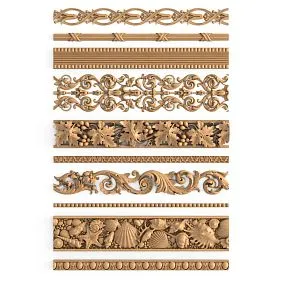
The main reason consumers choose wooden doors is their natural beauty. Each piece of wood is unique in shade, texture, and grain pattern. Unlike artificial materials, wood does not look "plastic" or "cold" — it gives interiors a special atmosphere of coziness and elegance, which is appreciated in classic, Scandinavian, country, eco-, and modern styles.
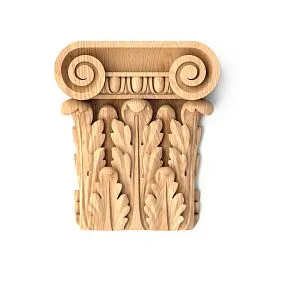
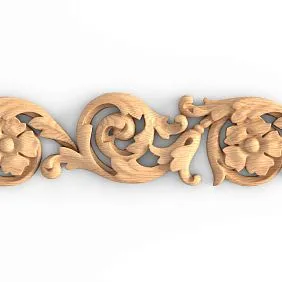
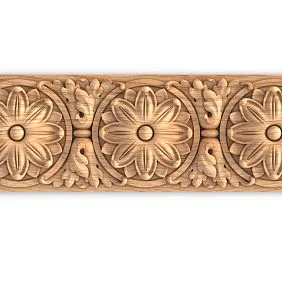
Our factory also produces:

1.2. Eco-friendliness and health
Wood is a renewable resource, provided that forestry harvesting and processing rules are followed. It does not emit toxic substances if drying and impregnation procedures were carried out according to standards. Solid wood walls and doors help maintain a favorable microclimate in rooms and promote normal air exchange.
Get Consultation
1.3. Strength and durability
With proper drying, treatment, selection of species, and regular maintenance, wooden doors can last for decades. Classic solid wood door panels are often passed down as heirlooms, surviving several generations of owners. For interior doors, using solid wood ensures structural stability, while for entrance doors — additional reliability and mass.
1.4. Possibility of restoration
In case of damage (scratches, wear), solid wood doors can be sanded, repainted, or resealed to restore their original appearance. Synthetic materials, on the other hand, are usually only replaceable upon damage.
Manufacturers of wooden doors offer products made from various species, each with its own characteristics. Below are the most popular options:
2.1. Pine and spruce
● Characteristics: Inexpensive material, easy to process, with a pleasant light shade.
● Pros: Affordable price, low density (easy to carve), suitable for Scandinavian style.
● Cons: Soft structure, may leave dents upon impact, requires careful impregnation to prevent rotting and deformation.
2.2. Birch
● Characteristics: Medium hardness and pleasant uniform color, easy to process and paint.
● Pros: Versatility, relatively affordable price, absence of noticeable knots (with proper sorting).
● Cons: Less moisture-resistant than larch or oak, requires protection.
2.3. Larch
Shaving and aging effects. Technologies of artificial aging and patination, highlighting the beauty of wood fibers and creating a vintage look.
● Pros: Strength, durability, beautiful natural color with distinct texture.
● Cons: Higher price compared to pine or spruce, difficult to process due to hardness and resin content.
2.4. Beech, ash
● Characteristics: Belong to hardwoods with distinct grain patterns and smooth texture.
● Pros: High strength and aesthetic appeal, good balance between price and quality.
● Cons: Higher requirements for drying; otherwise, cracks or warping may occur.
2.5. Oak
● Characteristics: High density, excellent durability, and natural beauty.
● Features: One of the most valuable and expensive species. Durable, resistant to wear, has a rich grain.
● Pros: Unique durability, luxurious appearance, nobility, prestige.
● Cons: Significantly higher price, heavy door leaf weight.
2.6. Exotic species
● Features: Teak, mahogany, rosewood, and other exotic varieties are valued for their unique colors, textures, and properties (e.g., super water resistance).
● Pros: Rare and original look, often used in elite interiors.
● Cons: Extremely high price, difficulty in processing and long delivery times.
3. Technology of wooden door production
3.1. Drying and preparation of wood
The first and most important stage is drying wood, which reduces moisture to an optimal level (8–12%). If this standard is not followed, doors may crack or warp even after installation. Many modern manufacturers of wooden doors use kiln drying, ensuring precise control of temperature and humidity.
3.2. Sorting and gluing
After drying, blanks are sorted by quality. For elite products, boards without knots or defects are used; for more budget options, minor knots and color transitions are allowed. In some cases (especially in panel door production), boards are glued using the 'sandwich' technique to achieve the required thickness and minimize deformation risks.
3.3. Frame and leaf formation
● The frame is made from beams, which are then covered with solid boards or veneer, and in the case of a panel construction, inserts (panels) are inserted.
● The leaf can be solid (single board) or combined (with glazing).
● Lock and hinge areas are reinforced with additional inserts of harder wood or metal.
3.4. Sanding and final finishing
Each door undergoes sanding to remove irregularities, burrs, and protruding knots. Then, a primer, paint, varnish, or oil is applied to the surface. Final finishing not only imparts color and gloss but also protects the wood from moisture, UV radiation, and mechanical damage.
4. Criteria for selecting door manufacturers
The question 'How to find reliable wooden door manufacturers?' is relevant for everyone who values quality and wishes to avoid disappointment in purchase. Pay attention to the following criteria:
4.1. Reputation and reviews
Study the experience of colleagues, acquaintances, read forums and social networks. Reliable companies usually have positive reviews, photos of completed projects, engage with clients, and are willing to provide guarantees.
4.2. Range and flexibility
A wide selection of profiles, species, and finishes is a sign of a serious manufacturer. Some companies offer custom solutions upon request, which is important if you have unusual design requirements or non-standard door sizes.
4.3. Certificates and standards
The presence of certificates confirming compliance of wooden products with GOST, DIN standards, and other norms guarantees that the manufacturer follows drying and processing technology, and the material is safe.
4.4. Demonstration samples and showrooms
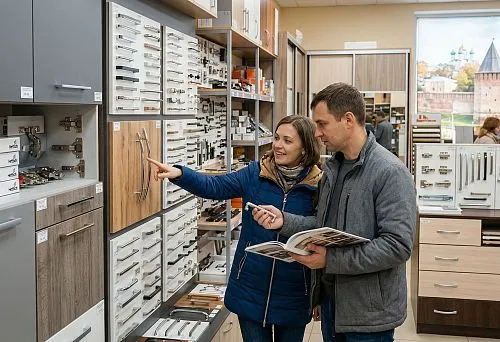
If the company has a showroom with display samples, you can 'feel' and see how the finished product looks. This simplifies the choice and gives confidence in the result.
5. Installation nuances of wooden doors
5.1. Opening preparation
Proper installation begins with a level door opening. Walls must be plastered and spackled. If necessary, install a special frame or substructure, especially in wooden houses.
5.2. Installing the door frame
The door frame is assembled and leveled using a level and plumb bob, secured with installation shims and anchors. Special attention is paid to gaps around the perimeter to prevent wood from jamming during seasonal expansion. The free space is filled with installation foam, accounting for its expansion.
5.3. Installing the door panel
At this stage, hinges (hidden or surface-mounted) are installed, the door panel is attached, and the smoothness of opening and closing is checked. If the door is paneled, final adjustment of gaps may be required.
5.4. Installing hardware and finishing
Handles, locks, and door closers (if needed) are installed at the end. Wooden parts of the door frame or casing may be additionally coated with a protective finish if not done at the factory.
6. Care for wooden doors
To ensure solid wood doors last for decades, proper care is essential:
- Regular cleaning. Wipe the panel with a soft cloth to remove dust, especially around hinges and gaps. Avoid aggressive chemicals.
- Humidity control. In rooms with very dry or humid air, wood may crack or swell. Use a humidifier or ventilation to maintain a comfortable microclimate (40–60% humidity).
- Periodic lubrication of hardware. Hinges, locks, and handles should be lubricated to prevent squeaking and sticking.
- Reapplication of finish. Every few years, check the condition of the varnish or oil; if needed, sand and reapply the finish. For exterior doors, this process may be required more frequently due to weather exposure.
7. Combining wooden doors with other interior elements
Natural wood is often found not only in doors but also in baseboards, door casings, and furniture. The more harmonious the tones and textures of wooden elements, the more unified and cozy the space appears:
● Unified tone: if floors, baseboards, and doors are made from the same wood species or painted the same color, the room achieves visual harmony.
● Contrast: sometimes doors are made in a darker or bolder shade to serve as an accent. This suits modern or eclectic spaces.
● Similar species: if an exact match is not available, choose wood with similar texture and tone to achieve a smooth transition.
8. Price and economic considerations
The question 'how much does a solid wood door cost?' is directly related to the wood species, grade, profile, finish, and manufacturer brand. Low-cost items may not meet quality standards, leading to rapid deformation and the need for repair or replacement. However, overly expensive options made from rare species or with intricate carving are not always justified functionally.
The optimal approach is to find a balance between price and quality, considering usage conditions. Wooden door manufacturers offer standard models and premium segments. For most interiors, doors made from pine or birch with good finish are sufficient; for more upscale projects, it is advisable to consider oak, beech, or larch.
9. How to avoid counterfeits and low-quality products
- Certificates and warranties. Reputable manufacturers provide documentation confirming compliance with standards and material certificates.
- Reputation and reviews. Study what real customers say. Serious companies value customer opinion and offer post-purchase service.
- Showrooms and samples. It is advisable to 'feel' the product, evaluate edge treatment, fasteners, weight, and wood softness or hardness.
- Reasonable price. Extremely cheap items often hide quality compromises: insufficiently dried wood, defective batches, or disrupted manufacturing processes.
10. Design trends for solid wood doors
- Minimalism. Simple, straight panels with hidden hinges, sometimes without visible hardware, flush with the wall ("invisible" doors).
- Eco and biophilic design. Natural species with preserved texture, semi-transparent oils and varnishes that highlight wood grain patterns.
- Material combinations. Wood + glass (matte or transparent), wood + metal (accent elements in modern styles).
- Shaving and aging effects. Technologies of artificial aging and patination, highlighting the beauty of wood fibers and creating a vintage look.
Conclusion: How to choose the right manufacturer and avoid mistakes
If you are looking for manufacturers of wooden doors, you should follow these steps:
- Define the purpose: interior or entrance door, insulation, strength, and design requirements.
- Select the wood species: base on budget, desired shade, and usage conditions.
- Compare offers: review websites, customer reviews, photos of completed projects, clarify warranty and service terms.
- Check raw material quality: presence of certificates, moisture control, production technologies.
- Visit a showroom if necessary: ensure that the finished product meets your aesthetic and finish quality standards.
- Plan the installation: decide whether you will install the doors yourself or hire professionals. Clarify the possibility of delivery and assembly by the manufacturer.
This approach will not only save you time and money, but also provide you with doors that will last for decades, delighting you with their beauty and reliability.
12. Conclusion
Choosing quality wooden doors is a serious investment in the comfort and aesthetics of your home or office. Natural wood remains popular due to its eco-friendliness, durability, and ability to bring warmth and natural charm into a space. Modern manufacturers of wooden doors use innovative drying and finishing methods, ensuring excellent performance characteristics and long service life of the products.
It is not only the type of wood (pine, oak, beech, larch, birch, or exotic varieties) that matters, but also the grade, profile, final finish, fastening methods, and quality of hardware. Companies with experience and good reputation will provide you with full consultation, offer a wide selection of models, and organize convenient logistics. With their help, you will be able to select doors that perfectly match your interior, fit your budget, and maintain their aesthetic appearance for a long time.
We hope this article has helped you better understand the nuances of selecting wooden materials, navigate the variety of offers on the market, and take a thoughtful step toward purchasing quality solid wood doors. Enjoy the process, as it is the details, such as a natural door, that create home comfort, reflect your taste, and become symbols of reliability and family warmth.