Article Contents:
- Portrait of a modern manufacturer: between tradition and innovation
- Philosophy of quality as the foundation of activity
- Technological base: investments in the future
- Production geography: from Kaliningrad to Vladivostok
- Northwestern region: proximity to European technologies
- Central region: heart of Russian woodworking
- Siberian region: wealth of forest resources
- Far Eastern region: looking towards Asia
- Raw material strategy: from forest to finished product
- Forest resources of Russia: national wealth
- Technologies of log preparation and primary processing
- Drying: key stage of raw material preparation
- Production technologies: art and science
- Profile design: from idea to realization
- Mechanical processing: precision down to the micron
- Quality control systems: perfection as a standard
- Innovations in finishing: from protection to aesthetics
- Modern Finishes: Protection Technologies
- Decorative techniques: art in every detail
- Ecological aspects of finishing
- Logistics and distribution: from manufacturer to consumer
- Warehousing: technologies of preservation
- Transportation: preservation during transit
- Distribution network: proximity to the consumer
- Market positioning: competitive strategies
- Price positioning: balance of quality and accessibility
- Product differentiation: uniqueness as a competitive advantage
- Service component: added value
- Innovative Development Directions
- Digital technologies: Industry 4.0
- New materials: beyond traditional wood
- Additive technologies: 3D printing in woodworking
- Manufacturers' ecological responsibility
- Sustainable forestry: responsibility to future generations
- Zero-waste production: maximum resource utilization
- Energy Efficiency: Reducing Carbon Footprint
- Human Resources Policy: people as the main asset
- Education and training of specialists
- Motivation and retention of staff
- Continuous development of competencies
- International cooperation and export
- Export potential: quality without borders
- Technology transfer: learning from the best
- Joint projects: synergy of competencies
- Industry Digital Transformation
- E-commerce: new sales channels
- Big data: analytics for decision-making

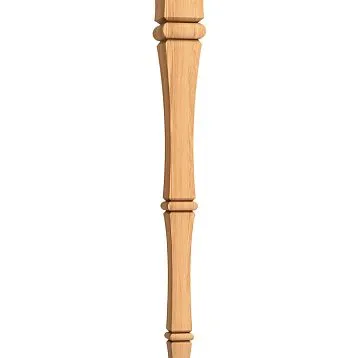
In the era of technological progress and mass industrialization, there remain industries where human craftsmanship combines with advanced technologies to create products of exceptional quality. The woodworking industry is precisely such a sector, andManufacturer of trimstands at the forefront of this movement, creating items that transform ordinary spaces into works of architectural art.
Who are today's manufacturers of joinery products? They are not simply owners of factories and plants — they are keepers of traditions, technology innovators, wood artists, and engineers simultaneously. Every day they tackle complex challenges: how to preserve the unique properties of natural wood while using the most modern processing methods, how to meet growing market demands without losing the individuality and quality of their products.
The Russian joinery industry is experiencing a period of rapid development. Growing demand for high-quality finishing materials, rising living standards, and the growth of private home construction — all these factors create a favorable environment for growth and improvement of production capacities across the country.


Portrait of a modern manufacturer: between tradition and innovation
What characterizes a successful joinery manufacturer in modern Russia? Primarily, it is the ability to harmoniously combine centuries-old woodworking traditions with revolutionary technological solutions. A modern joinery plant is a high-tech enterprise where automated lines coexist with manual finishing areas.




Philosophy of quality as the foundation of activity
Leading joinery manufacturers build their activities on a philosophy of absolute quality. This is not merely a marketing slogan — it is a system of values permeating all levels of production. From selecting timber in the taiga to packaging finished products, every stage is controlled and optimized with one goal: to create a product that surpasses even the most demanding customer’s expectations.
Quality control begins long before timber reaches the production line. Experienced buyers select timber during strictly defined seasons when moisture content is minimal. Each log undergoes individual assessment based on multiple parameters: density, presence of defects, grain direction, and potential for creating products of various categories.
Modern manufacturers invest significant resources in establishing their own laboratories, where comprehensive research into the properties of the used timber is conducted. Spectral analysis, strength testing, moisture resistance studies — all these procedures allow precise prediction of material behavior throughout all stages of production and use.
Our factory also produces:


Technological base: investments in the future
A modern joinery manufacturer is a company with multimillion-dollar investments in equipment. Italian milling machines, German drying chambers, Finnish finishing lines — the geography of equipment suppliers spans the globe. But the key lies not in the origin of the machines, but in how they are integrated into a unified technological process.
State-of-the-art four-sided planers can process blanks at speeds up to 100 meters per minute while maintaining micron-level precision. CNC systems enable the creation of profiles of any complexity, reproducing historical samples or realizing the most daring design concepts.
Automation has also touched traditionally "manual" operations such as sorting finished products. Machine vision systems analyze each item, detect even the slightest defects, and sort them by quality class. This not only enhances the objectivity of control but also frees skilled specialists to tackle more creative tasks.
Get Consultation
Production geography: from Kaliningrad to Vladivostok
The Russian industry of joinery is characterized by a wide geographic distribution of enterprises. Each region contributes to the overall development of the industry, leveraging local advantages and forming unique competencies.
Northwestern Region: proximity to European technologies
Enterprises in the Northwestern region of Russia traditionally focus on utilizing the most advanced European technologies. Proximity to Finland and Scandinavian countries facilitates active technological exchange. Local manufacturers were among the first in the country to adopt wood thermal modification technologies and production of glued timber for joinery products.
A distinctive feature of the region is its high level of production culture. Many enterprises here have decades-long histories, accumulating unique experience and traditions. The qualifications of local specialists are recognized not only in Russia but also abroad.
The region's raw material base is predominantly coniferous species — pine, spruce, partially larch. This determines the specialization of local manufacturers on construction products and basic finishing. However, the development of logistical capabilities allows importing valuable hardwoods from other regions.
Central Region: the heart of Russian wood processing
The Central regions of Russia have always been the center of domestic wood processing. Here are concentrated the largest production capacities, scientific research centers, educational institutions training specialists for the industry.
The Moscow region has become a center for concentrating high-tech production oriented toward the premium market segment. Proximity to major consumers, developed transportation infrastructure, and access to skilled labor — all this creates favorable conditions for establishing full-cycle production facilities.
A distinctive feature of the Central region is the active development of cluster-based production organization models. Large enterprises form networks of specialized service providers — from raw material harvesting to final finishing of finished products.
Siberian Region: wealth of forest resources
Siberia is the treasure trove of Russian wood processing. Here are concentrated vast reserves of valuable timber species: cedar, larch, birch. Local manufacturers have a unique opportunity to work with exceptional quality raw materials at minimal transportation costs.
Siberian larch is recognized as one of the best species for producing joinery products. Its high density, natural moisture resistance, and beautiful grain make it ideal for premium products. Local manufacturers specialize in products for extreme conditions of use — saunas, bathhouses, exterior finishes.
Cedar is another unique Siberian species. Its antiseptic properties, pleasant aroma, and ease of processing are highly valued by manufacturers of exclusive products. Cedar joinery products are used in luxury interiors, medical facilities, and children's rooms.
Far Eastern Region: looking toward Asia
The Far East of Russia is a region with enormous potential for wood processing development. Unique timber species — Mongolian oak, Manchurian ash, stone birch — attract not only Russian but also foreign manufacturers.
The geographical location of the region opens wide opportunities for exporting finished products to countries of the APEC. Japanese and Korean companies highly value the quality of Far Eastern timber, willing to pay premium prices for products made from rare species.
Local manufacturers actively enter Asian markets, adapting their products to the specific requirements of Eastern consumers. This stimulates the adoption of new technologies, improves product quality, and develops design competencies.
Raw material strategy: from forest to finished product
The success of any joinery manufacturer begins with a proper raw material strategy. This is not merely purchasing timber — it is a complex system of planning, logistics, and quality assurance that determines the competitiveness of the enterprise for years to come.
Forest resources of Russia: national wealth
Russia possesses a quarter of the world's timber reserves, creating unique competitive advantages for domestic joinery manufacturers. The diversity of species, different climatic zones of growth, and centuries-old forestry traditions — all this forms a solid foundation for industry development.
Coniferous species — pine, spruce, larch — constitute the foundation of Russian forest resources. Pine is valued for its uniform structure, ease of processing, and availability. Spruce has lower resin content, making it preferable for products intended for painting. Larch combines the strength of hardwoods with the workability of conifers.
Hardwood species include birch, oak, beech, ash, and linden. Each species has its unique properties and applications. Birch is valued for its whiteness and uniform grain, oak for its strength and prestige, beech for its hardness and suitability for tinting.
Technologies for harvesting and primary processing
Modern timber harvesting technologies differ significantly from traditional methods. The use of GPS navigation allows optimizing the logistics of timber extraction, reducing impact on forest ecosystems. Portable wood quality analyzers enable sorting directly on the logging sites.
Harvesting is conducted during strictly defined seasons when sap movement in the tree is minimal. This ensures better stability of the timber during subsequent drying. Winter harvesting is considered optimal for most species, but requires specialized equipment and higher logistical costs.
Primary processing includes debarking, trimming, and sorting by size and quality. Modern primary processing lines are fully automated, ensuring high productivity and precision in sorting. Barcode systems allow tracking each log from the harvesting site to the finished product.
Drying: key stage of raw material preparation
Quality timber drying is the foundation of stability in finished joinery products. Modern drying chambers are high-tech complexes where the moisture removal process is controlled with precision down to the degree and percentage of humidity.
Chamber drying is carried out according to specially developed regimes for each timber species. Temperature, air humidity, and air circulation speed are adjusted according to a preset program, ensuring even moisture removal without internal stresses or cracks.
Drying time depends on the species, dimensions of the blanks, and the required final moisture content. For coniferous species, it is 7-14 days; for hardwoods, up to 30 days. The final moisture content for trim items should be 8-12%, ensuring dimensional stability under various operating climatic conditions.
Production technologies: art and science
Modern trim production is a synthesis of traditional craftsmanship and advanced technologies. Each stage of the production process is optimized to achieve maximum quality at economically justified costs.
Profile design: from idea to realization
Creating a new trim profile begins with analyzing market needs and interior design trends. Designers study historical samples, modern architectural solutions, and consumer preferences. Based on this analysis, a concept for the future product is developed.
3D modeling allows visualizing the profile even before creating a physical prototype. Modern programs enable not only viewing the future product but also simulating its behavior under various conditions, optimizing the design for maximum functionality and aesthetic appeal.
Creating a working tool is a responsible stage requiring the highest level of technician qualification. Each blade and each cutter is calculated considering the properties of the processed wood, cutting speeds, and required surface quality. Modern CAD/CAM systems ensure tool manufacturing accuracy down to the micron.
Mechanical processing: precision to the micron
The heart of modern trim production are multi-spindle milling machines capable of creating complex profiles in a single pass. These machines are true masterpieces of engineering art, where each element is calculated to ensure maximum precision and productivity.
The CNC system controls all processing parameters — feed rate, spindle speed, cutting depth. Feedback sensors continuously monitor the quality of processing, automatically adjusting parameters when deviations from set values occur.
Automatic tool change allows processing blanks of various sizes and profiles without stopping the production line. Tool magazines hold dozens of blade and cutter sets, each of which can be called by operator command or automatically according to a programmed sequence.
Quality control systems: perfection as a standard
Quality control in modern trim production is a multi-level system covering all stages of the technological process. Incoming raw material inspection, in-process operational control, and final inspection of finished products — each stage is documented and analyzed.
Laser measurement systems control the geometric parameters of products with accuracy to 0.01 mm. Any deviations from specified dimensions are immediately detected and corrected. Statistical analysis of measurement results allows identifying trends and predicting the need to adjust technological parameters.
Machine vision systems analyze surface quality, detecting defects that may be invisible to the human eye. Each product is photographed at high resolution, the image is analyzed by special algorithms, and a decision is made regarding whether the product meets quality requirements.
Innovations in finishing: from protection to aesthetics
Finishing trim items is not only protection of wood from external influences, but also a way to reveal its natural beauty, give the item individuality and style.
Modern finishes: protection technologies
The development of polymer chemistry has revolutionized wood finishing technologies. Modern coatings provide not only protection against moisture and mechanical damage, but also impart additional properties — antibacterial, antistatic, fire-retardant.
Polyurethane coatings provide maximum wear resistance. Two-component formulations form a super-strong film resistant to abrasion, scratches, and household chemicals. Such coatings are especially in demand for items intended for intensive use.
UV coatings polymerize under ultraviolet radiation in seconds. This significantly speeds up the production cycle and provides exceptional coating hardness. UV technologies are environmentally safe, emitting no harmful substances during curing.
Decorative techniques: art in every detail
Modern manufacturers have mastered a wide range of decorative techniques allowing the creation of items with a unique appearance. Patination mimics natural wood aging, creating an antique effect. Various patina application techniques — brush, sponge, spray — produce different visual effects.
Brushing is a technique of artificial wood aging by removing soft fibers. Special brushes select the softer parts of annual rings, emphasizing the natural wood texture. Subsequent toning and varnishing fix the effect, creating the impression of wood polished by time.
Staining allows changing the color of wood while preserving its natural texture. Modern water-based, alcohol-based, and oil-based stains enable achieving virtually any color effect. Combining different staining techniques creates complex multi-color effects.
Ecological aspects of finishing
Rising consumer environmental awareness stimulates the development of eco-friendly finishing technologies. Water-based varnishes and paints contain virtually no volatile organic compounds, are safe for human health and the environment.
Natural oils and waxes are regaining popularity as alternatives to synthetic coatings. Linseed, tung, and carnauba oils penetrate deeply into wood, highlighting its natural beauty and preserving its ability to 'breathe'. Such coatings are especially popular in children's rooms, bedrooms, and spaces for people with heightened sensitivity to chemicals.
Application technologies are also becoming more eco-friendly. Electrostatic spraying minimizes material waste, solvent recovery systems reduce atmospheric emissions. Closed water circulation cycles prevent water body contamination.
Logistics and distribution: from manufacturer to consumer
The modern trim market is characterized by high competition, making efficient logistics a critically important factor for success. Manufacturers invest significant resources in creating perfect storage and delivery systems for their products.
Warehouse Management: Preservation Technologies
Proper storage of finished dimensional lumber products is no less important than high-quality production. Wood is a living material that continues to react to changes in temperature and humidity even after final processing. Modern warehouses are equipped with climate control systems that maintain optimal microclimate parameters.
Automated warehouse management systems (WMS) optimize product placement, speed up order fulfillment processes, and minimize errors. Each item receives a unique barcode or RFID tag, enabling real-time tracking of its movement.
Special packaging protects items from damage during transport and storage. Modern packaging materials not only protect against mechanical impacts but also regulate moisture exchange and prevent deformation due to temperature fluctuations.
Transportation: Preservation During Transit
Transportation of wooden dimensional products requires specialized vehicles and specific conditions. Long items are transported in special vans with securing fixtures that prevent cargo movement. Climate control systems maintain optimal temperature and humidity in the cargo compartment.
Delivery routing using modern navigation systems and real-time traffic information minimizes transit time and reduces transportation costs. Transportation monitoring systems ensure cargo location tracking, temperature compliance, and delivery safety.
Express delivery services ensure timely delivery of urgent orders. This is especially important for construction sites, where delivery delays can disrupt the entire work schedule.
Distribution Network: Proximity to the Consumer
A well-developed distribution network is a key element of commercial success for dimensional lumber producers. Regional distributors not only handle sales but also provide technical support, consulting services, and after-sales service.
Dealer staff training is an essential component of partnership programs. Producers organize regular seminars, training sessions, and qualification courses for employees of trading companies. This ensures competent customer consultation and correct product application.
Marketing support includes providing promotional materials, participation in trade shows, and joint promotional campaigns. Producers assist distributors in promoting products, developing customer bases, and improving sales efficiency.
Market Positioning: Competitive Strategies
The market for dimensional products is characterized by high competition, requiring producers to clearly understand their competitive advantages and implement effective positioning strategies.
Price Positioning: Balance of Quality and Accessibility
A dimensional lumber producer's pricing strategy must consider multiple factors — product cost, competitive landscape, target consumers' purchasing power, and brand positioning. Segmenting the market by price categories allows reaching various customer groups.
The economy segment requires maximum cost optimization without critical quality reduction. Producers use automation, standardization of profiles, and optimization of logistics processes to achieve competitive prices.
The premium segment allows achieving high margins through the use of exclusive materials, complex processing technologies, and individualized approaches to each order. Here, competition is less about price and more about quality, exclusivity, and service level.
Product Differentiation: Uniqueness as a Competitive Advantage
Creating unique products is one of the most effective ways to stand out in a competitive market. Producers invest in developing exclusive profiles, adopting new materials, and implementing innovative processing technologies.
Product customization allows meeting individual customer needs. The ability to manufacture items according to custom drawings, in non-standard sizes, with unique finishes becomes an important competitive advantage.
Ecological differentiation is gaining increasing importance. FSC certification, use of eco-friendly materials and technologies, waste recycling programs — all of this builds an image of a responsible producer and attracts environmentally conscious consumers.
Service Component: Added Value
Modern consumers value not only product quality but also service level. Comprehensive solutions including design, production, delivery, installation, and warranty service have become an important factor in supplier selection.
Technical support helps customers choose optimal solutions, develop project documentation, and solve complex technical issues. Qualified consultants are the face of the company; their competence largely determines the manufacturer's reputation.
The wood processing industry is undergoing a period of technological renewal. What innovations define the future of dimensional product manufacturing?
Innovative Development Directions
The woodworking industry is undergoing a period of technological renewal. What innovations define the future of joinery production?
Digital Technologies: Industry 4.0
The Industry 4.0 concept is actively being implemented in wood processing. Integration of cyber-physical systems, the Internet of Things, and big data creates smart factories capable of self-optimization and adaptation to changing conditions.
Digital twins of production processes allow simulating various operational scenarios, optimizing equipment parameters, and predicting product quality. Virtual testing of new technologies reduces risks and costs associated with innovation implementation.
Predictive analytics based on machine learning analyzes vast arrays of production data, identifies patterns, forecasts maintenance needs, and optimizes production planning.
New materials: beyond traditional wood
Advancements in materials science open new opportunities for joinery manufacturers. Thermally modified wood has improved properties — enhanced dimensional stability, biostability, durability.
Composite materials based on wood combine the best properties of natural wood with the advantages of synthetic additives. WPC (wood-plastic composites) have high moisture resistance, dimensional stability, and require no special maintenance.
Nanotechnology allows modifying the wood surface at the molecular level, imparting new properties — self-cleaning, antibacterial effects, color changes depending on temperature or humidity.
Additive technologies: 3D printing in woodworking
3D printing with wood-based materials opens revolutionary possibilities for creating complex decorative elements. Printing enables the creation of items with complex shapes that are either impossible or economically unfeasible to produce using traditional methods.
Hybrid technologies combine traditional wood processing with additive methods. The base of the item is manufactured using conventional equipment, while complex decorative elements are printed and integrated into the structure.
Product customization is becoming economically justified. Each customer can receive unique items tailored to specific room dimensions and individual design preferences.
Manufacturers' ecological responsibility
Modern joinery manufacturers are increasingly paying attention to the ecological aspects of their activities. This is not only a requirement of the time but also a competitive advantage in the market.
Sustainable forestry: responsibility to future generations
FSC (Forest Stewardship Council) certification is becoming a standard for responsible manufacturers. This system guarantees that wood is harvested in accordance with ecological, social, and economic principles of sustainable forestry.
Forest restoration is an essential part of the activities of ecologically responsible companies. Many manufacturers implement their own reforestation programs to offset the volume of harvested wood.
Forest ecosystem biodiversity is preserved through selective harvesting, creation of protected zones, and limiting impact on rare plant and animal species.
Zero-waste production: maximum resource utilization
Modern technologies enable nearly zero-waste production of joinery items. Sawdust and shavings are used to produce fuel pellets, wood flour, and composite materials.
Large waste — sawdust, offcuts — are processed into technical wood chips for the pulp and paper industry or particleboard production. Bark is used in landscape design and production of organic fertilizers.
Closed water circulation cycles eliminate discharges of contaminated wastewater into water bodies. Water purification systems allow water to be reused multiple times in technological processes.
Energy efficiency: reducing carbon footprint
Using wood waste as fuel makes production carbon-neutral. The energy obtained from burning wood waste covers a significant portion of the enterprise's heat and electricity needs.
Heat recovery from technological processes — drying, curing of coatings — increases overall energy efficiency of production. Modern ventilation systems with heat recovery reduce energy consumption by 30-50%.
Renewable energy sources — solar panels, wind turbines — complement traditional energy sources, reducing dependence on fossil fuels.
Human resources policy: people as the main asset
The success of any production is determined not only by technologies and equipment, but also by people. Qualified personnel are the main competitive advantage of modern joinery manufacturers.
Education and training of specialists
The system of professional training for the woodworking industry includes various levels — from vocational specialties to higher engineering education. Leading manufacturers actively collaborate with educational institutions, participating in the development of educational programs.
Basic training centers at large enterprises provide practical training for specialists. Modern equipment, qualified instructors, close integration of theory with practice — all this ensures a high level of graduate preparation.
Internships at foreign enterprises allow specialists to study advanced technologies, adopt best practices, and establish professional contacts. Such experience is especially valuable for managerial staff and process engineers.
Staff motivation and retention
Competition for qualified personnel requires manufacturers to create attractive working conditions. A decent salary is only one element of the motivational package. Social guarantees, medical benefits, and career advancement opportunities are equally important.
Corporate culture based on principles of quality, responsibility, and innovation fosters employee loyalty. Participation in profits, stock option programs, and corporate training create long-term employee interest in company development.
Occupational safety is a priority in modern production. Modern protective systems, regular training in safe work methods, and a safety culture reduce the risk of workplace injuries and create a comfortable working environment.
Continuous development of competencies
Rapid technological development requires continuous updating of knowledge and skills. Internal corporate training systems include theoretical courses, practical trainings, and study of best practices.
Staff rotation allows specialists to gain experience working on different sections, understand the interrelationships of technological processes, and develop a systemic view of production.
Mentorship — a traditional form of experience transfer from senior to junior staff. Experienced masters pass on not only technical knowledge but also corporate culture, quality traditions, and professional pride.
International cooperation and export
Russian manufacturers of joinery actively develop international cooperation, enter foreign markets, and participate in global value chains.
Export potential: quality without borders
Russian wood products traditionally enjoy demand on international markets. High-quality raw materials, competitive pricing, and developed logistics infrastructure create a solid foundation for export deliveries.
The European market requires strict compliance with ecological standards, FSC certification, and conformity to EU technical regulations. Russian manufacturers adapt their products to these requirements and obtain necessary certifications.
Asian markets are growing rapidly and demand high standards of product quality and design. Architectural traditions require adaptation of profiles to local preferences.
Technology transfer: learning from the best
Cooperation with foreign technology partners enables Russian manufacturers to adopt advanced technologies and implement innovative solutions. Licensing agreements, joint ventures, and technology alliances — various forms of cooperation.
Participation in international exhibitions, conferences, and seminars provides access to the latest developments, enables business contacts, and allows studying market trends.
Internships for specialists at foreign enterprises facilitate not only technology transfer but also the transfer of management practices, production organization systems, and quality culture.
Joint projects: synergy of competencies
Implementation of large international projects often requires the collaboration of manufacturers from different countries. Russian companies participate in the construction of Olympic venues, airports, and resort complexes around the world.
Such projects stimulate the development of new competencies, adoption of complex technologies, and improvement of management quality. International recognition of Russian quality opens new opportunities for export growth.
Industry digital transformation
Digital technologies fundamentally transform the woodworking industry. Manufacturers who effectively utilize digital tools will gain decisive competitive advantages.
E-commerce: new sales channels
Development of internet trade opens new opportunities for joinery manufacturers. Online platforms allow working with customers across the country and abroad, bypassing traditional intermediaries.
3D catalogs allow customers to thoroughly study products, evaluate appearance, and select optimal solutions for specific interiors. Virtual reality enables "trying on" products in real interiors.
Configurators allow customers to independently design products, select sizes, profiles, and finishes. Automatic pricing instantly calculates the cost of individual orders.
Big data: analytics for decision-making
Analysis of big data helps manufacturers better understand market needs, predict trends, and optimize product assortment. Sales data, customer preferences, and seasonal fluctuations are analyzed using modern analytical tools.
Predictive analytics forecasts demand for different product groups, helps plan production, and optimizes inventory. This is especially important for seasonal products, whose demand fluctuates significantly throughout the year.
Analysis of consumer behavior on the internet allows creating personalized offers, optimizing marketing campaigns, and increasing sales conversion.