












































































Article Contents:
- What items are used to decorate interiors?
- 1. Wall Decorations
- 2. Decorative elements on shelves and tables
- 4. Textiles in interior design
- 5. Natural elements
- 5. Natural elements
- Why choose STAVROS?
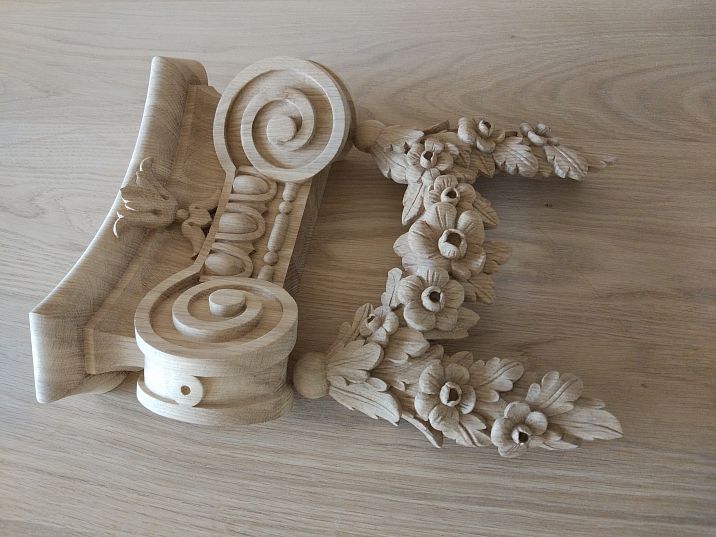
Interior design is not only about selecting furniture and color schemes, but also about using decorative elements that make the space cozy, stylish, and complete. Interior decoration items help highlight individuality, create a harmonious atmosphere, and set accents, giving the room a unique character.
If you want to refresh the room's interior, add new elements, or radically change its perception without a full renovation, decorative accents are the best way to achieve the desired result.
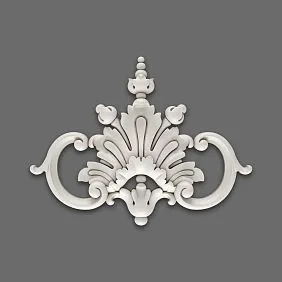
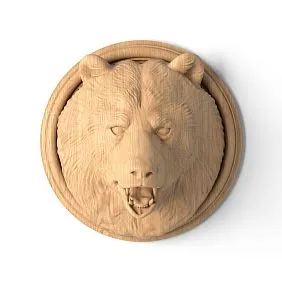
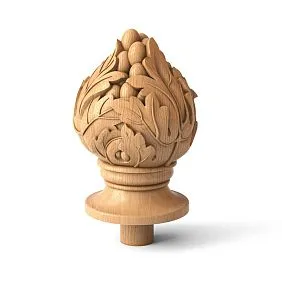
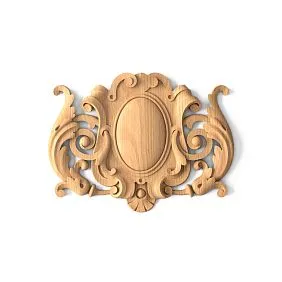


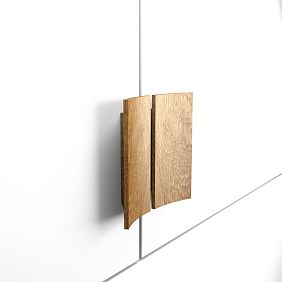

What items are used to decorate interiors?
There are many ways to decorate a space using various decorative items. Let's consider the main categories that will help create a stylish interior.




1. Wall Decorations
Walls occupy a large area of the room, so their decoration plays a key role in the interior. Among the most popular solutions:
● Paintings and posters – add an artistic accent and highlight the room's style.
● Mirrors – visually expand the space, add light, and make the interior feel airier.
● Decorative panels – create striking accent walls.
● Wall clocks – a functional element that also serves as decoration.
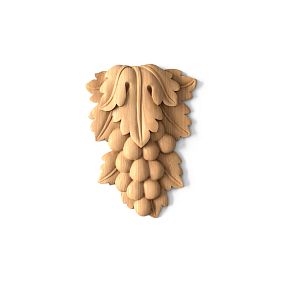
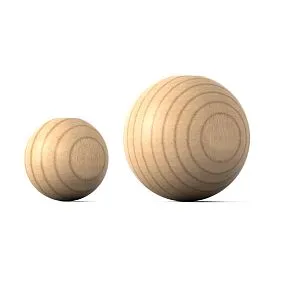
Our factory also produces:





2. Decorative elements on shelves and tables
Various accessories and small ornaments help diversify the interior and add individuality.
● Figurines and statuettes – give the interior character, can be classic or modern.
● Vases with flowers or dried flowers – enliven the space and add a touch of natural aesthetics.
● Candles and candlesticks – create a cozy atmosphere and romantic lighting.
● Books with beautiful covers – can be used as decorative elements on coffee tables and shelves.
Get Consultation
Lighting as a decorative element
Light fixtures not only serve a functional purpose but also decorate the interior, setting the atmosphere.
● Chandeliers – the central lighting element, which can be classic, modern, or extravagant.
● Wall sconces – create soft light, making the space cozier.
● Floor lamps and table lamps – help zone the room, adding stylish accents.
● LED backlighting – used to create ambient lighting.
4. Textiles in the interior
Fabrics make the space warm and cozy, creating a comfortable atmosphere.
● Curtains and sheer fabric – regulate lighting and give the interior a finished look.
● Rugs and runners – add softness and warmth, emphasizing the room’s style.
● Decorative cushions and throws – easily replaceable accessories that can change the room’s mood depending on the season.
5. Natural elements
Natural materials make the interior more cozy and lively.
● Wooden accessories – photo frames, carved panels, stands.
● Stone elements – used in the design of countertops, fireplaces, and walls.
● Indoor plants – enliven the interior, enrich the air with oxygen, and improve the microclimate.
How to decorate a room’s interior?
Decorating a room’s interior is not just about selecting decorative elements, but a comprehensive process that helps create a cozy, functional, and aesthetically pleasing space. It is important to consider the room’s size, style, color scheme, and functional purpose. A well-decorated interior makes the room not only beautiful but also comfortable for daily life.
1. Determine the style and color scheme
Before beginning decoration, it is necessary to determine the interior’s style. Each style requires a specific approach to selecting decorations, materials, and color palette.
● Classic style. Characterized by elegance, symmetry, and sophistication. In such an interior, luxurious materials (solid wood, natural stone, velvet, silk) are appropriate, and decorations may include paintings in heavy frames, moldings, bronze or ceramic figurines, carved elements, and antique accessories.
● Modern style. Based on minimalism, clean lines, and simple forms. Here, geometric patterns, glass, metal, and monochromatic surfaces are relevant. Suitable decorations include minimalist paintings, posters, designer lamps, and mirrors with thin frames.
● Eco-style. Includes natural materials and nature-inspired motifs. In such an interior, wood, stone, textiles made from natural fabrics, and live plants dominate. Decor includes woven elements, wooden frames, planters with greenery, dried flowers, and light natural tones.
● Scandinavian style. Characterized by simplicity, functionality, and a light color palette. It suits minimalist elements, natural fabrics, light-colored wooden furniture, throws, rugs, decorative cushions, and wall compositions in pastel tones.
When choosing a color scheme, it is important to consider the room’s size. In small rooms, light shades are preferable, as they visually expand the space. In spacious rooms, deep dark colors or bold accent details can be used.
2. Place accents
Decorating a room should be balanced, so it is important to correctly place accents.
● In the living room, you can make an accent on one wall by decorating it with a painting, panel, mirror, or decorative panel. Central elements may include large vases, a fireplace, original bookshelves with books and accessories.
● In the bedroom, key elements will be soft textiles (cushions, blankets, rugs), an eye-catching headboard, wall sconces beside the bed, paintings, or decorative panels on the wall.
● In the home office, special attention should be paid to wall decorations (paintings, posters, panels), stylish desk lamps, books, and small accessories (clocks, figurines, stands).
Accent decorations should be large enough to attract attention, but not overwhelm the interior.
3. Add personality
To make the interior look distinctive and reflective of the owner's personality, use personalized elements.
What items will help make the interior unique?
● Photos in beautiful frames. They can be placed on walls, shelves, or mantelpieces.
● Collectibles or souvenirs from travels. They fill the interior with memories and make it more heartfelt.
● Original paintings, handmade ceramics, or handcrafted items. These elements give the interior exclusivity.
● Decorative items with history. This can be vintage furniture, antique clocks, retro lamps, old books.
● Plants and floral arrangements. Live plants refresh the interior, making it more cozy and harmonious.
4. Consider the size of the room
The size of the room plays an important role in choosing decorations. Small rooms require a thoughtful approach to avoid creating a cramped effect. Large rooms, on the other hand, need to be filled to prevent the interior from appearing empty and cold.
● In small rooms, it's better to use mirrors, light tones, and minimalist decorations. The optimal choice is small paintings, floating shelves, compact lamps. Furniture should be arranged as functionally as possible, avoiding unnecessary details.
● In large rooms, you can afford large decorative elements: large mirrors, big paintings, tall floor vases, designer lamps. It's important not to leave too much empty space, otherwise the room will appear unfinished.
5. Use layering in decoration
To create depth and volume in the interior, it's important to combine various decorative elements.
● Walls can be decorated with paintings, mirrors, decorative panels, or textile panels.
● Surfaces (coffee tables, chests, shelves) are filled with vases, candles, plants, books.
● Textiles (curtains, cushions, throws, rugs) add softness, making the interior more cozy.
● Lighting helps highlight decorative elements: wall sconces, spotlights on paintings, floor lamps in corners of the room.
Combining different textures and materials makes the interior more interesting and visually rich.
6. Consider functionality
Interior decorations should not only be beautiful but also practical.
● Wall shelves allow you to place books, decor, photos, and useful items.
● Mirrors not only decorate but also visually expand the space.
● Baskets and decorative boxes allow you to store things while keeping the house tidy.
● Textile elements can change the room's atmosphere depending on the season (light fabrics in summer, warm ones in winter).
Decorating a room's interior is a process that requires attention to detail. It's important to consider the room's size, style, color palette, and accent placement. Thoughtfully chosen decorative elements allow you to create a harmonious and cozy space that reflects the owner's personality.
To choose quality decorations for the interior, look at the STAVROS catalog – here you'll find stylish and original decorative items that will help you create your dream unique interior.
Where to buy items for decorating the interior?
If you want to decorate the interior with stylish and high-quality elements, pay attention to STAVROS decor collections. Here you will find:
✔ Wall Decorations
✔ Decorative Panels and Mirrors
✔ Lamps and Chandeliers
✔ Stylish Accessories and Statuettes
✔ Textiles and Natural Materials
Why choose STAVROS?
● Wide assortment – stylish decor for any interior.
● High-quality materials – wood, glass, metal, natural fabrics.
● Delivery across Russia – products available for purchase in any region.
● Designer consultations – assistance in selecting decor for interiors.
Conclusion
Decorative items for interior – an indispensable part of a stylish and cozy space. They help create the desired atmosphere, highlight individuality, and complete the interior.
To choose the best decorative elements, visit the STAVROS catalog and find the perfect ornaments for your interior!





