












































































Article Contents:
- The grandeur of natural wood in ceiling decoration
- Coniferous species: accessible elegance
- Technological perfection of modern production
- CNC technologies: revolution in wood processing
- Classification of ceiling skirting: variety of forms and styles
- Dimensional Scale and Proportions
- Functional capabilities of wooden ceiling skirting
- Integration with modern technologies
- Stylistic Directions and Design Solutions
- Scandinavian style and ecological directions
- Installation technologies: professional approach to mounting
- Mounting Systems and Their Features
- Final finishing and protective coatings
- Decorative effects and artistic finishing
- Operation and maintenance of ceiling skirting
- Controlling microclimate
- Economic aspects of selection
- Pricing factors
- Ecological advantages of natural wood
- Certification and Responsible Forestry
- Regional characteristics and climate adaptation
- Architectural traditions and cultural specifics
- Innovations and development prospects
- Integration with IoT systems
- Custom solutions and author projects
- Restoration projects and historical interiors
- Frequently Asked Questions
- Conclusion

The ceiling is the fifth wall of any room, yet how often do we give it the attention it deserves when designing interiors?Wooden ceiling baseboardIt becomes the element that transforms an ordinary space into a work of design art. This seemingly simple finishing element can radically change the perception of a room's height, creating a sense of completeness and harmony between walls and ceiling.
In the era of returning to natural materials, wooden ceiling skirting is experiencing a true renaissance. They do not merely conceal technological joints—they become focal points, highlighting the owner's status and refined taste. Each wood species tells its own story: oak speaks of reliability and tradition, beech of elegance and refinement, pine of closeness to nature and eco-friendliness.
What makes wooden ceiling skirting so special? The answer lies in the unique combination of functionality and aesthetics. They not only create a smooth transition from vertical to horizontal surfaces, but also become elements of architectural composition capable of visually altering the proportions of a room, making it appear higher, more spacious, and cozier.


The grandeur of natural wood in ceiling decoration
Wood as a material for ceiling skirting possesses several indisputable advantages. Every tree is unique—there are no two identical boards, each has its own unique grain pattern, its own color and tone play. This natural individuality is carried over to finished products, making each skirting a work of art.
Oak ceiling skirting embodies the strength of centuries. The density of oak, reaching 900 kg/m³, ensures exceptional durability and shape stability. Natural tannins protect the wood from pests and fungal damage, while its rich texture with clearly visible growth rings creates an unparalleled play of light and shadow on profiled surfaces.
Beech skirting is distinguished by its refined uniformity of structure and warm pinkish tones. After proper processing, the fine-grained texture of beech acquires a silky smoothness, which looks especially effective in classic interiors. The dimensional stability of beech skirting guarantees no deformation even under significant humidity fluctuations.




Coniferous species: accessible elegance
Do not underestimate the potential of coniferous species for creating ceiling skirting. Pine products represent an ideal balance between quality and affordability. The natural resinous nature of northern pine provides inherent moisture resistance, which is especially important for rooms with variable humidity levels.
The light golden tones of pine wood visually expand space and create a sense of lightness. With proper processing and quality finishing, pine ceiling skirting is indistinguishable from products made from more expensive species, yet remains significantly more affordable.
Siberian larch deserves special attention among coniferous species. In terms of strength, it does not fall short of oak, yet it possesses natural biostability and a distinctive amber hue.Trimming ItemsLarch combines the durability of hardwoods with the economic appeal of conifers.
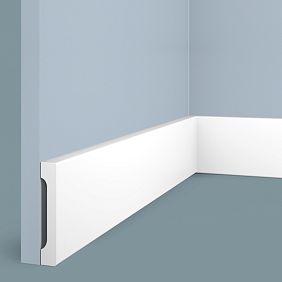
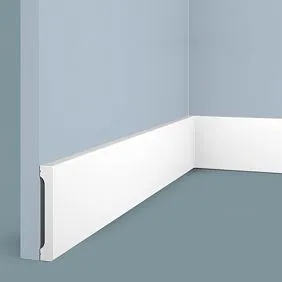
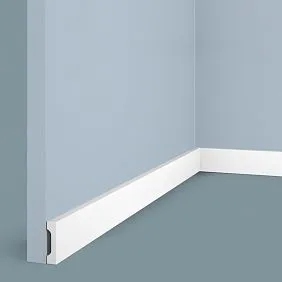
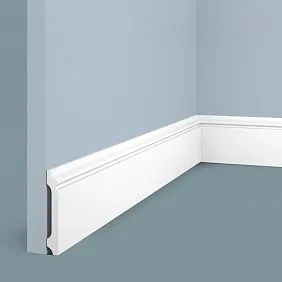
Our factory also produces:


Technological sophistication of modern production
The production of high-quality wooden ceiling skirting boards is a symphony of tradition and innovation. The process begins with careful selection of raw materials, where each log undergoes visual inspection and instrumental control. Modern X-ray scanners allow detection of hidden defects invisible during external inspection.
Drying wood is a critically important stage of production. Special chambers with programmable modes ensure gradual and even moisture removal until an optimal level of 8±2%. This indicator guarantees the stability of finished products under various operating conditions and minimizes the risk of deformation after installation.
Ceiling skirting boards are profiled on high-precision four-sided planers. These machines can process the blank from all sides in one pass, ensuring ideal geometry and mirror-like surface finish. Carbide blades guarantee the absence of chips or scratches even when processing the hardest wood species.
Get Consultation
CNC Technology: Revolution in Woodworking
The introduction of numerical control has revolutionized the production of wooden skirting boards. Computer control ensures perfect repeatability of geometric parameters for each item in a batch. Previously requiring many hours of skilled manual labor, complex profiles are now reproduced with mathematical precision.
Laser technology opens up fundamentally new possibilities for decorating skirting board surfaces. The precision of the laser beam allows creating microtextures that mimic various materials, applying intricate ornaments, and forming tactile effects. This technology is especially in demand for manufacturing skirting boards for exclusive interiors.
Thermo-treatment of wood changes its fundamental properties without using chemical substances. The process occurs in a controlled steam environment at a temperature of 180–230°C. As a result, the wood gains increased dimensional stability, improved moisture resistance, and a noble dark tone.
Classification of Ceiling Skirting Boards: Variety of Forms and Styles
The world of wooden ceiling skirting boards is impressive in its diversity. Classical profiles reproduce canonical architectural forms inherited from antiquity. Doric, Ionic, and Corinthian orders have strictly regulated proportions, proven over centuries and still relevant in elite interiors.
Simple geometric profiles are suitable for modern styles. Rectangular, rounded, and beveled shapes emphasize the architectural logic of space without distracting from main interior solutions. The absence of excessive decoration is compensated by flawless surface finish and geometric precision.
Furniture corniceOften used as ceiling skirting, creating a stylistic unity between furniture and architectural elements. This approach is especially effective in classical interiors, where stylistic coherence of all elements is crucial.
Size Scale and Proportions
The height of ceiling skirting boards varies from modest 30 mm to impressive 150 mm. The choice of size is determined by ceiling height, room area, and stylistic preferences. In standard apartments with 2.7 m ceilings, skirting boards of 50–80 mm height are considered optimal.
The width of the profile affects the visual perception of room height. Wide skirting boards create a sense of massiveness and solidity, while narrow ones convey lightness and airiness. Properly chosen proportions can visually increase ceiling height or, conversely, make a high room feel more cozy.
The standard length of skirting boards is 2.0–3.0 meters, dictated by transportation constraints and ease of installation. Upon special order, skirting boards can be manufactured up to 6 meters long, which is especially important for large rooms where minimizing the number of joints is critical.
Functional Capabilities of Wooden Ceiling Skirting Boards
The primary function of ceiling skirting is to create a smooth transition between the wall and ceiling. This transition is not only aesthetically pleasing but also psychologically comfortable for humans. A sharp junction between vertical and horizontal surfaces creates a sense of incompleteness, whereas a smooth transition through a profiled skirting board is perceived as a harmonious completion of space.
Masking technological irregularities is no less important a task for ceiling skirting boards. Even with the most quality repair, minor irregularities inevitably occur at the junctions between ceiling and walls. Skirting boards not only conceal these defects but also transform them into decorative elements.
Visual correction of room proportions is a unique capability of properly selected ceiling skirting boards. Light-colored skirting on dark walls visually lifts the ceiling, creating a sense of height. Dark skirting on light surfaces, conversely, makes the room feel more intimate and cozy.
Integration with modern technologies
Modern wooden ceiling skirting boards can integrate various technological solutions. Built-in LED lighting creates a floating ceiling effect, visually increasing room height and adding drama to the interior. Hidden LED strips within the skirting provide soft diffused lighting without visible light sources.
Cable channels integrated into skirting board construction allow hiding wires for alarm systems, internet, and TV antennas. This is especially relevant in the era of smart homes, where the number of various cables constantly increases. Removable panels provide access to communications without dismantling the entire structure.
Climate control systems can use ceiling skirting boards as ventilation elements. Specifically designed profiles with built-in channels ensure air circulation, maintaining a healthy microclimate without compromising interior aesthetics.
Stylistic directions and design solutions
Classical interiors find their natural partner in wooden ceiling skirting boards. Complex multi-level profiles with architectural order elements create an atmosphere of aristocratic mansions. Grooves, moldings, ovals, and rosettes — these elements originated from ancient times but have not lost their relevance.
Proportions based on the mathematical laws of the golden section create visual harmony perceived subconsciously.Wooden moldingsClassical forms require high craftsmanship, but the result justifies all the costs.
Modern styles prefer minimalist geometric forms. Clear lines, minimal decorative elements, functionality of each detail — these are the principles of modern design. Simple profiles emphasize the architectural logic of space without competing with main interior solutions.
Scandinavian Style and Eco Directions
Scandinavian design philosophy found its ideal partner in wooden ceiling skirting boards. Light wood species, natural textures, minimal surface treatment create an atmosphere of hygge — cozy comfort. The philosophy of closeness to nature finds expression in every interior element.
Eco-style goes even further in pursuing naturalness. Skirting boards made of untreated wood, coated only with protective compositions based on natural oils and waxes, retain all the tactile qualities of living wood. Such products are not only beautiful but also beneficial to health due to wood’s ability to regulate air humidity.
Loft style uses ceiling skirting boards to create contrast between rough industrial surfaces and elegant details. Massive wooden elements emphasize the brutality of the style, yet simultaneously add human warmth to industrial spaces.
Installation technologies: professional approach to mounting
Quality installation of wooden ceiling skirting boards requires professional skills and specialized tools. Surface preparation includes thorough cleaning from dust and contaminants, filling cracks and irregularities, and priming. Even minor defects on the ceiling or walls may become noticeable after installing skirting boards.
Marking is performed using a laser level, ensuring perfectly horizontal lines. The accuracy of marking is critically important for creating straight lines, especially in large rooms where even minor deviations become noticeable. Measuring room angles requires special attention — not all angles are exactly 90 degrees.
Trimming baseboards at corners is the most critical operation. Internal angles are usually cut at 45 degrees using a miter box or a miter saw. External angles require more complex calculations and are often executed using special corner pieces.
Mounting systems and their features
The choice of mounting method depends on the material of the ceiling and walls, the weight of the baseboards, and requirements for removability. For concrete ceilings, screws and anchors are used to ensure secure fixation of heavy wooden elements. Wooden ceilings allow the use of standard wood screws.
Adhesive mounting provides the most aesthetic result, completely hiding the fixing elements. Modern polyurethane adhesives create a bond stronger than wood itself. The setting time of 15-30 minutes allows adjusting the position of elements during installation.
Combined mounting uses both adhesive and mechanical elements for maximum reliability. This approach is especially important for heavy baseboards with large cross-sections, where a single adhesive joint may be insufficient.Casingsoften use similar mounting systems.
Finishing and protective coatings
The choice of finish coating determines not only the appearance of ceiling baseboards, but also their performance characteristics. Lacquered coatings provide maximum protection for wood while preserving its natural beauty. Polyurethane lacquers form a strong, flexible film resistant to mechanical impacts and humidity changes.
Different types of lacquers create varying degrees of gloss—from deep matte to mirror gloss. The choice of gloss level affects the overall perception of the interior. Glossy finishes create a sense of luxury and grandeur, while matte finishes convey coziness and naturalness.
Oil-based and wax finishes highlight the natural wood texture, creating a pleasant-to-touch surface. These finishes allow wood to "breathe," supporting natural moisture exchange. The drawback is the need for periodic reapplication every 3-5 years.
Decorative effects and artistic treatment
Staining allows changing the color of wood while preserving its textural expressiveness. Modern water-based stains are environmentally safe and provide even coloring. Penetration depth can reach 2-3 mm, ensuring color durability even with possible surface damage.
Patination creates an effect of noble antiquity, especially popular in classical and vintage interiors. Various patination techniques allow mimicking natural wood aging or creating stylized decorative effects. Gold, silver, and copper patinas add luxury to interiors.
Brushing highlights the natural wood texture by mechanically removing soft wood fibers. The resulting textured surface is not only visually appealing but also pleasant to touch. This technique is especially effective on species with pronounced annual rings.
Operation and maintenance of ceiling baseboards
Proper care of wooden ceiling baseboards ensures their beauty and functionality for decades. The basic principles of care are simple and accessible to every owner: regular dust removal, humidity control in the room, timely maintenance of protective coatings.
Daily care involves removing dust with a soft cloth or vacuum cleaner with a soft brush. Dust not only damages the appearance of baseboards, but may also contain abrasive particles that gradually damage the protective coating. Regular cleaning prevents the accumulation of dirt.
Wet cleaning is performed as needed with a slightly damp cloth, soaked in clean water or special wood care solutions. Excess moisture may damage the coating or penetrate into the wood, causing swelling and deformation.
Microclimate control
Control of the microclimate is critically important for the longevity of wooden elements. Optimal temperature 18-24°C, relative humidity 45-65%. Sudden fluctuations in these parameters may cause deformation of baseboards, especially long ones or those made from unstable wood species.
During the heating season, it is recommended to use humidifiers to maintain optimal humidity levels. Excessively dry air may cause wood to crack, especially at joints.Wooden planksand other finishing elements require similar operating conditions.
In summer, it is important to protect wooden elements from direct sunlight, which may cause coating fading and wood drying. Using curtains or blinds helps maintain stable conditions throughout the year.
Economic aspects of selection
The initial cost of wooden ceiling baseboards may be higher than synthetic alternatives, but the long-term economic efficiency of natural materials is undeniable. The longevity of quality wooden baseboards is measured in decades, whereas plastic ones require replacement every 7-10 years.
Repairability of wooden baseboards allows repairing damage without replacing the entire structure. Local repair of scratches, dents, and scuffs is significantly cheaper than replacing entire sections. The possibility of renewing the finish practically indefinitely extends the service life of baseboards.
Impact on property value is an important factor when choosing finishing materials. High-quality wooden ceiling skirting boards enhance the finish class and may increase the property value by 5-7%. This is especially important for luxury real estate, where every detail affects the overall assessment.
Pricing Factors
Wood species is the primary pricing factor. The difference between pine and oak baseboards may reach three times. Exotic species (wenge, teak, rosewood) cost even more, but provide a unique appearance and exceptional longevity.
Profile complexity directly affects manufacturing cost. Simple rectangular baseboards are produced 5-10 times faster than complex multi-level profiles. Custom designs require special tooling, significantly increasing the cost of small batches.
Surface treatment quality also affects the price. Baseboards with factory-applied finishes cost more than untreated ones, but save time and money on finishing work. Special effects (patina, brushing, staining) increase the cost by 20-50%.
Ecological advantages of natural wood
The ecological advantages of wooden ceiling baseboards are becoming increasingly important in the context of growing attention to environmental and health issues. Wood is the only building material that is fully renewable in nature and, with proper forest management, is an inexhaustible resource.
The carbon footprint of wooden baseboards is significantly lower than that of synthetic analogs. Growing trees absorb carbon dioxide from the atmosphere, and this carbon remains bound in the wood throughout the product's lifespan. With proper disposal, wood can be used as biomass fuel or composted.
Wood's ability to regulate air humidity creates a healthier microclimate in rooms. Natural wood absorbs excess moisture during high humidity and releases it during low humidity, maintaining optimal comfort levels. Some species emit phytoncides, which have antibacterial properties.
Certification and responsible forestry
FSC (Forest Stewardship Council) certification guarantees that the wood originates from responsibly managed forests, where ecological, social, and economic principles of sustainable development are upheld. Choosing certified products supports proper forest management and preservation of forests for future generations.
Local production reduces transportation costs and supports regional economy. Using local wood species also ensures better adaptation of products to the climatic conditions of a specific region. Local species often show better performance under regional conditions.
Waste recycling minimizes environmental impact. Sawdust is used to produce fuel briquettes, shavings for manufacturing particleboard, and short offcuts for smaller items. Modern enterprises strive for zero-waste production.
Regional characteristics and climate adaptation
Climate conditions of various regions impose specific requirements on wooden ceiling skirting boards. In areas with a sharply continental climate, dimensional stability under large temperature and humidity fluctuations is critically important. Pre-acclimatization of skirting boards for 2-3 weeks before installation reduces the risk of deformation.
Marine climate with high humidity and salt content in the air requires additional protection for wooden elements. Special moisture-resistant coatings, stainless steel fasteners, and enhanced room ventilation become mandatory conditions for the longevity of structures.
Northern regions with extremely low temperatures impose special requirements for frost resistance of fasteners and sealants. Thermal deformation of various materials must be considered in designing fastening systems to prevent joint failure.
Architectural traditions and cultural characteristics
Regional architectural traditions influence the popularity of various types of ceiling skirting boards. In Russian wooden architecture, massive elements with rich carving and decoration traditionally predominate. Modern interpretations adapt these historical motifs to meet contemporary design requirements.
Scandinavian traditions of minimalism and functionality are reflected in simple geometric profiles made from light-colored wood species. Japanese wabi-sabi aesthetics value the natural imperfections of wood and minimal surface treatment.
American country style uses ceiling skirting boards to create the atmosphere of a countryside home with modern amenities. Weathered wood, natural finishes, and clearly functional forms create a recognizable image of a comfortable suburban home.
Innovations and development prospects
The future of wooden ceiling skirting boards is linked to further development of wood processing technologies and integration with modern smart home systems. Digital design enables new possibilities for creating individual solutions. Parametric modeling allows automatically selecting optimal profiles for specific rooms.
3D printing with wooden composites is in an active development stage. Although this technology currently cannot compete with traditional processing in terms of performance and cost, it opens fundamentally new possibilities for creating complex shapes unattainable by traditional methods.
Smart materials with variable properties may find application in future specialized skirting boards. Built-in temperature and humidity sensors, heating elements, lighting systems transform simple decorative elements into multifunctional components of modern interiors.
Integration with IoT systems
The Internet of Things is penetrating even traditional decorative elements such as ceiling skirting boards. Built-in sensors can monitor temperature, humidity, and lighting, transmitting data to smart home systems for automatic optimization of microclimate.
Sensory skirting boards react to touch, transforming the ceiling perimeter into a control interface for lighting, heating, and multimedia systems. Hand gestures can adjust light brightness, room temperature, and music volume without using traditional switches or remote controls.
Self-diagnostic systems allow skirting boards to signal the need for maintenance or replacement of individual components. Predictive analytics can forecast repair needs based on data on usage intensity and environmental conditions.
Individual solutions and custom projects
Modern production capabilities make manufacturingWooden ceiling baseboardavailable even for private clients. The minimum order volume is usually 50-100 linear meters, which corresponds to the needs of an average apartment or small suburban house.
Collaborative design with interior designers allows creating skirting boards perfectly suited to a specific design concept. 3D modeling helps visualize the result even before production begins, enabling necessary adjustments and optimizing the profile shape to suit room characteristics.
Personalization may include engraving of company logos, owners' initials, commemorative dates, family crests. Laser technologies ensure the highest accuracy and detail of images of any complexity. Such skirting boards become unique elements reflecting the owner's individuality.
Restoration projects and historical interiors
Restoration of historical buildings requires precise reproduction of lost decorative elements. Laser scanning of preserved fragments allows creating absolutely accurate copies of historical profiles. Using traditional wood species and authentic processing techniques ensures historical accuracy.
Modern technologies allow reproducing even the most complex historical profiles with mathematical precision. Specialized programs analyze historical drawings and samples, automatically generating control programs for CNC machines.
Museum and palace interiors require a special approach to materials and technologies. Using historical wood species, traditional processing methods, and authentic finishes ensures that modern products match historical examples.
Frequently asked questions
How do ceiling skirting boards differ from floor skirting boards?
Ceiling skirting boards have a specific profile shape, optimized for mounting to the ceiling and upper part of the wall. They are usually wider than floor skirting boards and have more complex geometry to create a smooth transition between surfaces. Ceiling skirting boards often integrate hidden lighting or ventilation channels.
What size ceiling skirting board to choose for a standard apartment?
For apartments with ceiling heights of 2.7 m, skirting boards of 50-80 mm height are optimal. In rooms with ceilings higher than 3 m, skirting boards up to 120 mm in height can be used. Too bulky skirting boards in low rooms visually reduce height, while too thin ones in high rooms become insignificant and fail to serve a decorative function.
Yes, but under certain conditions. It is necessary to choose moisture-resistant wood species (larch, teak), ensure quality moisture protection, provide good ventilation. In bathrooms, it is recommended to use thermally treated wood or exotic species with natural moisture resistance.
How to calculate the amount of skirting for a room?
Measure the room's perimeter and subtract the width of doorways. Add 10% to the resulting length for trimming and possible defects. Consider the standard skirting length (2-3 m) to determine the number of pieces. In complex rooms with many angles and niches, the trimming allowance may reach 15-20%.
Measure the perimeter of the room and subtract the width of the door openings. Add 10% to the resulting length for cutting and possible defects. Consider the standard length of baseboards (2-3 m) to determine the quantity. In complex rooms with many corners and niches, the percentage for cutting may reach 15-20%.
What is the cost of wooden ceiling skirting?
The cost depends on the wood species, profile complexity, dimensions, and finish type. Pine skirting costs from 500 rubles per linear meter, oak from 1500 rubles, exotic species from 3000 rubles. Custom profiles cost 1.5-2 times more than standard ones. Installation accounts for 30-50% of the material cost.
Can you install ceiling skirting yourself?
Installing simple skirting on flat surfaces is accessible for self-installation with basic skills and appropriate tools. Complex profiles, uneven surfaces, and built-in lighting require professional skills. Incorrect installation may lead to skirting deformation and loss of manufacturer warranty.
How to care for wooden ceiling skirting?
Regularly remove dust with a soft cloth or vacuum cleaner with a soft brush. When cleaning with water, use slightly damp cloth, avoiding over-wetting. Maintain stable microclimate (temperature 18-24°C, humidity 45-65%). Renew protective coating every 5-7 years. Avoid direct sunlight and heat sources.
What design trends are relevant for ceiling skirting?
Modern trends include integrating LED lighting, using eco-friendly finishes, creating multifunctional profiles with hidden utilities. Popular are wide skirting with simple geometric shapes, contrasting color solutions, combining different materials and textures.
Conclusion
Wooden ceiling baseboardIt represents the ideal combination of functionality, aesthetics, and eco-friendliness in modern interior design. This decorative element not only creates a smooth transition between wall and ceiling, but also becomes an important component of architectural composition, capable of radically changing the perception of space.
The variety of wood species, richness of profiles, and possibilities of individual customization make wooden ceiling skirting a universal solution for any interior style. From strict classicism to modern minimalism — every design direction finds in wooden skirting a reliable partner.
Modern manufacturing technologies ensure the highest quality of production while preserving all advantages of natural material. Innovative coatings and processing methods expand the application areas of wooden skirting, allowing their use even in rooms with special requirements for moisture and wear resistance.
The ecological advantages of natural wood become especially relevant in the context of growing attention to healthy lifestyle and environmental protection. Wooden ceiling skirting creates a healthy microclimate, regulating air humidity and releasing beneficial phytoncides.
The economic efficiency of wooden skirting is demonstrated by their exceptional durability, repairability and restorability, and ability to increase property value. Although initial investments may be significant, long-term savings and improved quality of life fully justify these expenses.
The future of wooden ceiling skirting is linked to further development of wood processing technologies, integration with smart home systems, and creation of new functional solutions. However, no matter how innovative the technologies become, the main value of wooden products remains unchanged — their ability to bring a piece of living nature into our homes, creating an atmosphere of warmth, comfort, and harmony.
Investing in high-quality wooden ceiling skirting is investing in beauty, comfort, and longevity of interior design. Properly selected and professionally installed skirting will delight owners for decades, confirming the wisdom of choosing natural materials to create a perfect living space.
The company STAVROS holds leading positions in the Russian market for manufacturing high-quality wooden ceiling skirting and other interior decoration elements. Our extensive experience in woodworking, accumulated over years of successful operation, modern production equipment from leading European manufacturers, and deep understanding of the needs of the most demanding clients allow us to create world-class quality products.
The production philosophy of STAVROS is based on principles of sustainable development and maximum responsibility towards natural resources. We work exclusively with certified wood suppliers, use only eco-friendly coatings and technologies, and continuously improve production processes to minimize environmental impact.
The technical equipment of STAVROS production facilities includes the most modern woodworking equipment with numerical control, automated drying and finishing lines, high-precision measuring systems. This ensures consistently high product quality and compliance with the strictest international standards.
The STAVROS assortment covers the full spectrum of ceiling skirting — from economical solutions made of coniferous species to exclusive items made of rare exotic woods. We offer both time-tested classic profiles and avant-garde designer solutions developed in collaboration with leading architects and interior designers.
STAVROS service support includes comprehensive professional consultations on selecting optimal technical solutions, detailed calculations of material requirements, qualified recommendations for installation and further use of products. Our specialists are ready to share years of practical experience working with natural wood.
The developed logistics network of STAVROS ensures timely delivery of products to any point in Russia and CIS countries. Regional warehouses, own fleet of specialized transport, professional packaging guarantee the preservation of long items during transportation and prompt fulfillment of orders of any volume.
Choosing STAVROS products means making conscious investments in proven quality, durability, and unique beauty of natural wood. Our ceiling skirting





