Article Contents:
- History and evolution of ceiling molding
- Materials of modern ceiling molding
- Polyurethane moldings
- Gypsum molding
- Polystyrene molding
- Types of ceiling decorative elements
- Ceiling Rosettes
- Ceiling cornices and moldings
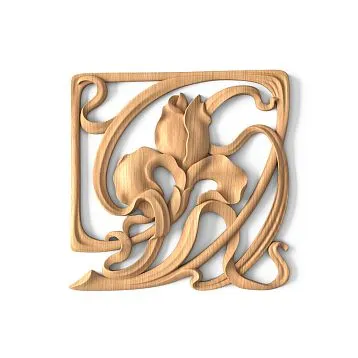
- Corner Elements
- Stylistic directions in ceiling molding
- Classic style
- Baroque and Rococo
- Empire and Neoclassicism
- Modern styles
- Technology of installing ceiling molding
- Surface Preparation
- Adhesive compositions
- Element joints
- Lighting and ceiling molding
- Natural Lighting
- Artificial Lighting
- Color Temperature of Light
- Care and maintenance of ceiling molding
- Regular Cleaning
- Repairing damage
- Modern trends in ceiling molding design
- Minimalism in decorative molding
- Technology integration
- Ecology and sustainability
- Psychological impact of ceiling molding
- Impact on perception of space
- Color psychology in decorative molding
- Cultural and Historical Associations
- Regional Characteristics and Traditions
- European traditions
- Eastern influences
- Modern Russian school
- Economic aspects of using ceiling molding
- Cost factors
- Installation Costs
- Long-Term Economic Efficiency
- Conclusion
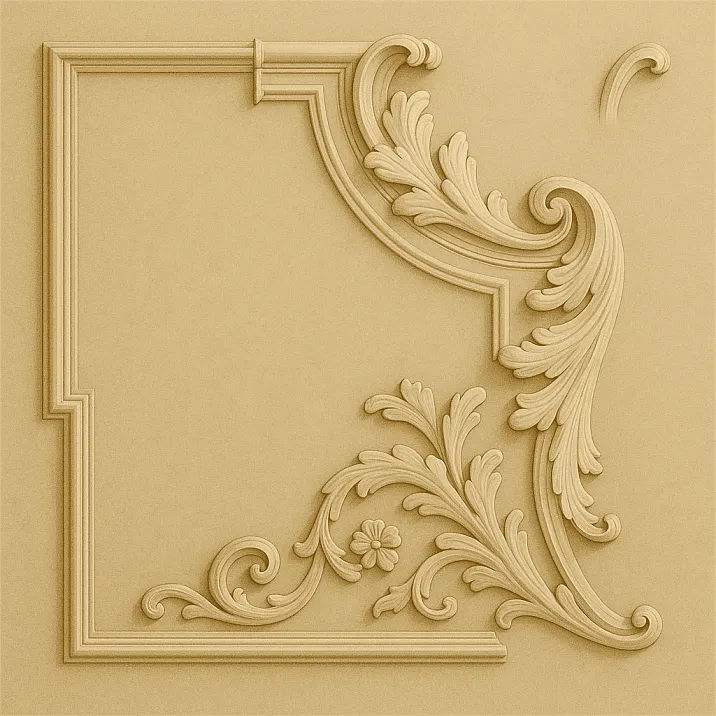
The ceiling is the fifth wall of any room, often overlooked during interior design. Yet, it is capable of radically changing the perception of the entire space, giving it grandeur, coziness, or elegance. When creating a truly luxurious and thoughtfully designed interior, one cannot ignore the issue of ceiling decoration. And here, the focus is on Buy ceiling molding — a solution that can transform an ordinary room into a true masterpiece of design art.
Ceiling molding — it is not just a decorative element, but a whole philosophy of space design, rooted in deep antiquity. From the majestic palaces of Versailles to modern apartments in megacities — molding remains a symbol of refined taste and high status. In the 21st century, thanks to technological advancements and the emergence of new materials, the possibilities for using ceiling molding have significantly expanded, and its accessibility has increased dramatically.


History and evolution of ceiling molding
The art of decorative molding originated in ancient Egypt and Greece, where artisans created astonishingly beautiful compositions from plaster and lime. Ancient architects understood: the ceiling is not merely a structural element of a building, but a powerful tool for influencing human psychology. High vaults adorned with rich molding created a sense of grandeur and solemnity, while low ceilings with delicate decoration evoked intimacy and coziness.
During the Renaissance, ceiling molding reached unprecedented heights of craftsmanship. Italian artists and sculptors created true masterpieces, combining three-dimensional elements with painted compositions. It was precisely during this time that the fundamental principles of placing decorative molding on ceilings were established, principles that remain relevant today.
The classicism of the 18th-19th centuries introduced strict lines and mathematical precision of proportions into the art of ceiling molding. Ceiling molding elements became more restrained, yet no less expressive. It was precisely during this period that canonical forms of rosettes, cornices, and moldings were established, which we use in modern design.
The 20th century became a period of democratization of decorative molding. The emergence of new materials and production technologies made it possible to widely apply ceiling molding in residential interiors. Today, anyone who wishes can Buy ceiling molding and independently transform your living space.




Materials of modern ceiling molding
Modern ceiling molding is made from various materials, each of which has its own advantages and areas of application. The choice of material is determined not only by aesthetic preferences but also by technical requirements, operating conditions, and the project budget.
Our factory also produces:


Polyurethane molding
Polyurethane Ceiling Moldings represents the most popular and practical solution for modern interiors. Polyurethane is a high-tech polymer material that combines lightness, strength, and flexibility. Thanks to these properties, polyurethane molding is easy to install, does not deform over time, and retains its shape even under temperature and humidity fluctuations.
One of the main advantages of polyurethane molding is its exceptional detail. Modern molding technologies allow reproducing the finest nuances of classical samples, creating complex multi-level compositions with numerous small elements. At the same time, finished items have a perfectly smooth surface, requiring no additional processing.
Polyurethane molding has excellent operational characteristics. It does not absorb moisture, is not susceptible to microorganisms, and easily cleans off dirt. The material is chemically inert, making it safe for use in residential spaces, including children's rooms.
Get Consultation
Gypsum molding
Traditional gypsum molding remains the standard of quality and beauty in the world of decorative arts. Gypsum is a natural material that allows creating items with unique texture and distinctive character. Each element of gypsum molding is individual, bearing the marks of the craftsman's hand, which gives the interior a special warmth and humanity.
Gypsum molding possesses high artistic qualities. The material is malleable in work, allowing to create the most complex shapes and delicate details. The surface of gypsum items has a natural matte finish, which looks especially beautiful under various types of lighting.
However, gypsum molding requires more careful handling. The material is heavier than polyurethane, which complicates installation, especially when working with ceiling elements. Gypsum is sensitive to humidity, so its use in bathrooms and kitchens is limited.
Foam molding
The budget option of ceiling molding is made from polystyrene foam. This material has minimal weight and low cost, making it accessible to the broadest range of consumers. Foam molding is easy to process and can be cut with a regular knife, simplifying the fitting of elements during installation.
The main drawback of foam molding is limited design possibilities. The material does not allow creating complex relief surfaces, and small details often turn out to be blurry. Moreover, foam is sensitive to mechanical impacts and certain chemicals.
Types of ceiling molding elements
Modern ceiling molding represents a complete system of interconnected elements, each performing a specific function within the overall composition. Understanding the purpose and characteristics of different types of molding decor allows creating harmonious and functionally thought-out interior solutions.
Ceiling outlets
ceiling molding rosette — is the central element of the ceiling composition, traditionally placed at the location of a chandelier or another central light fixture. The rosette serves not only a decorative but also a practical function, concealing the electrical wiring connection point and creating a visual center of the room.
Modern ceiling rosettes impress with a variety of shapes and sizes. From modest classical medallions with a diameter of 30-40 centimeters to grand compositions occupying a significant part of the ceiling. The choice of rosette size is determined by the room's proportions and the light fixture's characteristics.
Ceiling molding for chandelier requires a special approach to design selection. It is important to consider the style and size of the light fixture to create a harmonious composition. A large chandelier requires a corresponding scale rosette, while an elegant pendant light better complements a delicate frame.
Ceiling cornices and moldings
Ceiling cornices are horizontal elements that decorate the transition from wall to ceiling. They perform an important architectural function, visually completing the space and creating clear boundaries. A properly chosen cornice can visually increase the room's height or, conversely, make it more cozy and intimate.
Ceiling moldings for painting provide designers with maximum freedom in choosing color solutions. A white primed molding can be painted in any color, create an effect of aging or patina, add gold or silver. Such an approach allows perfectly integrate molding decor into any color scheme of the interior.
The size and profile of the ceiling cornice should correspond to the scale of the room. In rooms with high ceilings, wide cornices with rich profiles are appropriate, while in smaller rooms, more restrained options are better. It is also important to consider the interior's style: classical style requires traditional profiles, while modern design favors minimalist geometric forms.
Corner elements
Corner decorative elements play an important role in creating a finished ceiling composition. They decorate the junctions of different molding elements, conceal joints, and create smooth transitions. Proper use of corner elements is a sign of a professional approach to design.
Corner elements can be both functional and purely decorative. Functional corner elements solve technical tasks — they decorate cornice joints and create transitions between elements of different profiles. Decorative corner elements complement the overall composition, add accents, and create rhythm.
Stylistic directions in ceiling molding
Choosing the style of ceiling molding is a key moment in creating a harmonious interior. Each era has produced its characteristic forms and motifs, which are today adapted to modern living realities. Understanding the features of various stylistic directions allows making an informed choice and creating a truly stylish interior.
Classic Style
The classical style in ceiling molding is based on the principles of ancient Greek and Roman architecture. It is characterized by strict proportions, symmetry, and the use of traditional architectural orders. Classical ceiling molding is distinguished by noble restraint and impeccable taste.
The main elements of classical ceiling molding include Doric, Ionic, and Corinthian capitals, acanthus leaves, meanders, palmettes, and rosettes. The color palette is traditionally limited to white with possible gold accents. This approach creates a sense of solemnity and grandeur, emphasizing the owner's status.
Classic ceiling molding requires an appropriate interior context. It pairs beautifully with antique furniture, paintings in gilded frames, heavy drapes, and luxurious fabrics. In a modern interior, classic molding can serve as a striking accent, emphasizing a connection to cultural traditions.
Baroque and Rococo
The styles of Baroque and Rococo brought unprecedented opulence and ornamentation to ceiling molding art. Baroque molding is characterized by dynamic forms, abundance of scrolls and spirals, and play of light and shadow. Rococo added elegance and lightness, asymmetrical compositions, and floral motifs.
Baroque-style ceiling molding often includes putti (images of amorini), garlands of flowers, scrolls, and volutes. Compositions are built on the principle of central symmetry with rich framing. The color scheme may be traditionally white, or include gilding, patina, and colored accents.
Rococo brought greater playfulness and lightness to ceiling molding. Asymmetrical cartouches, stylized shells (hence the style’s name — from French rocaille), and delicate floral ornaments create a sense of celebration and joy in life. Such molding is ideal for drawing rooms, boudoirs, and other formal rooms.
Empire and Neoclassicism
The Empire style, emerging during the Napoleonic era, brought military symbolism and imperial grandeur to ceiling molding. Laurel wreaths, Roman eagles, torches, and swords are characteristic elements of Empire molding. Compositions are built on the principle of strict symmetry with emphasized geometric forms.
Neoclassicism of the 18th-19th centuries returned to ancient models, but with greater attention to comfort and functionality. Ceiling molding from this period is characterized by clear forms, elegant proportions, and delicate execution. Main motifs include ancient ornaments, medallions with profiles, garlands, and festoons.
Modern interpretations of Empire and Neoclassicism allow creating grand yet comfortable interiors. decorative interior ornaments These styles are suitable for offices, libraries, and reception rooms.
Modern Styles
The 21st century brought a new understanding of the role of ceiling molding in interior design. Modern styles — minimalism, high-tech, loft — require a fundamentally different approach to decoration. Molding in modern interiors should be concise, functional, and technologically advanced.
Minimalist ceiling molding is characterized by simple forms and absence of unnecessary details. Straight lines, geometric shapes, monochromatic color palette — these are the main principles of this direction. Such molding serves more of an architectural than decorative function, creating a clear spatial structure.
The high-tech style allows the use of ceiling molding, but only as functional elements. Hidden lighting, integrated technological elements within the molding, and use of modern materials with unusual properties — these are characteristic features of this direction.
Ceiling Molding Installation Technology
Quality installation of ceiling molding is the guarantee of durability and aesthetic appeal of the decor. Modern technologies allow for quick and reliable installation of molded elements, but require adherence to certain rules and use of special materials.
Surface preparation
Successful installation of ceiling molding begins with careful surface preparation. The ceiling must be flat, clean, and dry. All irregularities, cracks, and defects must be eliminated using putty. The surface should be degreased and primed with a special compound ensuring good adhesion of adhesive materials.
Special attention should be paid to marking. Correct marking is the foundation of a beautiful and symmetrical composition. Central elements are marked from the geometric center of the ceiling, perimeter elements from the room’s corners. Using a laser level significantly simplifies the marking process and guarantees accuracy.
When working with heavy gypsum elements, additional mechanical fastening may be required. In this case, holes are drilled into the ceiling for anchors, which are concealed after installation with putty and paint.
Adhesive Compounds
The choice of adhesive depends on the molding material and the characteristics of the substrate. For polyurethane molding, special polyurethane adhesives are used, providing strong and elastic bonding. Such adhesives compensate for thermal deformations and vibrations, preventing element detachment.
Gypsum molding is mounted using gypsum compounds or special adhesives for mineral materials. It is important to consider the adhesive’s setting time and work quickly but carefully. Excess adhesive must be immediately removed, as after hardening it is difficult to remove without damaging the surface.
Foam molding requires adhesives free of solvents that may damage the material. Optimal choices are water-dispersed adhesives or special compounds for polystyrene foam.
Element Jointing
Professional jointing of elements is an art requiring experience and patience. Joints must be invisible, without gaps or level discrepancies. For this, elements are pre-fitted dry, and if necessary, trimmed with special tools.
Corner joints require special precision. Elements are cut at a 45-degree angle using a miter box or a circular saw. The quality of the cut is critically important for the final appearance of the composition.
After installation, all joints are spackled and sanded with sandpaper. Properly executed joints become completely invisible after painting.
Lighting and Ceiling Molding
The interaction of light and molded decoration is one of the most important and often underestimated components of successful design. Properly organized lighting can transform even modest molding into an eye-catching decorative composition, while poor lighting can negate all efforts to create a beautiful interior.
Natural Lighting
Natural light possesses unique properties that cannot be fully replicated by artificial sources. It constantly changes throughout the day, creating various effects on the surface of the molding. Morning light highlights the softness and warmth of forms, midday sun creates sharp contrasts of light and shadow, and evening light imparts romance and mystery to the composition.
When planning ceiling molding, it is necessary to consider the orientation of the room relative to the cardinal directions. Rooms facing north receive even, diffused light that evenly illuminates all details of the molding. South-facing rooms are bathed in bright light that may create overly sharp shadows, obscuring delicate decorative details.
The size and shape of windows also affect the perception of ceiling moldings. Large panoramic windows create even lighting, suitable for complex compositions with many details. Small windows provide directional light, which better highlights three-dimensional elements and creates dramatic effects.
Artificial Lighting
The artificial lighting system should complement natural light and create the desired atmosphere in the evening. Main lighting is usually provided by a central chandelier, which can be organically integrated into the molding composition using a ceiling rose.
Additional lighting plays a key role in creating lighting effects. Concealed backlighting placed behind cornices or in niches creates soft, diffused lighting that highlights the volume of molded elements. Directional spotlights allow creating accents on the most interesting details of the composition.
Modern LED systems open up new possibilities for lighting ceiling moldings. The ability to change the color and intensity of light allows creating various lighting scenarios for different times of day and moods.
Color Temperature of Light
The color temperature of light sources significantly affects the perception of ceiling moldings. Warm light (2700-3000K) creates a cozy and intimate atmosphere, highlighting warm tones of materials. Such light is ideal for classical interiors with gilded moldings.
Neutral white light (3500-4000K) provides the most accurate color rendering and is suitable for most interior solutions. It does not distort colors and allows fully appreciating the beauty of molded decoration.
Cool light (5000-6500K) creates a modern and technological atmosphere, suitable for minimalist interiors. However, it may make traditional moldings appear too sharp and unnatural.
Care and Maintenance of Ceiling Moldings
Proper care of ceiling moldings ensures preservation of its original appearance for many years. Different materials require different maintenance approaches, but general principles remain unchanged: regular cleaning, protection from mechanical damage, and timely repair of defects.
Regular cleaning
Dust is the main enemy of ceiling moldings. It settles in all recesses and folds, gradually dulling the surface and hiding relief details. Regular cleaning should be performed at least once a month using soft brushes or special vacuum attachments.
For polyurethane moldings, use slightly damp wiping with soft cloth or sponge. The material is not afraid of moisture, so weak cleaning solutions can be used. It is important to avoid abrasive materials and aggressive chemicals that may damage the surface.
Gypsum moldings require more delicate handling. Wet cleaning is possible only if the surface is protected by a quality paint finish. Otherwise, limit cleaning to dry wiping with soft brushes.
Repairing damage
Minor scratches and chips on polyurethane moldings can be repaired using special repair compounds or automotive putty. After drying, the damaged area is sanded with sandpaper and painted to match the original surface color.
Damage to gypsum moldings requires more complex repair. Small chips are filled with gypsum putty, followed by sanding and painting. Significant damage may require manufacturing new elements based on the damaged ones.
For serious damage, it is better to consult professionals. Unqualified repair may cause even greater damage and necessitate complete replacement of elements.
Modern Trends in Ceiling Molding Design
The world of interior design is constantly evolving, and ceiling moldings are not left behind by these changes. Modern trends reflect a changed lifestyle, new technologies, and a reevaluation of classical traditions in the context of the 21st century.
Minimalism in Molded Decoration
One of the leading trends of recent years is simplification of forms and reduction of decorative elements. Modern ceiling moldings are becoming more minimalist, yet no less expressive. Instead of richly decorated baroque compositions, designers prefer strict geometric shapes and clean lines.
Minimalist molding serves more of an architectural than decorative function. It structures space, creates rhythm and proportions, but does not dominate the interior. This approach allows using molded decoration even in the most modern interiors, without compromising their conceptual integrity.
The color palette of minimalist moldings is limited to neutral shades — white, gray, beige. Contrasting color solutions are used sparingly and only to create accents.
Integration of Technologies
Modern ceiling moldings are actively integrated with building technological systems. Concealed backlighting, built-in speakers, air conditioning systems — all of this can be organically incorporated into the molding composition.
LED technologies open up new possibilities for creating dynamic lighting effects. Changing backlighting can dramatically alter the perception of the same molding composition, creating various moods and atmospheres.
Smart homes require smart decor. Modern moldings can include motion sensors, automated lighting control systems, even augmented reality elements to create interactive interiors.
Ecological and Sustainable Design
Growing attention to ecological issues is reflected in the choice of materials for ceiling moldings. Manufacturers actively develop new eco-friendly compositions, free of harmful substances and suitable for recycling.
New-generation polyurethane moldings are produced from biodegradable components, significantly reducing their ecological footprint. Gypsum moldings made from natural materials remain the benchmark for eco-friendliness in this field.
The concept of sustainable development also influences design approaches. Instead of following rapidly changing design trends, designers create timeless solutions that will remain relevant for many years.
Ceiling molding has a significant psychological impact on a person, often at a subconscious level. Understanding these mechanisms allows one to consciously use ornamental decoration to create a specific atmosphere and mood in an interior.
Ceiling molding radically changes the perception of space. Rich ornamental decoration creates a sense of luxury and status, evoking feelings of respect and even awe. It is no coincidence that molding was traditionally used in palaces, temples, and other significant public buildings.
Influence on the perception of space
Ceiling height is psychologically associated with freedom and spaciousness. Ceiling molding can either emphasize the height of a room or visually lower it. Horizontal elements — cornices and moldings — make a room appear wider but lower. Vertical elements — columns and pilasters — increase the perceived height.
Symmetrical compositions create a sense of order, stability, and confidence. Asymmetrical elements add dynamism and modernity, but may cause unease if used improperly.
Color Psychology in Ornamental Decoration
The color of ceiling molding significantly affects a person's emotional state. The traditional white color is associated with purity, freshness, and spirituality. It is universal and suitable for any interior, without causing negative emotions.
Gilded molding creates a sense of wealth and luxury, but may appear vulgar if used excessively. Gold is better applied sparingly, to highlight the most important elements of the composition.
Colored molding is a bold design decision that can radically change the character of an interior. Pastel tones create a soft and cozy atmosphere, while bright colors add energy and dynamism.
Cultural and Historical Associations
Ceiling molding carries a powerful cultural code, evoking associations with specific historical periods and lifestyles. Classical molding refers to antiquity, the Renaissance, and aristocratic culture of past centuries.
These associations can be positive or negative, depending on an individual's personal experience and cultural background. For some, molding symbolizes high culture and refined taste, while for others, it represents outdated notions of beauty and status.
Modern designers increasingly play with these associations, creating unexpected combinations of classical molding with contemporary materials and technologies. This approach allows preserving cultural continuity while adapting traditional forms to modern realities.
Regional Characteristics and Traditions
The art of ceiling molding developed differently in various regions of the world, leading to the formation of unique national and regional traditions. Understanding these features helps create interiors that reflect cultural identity and historical heritage.
European Traditions
European traditions of ceiling molding are the most well-known and influential worldwide. The French school gave the world the elegance of Rococo and the grandeur of Classicism. Italian masters created unparalleled Baroque moldings, which continue to inspire designers around the globe.
English tradition is characterized by restraint and functionality. English molding often includes heraldic elements, local flora motifs, and maritime themes. A distinctive feature of the English style is the use of natural colors and patina, creating an effect of antiquity.
German and Austrian schools contributed to the art of molding with precision and technical perfection. German masters were renowned for their quality execution and attention to detail, particularly evident in Jugendstil and Biedermeier architecture.
Eastern Influences
Eastern cultures introduced entirely different motifs and approaches into the art of ceiling molding. Arab tradition gave the world complex geometric patterns and calligraphic elements. Islamic molding is characterized by abstract forms and mathematical precision in compositions.
Chinese and Japanese traditions introduced natural motifs into ornamental decoration — images of dragons, cherry blossoms, mountain landscapes. Eastern molding often includes symbolic elements carrying specific semantic meaning.
Indian tradition is characterized by extraordinary ornamentation and use of bright colors. Indian molding often includes images of deities, sacred animals, and plants, creating a sacred atmosphere.
Modern Russian School
Russian traditions of ceiling molding developed under the influence of European schools but acquired unique characteristics. Russian Baroque is distinguished by exceptional opulence and theatricality, reflecting the character of Russian culture.
The Soviet period introduced ideological motifs into ornamental decoration — hammers and sickles, five-pointed stars, industrial symbols. This period was also characterized by mass production and standardization of molding elements.
The modern Russian school of molding art is experiencing a period of revival. Masters turn to historical examples but adapt them to contemporary requirements and possibilities. Special attention is paid to the quality of materials and ecological production.
Economic Aspects of Using Ceiling Molding
The decision to use ceiling molding in an interior is often determined not only by aesthetic preferences but also by economic considerations. Understanding all cost components of the project allows for a balanced decision and budget optimization.
Cost Factors
Cost Factors
The cost of ceiling molding depends on many factors. The material used plays a key role in determining the price. Foam molding is the most affordable, polyurethane molding is more expensive, and handcrafted gypsum molding can cost several times more.
The complexity of the design also significantly affects the cost. Simple profile elements are much cheaper than complex multi-level compositions with fine details. Custom orders always cost more than standard catalog items.
The size of the project affects the cost per square meter. Large orders allow for significant discounts, while small projects may be uneconomical due to high fixed costs.
Installation cost
Installing ceiling molding requires special skills and can account for 50% to 100% of the material cost. The complexity of the room's geometry, ceiling height, and the need for special equipment—all of these affect the cost of labor.
DIY installation can significantly reduce the overall project cost, but requires certain skills and tools. Mistakes during self-installation may lead to additional expenses for correcting defects.
Long-term Economic Efficiency
Quality ceiling molding is a long-term investment that can pay off through increased property value. Beautiful molding enhances the interior’s appeal and can become a significant factor when selling an apartment or house.
Energy efficiency should also be considered when choosing molding. Some types of decorative molding can improve the ceiling’s insulation properties, leading to savings on heating.
Conclusion
Ceiling molding remains one of the most effective ways to transform an interior, create a unique atmosphere, and showcase refined taste. From modest classical profiles to grand baroque compositions—modern technologies and materials allow you to realize any design fantasy.
Choosing polyurethane ceiling moldingsIt is important to consider not only aesthetic preferences but also the technical characteristics of the room, operating conditions, and long-term plans. Proper material selection, professional installation, and proper maintenance will ensure the longevity and beauty of the molding for many years.
The modern market offers a wide range of ready-made solutions for any style and budget. From affordable foam products to exclusive handcrafted molding—everyone can find a suitable option. Remember that ceiling molding is not just a decorative element, but a tool for creating a comfortable and harmonious living environment.
The future of ceiling molding is linked to the development of new materials and technologies, integration with smart home control systems, and seeking a balance between tradition and innovation. However, the core principles remain unchanged—beauty, quality, and harmony, which transform an ordinary home into a work of art.
STAVROS Company has been a leader in producing and supplying high-quality molding for the Russian market for many years. Our specialists will help you select optimal solutions for any interior, provide professional consultation and technical support at every stage of the project. Entrust the creation of a beautiful and stylish interior to professionals—and the result will exceed all your expectations.