Article Contents:
- History of the development of balustrade handrails: from antiquity to the present day
- Origins of balustrade systems
- Evolution of materials and technologies
- Cultural significance of balustrades in different countries
- Materials for manufacturing handrails: advantages and features
- Wooden handrails: classic beyond time
- Metal handrails: strength and modern design
- Combined solutions: innovations in design
- Glass and acrylic handrails: lightness and transparency
- Shapes and profiles of handrails: ergonomics and aesthetics
- Classic Profiles: Time-Tested Solutions
- Modern trends in handrail design
- Ergonomics of handrails: the science of comfort
- Technical specifications and safety standards
- Normative requirements for balustrade handrails
- Strength characteristics of various materials
- Special requirements for public buildings
- Design solutions: handrail as an interior element
- Style compatibility with the architecture of the house
- Decorative Elements and Finishing
- Color solutions and their impact on spatial perception
- Technology of handrail installation: from design to mounting
- Pre-measurements and design
- Methods of mounting handrails to various bases
- Tools and Materials for Professional Installation
- Features of installing handrails made of different materials
- Maintenance and care of handrails: preserving beauty and functionality
- Regular maintenance of wooden handrails
- Special care for metal and glass handrails
- Restoration and rehabilitation of historical handrails
- Innovative solutions in the world of handrails
- Smart handrails with integrated technologies
- Eco-friendly materials and sustainable production
- Personalization and Individual Design
- Choosing handrails for different types of staircases and spaces
- Handrails for spiral and helical staircases
- Features of handrails for outdoor staircases
- Handrails for children's facilities and specialized spaces
- Economic aspects: cost, durability, and investment attractiveness
- Factors affecting handrail cost
- Long-term economic efficiency of quality handrails
- Handrails as elements of real estate investment
- Trends and prospects for the handrail market development
- Modern trends in balustrade system design
- Influence of architectural styles on handrail evolution
- Industry development forecasts for the coming years
- Conclusion: the art of choosing the perfect handrail
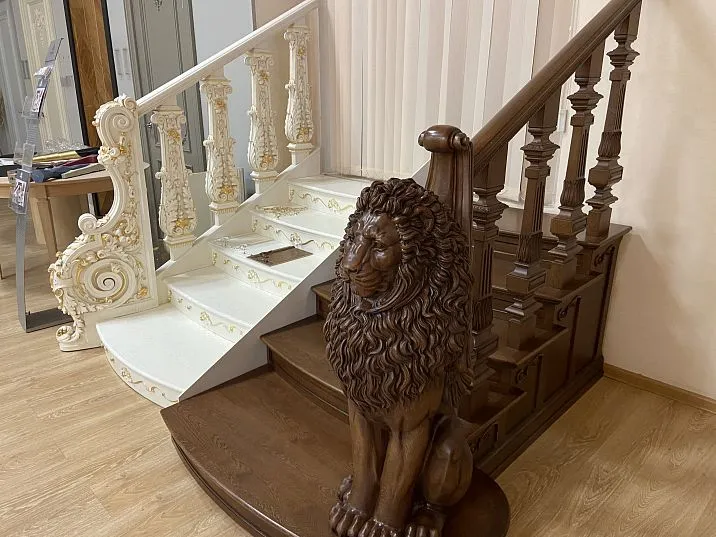
In the world of architectural design, there are elements that combine practicality, safety, and aesthetic appeal. One such element is handrail – a detail capable of transforming an interior, giving it completeness and becoming a true decoration of the space. This element of staircase construction has long ceased to be merely a functional detail – today it is an important architectural accent, emphasizing the style and status of the room.
Many homeowners and interior designers underestimate the importance of selecting the right handrail, yet it is precisely this detail that can become the 'cherry on top' that completes the look of your home. In this article, we will delve into the world of balustrade handrails, uncover their diversity, features of selection and installation, and share secrets on how to make this element not just functional, but truly impressive.


History of handrail development for balustrades: from antiquity to the present




Origins of balustrade systems
Balustrades and handrails have a rich history dating back to ancient times. The earliest references to such constructions appear in the architecture of ancient Egypt and Assyria, where they served not only practical but also decorative functions. In ancient Greece and Rome, balustrades with elegant handrails adorned temples and palaces, symbolizing the status and grandeur of the buildings.
The Middle Ages introduced into design handrail balustrades Gothic motifs – upward-reaching forms, intricate carvings, and mystical symbols. The Renaissance era marked a return to classical forms, when handrails became more elegant, with smooth lines and harmonious proportions.
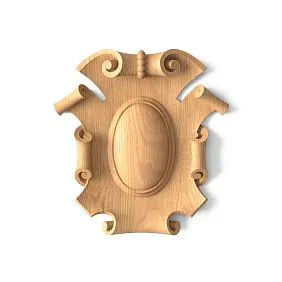
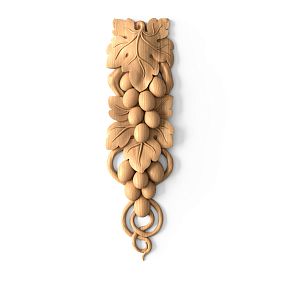
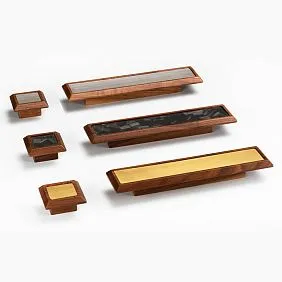
Our factory also produces:





Evolution of materials and technologies
Over time, not only the forms but also the materials used to make handrails changed. Initially, stone and wood were predominantly used, but with the development of metallurgy, forged elements entered common use, giving structures lightness and delicacy. The Industrial Revolution brought standardization and mass production, making quality handrails accessible to a broader range of consumers.
Modern technologies allow creating handrails from a wide variety of materials – from traditional solid wood to innovative composite materials, glass, and stainless steel. Computer modeling and CNC machines enable the realization of the most daring design solutions, creating unique interior elements.
Get Consultation
Cultural significance of balustrades in different countries
It is interesting to trace how different cultures developed their own traditions for decorating balustrades and handrails. In Italy during the Baroque period, they were characterized by opulence and theatricality; in France during the reign of Louis XIV – refinement and elegance; in Russia – monumentality and rich ornamentation.
Eastern cultures introduced their motifs into balustrade system design. For example, in China and Japan, handrails were often adorned with images of dragons and other mythical creatures, while geometric patterns of Islamic architecture found expression in delicate balustrades of the Middle East.
Materials for making handrails: advantages and features
Wooden handrails: classic beyond time
Wood remains one of the most popular materials for manufacturing handrail balustradesIts natural beauty, tactile comfort, and eco-friendliness make this material indispensable in creating a cozy home atmosphere. Handrails are made from various types of wood, each possessing its own unique characteristics:
- Oak – symbol of strength and durability. Oak handrails feature a striking texture, high density, and resistance to mechanical damage. With proper care, such a handrail can last for several decades.
- Beech – a universal material with a uniform structure and pleasant light tone. Beech handrails are easy to process, allowing for the creation of complex shapes.
- Ash – distinguished by its beautiful wood grain pattern and high strength. Ash handrails have an elegant appearance and are pleasant to the touch.
- Walnut – a noble wood with a rich color palette ranging from light brown to dark chocolate. Walnut handrails become a true interior decoration.
Wooden handrails require certain care – periodic treatment with protective compounds, polishing, and restoration of the finish. However, these efforts are rewarded by longevity and timeless beauty of the natural material.
Metal handrails: strength and modern design
Metal handrails represent a combination of reliability and aesthetic appeal. They can be made from various metals and alloys:
- Stainless steel – a material resistant to corrosion and mechanical damage. Stainless steel handrails have a modern look, are easy to clean, and require no special care.
- Brass – an alloy with a warm golden hue that develops a noble patina over time. Brass handrails are often used in classical interiors.
- Bronze – a material with a rich history, imparting handrails with a special solidity and status.
- Wrought iron – allows for creating unique artistic pieces with intricate elements and complex decoration.
Metal handrails can have various finishes – from polished to matte, with coating or patina. This allows selecting a variant perfectly matching the overall interior style.
Combined solutions: innovations in design
Modern technologies allow creating combined handrails combining various materials. For example, a wooden handrail may be enhanced with metal inserts or LED lighting. Such solutions are not only functional but also create a unique visual effect.
Handrails with integrated lighting – LED strips embedded in the structure provide soft stair lighting at night, enhancing safety and creating an atmospheric glow.
Glass and acrylic handrails: lightness and transparency
For modern minimalist interiors, glass or acrylic handrails are often chosen. These elements create a sense of lightness and airiness, visually not cluttering the space. Tempered glass ensures necessary strength, while the variety of surface treatments (matte, tinting, engraving) allows creating a unique design.
Shapes and profiles of handrails: ergonomics and aesthetics
Classic profiles: time-tested solutions
The shape of the handrail is crucial both for ease of use and for the overall appearance of the balustrade. Classic handrail profiles were developed over centuries and represent an optimal combination of ergonomics and aesthetics:
- Oval profile – the most common variant, convenient for hand grip. Such a handrail has a streamlined shape without sharp angles and is well-suited for stairs with heavy use.
- Round profile – a traditional solution that harmonizes well in various interior styles. The diameter of a round handrail is usually 50-60 mm, ensuring a comfortable grip.
- Rectangular profile – a more modern variant with clear geometric lines. Such handrails often have rounded top edges for ease of use.
- Decorative profile – includes various decorative elements, grooves, protrusions, and other details that give the handrail individuality.
Modern trends in handrail design
Modern handrail design for balustrades is characterized by a pursuit of minimalism, functionality, and innovative solutions:
- Asymmetric profiles – non-standard shapes taking into account the anatomical features of the hand and ensuring maximum comfort during use.
- Integrated systems – handrails with built-in lighting, touch control elements, or even heating systems for cold-climate regions.
- Modular constructions – allow easy modification of the handrail configuration or replacement of individual elements as needed.
Handrail ergonomics: the science of comfort
Correctly designed handrail must comply with ergonomic requirements, ensuring safety and ease of use:
- Optimal height – standardly 90–100 cm from the level of steps or floor.
- Grip diameter or width – must correspond to average palm size (typically 50–60 mm).
- Offset from wall – for handrails mounted on walls, should be at least 5 cm to allow free hand placement.
- Smooth transitions – especially important at stair turns and at junctions of different elements.
An ergonomic handrail not only ensures safety while moving up and down stairs but also creates a sense of reliability and comfort, which is especially important for elderly people and children.
Technical specifications and safety standards
Normative requirements for balustrade handrails
Design and installation of handrails are regulated by construction codes and regulations that ensure the safe use of stair structures:
- GOST 23120-2016 defines basic requirements for staircases, railings, and handrails in residential and public buildings.
- SP 118.13330.2012 establishes handrail parameters for public buildings, including requirements for height and strength.
- SNiP 35-01-2001 contains special requirements for handrails in buildings accessible to people with limited mobility.
According to these standards, handrails must withstand a horizontal load of at least 0.3 kN/m (approximately 30 kg per linear meter), and in public buildings – at least 0.8 kN/m. The handrail height from the step level should be 0.9–1.1 m.
Strength characteristics of various materials
Material selection for handrails is largely determined by requirements for strength and durability:
- Oak and ash have high bending strength (100–120 MPa) and compression strength (50–60 MPa), making them ideal for manufacturing reliable handrails.
- Stainless steel has a tensile strength of 500–700 MPa and is practically immune to corrosion, ensuring a long service life.
- Tempered glass for balustrades has a bending strength up to 120 MPa, which is 5–6 times greater than that of ordinary glass.
When designing handrails, it is necessary to consider not only static but also dynamic loads that may occur during operation.
Special requirements for public buildings
Handrails in public buildings, such as schools, hospitals, shopping centers, must meet enhanced safety requirements:
- Double handrail – at different heights for adults and children (at 0.9 m and 0.7 m respectively).
- Tactile elements – for visually impaired individuals, including Braille lettering and special markers at the beginning and end of stair runs.
- Contrasting color – for better visibility of the handrail against the wall or balustrade background.
- Structural continuity – the handrail must be continuous along the entire length of the staircase, including landings and turns.
Design solutions: handrail as an interior element
Style compatibility with the house’s architecture
handrail Should harmoniously fit into the overall interior concept, highlighting its stylistic features:
- Classic style implies using handrails made of noble wood species with carved elements, smooth lines, and rich texture. Often profiles with complex shapes featuring decorative grooves and protrusions are used.
- Modern minimalism favors simple geometric forms, clean lines, and functionality. Here, handrails made of glass, metal, or light wood with a minimalist design are appropriate.
- Loft and industrial styles are characterized by the use of rough materials and open structures. Handrails in such interiors can be made of weathered wood combined with metal elements or entirely of metal with intentionally rough finish.
- Scandinavian style implies using light-colored wood with minimal processing, highlighting the natural beauty of the material.
Decorative elements and finishing
Decorative elements can significantly enhance the appearance of the handrail and the entire balustrade:
- Wood carving – from simple geometric patterns to complex artistic compositions. Such decoration is especially suitable for classic and ethnic interiors.
- Inlay – inserts made of contrasting materials (metal, stone, mother-of-pearl) create striking accents on the handrail surface.
- Patina – an artificial aging technique that gives wooden or metal items an elegant appearance with a touch of age.
- Leather upholstery – used to create especially comfortable handrails with a soft, pleasant-to-touch surface.
Color solutions and their impact on the perception of space
The handrail color can either harmonize with the surrounding interior or create a striking contrast:
- Natural wood tones create a sense of warmth and coziness, emphasizing the natural beauty of the material.
- White handrails visually lighten the structure and pair well with modern interiors.
- Dark colors (wenge, mahogany, black) give the handrail a solid and expressive look, especially effective in spacious rooms.
- Contrasting combinations – for example, a dark handrail on a light balustrade – create a dynamic visual effect and draw attention to the staircase as a central interior element.
Handrail installation technology: from design to installation
Preliminary measurements and design
The handrail installation process begins with careful measurements and design:
- Trajectory determination – measuring the staircase length, accounting for turns and curves, defining the starting and ending points of the handrail.
- Choosing the mounting method – to balusters, to the wall, or a combined option.
- Calculating required materials – handrail length with allowance for fitting, number of fasteners, connectors, and caps.
- Creating templates for complex sections – turns, curves, connections to vertical elements.
Modern technologies allow creating 3D models of the future handrail, significantly simplifying the design process and minimizing the risk of errors during installation.
Ways to mount handrails to various bases
There are several main ways to mount handrails, each with its own characteristics:
- Mounting to balusters – a traditional method where the handrail is fixed directly to the top parts of balusters. This method ensures secure fixation and an aesthetic appearance.
- Wall mounting – using special brackets to mount the handrail to the wall. This method is convenient for narrow staircases and allows saving space.
- Mounting on posts – installing the handrail on vertical supports attached to the floor or steps. This method is often used for open staircases and landings.
- Combined mounting – combining different methods to ensure maximum strength and aesthetic appeal of the structure.
Tools and materials for professional installation
For proper installation handrail balustrade A certain set of tools and materials is required:
- Measuring tools – tape measure, level, protractor for accurate determination of dimensions and angles.
- Cutting tools – circular saw, jigsaw, miter gauge for precise fitting of handrail elements.
- Fastening elements – self-tapping screws, bolts, anchors, special fittings for handrails.
- Adhesive compounds – for joining wooden elements and securing joints.
- Sanding equipment – for processing cuts and fitting elements.
- Finish materials – varnishes, paints, oils for protective and decorative surface treatment of the handrail.
Features of installing handrails from different materials
The installation technology varies significantly depending on the handrail material:
- Wooden handrails require special attention to element joints. Special router bits and templates are used to create smooth transitions. It is important to consider possible wood expansion and contraction due to changes in humidity.
- Metal handrails often require welding to join elements. After welding, the welds must be carefully processed and the protective coating restored.
- Glass handrails are installed using special clamping profiles or point fasteners. Special attention is paid to even load distribution and preventing stress concentration.
Care and maintenance of handrails: preserving beauty and functionality
Regular maintenance of wooden handrails
Wooden handrails require periodic care to maintain their appearance and extend their service life:
- Cleaning from dust and dirt – regular wiping with a soft slightly damp cloth without using aggressive cleaning agents.
- Updating protective coating – depending on usage intensity and coating type (varnish, oil, wax), the protective layer should be renewed every 1-3 years.
- Repairing minor damage – scratches and scuffs can be removed using special wax pencils or furniture markers of the appropriate shade.
- Pest prevention – treatment with special compounds to prevent wood damage by insects.
Features of caring for metal and glass handrails
Metal and glass handrails have their own specific maintenance requirements:
- Stainless steel requires periodic polishing with special agents to remove fingerprints and maintain shine. Non-abrasive cleaners are used for matte surfaces.
- Brass and bronze require regular treatment with special polishes to prevent oxidation and preserve their noble luster.
- Glass handrails are cleaned with ammonia-free glass cleaners that do not leave streaks. Special attention is paid to fasteners and joints.
Restoration and rehabilitation of historical handrails
Historical handrails are of special value and require careful handling during restoration:
- Documenting original condition – photographic documentation, description of features and damages.
- Removing old coatings – careful removal of paint or varnish layers while preserving original texture and patina.
- Restoration of lost elements – manufacturing copies based on preserved samples or historical drawings.
- Structural reinforcement – restoring strength without compromising the historical appearance.
- Application of protective coatings – using materials appropriate to the historical period or their modern equivalents with authentic appearance.
Innovative solutions in the world of handrails
Smart handrails with integrated technologies
Modern technologies are penetrating all spheres of life, and handrails are no exception:
- Handrails with built-in LED lighting – provide soft illumination for stairs at night, enhancing safety and creating ambient lighting. Such systems may be equipped with motion sensors for automatic activation.
- Touch-sensitive handrails – react to touch, activating various smart home systems (lighting, music, climate control).
- Heated handrails – particularly relevant for cold-climate regions, ensuring comfortable surface temperature during winter.
- Informational handrails – equipped with built-in displays or projectors for displaying information (especially relevant for public buildings).
Eco-friendly materials and sustainable production
The trend toward eco-friendliness is reflected in handrail production:
- Use of wood from certified forests with controlled harvesting and reforestation programs.
- Use of recycled materials – for example, handrails made from composites including recycled plastic or metal.
- Non-toxic water-based coatings and adhesives that do not emit harmful substances during operation.
- Energy-efficient production with minimized waste and use of renewable energy sources.
Personalization and individual design
Modern technologies allow creating unique handrails that reflect the owner's individuality:
- 3D modeling and printing – creating prototypes and decorative elements of complex shapes.
- Laser engraving – applying personalized patterns, monograms, or text onto the handrail surface.
- Biometric adaptation – designing the handrail according to the individual characteristics of the user’s hand for maximum comfort.
- Integration with personal preferences – for example, a handrail that activates favorite music or lighting scene upon touch by a specific user.
Choosing handrails for different types of staircases and spaces
Handrails for spiral and helical staircases
Spiral staircases present special design challenges for handrails due to constantly changing incline angles and curvature radius:
- Curved wooden handrails are manufactured by steaming or gluing thin laminates according to a template. This technology allows creating smooth curves that follow the staircase’s shape.
- Segmented handrails consist of multiple small straight sections connected at a specific angle. This method is often used for metal handrails.
- Spiral handrails with variable curvature radius require high-precision manufacturing using CNC equipment.
Ergonomics of handrails for spiral staircases is especially important – they must provide reliable support along the entire spiral, where step width may vary significantly.
Features of handrails for outdoor staircases
Handrails for outdoor staircases must be resistant to environmental exposure:
- UV Resistance – materials and coatings must not fade or lose color under exposure to sunlight.
- Moisture Resistance – ability to withstand rain, snow, and humidity fluctuations without deformation or damage.
- Temperature Stability – maintaining shape and properties under significant temperature fluctuations.
- Anti-slip Surface – especially important for regions with frequent precipitation and icing.
For outdoor staircases, handrails are often made of tropical hardwoods (teak, iroko), stainless steel, or special composite materials.
Handrails for kindergartens and specialized facilities
In kindergartens, schools, and medical facilities, handrails must meet special requirements:
- Two-level system – main handrail at standard height and an additional one at 60–70 cm for children and shorter individuals.
- Round edges and absence of sharp corners – to prevent injuries from accidental falls.
- Antibacterial coatings – especially relevant for medical facilities and kindergartens.
- Bright markings – contrasting colors or tactile elements for visually impaired individuals.
Economic aspects: cost, durability, and investment attractiveness
Factors affecting handrail cost
Price handrail balustrade depends on many factors:
- Material of construction – from affordable hardwoods to exotic materials and precious metals.
- Complexity of shape – straight sections are significantly cheaper than curved or spiral elements.
- Decorative elements – carving, inlays, and other embellishments significantly increase cost.
- Manufacturing technology – handcrafted items are valued higher than mass-produced ones.
- Brand and manufacturer reputation – well-known companies with long histories typically set higher prices.
Long-term economic efficiency of quality handrails
Investments in quality handrails pay off in the long term:
- Durability – a well-made handrail from quality materials can serve for decades without replacement.
- Minimal maintenance costs – quality materials and coatings require less care and less frequent renewal.
- Safety – a reliable handrail prevents falls and injuries, saving money on medical care.
- Increased property value – aesthetic and quality interior elements, including handrails, increase the market value of a home or apartment.
Handrails as real estate investment elements
When investing in real estate, it is important to consider all details affecting the perception of the property:
- First impression – a staircase with an elegant handrail is often one of the first elements potential buyers see upon entering a home.
- Tactile experience – touching a quality handrail creates a sense of solidity and thoughtful design throughout the space.
- Uniqueness of the property – original design solutions, including unusual handrails, distinguish the property among similar offerings on the market.
- Target audience – for premium real estate, all elements, including handrails, must meet the expectations of affluent buyers.
Trends and prospects for the handrail market development
Modern trends in balustrade system design
The handrail and balustrade market is constantly evolving, reflecting general trends in architecture and interior design:
- Minimalism and clean lines – moving away from excessive decoration in favor of expressive forms and quality materials.
- Style mixing – combining traditional forms with modern materials and vice versa.
- Ecological and natural – returning to natural materials with minimal processing.
- Technological integration – incorporating handrails into smart home systems and using innovative materials.
Influence of architectural styles on the evolution of handrails
Architectural trends directly influence the design of handrails and balustrades:
- Neoclassicism revives interest in traditional handrail forms with elements of classical architecture.
- Biomimetic design draws inspiration from natural forms, creating organic, smooth handrail lines.
- Parametric architecture experiments with non-standard forms and materials, creating handrails with complex geometry.
- Eco-architecture focuses on sustainable materials and energy-efficient solutions.
Industry development forecasts for the coming years
Industry experts forecast the following trends in the handrail market development:
- Personalization and customization – growing demand for individual solutions reflecting the client’s personality and preferences.
- Integration with digital technologies – development of smart handrails with enhanced functionality.
- Development of new materials – emergence of composites with improved characteristics and unique properties.
- Production automation – introduction of robotic systems to increase precision and reduce the cost of manufacturing complex elements.
- Virtual design – use of VR/AR technologies to visualize handrails in interiors before production begins.
Conclusion: the art of choosing the perfect handrail
Choosing handrail balustrade It is a complex and multifaceted process requiring consideration of numerous factors: from functional requirements and safety to aesthetic preferences and stylistic harmony with the interior. A properly selected handrail not only ensures safety when using stairs but also becomes an important design element, highlighting the character and status of the space.
The modern market offers a vast variety of materials, forms, and technologies, enabling the creation of handrails perfectly suited to specific needs and tastes. From classic wooden models with intricate carvings to minimalist glass constructions and innovative solutions with integrated technologies – each option has its advantages and specific applications.
When choosing a handrail, it is important to find a balance between aesthetics and functionality, tradition and innovation, cost and durability. Professional consultation with specialists from the company STAVROS will help make the right choice and ensure high-quality manufacturing and installation of handrails that will delight you for years with their beauty, reliability, and comfort of use.
Investing in quality handrails is an investment in the safety, aesthetics, and longevity of your home, which will definitely pay off over time and bring satisfaction every day when using the stairs.