Article Contents:
- History of origin and evolution of half-columns in architecture
- From antiquity to modernity: the journey of the half-column through centuries
- Architectural significance of half-columns in various styles
- Technological aspects of half-column manufacturing
- Materials for creating modern half-columns
- Production Process: From Sketch to Finished Product
- Functional and aesthetic advantages of half-columns in interior design
- Architectural possibilities and space zoning
- Stylistic diversity: half-columns in various interior solutions
- Practical application of half-columns in modern design
- Half-columns in residential interiors: from classicism to avant-garde
- Half-columns in public spaces and commercial interiors
- Innovative solutions and trends in half-column design
- Modern materials and technologies in half-column production
- Ecological aspect: sustainable development in architectural decor production
- Selection and installation of half-columns: practical recommendations
- Criteria for selecting half-columns for different rooms

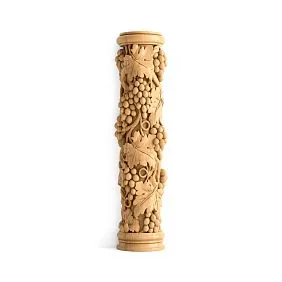
In the world of architectural decor, there are elements capable of transforming a space beyond recognition, bestowing it with grandeur and nobility. One such element is Half-column an exquisite architectural solution combining the aesthetics of classical style with the functionality of modern design. This element, originating from antiquity, is experiencing a true revival in interior design, becoming not merely decorative ornamentation but also an important structural component capable of completely altering the perception of space.

History of origin and evolution of half-columns in architecture




From antiquity to modernity: the journey of the half-column through centuries
Architectural History half-columns originating in ancient Greece and Rome, where this element was used not only as decorative ornamentation but also as an important structural component. Ancient half-columns are not merely half of a column, but a complex architectural element seamlessly integrated into the building's wall. They imparted facades and interiors with a unique rhythm, created play of light and shadow, and emphasized the architectural significance of the structure.
During the Renaissance, half-columns experienced a second rebirth. Architects of that time, inspired by ancient heritage, actively employed this element in their projects, imparting buildings with classical harmony and proportionality. Palladio, Brunelleschi, Michelangelo — all of them turned to half-columns as a means of expressing architectural thought.
Baroque and Rococo introduced opulence and ornamentation into half-column design. They became more curved, adorned with intricate carvings, gilding, and inlays. During this period, half-columns transformed into true works of art, showcasing the craftsmanship of carvers and decorators.
Neoclassicism restored the strictness and restraint of ancient forms to half-columns. They became symbols of rationality and order, which were so highly valued in this style. 19th-century Neoclassicism continued this tradition, adapting half-columns to new architectural tasks.
In modern design Half-column This is a universal element that can be executed in various styles: from strict classicism to avant-garde minimalism. Today, it is used not only in the architecture of public buildings but also in private interiors, imparting them with a unique charm and individuality.
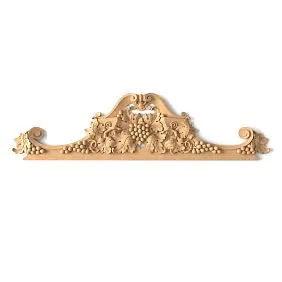
Our factory also produces:




Architectural significance of half-columns in various styles
Each era and architectural style interpreted half-columns in their own way, endowing them with distinctive features and functions.
In the Doric order, half-columns were characterized by strictness and simplicity, symbolizing masculinity and strength. The Ionic order introduced elegance and lightness into their design, while the Corinthian order added luxury and ornamentation. These three classical orders remain the foundation for creating modern half-columns.
Byzantine style enriched half-columns with complex ornaments and mosaics, while Gothic gave them verticality characteristic of that period. The Renaissance restored classical proportions and harmony to half-columns, making them an important element of architectural language of the era.
In Russian architecture, half-columns acquired special significance during the period of Classicism and Empire. They became an indispensable part of palace and estate facades, imparting them solemnity and monumentality. In interiors, half-columns were used for zoning space, creating architectural accents, and supporting vaults.
Modernism of the early 20th century reinterpreted half-columns, giving them smooth lines and asymmetry. Art Deco added geometric precision and contrast, while Constructivism simplified their form to the maximum, while preserving functionality.
Today Half-column They are not merely a tribute to tradition, but a living architectural element that continues to evolve alongside design and technology development. Modern designers experiment with materials, forms, and proportions, creating half-columns that seamlessly integrate into interiors of various styles: from neoclassicism to high-tech.
Get Consultation
Technological aspects of half-column manufacturing
Materials for creating modern half-columns
The modern market offers half-columns made from the most diverse materials, each possessing its own unique properties and aesthetic characteristics.
Wood - a traditional and, perhaps, the most noble material for manufacturing half-columns. Half-columns made of solid wood differ in their natural beauty, ecological friendliness, and longevity with proper care. Various types of wood are used for their creation: from affordable pine to premium oak, ash, walnut. Each type imparts its own character and color palette to the item. Wooden half-columns can be smooth or carved, coated with varnish, paint, or patina.
Stone is a material used for creating half-columns since ancient times. Marble, granite, limestone—all these types impart monumentality and luxury to half-columns. Stone half-columns are especially suitable for classical interiors, where they create an atmosphere of palace opulence and grandeur. However, it should be noted that natural stone is a heavy and expensive material requiring professional installation.
Gypsum is a lightweight and malleable material that allows creating half-columns of complex shapes with detailed workmanship. Gypsum half-columns are affordable and easy to install, but they are less durable than wooden or stone items and require careful handling.
Polyurethane is a modern synthetic material combining lightness, strength, and water resistance. Polyurethane half-columns do not rot, do not deform under temperature and humidity fluctuations, and are resistant to mechanical damage. They can imitate various materials—from wood to marble—making them a universal solution for different interiors.
Fiber concrete is an innovative material consisting of concrete reinforced with fibers. Half-columns made of fiber concrete are characterized by high strength, durability, and resistance to atmospheric influences, making them an ideal choice for facade decoration.
Metal is a material used for creating modern half-columns in loft, industrial, and high-tech styles. Metallic half-columns can be made of steel, aluminum, brass, or bronze. They are distinguished by strength, durability, and a unique aesthetic effect.
The choice of material for half-columns depends on many factors: interior style, budget, usage conditions, personal preferences. However, regardless of the material, quality Half-column will always be an elegant and functional addition to any space.
Production process: from sketch to finished product
Creating a half-column is a complex multi-stage process requiring high craftsmanship and attention to detail.
The first stage is project development. The designer creates a sketch of the future half-column, taking into account the interior style, room proportions, and functional requirements. At this stage, dimensions, shape, decorative elements, and material are determined.
The second stage is creating templates and models. For complex half-columns with carving or relief, a three-dimensional model is first created, allowing to visualize the final product and make necessary adjustments.
The third stage is material preparation. If it is about a wooden half-columnthen the wood must be properly dried to a certain moisture level to avoid deformation in the future. For stone half-columns, a block of the required size and quality is selected.
The fourth stage is direct manufacturing. Depending on the material and design complexity, half-columns may be produced manually or using modern equipment. For example, wooden half-columns are often manufactured on CNC lathes, which ensure high precision and repeatability of details. Carved elements may be created using milling or hand carving.
The fifth stage is finishing and decoration. The finished half-column is sanded, primed, and coated with protective compounds. Depending on the design, it may be painted, varnished, patinated, or gilded. For stone half-columns, polishing or, conversely, creating a textured surface is performed.
The sixth stage is quality control. Each half-column undergoes careful inspection for compliance with the project, absence of defects, and quality of finishing.
The seventh stage is packaging and transportation. Finished items are carefully packaged to protect them from damage during transportation.
The eighth stage is installation. Installing a half-column requires a professional approach, especially for heavy stone or massive wooden items. Proper installation ensures not only an aesthetic appearance but also safe operation.
Producing high-quality half-columns is a combination of traditional craftsmanship and modern technologies. Companies specializing in architectural decor continuously improve their production processes, introducing innovative materials and technologies to create items meeting the highest standards of modern design.
Functional and aesthetic advantages of half-columns in interior design
Architectural possibilities and space zoning
Half-column It is not just a decorative element, but a powerful tool for architectural transformation of space. Its functional capabilities are truly impressive.
Firstly, half-columns excel at zoning. In large rooms, they can visually divide space into functional zones without erecting walls or partitions. For example, in a spacious living room, half-columns can separate a relaxation area from a dining area, creating a sense of order and harmony.
Secondly, half-columns can visually adjust the proportions of a room. In rooms with low ceilings, vertical half-columns create an illusion of greater height, and in narrow rooms, they can visually expand the space if properly positioned.
Thirdly, half-columns can serve as structural elements that conceal load-bearing supports, utilities, or wall irregularities. They transform technical necessities into aesthetic features of the interior.
Fourthly, half-columns create an architectural rhythm that organizes space and makes it more harmonious. When evenly spaced along a wall, they impart a classical rigor and elegance to the interior.
Fifthly, half-columns can serve as framing for door and window openings, niches, and arches. They emphasize the significance of these elements, making them more expressive and grand.
Sixthly, half-columns can serve as a basis for creating complex architectural compositions: portals, exedrae, colonnades. In such compositions, they interact with other decorative elements: cornices, friezes, capitals, creating a cohesive architectural image.
Seventhly, half-columns can be used as lighting elements. LED strips or other light sources can be installed inside them, creating soft, diffused lighting and highlighting architectural details.
It is important to note that the functional capabilities of half-columns depend directly on their design, dimensions, material, and, of course, on the skill of the designer who must seamlessly integrate them into the overall interior concept.
Stylistic diversity: half-columns in various interior solutions
Remarkable versatility half-columns allows their use in virtually any stylistic direction, from classic to avant-garde. Let us consider how this architectural element fits into various interior styles.
Classic style - a natural environment for half-columns. Here, they serve as an important structural element supporting the overall harmony and proportionality of space. In classical interiors, half-columns are often made of wood or marble, adorned with fluting, carving, and gilding. They may be part of complex architectural compositions including pilasters, cornices, and moldings.
Neoclassicism - a modern interpretation of the classical style - also actively uses half-columns, but in a more restrained, minimalist execution. Here, they may be made of modern materials, have simpler forms, yet retain classical proportions and elegance.
Baroque and Rococo - styles in which half-columns become part of lavish, theatrical decoration. They may be twisted, adorned with intricate carving, gilding, inlay. In such interiors, half-columns are often combined with stucco, mirrors, and painting, creating an atmosphere of palace opulence.
Empire - a style in which half-columns acquire particular monumentality and grandeur. They are often executed in the form of ancient orders, decorated with military symbols, laurel wreaths, eagles. In Empire interiors, half-columns create a sense of imperial majesty and power.
Eclecticism allows combining half-columns of different styles and eras in one space. Here, they may be classical or exotic, for example, in Moroccan or Indian style. The key in eclecticism is to create a harmonious ensemble in which diverse elements complement each other.
Modernism reinterprets half-columns, giving them smooth lines, asymmetry, and botanical motifs. In this style, they may be made of unusual materials, have non-standard forms and proportions.
Art Deco uses half-columns as elements of geometric decoration. They may be stepped, ribbed, adorned with contrasting inserts of metal, glass, exotic wood species.
Minimalism, seemingly distant from decorative elements, nevertheless allows half-columns to find their place. In minimalist interiors, they are executed in simple geometric forms, without decoration, often in monochromatic color schemes. Their function is to create architectural rhythm and structure space.
Loft and industrial styles may use half-columns made of raw concrete, metal, weathered wood. In such interiors, they emphasize the industrial character of the space and often serve not only decorative but also structural functions.
Ethnic styles - from Mediterranean to Japanese - adapt half-columns to their cultural traditions. For example, in Moroccan style, they may be adorned with mosaic and arabesques, while in Scandinavian style, they are made of light wood with minimal decoration.
Fusion allows experimenting with the shape, materials, and color of half-columns, creating unexpected, vibrant combinations. In this style, half-columns can become true art objects, the focal point of interior composition.
The choice of style for half-columns depends on the overall interior concept, architectural features of the space, and the owner's personal preferences. The key is that they should organically fit into the space, support its harmony, and fulfill the functions assigned to them.
Practical application of half-columns in modern design
Half-columns in residential interiors: from classic to avant-garde
In modern residential interiors Half-column they find the most diverse applications, demonstrating their remarkable adaptability to various styles and spaces.
Half-columns are often used in living rooms to create a grand, formal atmosphere. They can frame a fireplace, TV area, or arch between the living room and dining room. In classical interiors, half-columns with capitals and bases create a sense of palace luxury, especially if made from expensive wood or marble and complemented by other architectural decorative elements: cornices, moldings, rosettes.
In modern minimalist living rooms, half-columns take on more streamlined forms but do not lose their functionality. They can be made of concrete, metal, or glass and serve not only as decorative but also as structural elements—for example, supporting a mezzanine or second level.
In bedrooms, half-columns are often used to create a headboard. They can be part of a complex architectural composition including an arch, canopy, or niches for lamps. Such a solution gives the bedroom a special intimacy and romance, creating a sense of protection and comfort.
In bathrooms, half-columns can frame a bathtub, shower enclosure, or mirror. Made from moisture-resistant materials—marble, travertine, or artificial stone—they not only decorate the space but also create a spa or Roman bath atmosphere.
In kitchens and dining rooms, half-columns can be part of a kitchen island, bar counter, or dining zone. They structure the space, making it more organized and functional. In classical kitchens, half-columns are often elements of cabinet facades, giving them elegance and nobility.
In hallways and entryways, half-columns can frame an entrance door, mirror, or passage to the living room. They create a grand atmosphere, set the tone for the entire interior, and demonstrate the homeowners' status and taste.
In children's rooms, half-columns can be part of a fairy-tale or play design. They can imitate tree trunks in a forest theme, castle columns in a knightly theme, or ship supports in a nautical theme. Such half-columns not only decorate the space but also stimulate the child's imagination, creating a special atmosphere for play and development.
In home offices and libraries, half-columns give the space an academic and dignified feel. They can be part of bookshelves, frame a work area, or a fireplace. In such rooms, half-columns are often made of dark wood and may be adorned with carving or inlay.
In home theaters and entertainment zones, half-columns can be part of an acoustic design, concealing speakers, wires, or ventilation systems. They create the atmosphere of a real cinema or concert hall.
In winter gardens and greenhouses, half-columns can imitate ancient ruins, creating a romantic atmosphere. They can serve as supports for climbing plants or as elements of a fountain or waterfall.
It is important to note that in modern residential interiors, half-columns often serve not only a decorative but also a practical function: they can conceal utilities, load-bearing structures, or wall defects. This makes them not just decoration, but an important functional element of design.
Half-columns in public spaces and commercial interiors
In public and commercial spaces Half-column acquire special significance, becoming not only a decorative element but also an important tool for branding, creating a specific atmosphere that influences visitors' perception.
In restaurants and cafes, half-columns help create a unique atmosphere corresponding to the establishment's concept. In an Italian restaurant, they may imitate ancient ruins or Renaissance architectural elements. In an Eastern restaurant, half-columns may be adorned with arabesques, mosaics, or carving. In a modern minimalist cafe, they may be made of concrete, metal, or glass and serve as space zoning elements.
In hotels, half-columns are often used in lobbies, restaurants, conference halls, and spa zones. They create an atmosphere of luxury and comfort, emphasizing the establishment's status. In boutique hotels, half-columns may be part of a unique design solution reflecting the hotel's concept and philosophy.
In shopping centers and stores, half-columns can be part of navigation, zoning, or branding. They can frame display windows, entrance areas, or checkout zones. In luxury boutiques, half-columns are often made from expensive materials—marble, onyx, exotic woods—and emphasize the exclusivity of the products presented.
In office spaces, half-columns can be part of corporate style, reflecting the company's values and philosophy. They can zone open spaces, frame meeting areas, or reception areas. In modern offices, half-columns often serve not only a decorative but also a functional role: they may house built-in lighting, ventilation, or multimedia systems.
In banks and financial institutions, half-columns create an atmosphere of reliability, stability, and respectability. They are often made in a classical style, from expensive, durable materials, emphasizing the institution's solidity.
In medical facilities, half-columns can be part of creating a comfortable, calming atmosphere. They can zone space, conceal medical equipment or utilities. In modern clinics, half-columns are often made from hygienic, easy-to-clean materials.
In educational institutions, half-columns can be part of creating an academic atmosphere, especially in libraries, auditoriums, and administrative spaces. They can serve not only a decorative but also an educational function—for example, demonstrating various architectural orders.
In museums and exhibition spaces, half-columns can be part of the exhibition, creating a specific historical or cultural context. They can serve as supports for information boards, lighting, or multimedia systems.
In theaters and concert halls, half-columns are often part of the acoustic design, helping to create optimal conditions for sound propagation. They can be part of stage design, creating a specific atmosphere corresponding to the nature of the performance.
In sports and wellness centers, half-columns can be part of zoning and creating a specific atmosphere in different functional zones. For example, in a relaxation zone, they may imitate ancient baths, while in a gym, they may be part of a modern, dynamic design.
It is important to note that in public and commercial spaces, half-columns must meet not only aesthetic but also technical requirements: they must be fire-safe, durable, easy to clean, and comply with sanitary standards. This imposes certain limitations on material and structural choices.
Innovative solutions and trends in half-column design
Modern materials and technologies in half-column production
The architectural decor industry is not standing still, and half-column production is actively enriched with innovative materials and technologies that expand the possibilities for designers and architects.
Composite materials are one of the most promising directions in modern half-column production. They consist of various components, each contributing unique properties to the final product. For example, fiber-reinforced polymer concrete combines the strength of concrete with the lightness and flexibility of polymers. Such half-columns can imitate any material—from marble to wood—while being lighter, stronger, and more durable than their natural counterparts.
3D printing opens new horizons in producing half-columns with complex shapes. This technology allows creating items with unique designs impossible with traditional manufacturing methods. 3D printing can be used both for prototyping and for producing finished items from various materials—from plastic to concrete and metal.
Nanotechnologies allow creating half-columns with unique properties: self-cleaning, antibacterial, light-reflecting, heat-storing. For example, half-columns with a titanium dioxide coating can purify air from harmful impurities, while half-columns with integrated silver nanoparticles have antibacterial properties, which is especially important for medical facilities.
Smart materials capable of changing their properties depending on external conditions are also used in half-column production. For example, thermochromic materials change color with temperature changes, while photochromic materials change with lighting changes. This allows creating half-columns that "live" and change together with the surrounding environment.
Light-transmitting concrete and polymers allow creating half-columns that let light pass through, creating unique lighting effects. Such half-columns can be elements not only of architectural, but also of lighting design.
Ecologically clean and recycled materials are becoming increasingly popular in half-column production. These can be half-columns made from recycled plastic, paper, textiles, wood waste. Such products not only minimize negative impact on the environment, but often also have unique aesthetic characteristics.
Biomaterials created based on living organisms or their components represent an innovative direction in half-column production. For example, half-columns made from mushroom mycelium or bacterial cellulose composite are not only eco-friendly but also have unique properties: they are lightweight, strong, fire-resistant, and biodegradable.
Smart technologies are integrated into half-columns, transforming them from passive decorative elements into active components of intelligent spaces. Half-columns can contain built-in sensors, lighting systems, climate control, multimedia. They can be part of a "smart home" system, reacting to human presence and changes in environmental conditions.
Virtual and augmented reality technologies allow visualizing half-columns in interiors even before their manufacture and installation. This enables clients to see how the finished solution will look and make necessary adjustments if needed.
Robotization and automation of half-column production increase manufacturing accuracy, reduce costs, and expand possibilities for mass customization. Modern robotic systems can create half-columns with micron-level precision, reproducing the most complex designs.
All these innovative materials and technologies not only expand the possibilities for designers and architects, but also make half-columns more accessible, functional, eco-friendly, and aesthetically appealing.
Environmental aspect: sustainable development in architectural decoration production
In today's world, where ecological issues are becoming increasingly urgent, the production of architectural decoration, including half-columns, cannot remain outside the trends of sustainable development.
Material eco-friendliness has become one of the key criteria when choosing half-columns. Products made from renewable resources are gaining increasing popularity: wood from certified forests, bamboo, cork, straw, algae. These materials not only minimize negative environmental impact but also often possess unique aesthetic and functional characteristics.
Recycling and reuse of materials is another important direction in eco-optimizing half-column production. Half-columns can be made from recycled plastic, glass, metal, paper, textiles. This approach not only reduces waste volume but also saves resources needed to produce new materials.
Energy efficiency in half-column production is achieved through the use of modern technologies, optimization of manufacturing processes, and application of renewable energy sources. Some manufacturers fully switch to solar, wind, or hydro energy, minimizing their carbon footprint.
Local production and use of local materials reduce transportation costs and associated CO2 emissions. This is especially relevant for heavy items such as stone or concrete half-columns, whose transportation requires significant energy expenditure.
Durability and repairability of half-columns are important aspects of sustainable development. High-quality items that serve for decades and can be restored when necessary are much more eco-friendly than cheap alternatives requiring frequent replacement.
Material safety for human health is becoming an increasingly important criterion when choosing half-columns. Eco-friendly products must not emit harmful substances, cause allergic reactions, or accumulate static electricity. They must be safe both during production and installation, and during operation.
Biodegradability and compostability are characteristics becoming increasingly demanded for half-columns made from organic materials. Such products, after the end of their service life, do not create waste disposal problems and return to the natural cycle of substances.
Eco-certification is becoming an important competitive advantage for half-column manufacturers. International standards such as LEED, BREEAM, FSC confirm product compliance with ecological requirements and help consumers make informed choices.
Educational programs and information openness by half-column manufacturers contribute to forming ecological awareness among consumers. Many companies not only implement eco-friendly technologies but also actively share them, exchange experiences, conduct workshops and factory tours.
Cooperation with environmental organizations and participation in environmental projects are becoming part of manufacturers' corporate social responsibility. This can include tree planting, water body cleanup, supporting nature reserves, funding ecological research.
It is important to note that eco-friendliness should not contradict the functionality and aesthetics of half-columns. Modern technologies allow creating products that are simultaneously eco-friendly, beautiful, and practical. Such half-columns will be in demand in the future, aligning with sustainable development principles and meeting consumers' aesthetic needs.
Selection and installation of half-columns: practical recommendations
Criteria for selecting half-columns for different rooms
Selection of appropriate half-columns is a responsible process requiring consideration of multiple factors. Let us consider the main criteria that will help make the right choice for different types of rooms.
Interior style is the first and, perhaps, the most important criterion when selecting half-columns. They should harmoniously fit into the overall design concept, supporting its idea and atmosphere. For classical interiors, half-columns with capitals and bases in one of the classical orders will be suitable. For modern minimalist spaces — simple, geometrically clear forms without excessive decoration. For ethnic styles — half-columns reflecting the architectural traditions of the corresponding culture.
Room dimensions determine the proportions and quantity of half-columns. In small rooms, massive half-columns may create a feeling of confinement, so here it is better to use elegant, slender elements. In spacious halls, on the contrary, too thin half-columns may "disappear," failing to create the desired architectural effect. The height of half-columns should correspond to ceiling height: the higher the ceilings, the taller and more massive half-columns can be used.
The functional purpose of the room affects the choice of material, shape, and placement of half-columns. In living rooms and grand halls, decorative, luxurious half-columns made of expensive materials are appropriate. In kitchens and bathrooms, moisture resistance and ease of maintenance are important. In children's rooms, safety and eco-friendliness are key, possibly with playful design. In offices and public spaces, durability, corporate style alignment, and functionality are essential.
The material of half-columns must meet not only aesthetic preferences but also practical requirements. Wood creates a warm, cozy atmosphere but requires maintenance and protection from moisture. Stone is durable and luxurious but heavy and expensive. Gypsum allows for complex shapes but is fragile. Polyurethane is lightweight, moisture-resistant, affordable, but may appear less noble compared to natural materials.
The color solution for half-columns should harmonize with the overall color palette of the interior. They can be matched to wall tones, creating a unified space, or contrast with them, becoming an accent element. In classical interiors, white half-columns are often used, creating a sense of purity and light. In modern spaces, bolder color solutions are possible: black, metallic, or colored half-columns.
Budget is an important practical criterion that determines the choice of material, design complexity, and production method for half-columns. Costs can vary from affordable polyurethane or gypsum items to exclusive half-columns made of marble or precious woods with hand-carved details.
The technical feasibility of installation should be considered at the stage of selecting half-columns. It is necessary to assess the load-bearing capacity of walls and ceilings, especially if heavy stone or massive wooden items are involved. It is also important to consider the possibility of delivering and lifting half-columns into the room, particularly in older homes with narrow staircases and doorways.
Ecological safety and material safety are becoming increasingly important criteria when selecting half-columns, especially for residential spaces and children's rooms. Materials must be non-toxic, not emit harmful substances, and not cause allergic reactions.
Durability and ease of maintenance are practical criteria that determine how comfortable the half-columns will be in use. Some materials require regular care, protection from moisture, ultraviolet light, and mechanical damage. Others are more low-maintenance but may be less aesthetically appealing.
Uniqueness and individuality of design can be important criteria for those aiming to create a unique interior. Many manufacturers offer the possibility of custom-made half-columns, taking into account all the client's preferences.
Considering all these criteria, you can choose half-columnswhich not only decorate the interior but also serve as functional elements.