Article Contents:
- Why It's Important to Combine Different Materials in Decoration
- Polyurethane Appliqués - Lightness and Precision
- Wooden Elements - Texture and Depth
- Contrast of Glossy and Matte Surfaces
- How to Combine Materials Through Color
- Interior design solutions by STAVROS
- Conclusion - A New Interpretation of Classic Design

The beauty of an interior is formed by details. It is not the large-scale forms and structural elements that define the character of space, but the subtle decorative elements that attract attention and shape the style.Polyurethane AppliquésandWooden Inserts- two materials with opposite characteristics, which, when skillfully combined, create visual richness, functional perfection, and aesthetic expressiveness of modern classic interiors.
The history of decorative appliqués spans centuries. Carved wooden elements adorned the furniture of Egyptian pharaohs, Roman patricians, and European monarchs. Molded plaster decoration became the pinnacle of Baroque and Rococo architectural art. Modern technologies have expanded decorating possibilities - polyurethane reproduces classical forms with perfect accuracy while retaining practicality and accessibility.
The combination of these materials is not a compromise between tradition and modernity, but a synergy of their best qualities. Polyurethane provides lightness, precision of replication, moisture resistance, and accessibility. Wood brings warmth, tactile sensation, depth, and nobility. Together, they create interiors where technology does not contradict tradition, and functionality harmonizes with beauty.


Why It's Important to Combine Different Materials in Decoration
Monotony of material creates visual boredom. An interior made exclusively of wood may appear heavy and gloomy. A space decorated solely with polyurethane risks becoming cold and lacking individuality. Combining different materials creates multi-layered perception, visual richness, and compositional depth.
Complementary characteristics ensure functional perfection.polyurethane panels- work perfectly in humid areas, at great heights, in places inaccessible for tactile contact.Wooden Inlays- indispensable where natural warmth of the material, its texture, and nobility matter - on furniture, doors, panels in reachable zones.
Economic feasibility plays an important role in modern projects. Using expensive carved wood where its advantages are not required is an unreasonable expenditure of budget. Polyurethane on ceilings, where lightness and moisture resistance are crucial, is significantly cheaper than wooden alternatives with comparable visual effect. Wood is concentrated in zones of maximum visual and tactile contact.
Variety of textures enriches the perception of space. The smooth surface of polyurethane contrasts with the lively texture of wood - its annual rings, medullary rays, unique pattern. Touching warm wood creates a different sensation than the visual perception of white plaster. This multi-layeredness makes the interior interesting for all senses.
Stylistic flexibility expands design possibilities. Classical carved wooden appliqués combine with polyurethane moldings, creating traditional interiors. Modern minimalist wooden elements harmonize with minimalist polyurethane in contemporary spaces. Eclecticism allows bold combinations of elements with different characteristics, united by color or form.
Perception psychology confirms the correctness of combining materials. Studies show that people feel more comfortable in spaces with variety of materials and textures. Monotony tires, visual richness stimulates. Balance between natural and synthetic materials creates a sense of modernity without losing connection to nature.
Practicality of use requires a rational approach to material selection. Humid zones - kitchens, bathrooms - require moisture-resistant elements. Polyurethane is optimal here. Dry rooms - living rooms, bedrooms, offices - allow using wood without restrictions. Zones of intensive contact benefit from the durability and repairability of wood.
Historical continuity is preserved through materials. Wooden carving refers to the traditions of past centuries' woodcarvers, creating a sense of rootedness in history. Polyurethane embodies modern technologies, practicality, rationality. Their combination is a bridge between past and present, tradition and innovation.
Scaling decoration to budget becomes possible through combination. A small amount of high-qualitycarved wooden inlays- creates accents, highlights key zones. Polyurethane elements cover other decorative needs without creating a sense of cheapness when professionally installed and painted.
The possibility of interior transformation is simplified by using different materials. Replacing polyurethane elements with other forms and styles is easier and cheaper than working with wood. Wooden accents remain a constant, creating the basic character of space. This allows updating the interior without radical renovation.
Ecological balance is achieved through rational combination. Natural wood creates a healthy microclimate, regulates humidity, and does not emit harmful substances. High-quality modern polyurethane is also safe and certified. Together, they form a comfortable living environment without excessive use of natural resources.
The uniqueness of an interior is formed through individual combinations. Standard polyurethane elements are complemented by custom wooden appliqués with original carving. Such a combination creates an irreplaceable character of space - technological base elements with unique accent details.




Polyurethane Appliqués - Lightness and Precision
Polyurethane appliqués- produced by molding into molds, ensuring phenomenal accuracy of detail reproduction. The finest ornamental elements - delicate leaf veins, flower petals, rocaille scrolls - are reproduced with absolute clarity. The technology allows creating appliqués of any complexity without increasing cost - a simple rosette and a complex cartouche cost the same when comparable in size.
Perfect repeatability is the key advantage of casting technology. All elements in a batch are absolutely identical down to the micron, which is impossible with hand-carved wood. When decorating symmetrical furniture — cabinets with two identical doors, chests with multiple drawers — polyurethane appliqués ensure flawless symmetry without complex fitting.
The lightness of the material simplifies installation and expands application areas. A 200x400 mm appliqué weighs only 50-100 grams compared to 300-500 grams of wood. This is critical when installing on thin MDF or particleboard facades, which may deform under the weight of heavy wooden elements. Polyurethane appliqués are mounted on any base using special adhesive, requiring no additional mechanical fastening.
Polyurethane's moisture resistance allows using appliqués in high-humidity conditions. Water absorption coefficient less than one percent eliminates swelling and deformation. Kitchen facades, bathroom furniture, and hallway elements can be decorated with polyurethane appliqués without concern. The material does not develop mold, does not rot, and retains its shape for decades.
Impact resistance ensures long-term durability in use. Elastic polyurethane slightly deforms upon accidental impact, absorbing energy, then restores its shape. Door impacts or collisions with objects leave no damage. Fragile wood carving chips under impact, especially on thin protruding elements — leaf tips, flower petals.
Variety of forms and styles is impressive. Classical rosettes with acanthus leaves, baroque cartouches with asymmetrical scrolls, Empire appliqués with military motifs, modern elements with botanical patterns — all the history of decorative art is reproduced in polyurethane. Sizes vary from miniature 50x50 mm to large panels 1000x1500 mm.
The ability to paint opens up unlimited color solutions. Polyurethane accepts any interior paints — acrylic, latex, alkyd. Classic white color highlights relief and creates a traditional look. Painting to match wall color makes appliqués subtle texture elements. Gilding, silvering, patination create an antique effect.
Installation of polyurethane appliqués is accessible for self-execution. The back of the element is treated with special adhesive, the appliqué is pressed onto the surface for several seconds. The lightness of the material does not require prolonged fixation — the adhesive sets quickly. After drying, the appliqué holds for decades, withstanding vibrations and temperature expansion of the base.
The cost of polyurethane appliqués is democratic. Medium-sized elements cost from 200 to 800 rubles each, making decoration accessible to a wide audience. Complex large panels reach 2000-3000 rubles, but remain significantly cheaper than wooden carved analogs. Savings are especially noticeable when decorating a large number of items.
Universality of application expands creative horizons. Polyurethane appliqués decorate not only furniture, but also doors, walls, ceilings, mirror frames, fireplace surrounds. They adhere to wood, MDF, gypsum board, plaster, wallpaper, ceramic tiles. This is a universal tool for decorating any surfaces.
The service life of quality polyurethane is practically unlimited. The material does not age, does not fade, does not deform over time. The only thing that may be required — refreshing the painted finish every 10-15 years, but the appliqué remains in perfect condition. This is a long-term investment in interior beauty.
The ecological safety of modern polyurethane is certified. The material does not emit harmful substances, has no odor after curing, does not cause allergic reactions. Quality manufacturers provide documentation confirming compliance with European and Russian safety standards.
Our factory also produces:


Wooden elements — texture and depth
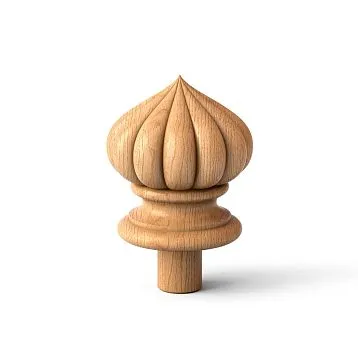
carved wooden inlayspossess a unique natural texture that cannot be artificially reproduced. Each tree is unique — the pattern of annual rings, direction of fibers, color variations create the individuality of each element. Oak with its expressive coarse texture, walnut with noble dark tones, ash with contrasting lines — each species tells its own story.
The tactile appeal of wood creates a special comfort. Touching a warm wooden surface evokes pleasant sensations lacking in polyurethane. On furniture, doors, railings — everywhere physical contact occurs — wood creates a sense of naturalness and coziness. This subconscious feeling of connection with nature is valued in today’s urbanized world.
Depth of carving in wooden appliqués creates true three-dimensionality. A wood carver can create reliefs up to 30-50 mm deep, forming almost sculptural compositions. The play of light and shadow in deep carvings changes throughout the day, making the decoration alive and dynamic. Polyurethane, despite all its advantages, rarely has relief deeper than 15-20 mm.
Restorability is an important advantage of wooden elements. A damaged carving area can be restored by a master, scratches sanded, wear areas touched up. A wooden appliqué lives for decades, improving with age — wood acquires a noble patina of time. Polyurethane, upon serious damage, usually requires replacement.
The prestige of natural material creates special value for interiors. Carved wood is associated with traditions of master woodworkers, handcrafted work, historical interiors. The presence of quality wooden elements speaks to the status and taste of owners. This is an investment not only in beauty, but also in reputation.
Variety of wood species allows creating different visual effects. Light species — maple, ash, birch — create a sense of freshness and modernity. Medium tones — oak, beech, cherry — form a classic warm atmosphere. Dark species — walnut, wenge, stained oak — add drama and nobility.
Carving techniques determine the character of appliqués. Low-relief carving creates a shallow elegant ornament characteristic of classicism. High-relief carving forms volumetric compositions of baroque and Empire styles. Pierced lace carving creates a lace effect, allowing light to pass through. Each technique creates its own mood and suits certain styles.
Individuality of each element is a result of hand or semi-hand work. Even when using CNC machines for rough processing, the finish work by the carver makes each appliqué unique. Small differences in carving depth, surface treatment character add liveliness absent in perfectly identical polyurethane elements.
The possibility of creating original ornaments opens creative horizons. A master carver can execute an appliqué according to a custom sketch — with the owner’s monogram, family crest, unique botanical motif. Such elements transform furniture into family heirlooms, passed down through generations.
The longevity of wooden appliqués, with proper care, is measured in centuries. Antique furniture with carved elements from the 17th-18th centuries is preserved in museums and private collections. Modern protective coatings — oils, varnishes, waxes — extend the life of wood, preserving its natural beauty.
The ecological nature of natural wood is obvious. Wood is a renewable resource with responsible forestry. It does not emit harmful substances, regulates air humidity, creates a healthy microclimate. In the era of conscious consumption, choosing natural wood — is choosing in favor of nature.
Combining different species in one item creates interesting effects. Light ash base with dark walnut appliqués forms a contrasting composition. Inlay with different species — marquetry — creates picturesque panels on furniture facades. These techniques are unavailable for polyurethane.
Get Consultation
Contrast of glossy and matte surfaces
Surface treatment of materials determines their perception and role in the interior.polyurethane panelsAfter painting, surfaces must have exclusively matte or semi-matte finish. Gloss on polyurethane creates an impression of cheap plastic, destroying the illusion of classic decor. High-quality matte interior paints — acrylic, latex — create a noble velvety surface.
The degree of matte finish affects visual perception of relief. Absolutely matte surface absorbs light, creating soft transitions between raised and recessed areas of ornament. This is optimal for complex baroque compositions with abundant fine details. Semi-matte surface with slight satin sheen highlights the geometry of relief, creating a more distinct play of light and shadow.
Wooden appliqués allow more surface treatment options. Matte oil highlights the natural wood texture, preserving tactile appeal. Semi-matte varnish creates a protective film with slight gloss, deepening the wood color. Wax treatment gives a soft silk-like sheen and pleasant touch.
The contrast between matte polyurethane and semi-matte wood creates subtle visual differentiation of materials. White matte molding on the ceiling and semi-matte wooden panels on walls differ not only in color, but also in surface character. This adds a layer of complexity to interior perception.
Glossy surfaces are appropriate only in certain styles. Art Deco allows black glossy lacquer on wooden elements combined with chrome metal. Chinese style uses red and black gloss. But in European classicism — neoclassicism, baroque, Empire — matte surfaces undoubtedly dominate.
Patina creates a multi-layered surface. A base matte paint layer is covered with a thin layer of patina—gold, silver, or colored—which is then partially worn away from raised relief areas. The patina remains in recesses, creating an aged effect. This technique is equally applicable to polyurethane and wood, unifying them through a shared aesthetic.
Textured paints for polyurethane imitate various surfaces. Paints with stone, metal, or pearl effects are applied to polyurethane elements, creating an illusion of other materials. Wooden elements are unnecessary in such techniques—their own texture is valuable.
Wax as a finishing coating creates a special noble surface. Both wood and painted polyurethane can be coated with wax, which imparts a light silk-like sheen and protects against dirt. A waxed surface is pleasant to the touch, easy to renew, and creates a sense of naturalness.
Combining different types of surfaces requires a delicate sense of proportion. If all elements are completely matte, the interior may appear dull. Adding several elements with a slight gloss—semi-matte wooden moldings, waxed panels—revives the composition. However, excessive glossy surfaces create visual noise.
Care for different surfaces requires understanding their nature. Matte painted polyurethane elements are cleaned with a damp cloth and mild detergent. Wooden oil-based surfaces require periodic oil renewal. Wax surfaces are polished with a dry cloth. Lacquered elements are wiped with specialized furniture cleaning agents.
Changing the character of surfaces is possible during restoration or interior refreshment. Polyurethane elements are easily repainted in another color or with a different surface effect. Wooden elements can be sanded and re-coated with another finish—oil instead of lacquer or vice versa. This flexibility allows adapting decor to changing preferences.
How to unite materials through color
Color harmony is the foundation of a harmonious combinationpolyurethaneandwooden appliquésThere are several proven color strategies, each creating its own visual effect and suitable for specific interior concepts.
Monochromatic white strategy—a classic solution for unifying different materials. All elements are painted white—polyurethane inserts remain white after production, wooden elements are coated with white enamel. Differences between materials are erased, leaving only the play of relief and texture. This solution is characteristic of Scandinavian interiors and modern neoclassicism.
Choosing the shade of white is critically important. There are many shades of white—from cold Arctic to warm cream. Polyurethane and wooden elements must be painted exactly the same shade; otherwise, the difference will be noticeable. Professionals recommend using paints from the same manufacturer with a single RAL code for all elements.
Natural strategy preserves the natural color of wood and paints polyurethane white or neutral tones. Wooden inserts are coated with transparent oil or lacquer, showcasing the natural beauty of wood. Polyurethane elements remain white, creating contrast with warm wood. This classic combination works in most traditional interiors.
Tonal strategy uses shades of one color with varying saturation. Light gray polyurethane inserts harmonize with dark gray painted wood. Beige polyurethane complements brown wooden elements. These nuanced combinations create an elegant, restrained atmosphere of modern classicism.
Contrast strategy is built on the contrast between light and dark. White polyurethane inserts on dark wooden facades create graphic expressiveness. Dark inserts on a light background form an inverse contrast. Such solutions require a confident sense of proportion and work well in modern interiors.
Imitation strategy paints polyurethane to resemble wood. Special painting techniques simulate the texture and color of various wood species. A well-executed imitation is indistinguishable from real wood at a distance. This strategy allows creating visual unity despite material differences.
Accent strategy uses gold or color to highlight certain elements. Gilded details on white polyurethane and wooden inserts create luxurious accents. Emerald, burgundy, or blue on parts of elements introduce drama. It is important that the accent color repeats on both types of materials, unifying them.
Patina strategy creates an effect of noble antiquity on both materials. A base white or cream color is covered with patina—gold, silver, or bronze—which accumulates in recesses of relief. This technique is equally applicable to polyurethane and wood, visually equalizing materials and creating an antique effect.
Gradient strategy creates a smooth vertical color transition in the room. Dark wooden elements at the bottom—baseboards, panels, furniture inserts. Light polyurethane elements at the top—cornices, moldings, friezes. The middle zone may contain elements of both materials in intermediate tones. This gradient visually raises the ceiling.
Zonal strategy uses different color solutions for different rooms, but maintains the principle of material combination. In the living room—white polyurethane and natural wooden elements. In the office—cream polyurethane and dark walnut wood. In the bedroom—pastel polyurethane and light birch wood. Unity is maintained through repeating the principle of combination.
Color samples are critically important before starting work. It is necessary to paint small fragments of polyurethane and wood and ensure that colors harmonize perfectly under different lighting—daylight, evening, artificial. Wood and polyurethane absorb paint differently, and the final shade may vary.
Examples of interior solutions STAVROS
A 40-square-meter living room in the style of modern neoclassicism demonstrates harmonious material combination. A 3.2-meter-high ceiling is adorned with a polyurethane cornice and central molding. In the center of the ceiling—polyurethane moldingwith a diameter of 80 cm featuring a classic acanthus leaf ornament. All polyurethane elements are painted white.
On the living room walls, a molding panel system has been created. Polyurethane moldings 50 mm wide form rectangular frames on the walls. Inside some frames areCarved Wooden Appliquésmade of solid oak with botanical ornamentation. The wood is coated with natural oil, preserving the warm honey tone of oak.
Living room furniture—a classic chest made of solid oak. Drawer fronts are framed with perimeter moldings and adorned with central inserts. Corner inserts are polyurethane, painted to match the oak color for visual unity. Central inserts are carved wood, showcasing the craftsman’s skill. Such a combination saves budget without compromising aesthetics.
A 25-square-meter office in English style uses a different combination strategy. Walls up to 180 cm are clad with solid walnut panels. The top edge of the panels is finished with a carved wooden border featuring oak leaf ornamentation. The upper part of the walls is painted dark green.
The office ceiling is adorned with polyurethane elements painted cream, harmonizing with the green walls. A simple-profile cornice frames the perimeter. The central zone is divided into coffered sections by polyurethane beams. In each coffer—polyurethane moldingcreating a rhythmic structure.
The office bookshelves are made of solid walnut. The upper part consists of glass display cases with wooden frames. The shelf cornices are adorned with a combination of wooden and polyurethane elements. The central carved wooden inlay is framed by polyurethane side elements, painted to match the walnut. From afar, the combination is not noticeable, but up close, the difference in texture is visible.
The 28-square-meter bedroom in the Provence style demonstrates a delicate combination of materials. The walls are painted in a soft lavender color. The ceiling is adorned with a simple white polyurethane cornice and a small rosette. All polyurethane elements have a matte surface, creating a sense of freshness.
The headboard of the bed is the main decorative element of the bedroom. The tall headboard made of solid birch is painted white with a light cream patina. Around the perimeter is a simple molding, and in the center iscarved wooden inserta botanical ornament. The smaller side inlays are polyurethane, painted to match the wood.
The wardrobe in the bedroom has facades decorated with a combination of materials. The perimeter moldings are polyurethane, lightweight and practical. The central inlays on each door are wooden carved, creating an accent. Painting in a single white color with patina unifies the materials into a cohesive composition.
The 35-square-meter dining room in the classical style combines dark wood and white polyurethane. The buffet made of solid redwood has rich decoration. The main facade moldings are wooden, substantial, and expressive. Additional decorative elements in the corners and between sections are polyurethane, painted to match the redwood.
The dining room ceiling is adorned with white polyurethane moldings. A massive cornice with a classical profile frames the perimeter. The central rosette with a 100 cm diameter surrounds the crystal chandelier. The contrast between the white ceiling and dark furniture creates a graphic expressiveness characteristic of classical dining rooms.
The hallway uses a combination of materials for wall protection and decorative purposes. The lower part of the walls up to 90 cm is clad with oak wooden panels - strong and resistant to mechanical impacts. The upper edge of the panels is finished witha wooden carved molding.
The hallway doorways are framed with solid oak moldings. Above the doors are polyurethane sash panels with consoles, painted white. This contrast between warm wood and white polyurethane creates a grandeur in the entry area. The hallway mirror is framed by a frame combining wooden and polyurethane elements.
The result - a new interpretation of classic design
Combinationpolyurethaneandwooden appliqués- a new interpretation of classical design principles. Modern technologies have expanded the palette of possibilities without abandoning the eternal laws of harmony. The lightness of polyurethane complements the weight of wood. The precision of molding combines with the liveliness of carving. The practicality of synthetic materials is balanced by the nobility of natural materials.
The balance between tradition and innovation creates interiors that are relevant today and will not become outdated tomorrow. Classical forms of inlays are reproduced using modern materials, adapting to requirements of comfort, hygiene, and durability. Wooden elements maintain a connection with history, creating a sense of continuity, demonstrating respect for past craftsmanship.
Functional distribution of materials by zones ensures optimal solutions. Polyurethane is used where moisture resistance, lightness, and accessibility are important - on ceilings, in humid areas, on large surfaces. Wood is placed in tactile contact zones, where its natural warmth and texture create a special comfort.
Economic rationality makes beauty accessible. The use of expensive carved wood is concentrated in key zones - central inlays, accent elements, furniture decoration. Polyurethane covers other decorative needs, not creating a sense of compromise when professionally executed.
Visual richness is created through the diversity of materials and textures. Smooth polyurethane and lively wood, ideal repeatability and uniqueness of each element, modern technology and traditional craftsmanship - these contrasts make the interior multi-layered and interesting to perceive.
Color unity unifies different materials into a cohesive composition. Monochromatic, contrasting, imitation, and patinated coloring strategies allow creating any visual effect - from strict classicism to playful eclecticism. It is important to maintain the principle of unity through repetition of color solutions.
The longevity of properly designed decor is measured in decades. High-quality polyurethane does not age, does not deform, retains its shape under any operating conditions. Wooden elements, with proper care, serve for generations, acquiring a noble patina of time.
Ecological balance is achieved through rational combination. Natural wood creates a healthy microclimate in living areas. Safe polyurethane operates in technical zones and at inaccessible heights. Together, they form a comfortable environment without excessive use of natural resources.
Universality of application expands creative horizons. Material combinations suit any styles - from strict classicism to modern minimalism. By changing proportions, forms, and colors, one can create endless interior diversity while preserving the basic principle of harmonious combination.
The interior's individuality is formed through unique combinations. Standard polyurethane catalog elements are supplemented with customcarved wooden inlayshandmade. This creates a balance between accessibility and exclusivity, between technology and artistry.
STAVROS Company offers a full range of solutions for implementing projects of any complexity.Polyurethane appliquésThey include hundreds of forms and sizes - from miniature rosettes to large-scale panels.Carved Wooden AppliquésMade from solid oak, ash, and walnut, they are available both from the catalog and on order.
STAVROS professional consultants will help select the optimal combination of elements for a specific project. Considering the interior style, operating conditions, budget, and individual preferences, specialists will create a harmonious composition where each material reveals its best qualities.
Expressiveness in details - this is the philosophy that transforms an ordinary space into a work of interior art. Whenpolyurethane panelsthey are supplementedwooden elementsa new interpretation of classic design emerges - modern, practical, yet not losing its connection to the traditions of beauty.