Article Contents:
- Evolution of the Coffee Table in Interior Design
- From Aristocratic Salons to Modern Lofts
- Revolution of the 20th Century: From Art Deco to Minimalism
- Modern Trends: Ecology and Individuality
- Architecture of Comfort: Constructive Features
- Geometry of Stability
- Load Distribution and Support Points
- Innovative Structural Solutions
- Material Palette: From Classic to Innovations
- Wood: The Soul of Nature in Interior Design
- Metal: Industrial Aesthetics
- Glass: transparency and lightness
- Composite materials: technologies of the future
- Stylistic Directions and Trends
- Scandinavian Minimalism: Philosophy of Simplicity
- Industrial Loft: Beauty in Brutality
- Classic Heritage: Eternal Values
- Futuristic High-Tech: Technologies of Tomorrow
- Functionality in Details
- Storage Systems: Order in Details
- Mobility and Transformation
- Technological Integration
- Personalization of Space
- Creating Atmosphere Through Design
- Cultural Context and Personal Preferences
- Emotional Connection with the Object
- Technological Solutions
- Modern Production Methods
- Innovative Finishes and Treatments
- Ecological technologies
- Practical Considerations for Selection
- Space Analysis and Needs
- Compatibility with Existing Interior
- Budget Considerations and Quality
- Maintenance and Durability
- Usage Rules
- Regular maintenance
- Prevention and Repair
- Investment Value
- Long-term perspective
- Impact on property value
- Ecological responsibility
- Trends of the Future
- Smart technologies
- Sustainable development
- Modularity and Adaptability
- Global Trends and Local Features
- Cultural Influence
- Demographic Changes
- Economic Factors
- Conclusion: The Art of Living Beautifully
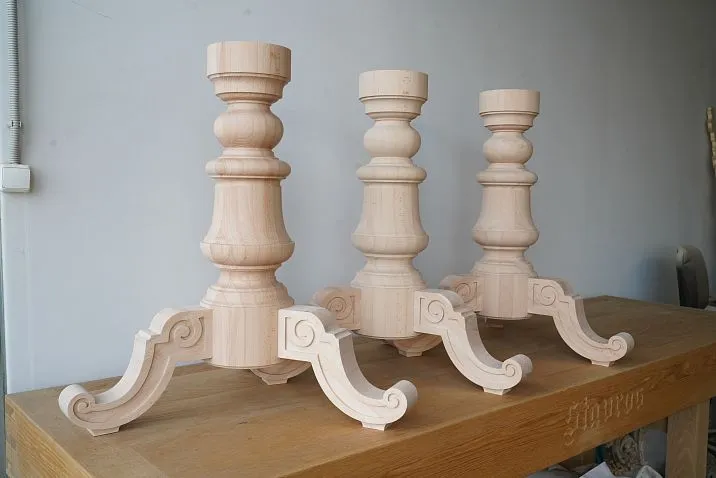
Step into any modern living room, and your gaze will inevitably fall upon the coffee table. But what makes it truly special? The secret lies in that invisible foundation which defines the character of the entire composition — the base. Coffee Table Bases have transformed from simple functional elements into true works of designer art, capable of radically changing the perception of space.
Imagine: morning coffee, your favorite book, soft light from a table lamp — and all of this on an elegant coffee table, whose base creates a special atmosphere of coziness and style. Every line, every curve of the base tells a story about the taste of the owners, their lifestyle, and their understanding of beauty. Modern coffee table bases are not just supports — they are sculptural elements that set the tone for the entire interior.


Evolution of the Coffee Table in Interior Design




From Aristocratic Salons to Modern Lofts
The history of coffee tables began in the 18th century in European aristocratic salons, where elegant ladies received guests over coffee or tea. At that time, bases were crafted exclusively by master carpenters who infused each piece with a part of their soul. Rococo-style carved legs, gilded elements, inlays of exotic woods — all of this transformed a simple table into a work of art.
The Industrial Revolution of the 19th century brought mass production, but also standardization of forms. The Victorian era gifted the world with heavy coffee tables featuring cast-iron bases adorned with floral ornaments. These pieces symbolized the stability and prosperity of the bourgeois society.
Our factory also produces:


Revolution of the 20th Century: From Art Deco to Minimalism
The 20th century became a time of experiments and revolutions in furniture design. The Art Deco era brought geometric forms, chrome surfaces, and bold material combinations. Coffee table bases acquired futuristic outlines, reflecting the spirit of technological progress.
Post-war years witnessed the birth of Scandinavian design with its principle of 'beauty in simplicity.' Coffee tables became lighter, airier, their bases acquired elegant proportions and natural wood tones. Danish and Swedish designers proved that functionality and beauty can coexist in harmony.
Get Consultation
Modern Trends: Sustainability and Individuality
The 21st century brought new challenges and opportunities. Consumer ecological awareness stimulates the use of sustainable materials and technologies. Modern Coffee Table Bases are made from recycled materials, wood from certified forests, and innovative composites.
Individualization has become a key trend. Consumers no longer want standard solutions — they seek unique items reflecting their personality and lifestyle. This has led to the revival of artisanal production, where each base is crafted according to the individual needs of the client.
Architecture of Comfort: Structural Features
Geometry of Stability
Designing a coffee table base is a complex engineering task where aesthetics must combine with flawless functionality. The center of gravity of the structure is calculated with mathematical precision to eliminate any possibility of tipping, even under uneven load.
The height of coffee tables traditionally measures 400–450 mm, corresponding to the height of a sofa seat. This proportion ensures ease of use: you can comfortably place a cup of coffee or set down a book without having to lean too low. Modern designers sometimes experiment with height, creating multi-level compositions or adjustable structures.
Load Distribution and Support Points
The support system in a coffee table base can vary: one central support, four legs at the corners, two longitudinal supports, or an asymmetrical system. Each option has its advantages and limitations.
A central support provides maximum space around the table, but requires a wide base for stability. Four legs create maximum stability but may limit furniture placement around the table. Two longitudinal supports offer a compromise, combining stability with functionality.
Innovative Structural Solutions
Modern technologies allow creating pedestals with unique structural features. Console constructions create an illusion of the tabletop floating in the air. Transformable pedestals allow changing the height or configuration of the table depending on needs.
Integrating functional elements into the pedestal structure expands the usage possibilities of the coffee table. Built-in drawers, shelves, storage systems turn a simple table into a multifunctional piece of furniture.
Material palette: from classics to innovations
Wood: the soul of nature in interior design
Natural wood remains unmatched for creating premium coffee table pedestals. Each wood species has unique characteristics affecting the appearance and performance of the finished product.
Oak symbolizes reliability and longevity. Its dense structure and pronounced texture create a sense of solidity and respectability. Oak coffee table pedestals can serve for decades, acquiring a noble patina over time.
Walnut brings notes of luxury and refinement to the interior. Its chocolate tones with golden highlights create a warm, cozy atmosphere. Walnut wood is characterized by dimensional stability and is well-suited for various finishing treatments.
Ash demonstrates modern aesthetics with its light tones and clearly defined texture. High strength and elasticity make ash an ideal material for creating elegant yet durable constructions.
Metal: industrial aesthetics
Metallic furniture frames Open up wide possibilities for creating coffee table pedestals in modern styles. Steel allows creating structures of minimal thickness with maximum strength.
Stainless steel, with its mirror finish, is ideal for high-tech interiors. Matte steel creates a softer, more refined impression. Black metal with powder coating demonstrates strength and elegance simultaneously.
Aluminum combines lightness with corrosion resistance. Anodized surfaces create interesting color effects — from silver to golden. Aluminum pedestals are especially popular for outdoor and semi-outdoor furniture.
Glass: transparency and lightness
Glass elements in the pedestal structure create a sense of weightlessness and visually expand the space. Tempered glass 12-19 mm thick has high strength and safety.
Transparent glass is universal and suits any interior. Tinted glass adds elegance and creates interesting lighting effects. Matte glass ensures privacy and softly diffuses light.
Composite Materials: Technologies of the Future
Modern composites combine the best properties of various materials. Fiberglass demonstrates record strength at minimal weight. Glass-fiber composite offers a more affordable alternative with excellent performance characteristics.
Wood-polymer composites combine the aesthetics of natural wood with the practicality of synthetic materials. They are resistant to rot, require no special maintenance, and can be used in high-humidity conditions.
Stylistic directions and trends
Scandinavian minimalism: philosophy of simplicity
Scandinavian coffee table pedestal design is based on principles of functionality, simplicity, and naturalness. Light wood species — birch, pine, spruce — create a sense of freshness and purity. Forms lack decorative excesses; every line has a functional justification.
Color palette is limited to natural tones: white, beige, light gray. Contrasts are used sparingly, creating accents without disrupting overall harmony. Textures preferably natural — untreated wood, coarse linen, natural stone.
Industrial loft: beauty in brutality
Loft aesthetics transform industrial elements into design objects. Coffee table pedestals in this style often imitate factory constructions — beams, trusses, pipes. Metallic elements are deliberately rough, weld seams are not hidden but emphasized.
Color palette is built on contrasts: black metal and light wood, rust patina and polished steel. Textures are deliberately varied — from mirror-smooth surfaces to rough metal elements.
Classic heritage: eternal values
Classic coffee table pedestals rely on time-tested proportions and shapes. Symmetry, golden ratio, traditional decorative elements create a sense of stability and respectability.
Carved elements are executed in traditional motifs — floral ornamentation, geometric patterns, architectural details. Finishing implies using noble materials — gilding, patinas, inlays.
Futuristic high-tech: technologies of tomorrow
Pedestals in high-tech style demonstrate achievements of modern technology. Complex geometric forms, non-standard materials, integration of electronics — all this creates an image of furniture of the future.
LED lighting, integrated into the pedestal structure, creates fantastic lighting effects. Touch control allows changing the table height or lighting intensity with one touch.
Functionality in Detail
Storage Systems: Order in the Details
Modern Coffee Table Bases Often integrate various storage systems. Pull-out drawers hide remote controls, charging devices, small household items. Open shelves display beautiful books, decorative objects, collections.
Hidden compartments allow wires and cables to be out of sight, maintaining visual cleanliness of the space. Special organizers help systematize storage of various items.
Mobility and Transformation
Wheels integrated into the base of the coffee table make it mobile. This is especially important for small apartments, where furniture is regularly rearranged depending on the situation.
Transformable bases allow changing the table's configuration. Sliding mechanisms expand the tabletop area, while lift mechanisms convert the coffee table into a dining table.
Technological Integration
Built-in sockets and USB ports turn the coffee table into a gadget charging station. Wireless charging devices integrated into the tabletop provide maximum convenience.
Climate control systems may include heated tabletops for winter verandas or cooling for summer terraces. Built-in speakers create a personal sound zone.
Personalization of Space
Creating Atmosphere Through Design
Choosing a coffee table base is choosing the atmosphere that will surround you daily. A massive wooden base creates a sense of stability and coziness, ideal for family evenings with a book by the fireplace.
An elegant metal base with a chrome finish highlights the dynamism of modern life, creating an atmosphere of business activity. Glass elements add lightness and airiness, visually expanding the space.
Cultural Context and Personal Preferences
Each person brings a piece of their culture and history into their home. A coffee table base can become an expression of this individuality. Ethnic motifs in carving tell about the owner's roots, while modern forms reflect their inclination toward innovation.
Collectors appreciate bases with display elements, allowing them to showcase art pieces. Technology enthusiasts choose constructions with integrated electronics.
Emotional Connection with the Object
A quality coffee table base becomes a witness to important life moments — family celebrations, friendly gatherings, quiet evenings with a favorite book. This emotional connection makes furniture not just a functional item, but part of a life story.
Materials that change over time — wood acquiring patina, metal covered with noble oxide film — create a sense of living history, making each item unique.
Technological Solutions
Modern Manufacturing Methods
Digital technologies have revolutionized furniture production. 3D modeling allows creating complex shapes with mathematical precision. CNC processing ensures perfect surface quality and dimensional accuracy.
Laser cutting opens new possibilities for creating decorative elements. Complex lace patterns, impossible with traditional processing, become reality. Robotic welding guarantees strength and aesthetics of metal joints.
Innovative Coatings and Finishes
Nanotechnologies have brought new possibilities in protective coatings. Nanostructured surfaces have self-cleaning properties, repel dirt and water. Antibacterial coatings ensure hygiene without special care.
Smart coatings can change color depending on temperature or lighting. This opens new possibilities for creating dynamic interiors that adapt to changing conditions.
Ecological Technologies
Biodegradable coatings replace traditional varnishes and paints, ensuring ecological safety. Recycling technologies allow creating bases from waste of other industries.
Solar panels integrated into the tabletop provide autonomous power for built-in devices. This is especially relevant for outdoor furniture and verandas.
Practical aspects of selection
Space and Needs Analysis
Choosing a coffee table base begins with analyzing the available space. Room dimensions, placement of other furniture, and usage intensity—all these factors influence the optimal choice.
In small rooms, preference is given to bases with transparent elements or lightweight constructions that visually do not clutter the space. Large rooms allow for the use of massive, expressive forms.
Compatibility with existing interior
The coffee table base should harmonize with the overall interior style, but does not necessarily need to exactly replicate the shapes of other furniture. Contrasting combinations can create interesting accents if they are thoughtfully and balanced.
Color palette can support the main interior palette or create contrasting accents. Textures should be varied to avoid monotony.
Budget considerations and quality
Investing in a quality coffee table base pays off with a long service life and continuous enjoyment of use. Cheap constructions often require replacement after a few years, which ultimately costs more.
When budget is limited, choose simple but well-made models. It is better to buy a modest but reliable base than an eye-catching but short-lived one.
Care and longevity
Rules of Operation
Proper use significantly extends the lifespan of the coffee table base. Avoid sudden changes in temperature and humidity, which may cause deformation of wooden elements. Optimal air humidity is 45-55%.
Do not allow prolonged exposure of wooden surfaces to direct sunlight—this may cause fading and cracking. Use coasters under hot items to avoid damaging the finish.
Regular Maintenance
Daily care includes removing dust with a soft cloth. For wooden surfaces, use special products that maintain wood moisture. Wipe metal elements with slightly damp cloth, then dry thoroughly.
Clean more thoroughly once a month using specialized products. This will help preserve the original appearance and protective properties of the finish.
Prevention and repair
Regularly check the condition of all joints and tighten fasteners as needed. This prevents play and ensures structural stability.
Minor scratches on wooden surfaces can be removed with special restorative compounds. Deep damage requires professional repair or replacement of damaged elements.
Investment value
Long-term perspective
Quality coffee table base is considered a long-term investment. Service life ranges from 15 to 30 years depending on materials and usage intensity. This makes ownership cost significantly lower compared to cheap alternatives.
Quality furniture retains its value over time, especially items by renowned designers or made using traditional techniques. Antique coffee tables often cost more than new equivalents.
Impact on property value
Quality furniture increases property attractiveness when selling or renting. Stylish, modern interiors with designer furniture allow setting higher prices.
For commercial real estate—offices, hotels, restaurants—quality furniture becomes part of the brand and influences how clients perceive the company.
Ecological responsibility
Choosing durable furniture made from eco-friendly materials is an investment in environmental protection. Quality items do not require frequent replacement, reducing pressure on natural resources.
Many manufacturers offer programs to recycle old furniture when purchasing new. This ensures proper material recycling and reduces environmental impact.
Future trends
Smart Technologies
Integrating the Internet of Things transforms coffee tables into smart devices. Motion sensors activate lighting when someone approaches. Voice recognition systems allow controlling various functions.
Artificial intelligence analyzes user habits and automatically adjusts lighting, temperature, and table height parameters. This creates a personalized environment for each family member.
Sustainable development
The trend toward eco-friendliness is growing. Manufacturers increasingly use renewable materials, implement zero-waste technologies, and develop recycling programs. Consumers are willing to pay more for environmentally responsible products.
Local production is becoming a competitive advantage, reducing the carbon footprint from transportation. Craft production is experiencing a renaissance, offering unique, personalized solutions.
Modularity and adaptability
Modular systems allow creating various configurations depending on needs. The same elements can be used to create a coffee table, desk, or dining table.
Adaptive furniture automatically adjusts to changing conditions. This is especially important for small urban apartments, where every square meter counts.
Global trends and local features
Cultural influence
Globalization leads to the blending of styles and traditions. Japanese minimalism influences European design, Scandinavian functionality adapts to Asian interiors. This creates new hybrid styles reflecting the multicultural nature of the modern world.
At the same time, interest in local traditions and crafts is growing. Consumers value authenticity and uniqueness, which stimulates the development of regional design schools.
Demographic changes
Aging populations in developed countries influence furniture design. Coffee tables become taller and more functional to ensure ease of use for people with limited mobility.
Urbanization and shrinking living spaces stimulate demand for compact, multifunctional furniture. Transformable coffee tables are becoming increasingly popular.
Economic factors
The digitization of the economy affects how furniture is sold and promoted. Virtual and augmented reality allow customers to see how a table base will look in their interior before purchasing.
The sharing economy gives rise to new business models — furniture rental, subscription-based interior updates, item exchange among users.
Conclusion: the art of living beautifully
A coffee table is more than just furniture. It is the focal point of home space, the place where important life moments occur. A quality table base transforms a simple table into a work of art capable of transforming the entire interior.
Choosing a coffee table base is choosing a lifestyle. Classic forms speak to adherence to tradition, modern forms to a desire for innovation. Natural materials create a connection with nature, high-tech materials demonstrate status and success.
In a world of mass production and disposable consumption, quality bases for tables remain islands of authenticity. Each item carries a piece of the soul of the craftsman who created it and becomes part of the family's history who acquired it.
Modern technologies open up boundless opportunities for creativity and self-expression. But above all, it remains understanding that furniture should serve the human being, making life more comfortable, beautiful, and meaningful. A properly chosen coffee table base becomes an investment in quality of life for many years.
The future of furniture design lies in the integration of tradition and innovation, ecological responsibility, and technological progress. furniture frames are becoming increasingly smart, adaptive, and eco-friendly, but unchanged remain the requirements for quality, beauty, and functionality.
The STAVROS company has been an industry benchmark for quality in producing luxury furniture for more than two decades. Our craftsmen combine centuries-old traditions with cutting-edge technologies, creating pieces that become family heirlooms. Each STAVROS table base is the result of meticulous work by a team of professionals striving for perfection in every detail. Choosing STAVROS products means investing in beauty, quality, and comfort that will delight you and your loved ones for many years. Our table supports are not just furniture, but a philosophy of life based on the understanding that true quality transcends time.