Article Contents:
- Evolution of Construction: From Function to Art
- Historical Heritage in Modern Interpretation
- Technological Breakthrough in Production
- Material Science: Foundation of Reliability and Beauty
- Solid Wood: Living Energy of Nature
- Metal Structures: Industrial Aesthetics
- Geometry of Form: Mathematics of Beauty
- Classic Proportions in Modern Execution
- Innovative Structural Solutions
- Stylistic diversity: from classic to avant-garde
- Neoclassical Elegance
- Scandinavian minimalism
- Industrial Aesthetics
- Ergonomics and Functionality: Science of Comfort
- Biomimetic Design Principles
- Adaptability to Various Needs
- Technological innovations in production
- Digital Design and 3D Modeling
- Computer Numerical Control Machines
- Ecological aspects of production
- Sustainable forestry
- Recycling and reuse
- Care and Maintenance: Preserving Original Beauty
- Preventive Measures
- Professional Restoration
- Trends in development: looking into the future
- Integration of smart technologies
- Biomimetics in Design
- Psychology of Perception: Impact on Home Atmosphere
- Emotional Impact of Form
- Social Aspects of Dining Space
- Economic aspects: investment in quality
- Long-Term Return on Investment
- Impact on property value
- Individuality in Standard: Customization Possibilities
- Design personalization
- Designer Collections
- Global Trends and Regional Characteristics
- Influence of Cultural Traditions
- Adaptation to Climatic Conditions
- Conclusion: choice that defines the atmosphere of the home
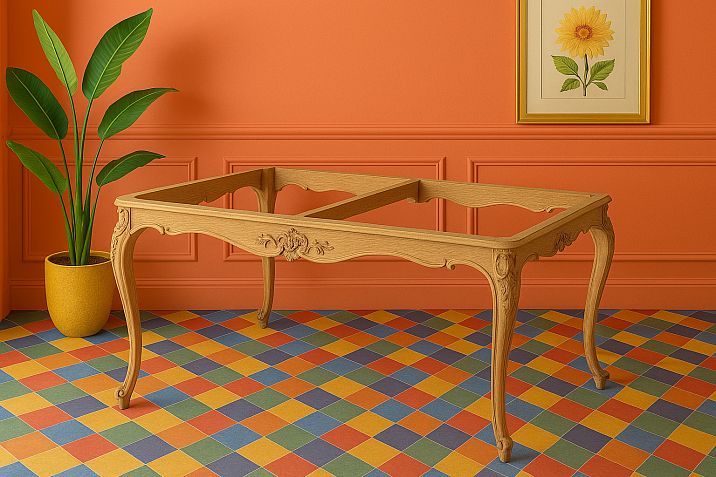
When it comes to creating the ideal dining space, many focus on choosing the tabletop, forgetting that the true magic lies in the base of the table. Dining Table Base It is not just a supporting structure, but an architectural element capable of transforming an ordinary piece of furniture into a work of art that becomes the focal point of the entire home.
In the world of modern interior design, dining table bases are experiencing a true renaissance. They have ceased to be invisible functional elements and have become striking accents capable of radically altering the perception of space. Every quality dining table base carries the philosophy of its creator, reflects the character of its owner, and demonstrates an understanding of true beauty.


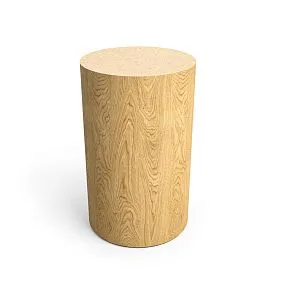
Evolution of Design: From Function to Art




Historical Heritage in Modern Interpretation
The history of dining table development spans millennia, but today we witness revolutionary changes in the approach to designing bases. Modern dining table bases combine millennia-old craftsmanship traditions with cutting-edge manufacturing technologies.
Ancient masters understood the importance of proportions and harmony. Their creations served not only practical purposes but also reflected the aesthetic ideals of their era. Today, these principles find new embodiment in innovative solutions, where every line and curve of the base is meticulously designed.
Our factory also produces:


Technological Breakthrough in Production
Modern furniture frame production has fundamentally changed the possibilities for designers and craftsmen. The use of high-precision equipment allows creating structures of incredible complexity and beauty. Each dining table base undergoes multiple quality checks, ensuring not only aesthetic perfection but also the durability of the structure.
Engineering solutions of the new generation allow creating bases that withstand significant loads while maintaining minimal visual weight. This opens boundless opportunities for realizing the most daring design ideas.
Get Consultation
Materials Science: Foundation of Reliability and Beauty
Solid Wood: Living Energy of Nature
Natural wood remains the unrivaled material for creating premium bases. Each species possesses unique characteristics that determine not only the appearance but also the performance properties of the finished product.
Oak is the king of wood species, symbolizing eternity and reliability. Oak bases are distinguished by exceptional strength and noble texture. The density of oak wood is 700-800 kg/m³, providing incredible structural stability. Oak bases can serve for decades, preserving their original beauty and functionality.
Ash demonstrates an ideal combination of strength and elasticity. Its light tone and expressive texture create a sense of lightness and airiness. The density of ash reaches 650-750 kg/m³, making it an excellent choice for creating elegant and long-lasting structures.
Walnut brings notes of luxury and refinement to interiors. Its rich palette of tones — from light brown to deep chocolate — allows creating bases of exceptional beauty. The density of walnut wood, 600-700 kg/m³, ensures an optimal balance of strength and workability.
Metallic Structures: Industrial Aesthetics
Metal bases open new horizons in dining table design. Steel, cast iron, aluminum — each material possesses unique properties and aesthetic possibilities.
Steel structures are distinguished by exceptional strength relative to their relatively low weight. Modern processing technologies allow creating bases of complex geometric forms, unattainable with other materials. Anti-corrosion coatings ensure longevity and preservation of appearance for many years.
Cast iron bases embody the traditions of industrial design. Their massiveness and solidity create a sense of reliability and stability. The possibility of artistic casting opens boundless prospects for creating unique decorative elements.
Geometry of Form: Mathematics of Beauty
Classic Proportions in Modern Execution
Creating a harmonious base is an art based on a deep understanding of proportions and mathematical principles. The golden ratio, the rule of thirds, principles of symmetry — all these concepts find practical application in furniture frame design.
The height of a dining table base is standardized in the range of 72-76 cm, ensuring comfortable positioning for people of different heights. However, within these constraints, there are numerous opportunities for creative self-expression.
Innovative Structural Solutions
Modern bases impress with a variety of structural solutions. Console constructions create a sense of tabletop levitation, as if floating in the air. Central supports maximize legroom, ensuring comfort for everyone seated at the table.
Modular systems open new possibilities for transforming space. Dining table base modular construction allows easily changing the table configuration depending on the number of guests and the nature of the event.
Stylistic diversity: from classic to avant-garde
Neo-classical elegance
Neoclassical style in base design combines traditional forms with modern materials and technologies. Smooth lines, elegant curves, meticulously crafted details create an atmosphere of refined luxury.
Characteristic features of neoclassical bases include the use of premium-grade natural materials, traditional joinery, and classical proportions. Each structural element demonstrates the highest level of craftsmanship and attention to detail.
Scandinavian minimalism
The Scandinavian approach to table leg design is characterized by functionality, simplicity of form, and the use of light-colored wood. Core principles — maximum functionality with minimal decorative elements.
Scandinavian-style pedestals feature clear geometric shapes, natural wood tones, and thoughtful ergonomics. Every detail serves a specific purpose, eliminating any excess.
Industrial Aesthetic
Industrial style introduces elements of industrial design into home interiors. Metal structures, rough textures, and contrasting material combinations create a unique urban chic atmosphere.
Pedestals in industrial style often combine metal elements with wooden inserts, creating interesting visual contrasts. Open joints, visible bolts and rivets become decorative elements, highlighting the technical perfection of the construction.
Ergonomics and functionality: the science of comfort
Biomechanical design principles
Creating a comfortable dining space requires a deep understanding of human biomechanics. A properly designed pedestal ensures optimal leg positioning, prevents fatigue, and creates conditions for prolonged comfortable seating at the table.
The distance between the pedestal legs should allow free placement of chairs and unobstructed movement for seated individuals. The minimum distance from the edge of the tabletop to the nearest pedestal element is 60 cm, allowing comfortable placement of a standard chair.
Adaptability to various needs
Modern pedestals are designed to accommodate diverse user needs. Adjustable elements allow customization of table height to individual requirements. Some models feature mechanisms for configuration changes, transforming a dining table into a work surface or gaming zone.
Technological innovations in production
Digital design and 3D modeling
Modern furniture frame production is unthinkable without the use of advanced computer technologies. Three-dimensional modeling allows visualizing the future product with photographic accuracy, foreseeing potential problems, and optimizing the design even during the planning stage.
CAD systems ensure manufacturing accuracy down to fractions of a millimeter, which is critically important for creating high-quality furniture frames. Every pedestal detail is designed with all technological requirements and operational loads in mind.
Computer Numerical Control (CNC) machines
CNC machines have revolutionized pedestal manufacturing, providing unprecedented precision and repeatability of results. Automated processing of wood and metal allows creating parts of complex geometric shapes unattainable by hand.
Laser cutting, milling, turning — all these processes are performed with computer precision, eliminating human error and ensuring perfect quality of each part.
Ecological Aspects of Production
Sustainable Forestry
Responsibility toward the environment is becoming an increasingly important factor when selecting materials for furniture production. Certified wood from managed forests ensures not only high-quality finished products but also minimal impact on ecosystems.
FSC and PEFC certification confirms that the wood originates from ecologically responsible sources. Purchasing pedestals made from certified materials is a contribution to preserving forest resources for future generations.
Recycling and reuse
Modern technologies allow significantly reducing production waste. Wood offcuts are used to manufacture smaller parts or are recycled into composite materials. Metal shavings are fully recyclable and returned to the production cycle.
Care and maintenance: preserving original beauty
Preventive measures
Proper care of a dining table pedestal ensures preservation of its aesthetic and functional qualities for many years. Regular dust cleaning, use of specialized wood or metal care products, and monitoring indoor humidity — all these measures contribute to extending the product's lifespan.
Wooden pedestals require periodic treatment with protective compounds to prevent wood drying and cracking. Metal structures require regular inspection of anti-corrosion coatings and their renewal as needed.
Professional restoration
Even with careful handling, furniture may eventually require professional intervention. Modern restoration technologies allow restoring the original appearance of the pedestal, repairing damage, and renewing protective coatings.
Qualified craftsmen can perform restoration of any complexity, from simple repainting to complete replacement of damaged structural elements.
Trends in development: looking toward the future
Integration of smart technologies
The future of furniture design is linked to integrating digital technologies into traditional interior items. Pedestals of the new generation may include wireless charging devices, built-in lighting, climate control systems, and even augmented reality elements.
These innovations not only expand furniture functionality but also open new possibilities for personalizing the user experience. Each frame pedestal can be adapted to the owner's individual preferences.
Biomimicry in design
Nature remains an inexhaustible source of inspiration for designers. Biomimetic principles are finding increasing application in designing furniture frames. Structures inspired by plant forms, animal bone tissue, or mineral formations combine aesthetic perfection with functional efficiency.
Psychology of Perception: Influence on Home Atmosphere
Emotional Impact of Form
The shape of the table base significantly influences the psychological perception of space. Rounded forms create a sense of coziness and security, angular constructions add dynamism and modernity, smooth curves introduce elegance and sophistication.
Color solutions also play an important role in forming the emotional background. Light shades visually expand space and create a sense of lightness, dark tones add solidity and respectability.
Social Aspects of Dining Space
The dining table is a place where the family gathers, guests are received, and important conversations take place. The table base plays an important role in creating an atmosphere conducive to communication and mutual understanding. A properly chosen construction ensures comfort for all participants of the meal and contributes to creating a warm, friendly atmosphere.
Economic Aspects: Investment in Quality
Long-Term Return on Investment
A quality dining table base represents a long-term investment. Initial costs for acquiring a premium item are offset by durability, minimal maintenance expenses, and preservation of aesthetic qualities over many years.
Cheap analogs require frequent replacement and constant repair, which ultimately costs more than the one-time purchase of a quality item from a reputable manufacturer.
Impact on property value
Quality furniture, including dining table baseis an important factor influencing the overall interior evaluation and property value. Professionally designed dining space with exclusive furniture significantly increases the attractiveness of the property to potential buyers.
Individuality in Standard: Customization Possibilities
Design Personalization
Modern manufacturing technologies allow creating unique bases fully matching the customer's individual preferences. From selecting wood species and surface treatment methods to developing exclusive decorative elements — every detail can be adapted to specific requirements.
The ability to choose dimensions, proportions, color solutions, and structural features makes each item a unique reflection of the owner's personality.
Designer Collections
Collaboration with renowned designers and architects allows creating designer table bases that are true works of art. Such items not only perform their primary function but also become central elements of interior composition.
Limited editions of designer works ensure exclusivity and uniqueness, which is especially valued by experienced collectors and design connoisseurs.
Global trends and regional specifics
Influence of Cultural Traditions
Different cultures have their unique approaches to furniture design and manufacturing. Japanese minimalism, Italian elegance, German functionality, Scandinavian simplicity — each tradition contributes to the global heritage of furniture art.
Modern designers skillfully combine various cultural influences, creating bases that seamlessly fit into interiors of different styles and directions.
Adaptation to Climatic Conditions
Regional climatic characteristics significantly influence the choice of materials and manufacturing technologies. High humidity, sharp temperature fluctuations, intense ultraviolet radiation — all these factors are considered when designing bases for different geographical zones.
Special protective coatings, climate-adapted wood species, corrosion-resistant metal alloys ensure the longevity of items in any climatic conditions.
Conclusion: Choice That Defines Home Atmosphere
The dining table base is much more than just a functional piece of furniture. It is the foundation upon which the atmosphere of the home is built, the place where family traditions are formed and memories are created. The right choice of the dining table base determines not only the aesthetics of the interior, but also the quality of life of its inhabitants.
In a world where technology develops at an incredible speed, the importance of quality, thoughtful design only increases. A base crafted with attention to detail, using the best materials and advanced technologies, becomes an investment in comfort and beauty of everyday life.
37.52 $ р.