Article Contents:
- Needs assessment: determining the ideal solution for your case
- Dimensional compatibility as the foundation of success
- Weight characteristics and load capacity
- Aesthetic integration into the interior
- Technological analysis: materials and their properties
- Metallic solutions: strength and durability
- Wooden structures: naturalness and aesthetics
- Composite materials: innovations in action
- Structural features: engineering solutions for maximum functionality
- Mounting systems: reliability of connections
- Adjustment mechanisms: adaptation to conditions
- Mobility systems: freedom of movement
- Specialized solutions: table bases for various types of tables
- Nightstand bases: compactness and functionality
- Coffee table bases: center of composition
- Work table bases: ergonomics and productivity
- Production technologies: quality in details
- Processing of metal components
- Processing of wooden components
- Quality control systems
- Economic aspects: investments for long-term perspective
- Cost of Ownership Analysis
- Impact on overall interior cost
- Residual value and liquidity
- Trends in development: innovations and prospects
- Integration of "smart" technologies
- Ecological innovations
- Personalization and customization
- Practical recommendations: how to avoid mistakes
- Rules for measurement and calculation
- Algorithm for selecting the optimal solution
- Mistakes to avoid
- Installation and operation: secrets of longevity
- Preparation for installation
- Assembly technology
- Rules for operation and maintenance
- Conclusion: craftsmanship proven by time
Struggling to choose the ideal base for your table? Disappointed with the quality of standard solutions? table base From professional manufacturers will radically change your perception of what a quality furniture base should be. After half a century of work in the industry, I am convinced: 90% of furniture problems are directly related to the incorrect choice of table base.
You will be surprised to learn how many technical nuances are hidden behind the apparent simplicity of a furniture base. Every millimeter, every degree of inclination, every detail of the construction affects the final result. A modern table base is a high-tech product combining advanced engineering, aesthetics, and functionality.


Needs Assessment: Determining the Ideal Solution for Your Case




Dimensional Compatibility as the Foundation of Success
The first question every buyer should ask themselves: Does the chosen base match the table's dimensions? Statistics show that 70% of returns are due to sizing errors. For tables with a diameter of 60-80 cm, the optimal base diameter is 40-50 cm. Rectangular tables measuring 120×60 cm require a base width of at least 100 cm.
Critical error — ignoring proportions. An overly massive base will make the table ungainly, while an overly delicate one will be unstable. Golden rule: the base area should be 60-70% of the tabletop area to ensure optimal stability.
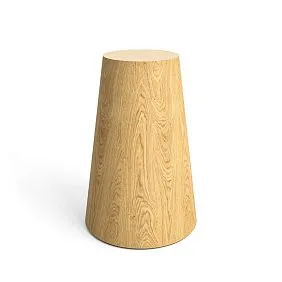
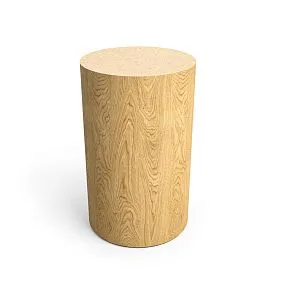
Our factory also produces:


Weight Characteristics and Load Capacity
Modern tables bear diverse loads. A bedside table withstands 15-25 kg, a coffee table — up to 40 kg, a work table — up to 80 kg. But it's not only about static load. Dynamic impacts — accidental impacts, uneven placement of items, hand support — create additional stresses.
Professional table base Calculated with a safety factor of 2.5-3.0. This means that a base designed for 30 kg can actually withstand 75-90 kg without deformation. Saving on safety margin leads to rapid wear and potential injuries.
Get Consultation
Aesthetic Integration into the Interior
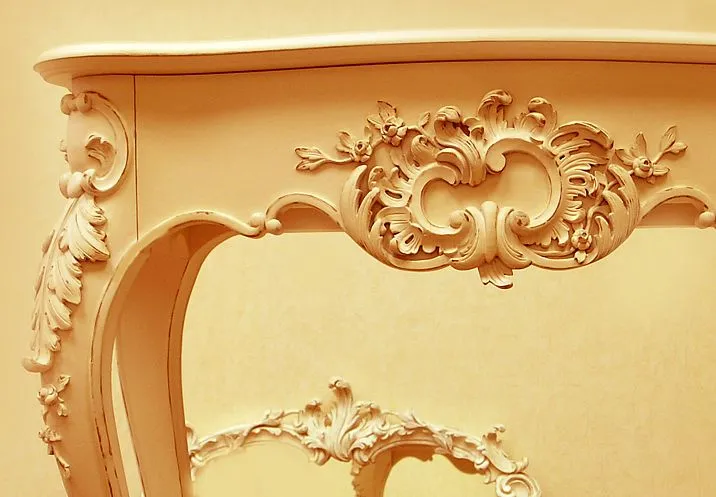
The base determines the character of the entire table. Classic forms with carved elements create an atmosphere of respectability. Minimalist metal constructions emphasize modernity. Wooden bases bring warmth and coziness.
Color solution requires special attention. Contrasting combinations create accents, harmonious ones — contribute to visual unity. Surface texture also plays a role: glossy finishes reflect light, matte finishes absorb it, creating various emotional effects.
Technological Analysis: Materials and Their Properties
Metallic solutions: strength and durability
Steel grade St3 with a strength limit of 380 MPa remains the optimal choice for most applications. Wall thickness of the profile 1.5-2.0 mm ensures necessary rigidity at a reasonable cost. Powder coating thickness of 80-120 microns guarantees corrosion protection for 15-20 years.
Stainless steel AISI 304 is recommended for humid rooms. Its corrosion resistance is 10 times higher than ordinary steel, compensating for its higher cost. Particularly effective for kitchen and bathroom tables.
Aluminum alloys series 6060 combine lightness with sufficient strength. Anodized coating creates a hard surface resistant to scratches. Ideal choice for mobile tables and rooms with frequent rearrangements.
Wooden constructions: Naturalness and Aesthetics
Oak solid wood with density 700 kg/m³ demonstrates exceptional dimensional stability. Radial shrinkage of only 4% minimizes deformation with humidity changes. Tannins in the wood composition provide natural protection against pests.
Beech with density 680 kg/m³ has a uniform structure, making it ideal for turning complex shapes. High compressive strength of 52 MPa guarantees longevity of vertical elements. Light tone universally matches various tabletops.
Ash combines oak's strength with elasticity. Its ability to withstand impact loads makes it indispensable for children's and youth tables. Distinctive texture creates interesting decorative effects.
Composite materials: innovations in action
Modern high-density MDF (750-850 kg/m³) surpasses many wood species in stability. Absence of internal stresses eliminates warping and cracking. Ability to create complex profiles expands design possibilities.
Wood-polymer composites combine wood aesthetics with plastic practicality. Water resistance up to 95% allows their use in bathrooms and kitchens. Color stability guarantees long-term appearance retention.
Constructive Features: Engineering Solutions for Maximum Functionality
Fastening Systems: Reliability of Connections
Threaded connections M6-M8 with insertion depth of 20-25 mm ensure disassemblability of the structure. Use of large-diameter washers distributes load over a larger area. Threaded sealant prevents self-loosening.
Embedded connections with metal inserts increase contact area by 3-4 times. This method is especially effective for wooden tabletops, where connection strength is limited by wood properties.
Adhesive connections using modern polyurethane adhesives create practically non-disassemblable structures. Shear strength of 12-15 MPa exceeds the strength of most base materials. Full polymerization time — 24 hours.
Adjustment Mechanisms: Adaptation to Conditions
Screw supports with ±10 mm adjustment compensate for floor unevenness up to 20 mm. Self-adjusting plastic caps prevent damage to floor coverings. Counter-nut locks the set position.
Gas struts for height-adjustable tables ensure smooth operation in a range of 150-200 mm. Load capacity 200-500 N is selected depending on tabletop weight. Service life — 25,000-30,000 cycles.
Mobility Systems: Freedom of Movement
Swivel casters with 40-50 mm polyurethane diameter ensure silent movement on all floor types. Bearing units are rated for 40-60 kg each. Locking mechanism simultaneously blocks rotation and swiveling.
Hidden guides allow embedding casters into the base structure. This preserves aesthetics while adding functionality. Caster extension is achieved via a special lever or automatically when tilting the table.
Specialized solutions: bases for various types of tables
Nightstand tables: compactness and functionality
Height of 50-60 cm ensures convenient access from a lying position. Base width of 30-40 cm provides stability while occupying minimal space. Rounded shapes eliminate risk of injury during nighttime.
Integration of drawers into the structure bases for table Increases functionality without increasing dimensions. Full-extension guides ensure access to the entire volume. Dampers guarantee silent closing.
Coffee tables: center of composition
Height of 40-45 cm corresponds to standard sofa cushion height. The ability to place stools or storage baskets under the table requires increasing clearance to 35 cm. Central support ensures maximum spatial freedom.
Transformable structures allow changing the table’s height and dimensions. A lifting mechanism converts a coffee table into a dining table. Sliding elements increase usable area by 1.5-2 times.
Work tables: ergonomics and productivity
Height of 72-76 cm ensures comfortable hand positioning during work. Working zone depth of 60 cm allows placing a monitor at optimal distance. Cable management within the base structure maintains order on the work surface.
Anti-vibration elements in the base reduce transmission of vibrations from office equipment. This is especially important for precision work and sensitive equipment. Polyurethane dampers effectively absorb vibrations in the 20-200 Hz range.
Production technologies: quality in details
Metal component processing
Laser cutting ensures accuracy of ±0.1 mm for material thickness up to 12 mm. Cut quality eliminates need for additional edge finishing. Cutting speed 2-15 m/min depending on thickness and material type.
Bending on CNC presses guarantees repeatable angles with accuracy ±0.5°. Use of special fixtures prevents profile deformation. Bend radius not less than 2 material thicknesses prevents cracking.
Gas-shielded welding ensures high-quality welds. Automatic parameter adjustment eliminates human error. Subsequent grinding and polishing create a perfectly smooth surface.
Wood component processing
Kiln drying to 8-12% humidity stabilizes wood. Controlled temperature (60-80°C) and humidity (15-25%) prevent cracking and warping. Drying time 2-4 weeks depending on species and dimensions.
CNC turning ensures ideal geometry of round parts. Dimensional accuracy ±0.05 mm guarantees quality assembly. Automatic tool change allows processing complex profiles in a single setup.
Final abrasive finishing with grit 220-400 units creates a surface ready for coating. Multi-stage processing eliminates scratches and tool marks. Dust removal ensures ideal coating adhesion.
Quality Control Systems
Incoming material inspection includes checking geometric dimensions, chemical composition, mechanical properties. Each batch is accompanied by a supplier’s quality certificate. Sampling tests confirm compliance with declared characteristics.
In-process control at every production stage prevents defective products. Measuring tools are calibrated monthly. Statistical control charts identify trends toward deviations.
Final product inspections include checking dimensions, appearance, functionality. Strength tests are conducted on special stands. Load is 2x nominal for 24 hours.
Economic aspects: investments for long-term perspective
Analysis of ownership cost
Quality bases last 15-25 years with proper use. Cheap alternatives require replacement every 3-5 years. Simple calculations show: investments in quality pay off within 7-10 years of use.
Repair costs for low-quality bases often exceed the price of a new item. Welding cracked seams, replacing worn mechanisms, restoring coatings — all require significant time and financial investment.
Impact on overall interior cost
Quality furniture frames Enhance the status of the entire space. This is especially important for commercial spaces, where appearance affects brand perception. Investments in quality furniture pay off through increased customer loyalty.
Using different tops with a single base reduces overall interior renovation costs. Replacing only the top costs 2-3 times less than buying a new table.
Residual value and liquidity
Quality furniture retains value when resold. Well-known manufacturers and tested materials guarantee stable pricing on the secondary market. Handcrafted antique bases may cost more than modern equivalents.
Documenting quality — certificates, warranty cards, service history — increases the liquidity of items. Buyers are willing to pay more for quality confirmed by documentation.
Trends in development: innovations and prospects
Integration of "smart" technologies
Load sensors in the base warn of exceeding the allowable weight. The monitoring system transmits data to a smartphone or tablet. Alerts help prevent damage and extend service life.
Automatic height adjustment according to a preset program optimizes the ergonomics of workstations. The system remembers user preferences and automatically adjusts when they approach. Smooth transitions eliminate discomfort.
Wireless charging built into the base turns the table into a charging station. Inductive coils are placed under the top, without compromising aesthetics. Charging power of 5-15 W ensures powering most mobile devices.
Ecological Innovations
Using recycled materials reduces the environmental footprint of production. Aluminum alloys containing up to 90% recycled metal retain all operational properties. Composites based on recycled wood do not fall short in quality compared to primary materials.
Biodegradable coatings replace traditional varnishes and paints. Plant oils and waxes provide protection while ensuring full ecological safety. Decomposition time in soil is 2-3 years versus 50-100 years for synthetic materials.
Energy-efficient production technologies reduce electricity consumption by 30-40%. Heat recovery, LED lighting, frequency converters — a comprehensive approach to energy savings.
Personalization and Customization
3D modeling allows clients to create unique base designs. Virtual reality enables viewing the result in the interior before manufacturing. Changes are made in real time.
Additive technologies — 3D printing with metal and plastic — make it economically viable to produce single units. Complex shapes previously inaccessible through traditional methods become feasible.
Modular systems allow combining different elements according to needs. Standardized connections ensure compatibility of components from different manufacturers.
Practical recommendations: how to avoid mistakes
Rules for measurement and calculation
The top is measured at extreme points, taking into account all protruding elements. For tops with complex shapes, the bounding rectangle is determined. Thickness is considered when calculating the height of mounting elements.
The weight of the top is calculated by the formula: volume × material density. For wood, density is 400-800 kg/m³, for stone 2200-2800 kg/m³, for glass 2500 kg/m³. Operational load is added to the calculated weight.
The center of gravity is determined for tops with irregular shapes. A shift of the center of gravity from the geometric center requires adjusting the base position or reinforcing it.
Algorithm for selecting the optimal solution
Defining the functional purpose of the table affects all other parameters. Decorative tables require minimal strength, work tables — maximum. Mobile tables require a lightweight base, stationary ones — a stable one.
Analysis of operating conditions includes assessing temperature-humidity regime, intensity of use, nature of loads. Aggressive conditions require special materials and coatings.
Stylistic compatibility with the interior determines the choice of materials, colors, and forms. Contrasting solutions create accents, harmonious ones — support the overall concept. The perspective of interior changes is considered.
First mistake - unstructured mixing. A classic chair, loft table, Scandinavian chest, and minimalist cabinet in one room is not eclecticism, but visual chaos. Each item draws attention to itself, not creating cohesion. A system, logic, unifying idea is needed. Choose one dominant style, add a second as an addition, and possibly a third as an accent. But no more than three, and all should have something in common - color, material, era, or functionality.
Underestimating loads is a common cause of premature failure. Calculating only the weight of the top without considering operational loads leads to deformations and breakages. The safety factor must be at least 2.
Ignoring the characteristics of the top material affects the choice of fasteners. Glass requires soft gaskets, stone — reinforced fasteners, wood — compensation for thermal deformation.
Saving on the quality of connecting elements negates the advantages of a quality base. Cheap fasteners wear out quickly, creating play and instability in the entire structure.
Installation and operation: secrets of longevity
Pre-installation preparation
Checking the completeness of delivery prevents delays during installation. Comparing with the packing list reveals shortages. Visual inspection of parts detects transportation damage.
Tool preparation includes calibrating measuring instruments and checking the condition of cutting elements. Quality tools are essential for accurate installation. Using damaged tools may damage expensive parts.
Marking the installation location is done with ±1 mm accuracy. Using laser levels speeds up the process and increases precision. Diagonal measurements confirm the accuracy of marking.
Assembly Technology
The sequence of operations is determined by the base's construction. First, the most rigid joints are assembled, then adjustable elements are added. Final tightening of threaded connections is performed after full assembly.
Geometry control at each stage prevents the accumulation of errors. Deviations are corrected immediately, without waiting for assembly completion. Final inspection includes measuring all critical dimensions.
Adjustment of movable mechanisms is performed under load. Adjustment elements are set according to the weight of the countertop and anticipated operational load. Lubrication is applied according to the manufacturer's instructions.
Rules for operation and maintenance
Regular cleaning extends the service life of all components. Abrasive agents damage decorative finishes. Wet cleaning must be followed by drying thoroughly to prevent corrosion.
Periodic checking of threaded connections prevents play development. Loose connections are tightened with controlled force. Excessive tightening may damage threads or strip fasteners.
Lubrication of moving parts is performed according to the maintenance schedule. Using inappropriate lubricants may disrupt mechanism operation. Old lubricant is removed before applying new lubricant.
Conclusion: craftsmanship, proven over time
Choice of quality bases for table Determines not only the appearance of furniture but also its comfort of use for many years. Every detail, every technical solution affects the final result. Investments in quality bases pay off multiple times through durability, reliability, and aesthetic appeal.
Modern technologies allow creating pedestals that combine traditional craftsmanship with innovative solutions. But the main thing remains understanding that furniture must serve people, creating comfort and joy from daily use.
Correctly chosen base for table becomes an invisible helper, reliably supporting your daily life. Quality materials, thoughtful construction, precise manufacturing — all this guarantees that your table will serve faithfully for many years.
The future of furniture design lies in the integration of functionality, beauty, and technological innovations. table supports Becoming increasingly sophisticated, but unchanged remain the requirements for quality, reliability, and aesthetics.
STAVROS Company has been a benchmark of quality in the production of luxury furniture for more than twenty years. Our craftsmen create not just furniture bases, but works of engineering art capable of transforming any interior. Every STAVROS product embodies the best traditions of furniture craftsmanship, combined with advanced technologies and innovative materials. We understand that quality furniture is an investment in the future, and therefore each of our products is designed for many years of flawless service. Choosing STAVROS, you choose not just furniture — you choose reliability, beauty, and comfort that will delight you every day.