Article Contents:
- The Soul of Wood: Emotional Impact of Natural Materials
- Psychology of Wood Perception
- Tactile sensations
- Anatomy of perfection: constructive features
- Architecture of the Wooden Pedestal
- Knots and Joints
- Wood species: character in every fiber
- Oak: king among trees
- Walnut: Luxury in Every Detail
- Ash: Energy and Dynamism
- Beech: Classicism and Reliability
- Processing Technologies: From Rough Cut to Masterpiece
- Wood drying
- Mechanical processing
- Protective Treatment
- Stylistic solutions: From classic to modern
- Classic Forms
- Modern minimalism
- Loft and Industrial Style
- Ergonomics and functionality
- Anthropometric parameters
- Load Distribution
- Durability of the structure
- Production Aspects
- Quality Control
- Process Standardization
- Ecological Aspects
- Selection Criteria: Personal Approach
- Defining needs
- Stylistic compatibility
- Budget considerations
- Operation and Maintenance
- Usage Rules
- Preventive care
- Restoration and renovation
- Trends and Prospects
- Ecological trends
- Technological Innovations
- Economic Aspects of Using Picture Frame Molding
- Social aspects
- Cultural Significance
- Psychological Aspects
- Economic efficiency
- Cost analysis
- Impact on property value
- International standards
- Quality Requirements
- Ecological certification
- Regional Characteristics
- Climate factors
- Cultural preferences
- Conclusion: A Choice Proven by Time
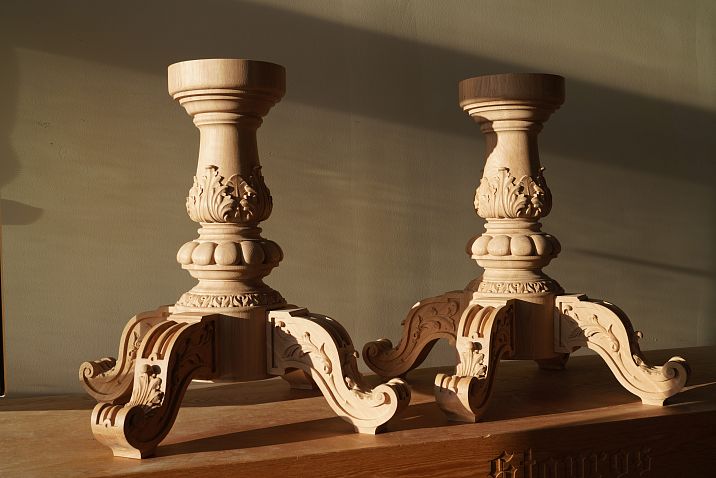
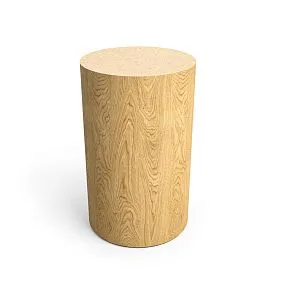
There is something magical in how wooden base it transforms the space around it. Touch the warm surface of oak, feel the energy of living material, hear the quiet whisper of growth rings — and you will understand that this is not just furniture. It is a connection with nature, embodied in perfect forms. Every fiber of wood tells the story of sunny days and rainy nights, every shade speaks of the time that turned a simple tree into a work of art.
In our fast-paced world of plastic and metal, wooden pedestals become islands of authenticity. They remind us that true beauty does not shout — it whispers, but this whisper is heard for decades. A wooden pedestal is not just a support for a tabletop — it is a philosophy of life, where quality matters more than quantity, where every detail matters.


The Soul of Wood: Emotional Impact of Natural Materials




Psychology of Wood Perception
Why, looking at a wooden pedestal, do we feel calm? Science has long proven that natural wood reduces stress levels, normalizes blood pressure, and even improves concentration. But it’s not just about scientific facts — there is something deeper, more primal in our perception of wood.
Every wooden pedestal emits a unique energy. The warm tones of walnut create an atmosphere of coziness and security. The light tones of birch fill space with joy and optimism. The noble patina of oak speaks of stability and reliability. This is not just aesthetic effect — it is deep psychological impact that shapes our mood and well-being.
Our factory also produces:


Tactile sensations
Touching a wooden surface is a special ritual. Under the fingers, you feel a living texture, a unique pattern of fibers, a gentle roughness that speaks of the material’s naturalness. Every touch is contact with nature, an opportunity to feel part of a larger world.
The temperature of a wooden surface is always comfortable for humans. In winter, it does not cool, in summer it does not heat up to unpleasant sensations. This property makes wooden pedestals ideal for creating a comfortable atmosphere throughout the year.
Get Consultation
Anatomy of perfection: constructive features
Architecture of the Wooden Pedestal
A wooden pedestal is a complex engineering structure, where each element performs a specific function. The central support takes on the main load, evenly distributing it to the base. The fastening system ensures secure connection with the tabletop, eliminating play and deformation.
The base of a pedestal can have various configurations: from classic round to complex polygonal shapes. The diameter of the base is calculated based on the size of the tabletop and planned loads. For tables with a 120 cm diameter, the optimal base diameter is 60-70 cm, ensuring ideal stability while preserving the elegance of proportions.
Knots and Joints
The quality of a wooden pedestal is determined not only by the type of wood but also by the technology of joining elements. Traditional joinery — mortise and tenon, dovetail, glued joints — have been tested over centuries of use. Modern technologies add mechanical fasteners to traditional methods, providing additional reliability.
Special attention is paid to the attachment of the pedestal to the tabletop. The mounting system must provide rigid fixation while allowing for compensation of thermal deformations. Wood is a living material that reacts to changes in humidity and temperature, and the construction must account for these properties.
Wood Species: Character in Every Fiber
Oak: king among trees
Oak pedestals symbolize strength, reliability, and nobility. The density of oak wood reaches 700 kg/m³, making it one of the strongest among deciduous species. Tannins present in oak provide it with natural resistance to decay and pests.
The color range of oak varies from light beige to dark brown. The pronounced texture with distinct growth rings creates a unique pattern on every item. Oak wooden base can serve for centuries, becoming more beautiful and acquiring a noble patina over time.
Walnut: luxury in every detail
Walnut wood is considered an elite material for furniture manufacturing. Its density is 600-650 kg/m³, providing strength while maintaining relatively low weight. The color of walnut ranges from light brown to dark chocolate with characteristic darker veins.
Walnut is distinguished by exceptional dimensional stability — it is less prone to warping and cracking compared to other species. This feature makes walnut pedestals ideal for rooms with variable microclimates.
Ash: energy and dynamism
Ash wood possesses a unique combination of strength and elasticity. The density of ash reaches 680 kg/m³, and the material is easy to work with, allowing for complex curved shapes. The light color with pronounced texture makes ash pedestals ideal for modern interiors.
Ash readily accepts staining, allowing for various color effects. From natural light tones to deep wenge — the range of possibilities is virtually limitless.
Beech: classic and reliable
Beech wood is characterized by uniform structure and a pleasant pinkish hue. The density of beech is 650-670 kg/m³, providing excellent strength properties. Its fine-grained structure allows for achieving an ideal smooth surface.
Beech is well-suited for all types of processing — from carving to bending. This feature makes it a popular material for manufacturing pedestals with complex shapes.
Processing technologies: from rough cut to masterpiece
Wood Drying
The quality of wooden pedestals begins with proper wood drying. Natural drying takes 6 months to 2 years depending on species and thickness of the blanks. Wood is stacked with spacers to ensure even air circulation.
Kiln drying reduces the time to 2-4 weeks with precise control of temperature and humidity. The final moisture content of wood for furniture should be 8-12%. Exceeding this level may lead to deformations during use.
Mechanical processing
Modern woodworking machines allow achieving the highest precision in processing. Milling forms complex profiles and decorative elements. Turning creates perfectly round cross-sections of support elements.
Special attention is paid to surface quality. Sequential sanding with abrasives of different grits — from 120 to 400 — ensures ideal smoothness. Final finishing with sanding discs of 400-600 grit creates a surface ready for protective coatings.
Protective treatment
Wood requires protection from moisture, dirt, and mechanical damage. Modern technologies offer a wide range of protective coatings — from traditional oils and waxes to modern polyurethane varnishes.
Oil impregnation deeply penetrates the wood, highlighting its natural texture. The surface remains breathable yet protected from moisture. Wax coatings create a silky sheen and pleasant tactile sensations.
Varnish coatings form a strong protective film that reliably protects wood from all types of exposure. Modern varnishes provide high wear resistance while preserving the natural appearance of the wood.
Stylistic Solutions: From Classic to Modern
Classic Forms
Classic wooden pedestals rely on proportions proven over centuries. Columns with capitals and bases, turned balusters, carved elements — all of this creates an atmosphere of nobility and respectability. Decorative elements are applied with particular care, enhancing rather than obscuring the beauty of the material.
The proportions of classic pedestals are based on the principles of the golden ratio. The height of the central support relates to the diameter of the base as 1.618:1. This proportion creates visual harmony and compositional stability.
Modern minimalism
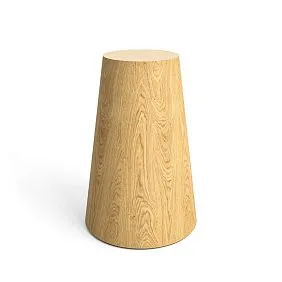
Minimalist wooden pedestals are characterized by extreme simplicity of form. Simple geometric volumes, absence of decorative elements, emphasis on the natural beauty of the material — these are the principles of modern design.
The color palette is limited to natural wood tones. Matte finishes eliminate glare and create a calm atmosphere. Every line is functional, and each element has technical justification.
Loft and industrial style
Wooden pedestals in the loft style combine rough processing with modern forms. Intentionally visible tool marks, contrasting combinations of light and dark wood, metallic elements — all of this creates a distinctive industrial aesthetic.
The color palette leans toward natural tones with possible contrasting accents. Patination and artificial aging add authenticity and depth of perception.
Ergonomics and Functionality
Anthropometric Parameters
A properly designed wooden pedestal takes into account the characteristics of the human body. The standard height of a dining table is 720-750 mm, corresponding to the height of most people. For tall individuals (height over 180 cm), the optimal height is 760-780 mm.
The diameter of the central support should not exceed 150-200 mm to avoid hindering leg placement. The base should be wide enough for stability, but not so wide as to create obstacles when walking around the table.
Load distribution
The wooden base must withstand not only the weight of the tabletop but also all operational loads. The calculated load for household tables is 80-120 kg/m², for commercial tables — 150-200 kg/m².
Special attention is given to resistance against tipping. The center of gravity of the system must be located strictly above the center of the base. To increase stability, the base may be weighted with metal elements or expanded in diameter.
Structural durability
Quality wooden base Designed for decades of use. All connections are made with a safety margin, accounting for possible overloads and non-standard operating conditions.
Modular construction allows replacing individual elements as needed without full disassembly. This is especially important for commercial facilities, where downtime is unacceptable.
Production aspects
Quality control
Each stage of wooden base production is accompanied by strict quality control. Incoming inspection verifies compliance of wood with technical requirements regarding moisture content, density, and absence of defects.
Operational control monitors processing accuracy, connection quality, and dimensional conformity. Final control includes strength tests, visual inspection, and functional tests.
Standardization of processes
Modern production of wooden bases is based on standardized processes. Process sheets define the sequence of operations, processing parameters, and quality requirements. This ensures stable characteristics and eliminates the influence of human factors.
Quality management system according to ISO 9001 standards guarantees compliance with international requirements. Regular audits and process monitoring maintain a high level of quality.
Ecological aspects
Wooden base production must comply with modern ecological standards. Use of wood from certified forests ensures resource sustainability. Waste-free technologies minimize environmental impact.
Ecologically clean coatings exclude emission of harmful substances. Certification according to environmental safety standards confirms product safety for human health.
Selection criteria: personalized approach
Defining Needs
Choosing a wooden base begins with clearly defining needs. Tabletop size, usage characteristics, interior style — all these factors influence the selection of a specific model. For round tables up to 120 cm in diameter, a central support is sufficient; larger sizes may require additional support points.
Usage intensity determines requirements for strength and durability. Household tables are used in a gentle mode, while commercial tables require maximum reliability.
Stylistic compatibility
The wooden base must harmonize with the overall interior style. Classic interiors require traditional forms and finishes, while modern interiors allow for design experimentation. Wood color may contrast with other furniture elements or complement the overall color scheme.
Room size influences the choice of base proportions. In large rooms, massive constructions are appropriate, while in small rooms, elegant and airy designs are suitable.
Budget considerations
The cost of a wooden base depends on many factors: wood species, processing complexity, production volume. Premium species (walnut, oak) are more expensive than mass-market ones (beech, ash), but offer higher quality and durability.
Custom manufacturing is more expensive than mass production, but allows obtaining a product perfectly matching specific requirements.
Operation and Maintenance
Rules of Operation
Wooden base requires careful handling and adherence to operating rules. Avoid sudden temperature and humidity changes, which may cause deformation. Optimal air humidity is 45-55%, temperature — 18-22°C.
Do not allow large amounts of water to reach the wooden surface. Accidental spills should be immediately wiped with a dry cloth. For regular cleaning, use a slightly damp cloth, avoiding abrasive cleaning agents.
Preventive Care
Regular maintenance extends the service life of the wooden base and preserves its original appearance. Weekly dry cleaning removes dust and minor dirt. Monthly wet cleaning using specialized wood care products maintains the finish in good condition.
It is recommended to inspect all connections every six months and tighten fasteners if necessary. This prevents play development and ensures structural stability.
Restoration and restoration
Over time, the wooden base may require restoration. Minor scratches and scuffs are removed by local sanding and reapplying the finish. Deep damage requires more serious intervention, including partial or full replacement of damaged elements.
Professional restoration can restore the base to its original appearance and extend its service life for decades. Modern technologies allow restoring even severely damaged items.
Trends and prospects
Ecological trends
Growing ecological awareness stimulates demand for eco-friendly materials and technologies. Certified wood, eco-friendly coatings, and waste-free production technologies are becoming industry standards.
The trend toward sustainable development influences the design of wooden bases. Preference is given to simple forms minimizing material use and universal solutions suitable for various interior styles.
Technological Innovations
Modern technologies open new possibilities in wood processing. Laser cutting allows creating complex decorative elements, 3D milling — volumetric forms inaccessible by traditional methods.
Integration of electronic systems transforms wooden bases into smart furniture. Humidity sensors monitor the condition of the wood, heating systems ensure comfort during cold seasons.
Personalization and customization
Consumers increasingly seek unique solutions that reflect their individuality. bases for tables Made according to individual projects, taking into account specific requirements and client preferences.
Customization options include selection of wood species, treatment type, decorative elements, and dimensions. Modern technologies allow to realize almost any customer's idea.
Social aspects
Cultural significance
Wooden furniture has deep cultural significance in various societies. In many cultures, wood symbolizes life, growth, and stability. Wooden bases become centers of family life, places where important events occur.
Furniture craftsmanship traditions are passed down from generation to generation, preserving cultural heritage. Modern masters continue these traditions, adapting them to contemporary conditions.
Psychological aspects
Wooden furniture positively affects people's psychological state. Natural materials create a sense of safety and comfort, reducing stress levels. This is especially important in the context of modern urban lifestyles.
Tactile contact with wooden surfaces activates sensory receptors, promoting relaxation. This effect is used therapeutically in medical and social institutions.
Economic Efficiency
Cost analysis
A wooden base represents a long-term investment. High initial cost is offset by long service life and minimal maintenance expenses. A quality item may last 30-50 years with proper care.
Comparison with alternative materials shows wood's advantages in the long term. Metal and plastic constructions may be cheaper initially but require more frequent replacement.
Impact on property value
Quality wooden furniture increases property attractiveness. Expert evaluations show that presence of luxury furniture may increase property value by 5-15%. This is especially relevant for commercial real estate.
Investments in quality furniture pay off not only through direct use but also through increased asset value. This makes purchasing wooden bases not only practical but also economically advantageous.
International Standards
Quality requirements
International standards define quality requirements for wooden furniture. ISO 9001 regulates quality management systems, ISO 14001 — environmental management. Compliance with these standards guarantees high product quality.
European standards EN define technical requirements for furniture: strength, durability, safety. Certification according to these standards opens access to European markets and increases product competitiveness.
Ecological Certification
FSC (Forest Stewardship Council) certification confirms that wood originates from sustainably managed forests. This is important for environmentally conscious consumers and companies implementing corporate social responsibility programs.
PEFC (Programme for the Endorsement of Forest Certification) is another certification system guaranteeing sustainable forestry. Presence of such certificates becomes a competitive advantage on the international market.
Regional characteristics
Climate factors
Different climatic conditions influence the choice of wood species and processing technology. In high humidity conditions, wood species with natural resistance to decay are preferred. In dry climates, dimensional stability of wood is crucial.
Seasonal fluctuations in humidity and temperature require special measures to stabilize wood. Proper drying and treatment with protective coatings minimize the impact of climatic factors.
Cultural preferences
Different cultures have their own preferences regarding wood species and furniture design. Asian cultures value light-colored woods, European cultures — dark and dense ones. These preferences influence design and production technology.
Understanding cultural specifics is crucial for successfully entering international markets. Adapting products to local preferences increases their commercial appeal.
Conclusion: a choice proven by time
A wooden base is not just a furniture element — it is a manifestation of eternal values in the modern world. Each item carries the warmth of human hands, the wisdom of nature, and beauty that transcends time. When we choose wood, we choose a connection with nature, quality proven over centuries, and beauty that will delight not just one generation.
In a modern world where everything becomes temporary and disposable, wooden bases remain symbols of constancy and reliability. They create an atmosphere of coziness and comfort, turning ordinary meals into special events, workdays into creative processes.
Choosing wooden table baseWe invest in the future — our own and our loved ones'. This investment in quality of life will pay off many times over through years of use. Every day spent at a table on a quality wooden base reminds us of the correctness of our choice.
Modern technologies allow for creating furniture frameswhich combine traditional craftsmanship with innovative solutions. Each item becomes a result of the symbiosis of human experience and technological possibilities, creating a product that surpasses all expectations.
Wood lives its own life even after becoming furniture. It continues to breathe, react to its environment, and change over time. This vitality makes every wooden base unique and irreplaceable. There are no two identical items — each has its own character, its own individuality.
For more than twenty years, the company STAVROS has created exceptional furniture that becomes the foundation for a comfortable and beautiful life. Our table supports embodiment of the best traditions of furniture art, combined with modern technologies and innovative solutions. Each STAVROS product undergoes careful material selection, precision processing, and multi-stage quality control. Choosing STAVROS, you are not just choosing furniture — you are choosing a philosophy of quality that will serve you for many years, creating the foundation for happy moments and important events in your life.