Article Contents:
- Architectural philosophy of flat balusters
- Psychology of perceiving flat forms
- Wood science: choosing wood for longevity
- Hardwood Species: Nobility and Refinement
- Manufacturing technologies: from traditions to innovations
- Handcrafted work: the soul of the item
- Stylistic directions in design
- Ethnic and regional styles
- Technical requirements and regulations
- Features of mounting flat balusters
- Process of selection and ordering
- Working with the supplier
- Installation and mounting
- Finishing Work
- Maintenance and operation
- Preventive Measures
- Economic aspects of purchase
- Long-Term Economic Efficiency
- Trends and Innovations
- Technological Innovations
- Conclusion
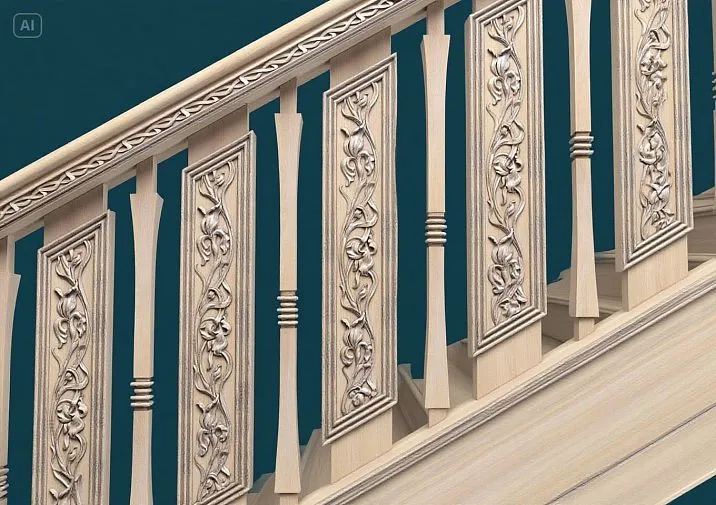
Imagine a staircase that doesn't just connect floors, but tells a story. Each step leads you through a gallery of elegance, where the main characters are flat balusters — elements capable of transforming an ordinary structure into a work of architectural art. When you decide flat wooden balusters to buyyou invest not only in functionality, but also in beauty that will delight the eye for decades.
In the world of modern architecture, flat wooden balusters occupy a special place. They embody the best traditions of Russian architecture, adapted to modern safety and aesthetic requirements. These elements do not merely support handrails — they create rhythm, form the character of space, and become an indispensable part of interior composition.
Choosing flat balusters is an art requiring understanding of materials, styles, and technologies. Each type of wood has its own character, each pattern carries a certain energy, and each processing technology affects the final result. The right choice turns the staircase into the central element of the house, the wrong one — into a source of disappointment.




Architectural philosophy of flat balusters
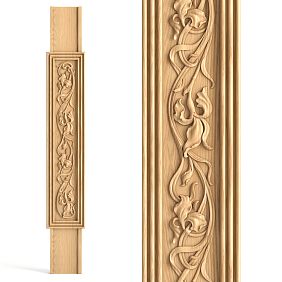
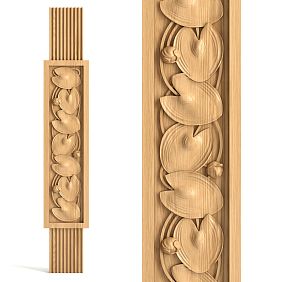
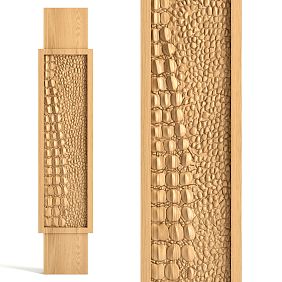
Flat balusters are not simply a simplified version of round counterparts. They are an independent architectural solution with deep historical roots and contemporary relevance. Unlike volumetric elements, flat balusters create a unique play of light and shadow, form rhythmic compositions, and allow for the realization of the most daring design ideas.
The historical legacy of flat balusters traces back to traditions of Russian wooden architecture. Our ancestors used flat carved elements to decorate houses, creating unique ornaments that not only pleased the eye but also carried symbolic meaning. Each pattern had its own significance: protection from evil spirits, wishes for prosperity, symbols of fertility.
Modern interpretation of flat balusters maintains a connection with traditions but adapts to the requirements of modern life. Today, these elements must not only be beautiful but also comply with strict safety norms, be convenient to use and maintain, and harmoniously fit into modern interiors.
The aesthetic function of flat balusters lies in their ability to create visual effects unavailable to other types of railings. Positioned closely together, they form a continuous decorative surface, where each element is part of the overall composition. This allows for creating complex ornaments that tell entire stories.




Psychology of perceiving flat forms
The visual lightness of flat balusters creates a sense of airiness in the structure. Unlike bulky round elements, flat balusters do not clutter space, allowing light to freely pass through the railing. This is especially important in small rooms, where each element must contribute to expanding the space.
The rhythmic composition is achieved through repeating elements, creating a musical rhythm in architecture. The human eye perceives such a composition as harmonious and calming. A properly chosen rhythm can visually alter the proportions of a room, making it appear taller or wider.
Tactile sensations from flat balusters differ from those experienced with round elements. The flat surface provides more contact area with the hand, creating a sense of stability and reliability. This is especially important for people with disabilities who rely on the railing during movement.
Our factory also produces:



Wood science: choosing wood for longevity
Choosing a wood species for flat balusters is a compromise between aesthetic preferences, technical requirements, and economic possibilities. Each species has unique characteristics that determine its application area and processing methods.
Spruce remains the most popular material for manufacturing flat balusters due to the optimal price-to-quality ratio. This coniferous species has sufficient strength to create reliable railings, is easy to process, and has a pleasant natural aroma. The resinous structure of spruce provides natural protection against moisture and biological damage.
Features of spruce balusters include ease of processing, allowing for the creation of complex carved elements without significant costs. The light color of the wood is versatile and suitable for most interior solutions. With proper treatment using protective compounds, spruce balusters can last for decades, retaining their original appearance.
Larch is a premium option among coniferous species. Its unique properties — high density, natural resistance to moisture and biological damage — make larch balusters an ideal choice for humid environments and outdoor use. The attractive reddish hue of larch gives products a special warmth.
Get Consultation
Deciduous species: nobility and refinement
Oak is the king among materials for balusters. Its exceptional hardness, beautiful texture, and ability to develop a noble patina over time make oak balusters family heirlooms. High content of tannins provides natural protection against moisture and pests.
Flat oak balusters require more complex processing due to the hardness of the material, but the result exceeds all expectations. They can withstand significant loads and serve for centuries. The rich texture of oak, especially in carved elements, looks particularly striking, where every detail is emphasized by the natural wood grain.
Ash combines the strength of oak with a more affordable price. Its light-colored wood with contrasting texture creates a modern, dynamic look. Ash balusters are especially popular in Scandinavian interior style, where the natural beauty of the material is valued without excessive decoration.
Birch is a traditional material for Russian craftsmen. Its uniform structure and light color make birch balusters versatile for various styles. Birch is easily stained, allowing it to imitate more expensive species or create unique color solutions.
Manufacturing technologies: from traditions to innovations
Modern production of flat balusters combines traditional handcraft methods with innovative technologies. This synthesis allows creating high-quality items while preserving the uniqueness and artistic value of each element.
CNC milling has revolutionized the production of flat balusters. Computer control enables creating complex ornaments with jewel-like precision, reproducing the finest details of the pattern. Modern multi-axis milling centers can process the blank from any side, creating three-dimensional compositions.
Advantages of CNC technology include absolute repeatability of items, the ability to create complex shapes, and high productivity. This is especially important when manufacturing large batches of balusters, where each element must precisely match the others.
Laser cutting is used to create especially thin and delicate elements. The laser beam can cut wood with precision down to fractions of a millimeter, creating intricate compositions of remarkable beauty. This technology allows realizing the most daring design ideas in wood.
Handcrafted: the soul of the item
Artistic carving remains the pinnacle of craftsmanship in creating flat balusters. An experienced carver can create a work of art where every detail is thoughtfully designed and refined. Handcrafting allows achieving an artistic expressiveness that machines cannot replicate.
Combined technologies combine the advantages of machine and hand processing. The basic shape is created on machines, ensuring dimensional accuracy and repeatability of elements. Then, the master carver manually refines details, giving the item individuality and artistic expressiveness.
Final finishing includes careful sanding of all surfaces, rounding sharp edges, and preparing for application of protective-decorative coatings. The quality of final finishing largely determines the appearance and durability of the finished item.
Stylistic directions in design
The world of flat balusters is amazed by the diversity of stylistic solutions. From strict classicism to bold avant-garde — each direction offers unique opportunities for creative self-expression.
Russian traditional style is characterized by the use of national ornaments and symbols. Traditional motifs — floral patterns, geometric ornaments, stylized images of animals and birds — create a unique atmosphere of a Russian home. Such balusters are especially effective in wooden houses and interiors in the country style.
Classic European style implies the use of canonical forms and proportions. Symmetrical compositions, strict geometry, restrained ornamentation — all this characterizes classic flat balusters. They are ideally suited for interiors in the classical, Empire, and neoclassical styles.
Modern minimalism values simplicity and functionality. Minimalist flat balusters have concise forms, clear lines, minimal decorative elements. They highlight the beauty of the material and craftsmanship quality, without distracting with unnecessary details.
Ethnic and regional styles
Scandinavian style prefers light wood species and simple, functional forms. Scandinavian flat balusters are characterized by minimalism and naturalness, creating a sense of coziness and closeness to nature. Especially popular are birch and pine items with minimal processing.
Provence brings French elegance and romance to baluster design. Delicate floral motifs, pastel tones, artificial aging — all this creates an atmosphere of French countryside. Such balusters are especially effective in country houses and dacha interiors.
Modern style is characterized by smooth, curved lines and natural motifs. Balusters in the modern style can imitate plant stems, waves, and other natural forms. This style allows creating truly unique and memorable compositions.
Technical requirements and standards
When choosing flat balusters, one must consider not only aesthetic preferences but also technical requirements that ensure the safety and durability of the structure. These requirements are regulated by building codes and standards.
The height of the railing is one of the key safety parameters. For staircases in residential buildings, the minimum railing height should be 900 mm, for public buildings — 1100 mm. These requirements ensure reliable protection against accidental falls.
The distance between balusters should not exceed 120 mm in clear span to prevent children from slipping. When using flat balusters, this distance can be minimal, as they are often installed closely together, forming a continuous railing.
The structure must withstand a horizontal load of at least 100 kg/m without destruction or residual deformation. Flat balusters must be securely fastened both to the base and to the upper handrails.
Features of mounting flat balusters
The lower mounting of flat balusters can be done in various ways depending on the staircase construction. The most common method is installing into a special dado groove in the baluster holder, which is mounted to the treads or stringers of the staircase.
Upper mounting to the handrail also has its features. Flat balusters are usually inserted into a groove milled into the lower part of the handrail. The groove depth must ensure secure fixation while maintaining the possibility of disassembly for repair or replacement.
Additional fixation may be required for particularly high or heavily loaded structures. Hidden fasteners, adhesive joints, and mechanical fixators are used. All fasteners must be concealed from view and not compromise the aesthetic of the item.
Process of selection and ordering
Choosing flat balusters is a responsible process requiring consideration of many factors. The correctness of selection affects not only the appearance of the staircase but also its safety, durability, and compatibility with the overall interior style.
Style selection should be based on the overall interior concept. Flat balusters must harmoniously fit into the existing space, complementing it rather than conflicting with other elements. It is important to consider not only the current state of the interior but also future plans.
Material selection depends on operating conditions, project budget, and aesthetic preferences. Any wood species is suitable for indoor staircases, while outdoor ones require more durable materials. Compatibility with other wooden interior elements is also important.
Quantity calculation must be performed considering the specific features of the staircase. Measure the total length of the railing, determine the baluster width, account for potential losses during installation. It is recommended to order 10-15% more than the calculated quantity.
Working with the supplier
Choosing a supplier is a critically important stage. It is necessary to study the company's reputation, review the portfolio of completed work, verify the presence of required certificates and licenses. It is important to ensure the supplier's ability to fulfill the order on time and to the required quality.
The technical specification must be as detailed and precise as possible. It is necessary to indicate dimensions, material, pattern, processing method, packaging and delivery requirements. All preferences must be documented in writing to avoid misunderstandings.
Quality control must be carried out at all stages of production. Serious suppliers provide the opportunity for intermediate control, show samples, and coordinate changes. Final acceptance must be conducted with particular care.
Installation and Mounting
Correct installation of flat balusters is no less important than their quality manufacturing. Even the best products may disappoint if they are incorrectly installed. Installation requires professional skills and special tools.
Preparation for installation includes checking the readiness of the staircase structure, marking installation locations, preparing tools and fasteners. All surfaces must be cleaned of dust and contaminants, and if necessary, leveled and sanded.
Installing the baluster rail is the first stage of installation. This rail with a groove for installing balusters must be securely mounted horizontally and parallel to the handrail. The quality of the baluster rail installation largely determines the appearance of the finished railing.
Installing balusters is done sequentially, starting from one end of the railing. Each baluster is installed into the groove of the baluster rail, aligned vertically, and secured. It is important to monitor the tightness of the fit between elements.
Finishing Work
Installing the handrail completes the railing installation. The handrail must fit tightly against the upper ends of the balusters, ensuring secure fixation of the entire structure. Joints must be carefully fitted and, if necessary, spackled.
Final finishing includes sanding connection areas, applying protective-decorative coatings, and installing decorative elements. All work must be performed carefully, without damaging finished surfaces.
Quality control of installation includes checking the strength of connections, absence of play, and correctness of geometry. The railing must withstand normative loads without visible deformations or damage.
Care and Maintenance
Flat wooden balusters require regular maintenance to preserve their appearance and functional properties. Proper care extends the lifespan of the items and maintains their aesthetic qualities.
Regular cleaning should be done with soft materials without abrasive substances. Dust and contaminants are removed with dry or slightly damp cloth. For stubborn stains, specialized wood care products can be used.
Controlling humidity in the room is important for the stability of wooden elements. Sudden fluctuations in humidity can lead to deformation, cracking, and weakening of connections. The optimal relative air humidity is 40-60%.
Reapplication of coatings is recommended every 3-5 years depending on usage intensity and coating type. Oil-based coatings require more frequent reapplication, while lacquered coatings last longer.
Preventive measures
Inspection of fasteners should be performed regularly, especially in the first year after installation. Wooden elements may shrink, leading to weakened connections. Timely tightening of fasteners prevents serious problems.
Protection against damage includes preventing impacts, scratches, and exposure to aggressive substances. During renovation work in the room, balusters should be protected with film or other materials.
Seasonal maintenance may be required for balusters installed in unheated rooms or outdoors. Winter preparation includes additional treatment with protective compounds and checking the tightness of connections.
Economic aspects of purchasing
The cost of flat balusters depends on many factors, and understanding pricing principles will help make an optimal choice between price and quality.
Material costs constitute a significant part of the final product price. The price of wood depends on species, grade, dimensions of the blanks, and region of origin. Exotic species may cost several times more than local ones, but the quality is correspondingly higher.
Processing complexity directly affects labor costs and, consequently, the price. Simple flat balusters without carving are significantly cheaper than complex carved compositions. Handmade work is always more expensive than machine-made, but ensures the uniqueness of each item.
Order volume affects the price per unit. Most manufacturers offer a progressive discount system: the larger the order, the lower the price per unit. This is especially relevant for large-scale projects.
Long-term economic efficiency
The service life of quality flat balusters is measured in decades. With proper care, they retain their appearance and functionality for 20-30 years or more, making them economically advantageous in the long term.
The cost of maintaining quality items is minimal. Periodic cleaning and reapplication of coatings are significantly cheaper than replacing the entire railing. The possibility of local repair also reduces operating expenses.
The impact on property value should also be considered when making a purchase decision. Quality wooden railings increase the attractiveness and market value of a property, especially in the suburban real estate segment.
Trends and Innovations
The market for flat wooden balusters is constantly evolving under the influence of new technologies, changes in lifestyle, and ecological requirements. Understanding current trends will help make a choice that remains relevant for many years.
Consumer environmental awareness stimulates the use of certified wood from sustainably managed forests. Buyers are increasingly interested in the origin of materials, presence of ecological certifications, and the carbon footprint of production.
Personalization is becoming an important factor in selection. Customers want unique items reflecting their individuality. Manufacturers respond to this demand by offering custom baluster manufacturing based on individual sketches.
Digitalization of sales and production processes makes purchasing more convenient and transparent. Online catalogs, 3D visualization, virtual exhibition halls — all of this is already a reality of the modern market.
Technological Innovations
New wood processing methods allow improving its properties without using chemicals. Thermal modification, steam treatment, vacuum drying — these technologies make wood more stable and durable.
Smart coatings with self-cleaning and antibacterial properties are beginning to be used in the premium segment. They are especially relevant for public buildings and medical facilities.
Integration of technologies transforms balusters into multifunctional elements. Built-in lighting, motion sensors, smart home systems — all of this can be integrated into modern railings.
Conclusion
Solution flat wooden balusters to buy — this is an investment in the beauty, safety, and comfort of your home. Properly selected and professionally installed balusters serve not only functional purposes but also become interior decor and a source of pride for homeowners.
The modern market offers solutions for any needs and budgets. From simple pine products to exclusive carved compositions made from premium woods — everyone can find the optimal option for their project. The key is not to compromise on quality and safety.
When choosing wooden flat balusters It is important to consider not only the initial cost but also long-term operational expenses. High-quality items from reliable manufacturers pay for themselves through longevity and minimal maintenance costs.
Investments in high-quality flat balusters — this is an investment in the quality of life. A beautiful, safe, and functional staircase becomes the central element of the home, a place that delights the eye and creates a sense of comfort and security.
Remember: a staircase is not just a means of moving between floors, but an important element of home architecture. And flat balusters play one of the main roles in this composition, creating rhythm, defining style, and shaping the character of the entire space.
STAVROS Company, recognized as a leading producer of wooden architectural elements, offers a wide range of high-quality flat balusters for any project. Years of experience, use of premium raw materials, and modern technologies allow STAVROS to create products that combine traditional craftsmanship with contemporary requirements for quality and safety. Choosing STAVROS products means investing in reliability, beauty, and longevity, receiving balusters that will serve faithfully for many years, creating an atmosphere of comfort and elegance in your home.