Article Contents:
- The mystery of visual perception: why ceiling skirting is so important
- Psychology of Architectural Perception
- Optical illusions and spatial modeling
- Wood materials science for elite decor: secrets of choosing wood
- Classic wood species for ceiling decoration
- Wood species for modern interiors
- Exotic solutions for exclusive projects
- Geometry of perfection: profiles and their impact on interior design
- Classic profiles: heritage of centuries
- Modern geometry: minimalism and functionality
- Custom profiles: individuality without compromise
- Manufacturing technologies: from rough cut to masterpiece
- Raw material selection and preparation
- Precision drying
- High-precision processing
- Installation solutions: the art of invisible mounting
- Traditional fastening methods
- New-Generation Adhesive Systems
- Hidden mounting systems
- Stylistic directions: from baroque to high-tech
- Classic styles: eternal elegance
- Modern directions: functionality and aesthetics
- Ethnic Styles: National Character
- Functional Capabilities of Modern Baseboards
- Lighting systems
- Ventilation systems
- Acoustic Systems
- Operation and maintenance: preserving beauty for decades
- Preventive care
- Controlling microclimate
- Restoration and renewal
- Economic Aspects: Investment in Quality
- Impact on property value
- Long-Term Savings
- Regional Characteristics and Traditions
- Northern traditions
- Central regions
- Southern characteristics
- Innovations and the Future
- Smart materials
- Digital technologies
- About the Company STAVROS
- Frequently Asked Questions

Ceiling trim made of natural wood is more than just a decorative element. It is a philosophy of space design, where every detail carries deep meaning and aesthetic weight.Ceiling skirting board made of wood, height 100-150 mm, enhances the perception of ceiling height.It can radically transform the perception of a room, giving it nobility, completeness, and a unique character. But what lies behind this magical transformation of an ordinary room into an aristocratic salon?
The art of ceiling decoration dates back thousands of years. From ancient Egyptian temples to European palaces — everywhere masters used wooden trim to create architectural harmony. Modern technologies have allowed us not only to preserve these traditions but also to perfect them, creating products of unmatched quality and beauty.


The mystery of visual perception: why ceiling skirting is so important
The human eye is constructed in a remarkable way. It instantly reads the proportions of a room, assesses the harmony of forms, reacts to transitions between planes. A wooden ceiling skirting acts as a visual mediator, creating a smooth transition between vertical walls and the horizontal plane of the ceiling.




Psychology of Architectural Perception
The absence of a clear division between wall and ceiling creates a sense of incompleteness, which subconsciously unsettles the observer. A wooden ceiling skirting solves this problem elegantly and naturally, creating a visual support for the gaze and a logical completion of vertical planes.
Neuropsychologists claim that properly designed transitions between architectural elements reduce stress levels and create a sense of security. This explains why rooms with quality ceiling decoration appear more cozy and harmonious.
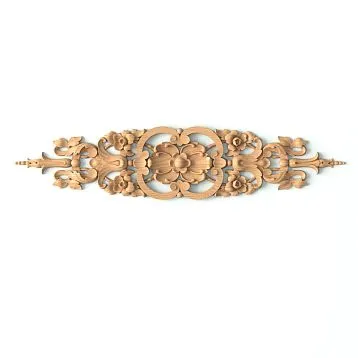
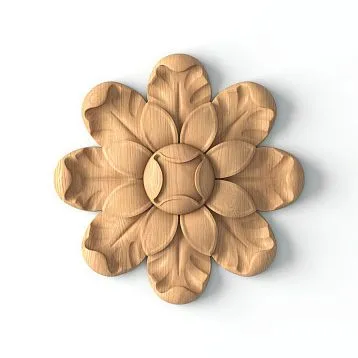
Our factory also produces:
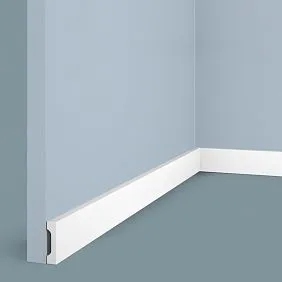
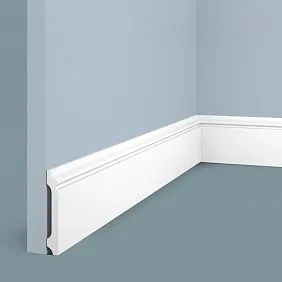


Optical illusions and spatial modeling
A well-chosen ceiling skirting can visually alter the proportions of a room. A wide profile with rich detailing creates the impression of high ceilings even in compact rooms. Conversely, a narrow, minimalist skirting emphasizes horizontal lines and expands the space.
The play of light and shadow on the relief surface of the wooden profile adds dynamism and depth to the interior. Each change in lighting throughout the day creates new visual effects, transforming static architecture into a living, breathing environment.
Get Consultation
Wood materials science for elite decor: secrets of choosing wood
Choosing a wood species for ceiling skirting is an art requiring a deep understanding of the properties of different types of wood. Each species has unique characteristics that affect not only the appearance but also the durability, stability, and ease of processing the finished product.
Classic wood species for ceiling decoration
Wooden ceiling baseboardLinden is rightfully considered a classic of the genre. The soft, uniform structure of this species is ideal for creating intricate carved elements. Linden is easy to work with, practically does not crack during drying, and has a pleasant light tone.
Linden is especially prized in classical interiors, where it is necessary to create an atmosphere of palace luxury. Carved elements made of linden can be gilded, patinated, or coated with various decorative finishes without risking damage to the base.
Breeds for Modern Interiors
Ash has gained popularity due to its expressive contrasting texture and modern aesthetic. Clearly defined annual rings create a dynamic pattern that looks especially striking in loft, modern, and contemporary style interiors.
Ash's high strength allows for creating thin, elegant profiles without the risk of deformation. The light color with a characteristic greenish tint combines beautifully with modern finishing materials — concrete, metal, glass.
Exotic solutions for exclusive projects
Wenge, palisander, zebrawood — these names sound like music to connoisseurs of elite decor. Exotic wood species create unique visual effects due to their distinctive color combinations and textural features.
Wenge, with its deep chocolate-black color and contrasting grain, creates a dramatic effect in interiors. Such a ceiling skirting board becomes not just a functional element, but a true work of art.
Geometry of perfection: profiles and their influence on interior design
The cross-sectional shape of a ceiling skirting board profoundly affects the perception of the entire space. From simple rectangular strips to complex multi-step compositions — each profile has its purpose and creates a specific atmosphere.
Classic profiles: heritage of centuries
Traditional European profiles were developed over centuries, incorporating the finest achievements of architectural art. Roman ovals, Greek meanders, Gothic pointed elements — all these forms have found modern embodiment in wooden ceiling skirting boards.
Complex multi-profile compositions require the highest level of craftsmanship. Each radius, each chamfer must be executed with jewel-like precision. The slightest deviation from the specified geometry disrupts the harmony of the entire composition.
Modern geometry: minimalism and functionality
Modern design tends toward clear, concise forms. Simple rectangular and trapezoidal profiles create a sense of order and strictness. Such solutions are especially popular in office interiors, studio apartments, and high-tech style homes.
Asymmetric profiles add dynamism to modern interiors. Unusual angles, offset centers of gravity, and variations in thickness create an impression of movement and energy.
Custom profiles: individuality without compromise
To create truly unique interiors, designers turn to manufacturing custom profiles based on individual sketches. Modern technologies allow for realizing the most daring architectural fantasies in wood.
The process of creating a custom profile begins with a detailed study of the room's architectural features, analysis of interior style, and understanding of the client's personal preferences. The result is a unique item, which does not exist anywhere else in the world.
Manufacturing technologies: from rough cut to masterpiece
Modern production of wooden ceiling skirting boards represents a symbiosis of traditional craftsmanship and advanced technologies. Each stage of the manufacturing process affects the quality of the final product.
Raw material selection and preparation
The quality of the ceiling skirting board is established during the selection of timber. Experienced loggers choose trunks with proper fiber structure, minimal defects, and optimal moisture content. Each log undergoes careful inspection before entering production.
Special attention is paid to the direction of fibers. For ceiling skirting boards, it is critically important that the wood fibers run parallel to the length of the product. This ensures maximum strength and minimal deformation during use.
Precision drying
The process of drying wood for ceiling skirting boards requires special precision. Uneven moisture removal may lead to warping, cracking, or changes in the geometry of the blanks. Modern drying complexes provide ideal conditions for each wood species.
Multi-stage drying regimes allow reducing the moisture content of wood to optimal 8-10% without creating internal stresses. This guarantees dimensional stability of finished products throughout their entire service life.
High-Precision Processing
Creating complex ceiling skirting board profiles requires the use of high-precision equipment. CNC milling centers are capable of reproducing the most complex geometric shapes with precision down to fractions of a millimeter.
The quality of cutting tools plays a decisive role in achieving an ideal surface. Carbide inserts with special geometry ensure a clean cut without chips or scratches, even when processing hard wood species.
Installation solutions: the art of invisible mounting
Installation of wooden ceiling skirting boards requires special skill and understanding of working with natural materials. Each mounting method has its advantages and area of application.
Traditional fastening methods
Mechanical mounting with self-tapping screws remains one of the most reliable methods for installing wooden ceiling skirting boards. Properly executed mounting ensures the longevity of the structure and allows for disassembly if necessary.
A key feature of mechanical mounting is the correct selection of mounting points. Screws must penetrate load-bearing elements of the wall or ceiling, ensuring secure holding of the structure. Screw heads are countersunk into the wood and concealed with wooden plugs or putty.
New-generation adhesive systems
Modern polymer adhesives open up new possibilities for installing ceiling skirting boards. Adhesive mounting ensures even load distribution along the entire length of the product and creates a flawless surface without visible mounting elements.
Adhesive systems are especially effective when working with lightweight profiles made of softwood species. Polyurethane adhesives create an elastic joint that compensates for thermal deformations and vibrations.
Hidden fastening systems
Special hidden mounting systems have been developed for elite interiors, allowing the creation of "floating" structures without visible mounting elements. Such systems are especially popular in minimalist interiors, where clean lines are essential.
Hidden mounting requires the highest level of manufacturing and installation precision. Even minor deviations from the specified geometry may lead to uneven load distribution and premature failure of the structure.
Stylistic directions: from Baroque to High-Tech
Wooden ceiling baseboardCan realize any stylistic direction. The key is to correctly select the profile, wood species, and finishing method.
Classic styles: eternal elegance
Baroque demands maximum opulence and ornamentation. Ceiling skirting in the Baroque style features complex multi-level profiles, abundant carved elements, and rich finishing. Gilding, patination, and artificial aging are all techniques used to create an atmosphere of palace luxury.
Classicism prefers more restrained, yet no less refined solutions. Clear proportions, harmonious forms, noble materials — these are the main principles of classical style. Ceiling skirting must conform to the canons of order-based architecture.
Modern Trends: Functionality and Aesthetics
Minimalism requires extremely concise solutions. Simple geometric forms, absence of decorative excesses, emphasis on material quality and craftsmanship.Ceiling skirting board made of wood, height 100-150 mm, enhances the perception of ceiling height.In a minimalist interior, it should be practically invisible, yet still create a sense of completion.
Loft implies a combination of rough industrial materials with elements of natural wood. Ceiling skirting in the loft style may have deliberately simple forms, rough texture, and traces of mechanical processing.
Ethnic styles: national character
Russian style requires the use of traditional wood species — pine, birch, oak. Characteristic elements — carved ornaments, natural colors, matte finishes. Ceiling skirting may be decorated with traditional Russian patterns — geometric ornaments, floral motifs.
Scandinavian style leans toward light wood species, simple forms, natural finishes. Material eco-friendliness and connection to the nature of northern countries are important.
Functional capabilities of modern baseboards
Modern ceiling skirting are not only decorative elements, but also functional systems capable of integrating with various engineering utilities.
Lighting Systems
Built-in LED lighting transforms the ceiling skirting into part of the lighting system. Soft diffused light directed toward the ceiling creates a "floating" ceiling effect and visually increases room height.
Modern LED strips emit almost no heat, which is important when working with wood. Various color temperatures allow creating different lighting scenarios — from warm ambient light to cool task lighting.
Ventilation systems
Special perforated skirting can serve as elements of supply or exhaust ventilation. Hidden ventilation channels ensure unobtrusive air circulation, which is especially important in rooms with suspended ceilings.
A properly designed ventilation system through ceiling skirting allows maintaining optimal microclimate without using bulky ventilation grilles.
Acoustic systems
Wooden moldingsCan be integrated with acoustic systems, ensuring even sound distribution throughout the room. Built-in speakers are practically invisible but provide high-quality sound.
Such solutions are especially popular in home theaters, conference rooms, concert halls, where it is important to ensure quality acoustics without compromising the interior design.
Operation and maintenance: preserving beauty for decades
Proper care of wooden ceiling skirting ensures preservation of their original appearance and protective properties for many years.
Preventive Care
Regular dust cleaning is the foundation of long service life for wooden skirting. Dust not only spoils appearance but may contain abrasive particles that, over time, damage the protective coating.
For cleaning, use soft cloths or special brushes. Avoid wet cleaning unless necessary — excess moisture may damage the wood and finish. If wet cleaning is required, use slightly damp cloth and special wood cleaning agents.
Microclimate control
Stable air temperature and humidity are critically important for preserving the geometry of wooden skirting. Sudden fluctuations may cause cracking, warping, or peeling of the finish.
Optimal air humidity is 45-65%, temperature — 18-24°C. Using humidifiers during heating season prevents wood from drying out.
Restoration and renewal
One of the main advantages of wooden skirting is the possibility of restoration. Minor damage is removed by sanding and local reapplication of finish. Serious defects may require replacement of individual sections.
Periodic renewal of protective coating extends the service life of skirting. Frequency of renewal depends on usage conditions and type of coating — typically every 5-10 years.
Economic aspects: investment in quality
Ceiling skirting made of natural wood requires significant initial investment, but pays off through longevity and prestige.
Impact on property value
Quality finishing with natural materials significantly increases the market value of real estate. Expert assessments show that usingwooden cornices for furnitureand ceiling skirting can increase the property value by 10-20%.
Buyers are willing to pay more for homes and apartments with thoughtful design and quality finishing materials. This makes investments in wooden skirting not only aesthetically, but also economically justified.
Long-term savings
Unlike synthetic materials, wooden skirting can be restored and repeatedly refreshed. This significantly reduces long-term maintenance costs for interior design.
The ability to change the color and type of finish allows skirting boards to adapt to interior changes without full replacement. This flexibility is especially valuable in commercial spaces, where design updates are periodically required.
Regional characteristics and traditions
Different regions of Russia have their own traditions in the manufacture and use of wooden ceiling skirting boards.
Northern Traditions
In the northern regions of Russia, historical traditions have developed around working with coniferous wood species. Pine, spruce, and cedar are the main materials for architectural decoration. Northern craftsmen especially value the natural beauty of wood, preferring minimal processing.
The climatic conditions of the North require special attention to protecting wood from moisture and temperature fluctuations. Traditional methods of treatment include impregnation with linseed oil and coating with natural waxes.
Central regions
Central Russia is rich in hardwood species — oak, birch, ash, and linden. Local woodworking traditions lean toward more complex forms and rich decoration. Carving, inlay, and painting are characteristic elements of Central Russian style.
Moscow craftsmen are known for their ability to create complex multi-profile compositions that combine functionality with high aesthetics.
Southern characteristics
In southern regions, where the climate is milder and more humid, special attention is paid to the biological protection of wood. Traditional methods include the use of natural antiseptics — tar, propolis, and essential oils.
Southern Russian woodworking traditions have been influenced by Caucasian and steppe cultures, which is reflected in ornamentation and color schemes.
Innovations and the Future
The market for wooden ceiling skirting boards is constantly developing under the influence of new technologies and changing buyer needs.
Smart Materials
The development of "smart" coatings that respond to environmental changes opens new possibilities for wooden skirting boards. Self-cleaning surfaces, coatings with variable properties, integrated sensors — all of this may become reality in the near future.
Digital technologies
3D printing with wooden composites allows creating complex shapes inaccessible through traditional processing methods. Laser engraving opens opportunities for creating unique decorative elements.
Virtual reality helps customers visualize the result even before work begins, reducing the risk of errors and increasing customer satisfaction.
About the company STAVROS
STAVROS is a recognized leader in the Russian market for premiumsolid wood trimwood. Over many years of operation, the company has developed unique expertise in manufacturing ceiling skirting boards and other architectural elements from valuable wood species.
STAVROS combines the best traditions of Russian carpentry craftsmanship with modern production technologies. Own production facilities equipped with high-tech European equipment allow quality control at every stage of manufacturing.
The STAVROS team includes experienced technologists, designers, and master carpenters capable of solving any complexity. Individual approach to each project, the ability to manufacture unique items according to author's drawings, comprehensive support from design to installation — all of this makes STAVROS a reliable partner for the most demanding clients.
Frequently asked questions
Which ceiling skirting board profile is best for a standard apartment?
For rooms with ceilings 2.5–3.0 m high, skirting boards 80–120 mm high with moderately complex profiles are optimal. Too wide skirting boards may visually reduce the room’s height, while too narrow ones will blend into the wall background.
Can wooden ceiling skirting boards be installed in a bathroom?
Installation is possible provided the wood is properly moisture-protected and good ventilation is ensured. It is recommended to use durable wood species and modern water-resistant coatings.
How to properly join ceiling skirting boards at corners?
Internal corners are joined "on the edge" at a 45-degree angle. For complex profiles, it is recommended to use pre-made corner elements that ensure perfect pattern alignment.
How long do quality wooden ceiling skirting boards last?
With proper manufacturing, installation, and maintenance, wooden skirting boards last 20–30 years or more. The possibility of restoration significantly extends their service life.
What tools are needed for self-installation?
Main tools: circular saw, drill, level, miter gauge for cutting angles. For complex profiles, professional equipment may be required.
Can wooden ceiling skirting boards be painted or stained?
Wooden skirting boards are well-suited to any type of finish — painting, staining, or varnishing. Proper surface preparation ensures the longevity of the coating.