Article Contents:
- Alternatives to traditional balusters: new horizons in design
- Glass panels — transparency and lightness
- Metal constructions — industrial aesthetics
- Cable systems — minimalism in its purest form
- Traditional solutions: eternal classic balusters
- Dimensions of wooden balusters: standards and variations
- Carved balusters: art in details
- Carved Balusters: The Peak of Craftsmanship
- Creative application: crafts from balusters
- Second life of architectural elements
- Processing and decorating techniques
- Technical Aspects and Regulatory Requirements
- Safety Above All
- Loads and calculations
- Materials and Their Characteristics
- Wood — the classic of the genre
- Metal — strength and modernity
- Styles and Design Directions
- Classicism — eternal values
- Modern — freedom of creativity
- Minimalism — Beauty of Simplicity
- Manufacturing Technologies
- Modern equipment
- Quality Control
- Installation and mounting
- Preparatory work
- Mounting methods
- Maintenance and care
- Wooden Balusters
- Metal constructions
- Economic Aspects
- Pricing factors
- Cost Optimization
- Trends of development
- Ecological requirements
- Technological Innovations
- Customization
- Conclusion

Modern architecture dictates new rules, where minimalism and functionality become defining factors. When it comes to staircase railings, the question arises more and more often: can we create safe and aesthetically pleasing railings without balusters? The answer is unequivocal — yes, and such solutions open up boundless opportunities for creative self-expression.
Abandoning traditional balusters does not mean compromising on safety or beauty. On the contrary, modern technologies and materials allow us to create railings that surpass classic solutions on many parameters. Glass panels, metal constructions, cable systems — each option opens new horizons for design experiments.
However, traditional balusters do not lose their relevance. Carved balusters on staircases continue to be a symbol of elegance and craftsmanship, while pierced balusters demonstrate the perfect combination of functionality and decorativeness. The choice between classicism and modernity depends on the overall interior concept and the owner's personal preferences.


Alternatives to traditional balusters: new horizons in design




Glass panels — transparency and lightness
Glass railings have revolutionized the perception of staircase safety. Tempered glass 10-12 millimeters thick provides reliable protection while visually not cluttering the space. Such railings without balusters create a sense of lightness and openness, which is especially valuable in small rooms.
The advantages of glass railings are obvious: they let in light, are easy to clean, require no complex maintenance, and are practically immune to wear. Modern technologies allow creating glass with various effects — matte, tinted, with decorative elements.
Our factory also produces:


Metal constructions — industrial aesthetics
Metal railings without traditional balusters open up wide possibilities for creating modern interiors. Horizontal bars, perforated panels, mesh constructions — each solution has its own aesthetics and functional features.
Stainless steel remains the most popular material due to its corrosion resistance and modern appearance. Aluminum constructions attract with their lightness and ability to create complex geometric forms.
Get Consultation
Cable systems — minimalism in its purest form
Cable railings represent the pinnacle of minimalist design. Thin steel cables stretched between support posts create virtually invisible railings that do not disrupt the visual integrity of the space.
Such systems are especially popular in modern lofts and high-tech style homes. They require precise tension calculation and professional installation, but the result exceeds all expectations.
Traditional solutions: eternal classic balusters
Dimensions of wooden balusters: standards and variations
The dimensions of wooden balusters are strictly regulated by construction standards, but allow certain variations depending on specific operating conditions. The standard height of balusters is 900 millimeters for residential spaces, ensuring optimal safety for people of different heights.
The cross-section of balusters varies depending on the material and style:
- Square balusters: 40×40, 50×50, 60×60, 80×80 millimeters
- Round balusters: diameter from 40 to 100 millimeters
- Rectangular balusters: various side ratios
The choice of size depends on loads, aesthetic requirements, and the overall scale of the staircase structure. More substantial balusters are suitable for large staircases in spacious rooms, while compact ones are ideal for smaller interiors.
Carved balusters: art in details
Carved balusters represent a unique combination of functionality and decorativeness. These flat elements with artistic cutouts create unique lighting effects and allow for the realization of the most daring design ideas.
The manufacturing technology of carved balusters requires high-precision equipment. Modern CNC machines allow creating the most complex patterns with jewel-like accuracy. Each baluster becomes a work of art capable of decorating any interior.
Advantages of carved balusters:
- Unique外观
- Possibility of creating through compositions
- Material savings while maintaining strength
- Lightweight construction
- Ease of installation
Carved balusters: the pinnacle of craftsmanship
Carved balusters of staircases are a embodiment of centuries-old woodworking traditions. Each item is crafted by master carvers who infuse their work not only with professional skills but also with soul.
The process of creating carved balusters begins with selecting high-quality wood. Preference is given to species with dense grain — oak, beech, ash. The rough piece undergoes special drying, after which the craftsman begins creating a masterpiece.
Carving can vary in complexity — from simple geometric patterns to intricate floral ornaments. Each element is handcrafted, ensuring the uniqueness of every piece.
Creative application: crafts from balusters
Second life of architectural elements
Crafts from balusters are an engaging creative direction that allows architectural elements to be given a second life. Old or damaged balusters can become the basis for creating unique interior items.
Popular directions for using balusters in crafts:
- Lamps and lanterns
- Vases and planters
- Decorative stands and holders
- Furniture elements
- Garden ornaments
Processing and decorating techniques
Creating crafts from balusters requires certain skills and tools. Main techniques include:
Turning allows changing the baluster's shape, creating new decorative elements, or adapting the item to specific tasks.
Wood carving opens up limitless possibilities for decoration. Even a simple baluster can become a work of art thanks to skilled carving.
Patination and tinting help create an aged effect or change the color palette of the item. Modern compounds allow achieving any shades and effects.
Technical aspects and regulatory requirements
Safety above all
Regardless of the chosen railing type, safety remains a priority. Building codes establish clear requirements for railing height, spacing between elements, and structural strength.
For residential spaces, the minimum railing height is 900 millimeters. In childcare facilities, this value increases to 1200 millimeters. The distance between vertical elements should not exceed 100–150 millimeters depending on the building's purpose.
Loads and Calculations
Stair railings must withstand standard loads without deformation. The horizontal load on the handrail is 0.8 kN/m for residential buildings and 1.5 kN/m for public buildings.
When designing railings without balusters, special attention is paid to load distribution. Glass panels require special mounting, while cable systems require precise tension calculation.
Materials and their characteristics
Wood — Genre Classic
Wood remains the most popular material for making balusters due to its natural beauty, eco-friendliness, and workability. Different species offer a wide range of characteristics:
Oak — the standard of strength and durability. Oak balusters can serve for centuries while retaining their original appearance. High wood density ensures exceptional resistance to mechanical impacts.
Beech — a species combining beauty and practicality. Beech balusters feature uniform structure and a pleasant pinkish hue. They are easy to process and allow creating items with perfectly smooth surfaces.
Ash — wood with expressive texture and high strength. Ash balusters are especially popular in modern interiors due to their light color and contrasting grain.
Spruce — an affordable and practical choice. Resinous structure provides natural protection against moisture and pests. Spruce balusters are easy to tint and paint.
Metal — Strength and Modernity
Metal balusters open new possibilities for design experimentation. They can be made from various materials:
Stainless steel — ideal choice for modern interiors. Corrosion resistance and attractive appearance make it a universal solution.
Aluminum — lightweight and strong material enabling complex constructions. Aluminum balusters are corrosion-resistant and require no special maintenance.
Cast iron — traditional material for creating artistic items. Cast iron balusters feature high strength and the ability to reproduce delicate ornament details.
Styles and design directions
Classicism — Eternal Values
Classic style implies use of traditional forms and proportions. Classic balusters feature strict geometry, elegant transitions, and noble materials.
Main characteristics of classic balusters:
- Turned surface with smooth transitions
- Symmetrical composition
- Use of natural materials
- Subdued color palette
- High-quality finishing treatment
Modern — Freedom of Creativity
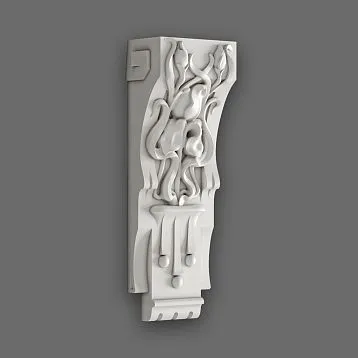
Modern style brought freedom from strict canons to architecture. Balusters in modern style feature smooth, often asymmetrical shapes, botanical motifs, and use of natural lines.
Characteristic features:
- Curved silhouettes
- Plant ornaments
- Asymmetrical compositions
- Use of various materials
- Non-standard color solutions
Minimalism — beauty of simplicity
Modern minimalism requires conciseness and functionality. Minimalist balusters have simple geometric shapes and lack decorative elements.
Principles of minimalist design:
- Simple geometric forms
- No decoration
- Neutral color palette
- Quality materials
- Flawless execution
Manufacturing Technologies
Modern equipment
Manufacturing high-quality balusters requires the use of modern equipment. CNC machines ensure the highest level of processing accuracy and the ability to create items of any complexity.
CNC lathes allow creating balusters of complex shapes with minimal deviations from specified parameters. Programmed control ensures high repeatability of products.
Milling centers are used to create complex decorative elements. Three-dimensional processing allows bringing the most daring design ideas to life.
Laser machines are used to manufacture pierced balusters. Laser cutting ensures perfectly straight edges and the ability to create delicate patterns.
Quality control
Baluster quality is controlled at every stage of production. Incoming material inspection, operational control of technological parameters, and outgoing inspection of finished products — each stage is crucial for achieving top-quality products.
Installation and Mounting
Preparation Work
Quality installation of balusters begins with careful preparation. It is necessary to accurately calculate the number of elements, determine their installation locations, and prepare the required tools and materials.
Marking is a critically important stage. Balusters must be positioned strictly vertically and at equal distances from each other. Any deviations will be noticeable and spoil the overall impression.
Methods of mounting
There are several main methods of baluster mounting:
Shank joint — a traditional method ensuring secure fixation while preserving aesthetics. Holes are drilled in the base of the baluster and at the step for wooden or metal shanks.
Threaded connection — a modern method allowing balusters to be dismantled without damaging the structure. A thread is cut into the base of the baluster, and a corresponding part is installed in the tread.
Adhesive joint — an additional method to strengthen the connection. Used in combination with mechanical fastening methods.
Care and Maintenance
Wooden Balusters
Wooden balusters require regular maintenance to preserve their appearance and protective properties. Main activities include:
- Regular cleaning from dust and dirt
- Periodic Renewal of Protective Coating
- Fastener Condition Inspection
- Timely removal of minor defects
Maintenance frequency depends on operating conditions, type of finish, and intensity of staircase use.
Metallic structures
Metallic balusters require less maintenance but also need regular servicing:
- Cleaning from dust and dirt
- Checking the condition of protective coatings
- Fastening Check
- Renewal of coatings if necessary
Economic Aspects
Pricing Factors
The cost of balusters depends on many factors:
Material of manufacture — the primary factor determining price. Balusters made of pine are the most affordable, while those made of oak or exotic woods are significantly more expensive.
Processing complexity — simple turned balusters are cheaper than hand-carved items. Each additional decorative element increases the cost.
Order volume — manufacturers offer discounts for large orders, reducing the cost per unit.
Urgency of manufacturing — urgent orders may cost 20-50% more than standard ones.
Cost Optimization
To reduce costs, consider the following options:
- Choosing more affordable materials
- Simplifying the design without compromising functionality
- Wholesale Purchases
- Planning the order in advance
Trends in development
Ecological Requirements
Growing attention to ecology influences material and production technology choices. Preference is given to natural materials and eco-friendly coatings.
FSC-certified wood guarantees that the material is sourced from responsibly managed forests. Water-based and plant-based varnishes and oils are gradually replacing traditional formulations with organic solvents.
Technological Innovations
The introduction of new technologies allows for improved product quality and reduced costs:
- 3D modeling for project visualization
- Production process automation
- New materials with enhanced properties
- Innovative Surface Treatment Methods
Customization
Demand for customized solutions is growing. Clients increasingly require unique items designed specifically for their projects. This stimulates the development of small-batch production technologies and expands customization capabilities.
Conclusion
The world of stair railings is undergoing a period of active change. Traditional solutions coexist with innovative technologies, classic materials are complemented by modern composites. The choice among various options depends on multiple factors — from interior style to budget constraints.
Railings without balusters open up new possibilities for creating modern interiors, where openness and minimalist aesthetics are important. Glass panels, metal structures, cable systems — each solution has its advantages and area of application.
Traditional balusters do not lose their relevance. wooden balusters for staircases Continue to remain a symbol of quality, reliability, and aesthetic perfection. Modern manufacturing technologies allow creating products that combine traditional beauty with contemporary quality requirements.
Creative use of balusters in various crafts demonstrates the versatility of these architectural elements. They can become the basis for creating unique interior items, garden ornaments, furniture elements.
When choosing stair railings, it is important to consider not only aesthetic preferences but also technical requirements, operating conditions, and budget constraints. Professional consultation will help find the optimal solution for each specific case.
STAVROS is a recognized leader in producing high-quality wooden items for staircases. Years of experience, modern equipment, highly qualified specialists, and strict quality control allow STAVROS to offer solutions that meet the highest standards.
The wide product range includes balusters of various styles and sizes, from simple turned items to complex carved structures. The possibility of manufacturing according to individual projects allows to realize the most daring design ideas.
If you plan to create your dream staircase, consult professionals at STAVROS. Quality products, professional support, and individual approach to each project — all of this makes STAVROS a reliable partner for realizing your ideas.
Investing in quality stair components is an investment in the safety, comfort, and beauty of your home. Entrust your project to STAVROS professionals, and the result will exceed all your expectations.