Article Contents:
- 1. Brief historical overview
- 1.1. Prehistoric times
- 1.2. Antiquity and Middle Ages
- 1.3. Modern times and contemporary era
- 2.1. Oak
- 2.2. Ash
- 2.3. Beech
- 2.4. Pine and spruce
- 2.5. Exotic species
- 3.1. Construction and repair
- 3.2. Gardening and landscape design
- 3.3. Sports and active recreation
- 3.4. Decoration and interior design
- 3.5. Craft and artistic projects
- 4.1. Purpose of use
- 4.2. Wood quality
- 4.3. Treatment method and finish
- 5.1. Protection from moisture and temperature fluctuations
- 5.2. Regular cleaning
- 5.3. Refreshing the finish
- 7.1. Metal
- 7.2. Plastic and composites
- 7.3. Bamboo
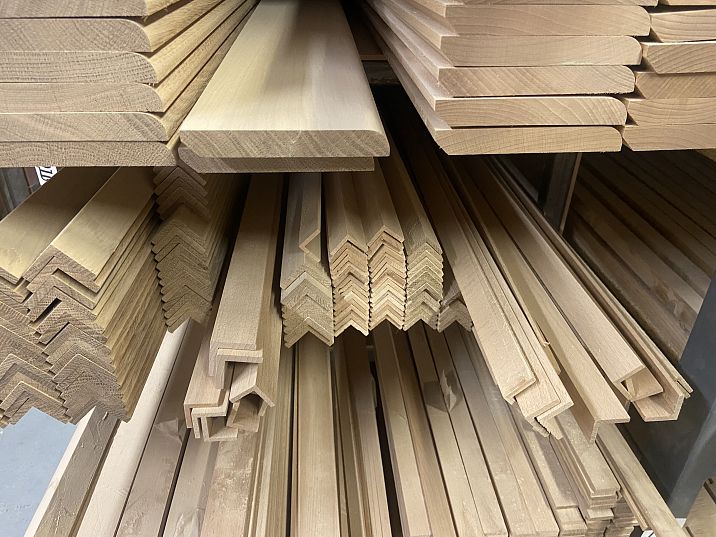
Modern world, full of high technologies and artificial materials, increasingly turns its gaze toward natural resources and time-tested traditional items. One such item, which has remained relevant for centuries, isa 2-meter wooden stick. It may seem like a simple item, but it hides a deep history, rich culture, and wide range of applications—from construction and decorative tasks to martial arts and gardening. In this article, we will examine why a 2-meter wooden stick remains in demand, which wood species are used for its manufacture, how to properly choose the right model, and what are the nuances of its use.


1. Brief Historical Overview




1.1. Prehistoric Times
It is believed that people began using wooden sticks as far back as ancient times. Early hunters used them for hunting and for protection against wild animals. Later, wooden sticks became an important part of daily life: they served as levers, supports, and props, and when combined with stone tips, they became spears and other types of weapons.
At the dawn of civilization, stick lengths could vary from short clubs to impressive poles. However, gradually, it became clear that the optimal length of a stick, convenient for many types of activities, is about two meters. That is why a 2-meter wooden stick became a kind of 'golden standard,' providing a balance between lightness, strength, and versatility.
Our factory also produces:



1.2. Antiquity and the Middle Ages
In the ancient world and during the Middle Ages, a wooden stick had not only utilitarian but also symbolic significance. Sticks and staffs served as symbols of power for rulers, priests, and military leaders. Two-meter sticks often appeared in ceremonial processions, indicating the high status of their owners.
In addition, sticks were actively used in warfare: in many martial arts of those times, poles and long clubs appeared. They helped hone weapon-handling skills, develop strength and agility. The wood chosen for making such sticks had to be strong yet not overly heavy, so that a fighter could wield the pole without excessive fatigue.
Get Consultation
1.3. Modern Times and Contemporary Era
With the development of industry and the emergence of metal, the sphere of application of wooden sticks changed somewhat. However, two-meter sticks did not disappear into the past: they continued to be used in construction (as bars, planks, supports), agriculture (for tying plants, creating fences), and even as sports equipment (poles for jumping, trekking poles).
Today, as eco-style and natural materials are once again in fashion, a 2-meter wooden stick has once again become an object of close attention for designers, architects, and simple hobbyists. It is used in interiors, garden landscapes, decoration, and creative projects. The wooden stick also retains its significance in martial arts, tourism, and sports.
2. Wood Species and Their Characteristics
2.1. Oak
One of the most popular species for making two-meter sticks is oak. It is renowned for its strength and durability. An oak stick can withstand significant loads while remaining relatively light (compared to metal analogs). It is not afraid of moisture and impact, making it ideal for construction and household purposes.
2.2. Ash
Ash is another hard species, valued for its elasticity and resilience. A 2-meter ash stick effectively absorbs vibrations and impacts, which is why it is often used in martial arts and sports. In addition, ash has an attractive texture, making the item visually appealing for decorative purposes.
2.3. Beech
Beech is a more affordable species, possessing decent strength characteristics. Beech is often used to make garden tools, plant supports, and various decorative elements. Beech is easy to process and sand, allowing the stick to be given an ideal shape and smooth surface.
2.4. Pine and Spruce
These are softwood species, usually chosen for simpler tasks: decorative projects, light structures, temporary supports. A pine or spruce stick is lightweight but not designed for significant loads or strong impacts. However, if treated with special protective coatings, such a stick can last quite a long time.
2.5. Exotic Species
For special occasions and exclusive projects, some people prefer to use sticks made from exotic species such as padauk, mahogany, or wenge. They are distinguished by unusual texture and color, as well as high strength characteristics. However, the cost of such sticks may be significantly higher than that of local species analogs.
3. Application Areas of a 2-Meter Stick
3.1. Construction and Repair
In construction and repair, it can serve as a measuring tool (ruler, level), a support during installation of floors, a temporary support for beams or gypsum board sheets. It is also used as a lever when moving heavy loads. Thanks to the optimal ratio of length to weight, a two-meter pole is convenient to handle and store: it is easy to transport, and can be placed in a workshop or garage without special problems.a 2-meter wooden stick 3.2. Gardening and landscape design
For gardeners and landscape designers, a two-meter wooden pole is a real find. It can perform many functions:
Support for plants. Used to tie climbing crops, tall flowers (e.g., gladiolus) or young saplings of trees.
- Forming hedges. Several poles connected by mesh or wire create a base for a living hedge, later covered by grapevines or ivy.
- Decorative elements. In landscape design, poles are used to create vertical accents, such as compositions in an oriental style.
- Territory marking. When planning beds or flowerbeds, the pole can be used to align and mark lines.
- 3.3. Sports and active recreation
Martial arts. Many schools of Eastern and European martial arts use long poles to practice strikes, blocks, and stretches. A two-meter pole is optimal for most techniques, helping to develop coordination and strength.
- Tourism. In hiking trips, the pole serves as a trekking support, helping to navigate difficult terrain. Although metal and carbon trekking poles are popular today, wooden alternatives have admirers who appreciate their naturalness and aesthetics.
- Gymnastics and fitness. A 2-meter pole is suitable for performing stretching exercises, balance training, and strengthening the back and shoulder muscles.
- 3.4. Decoration and interior design
In interiors styled in eco, boho, Scandinavian, or country directions, a wooden pole often becomes an interesting decorative element:
Crown molding and hangers. A two-meter pole can serve as a base for hanging curtains or clothing. Its natural texture will add warmth and coziness to the room.
- Space zoning. Vertically installed poles help visually separate one part of a room from another, while maintaining the overall spatial integrity.
- Decorative compositions. Poles can be used as a base for wall panels, hanging plant or lighting fixtures.
- 3.5. Craft and artistic projects
Creative people often make various items from two-meter poles: from carved staffs and sculptures to unique lamps and installations. Thanks to the natural wood texture and the possibility of diverse processing (carving, burning, painting, decoupage), the pole becomes a 'canvas' for realizing the boldest ideas.
4. How to choose a 2-meter wooden pole
4.1. Purpose of use
The first step is to determine exactly what you need it for
. If construction work or intensive physical activity (martial arts, sports) is planned, it is better to choose hardwood species (oak, beech). For decorative or gardening purposes, softer and more affordable options (beech, pine, spruce) are suitable.a 2-meter wooden stick4.2. Wood quality
Pay attention to the following points:
Absence of cracks and knots. Cracks weaken the pole's structure, and knots may become future breakage points.
- Straightness. Place the pole on a flat surface or roll it across the floor: if it noticeably wobbles or bends, this could become a problem in the future.
- Moisture level. The wood should be well-dried (within 8–12% moisture). Wet wood may deform over time.
- 4.3. Processing method and finish
Poles may be sold untreated (with bark, rough surface) or already sanded and coated with varnish, oil, or wax. Your choice depends on your preferences and planned work:
Poles can be sold in an unprocessed state (with bark, rough surface) or already sanded and coated with varnish, oil, or wax. The choice depends on your preferences and planned work:
● Unfinished stick allows for independent sanding and creativity, but requires time and effort.
● Sanded stick with finish is ready for immediate use, though it costs more. Its surface will be smooth and pleasant to the touch, and the protective layer will extend its lifespan.
5. Care and Storage
5.1. Protection from Moisture and Temperature Fluctuations
Wood is sensitive to sudden changes in humidity and temperature, so it is important to avoid prolonged exposure to direct sunlight, moisture, or frost. If the stick is used outdoors (in a garden or during hiking), it should be inspected periodically for cracks and the protective coating should be renewed as needed.
5.2. Regular Cleaning
Remove dust and dirt with a soft dry cloth. In case of heavy soiling, you may lightly wipe the stick with a damp cloth, then thoroughly dry it to prevent moisture absorption into the wood.
5.3. Refreshing the Finish
If the stick is coated with varnish, oil, or wax, this layer may thin or become damaged over time. It is recommended to refresh the protective coating every 1–2 years, especially if the stick is subjected to intensive use. This can be done by lightly sanding the surface with fine-grit sandpaper and applying a new layer of varnish or oil.
6. Interesting Facts and Unconventional Uses
- Eastern martial arts. In Chinese kung fu, there is a style where the main weapon is a long staff (gun), often reaching two meters in length. Japanese kobudo also uses similar sticks (bo), which help refine coordination and movement speed.
- Street performances and circus arts. Magicians, acrobats, and street performers often use two-meter sticks for juggling, balancing, and creating visual effects.
- Theatrical productions and cinematography. Long wooden staffs and sticks are often seen in historical plays and films, helping actors recreate the atmosphere of ancient times.
- Ecological weapons. Some activists advocate abandoning plastic and metal in favor of wood, noting that wooden items are easier to dispose of and recycle.
- Children's toys. A simple "horse" made from a stick, to which a soft toy is attached, is familiar to many generations of children. Such items are still popular in eco-stores and among handmade enthusiasts.
7. Comparison with Alternative Materials
7.1. Metal
Metallic poles and sticks are strong and resistant to moisture, but are usually heavier than wooden counterparts. Additionally, metal cools more rapidly in cold weather and heats up more quickly in sunlight, making it less comfortable to handle. From an ecological standpoint, metal may also be inferior to wood if one considers the energy costs involved in its production and processing.
7.2. Plastic and Composites
Modern polymers and composite materials (e.g., carbon fiber) may surpass wood in terms of lightness and strength. However, they are significantly more expensive and lack the authentic aesthetic provided by natural wood. Additionally, plastic disposal is more complex and harmful to the environment.
7.3. Bamboo
Bamboo is often called an alternative to wood, as it grows quickly and has good properties. However, the classic "2-meter wooden stick" still has a different texture and characteristics. Bamboo is hollow inside, which can be an advantage (lightness) or a disadvantage (lower bending strength).
8. Creative Ideas Using a 2-Meter Wooden Stick
- Decorative ladder. Install the stick vertically and add horizontal crossbars. This will create a stylish decorative ladder, suitable for hanging towels in the bathroom, clothes in the hallway, or decorative elements in the living room.
- Wall-mounted storage system. Securely mount the stick to the ceiling or wall and hang hooks, baskets, or even small shelves from it. This will give your interior a cozy and original look.
- Vertical garden. You can attach plant pots or planters to the stick, creating a "green column" effect in your apartment or balcony.
- Carving and painting. If you enjoy creating with your own hands, try decorating the stick with carved patterns or painting it with acrylics. Such an item will become a true art object in your home.
- Photo backdrop or art installation. For photographers, the stick can serve as an interesting prop during shoots, while for artists, it can serve as a basis for installations and performances.
9. Safety When Using
● Avoid excessive loads. Even the strongest stick may break if the load exceeds its designed capacity.
● Check the stick for damage. Cracks and chips can be dangerous, especially if the stick is used for support or martial arts.
● Store out of reach of children if it's a heavy or sharply sharpened stick.
● Use protective gear (gloves, knee pads) when practicing martial arts or construction work.
10. Environmental Aspect
Wood is a renewable resource, provided responsible forestry practices are followed. When choosing a stick, pay attention to certifications (FSC, PEFC) confirming that the timber was harvested legally and in accordance with forest regeneration standards. Unlike plastic items, which take centuries to decompose, a wooden stick does not seriously harm the environment after its service life. Moreover, with proper care and maintenance, such a stick can last for decades.
11. Conclusion
A 2-meter wooden stick is a universal item that has never lost its relevance over centuries. Whether for construction, gardening, martial arts, tourism, sports training, or creative projects — a long wooden stick finds application everywhere. Its natural material, comfort of use, eco-friendliness, and pleasant aesthetics make it an attractive alternative to metal and plastic counterparts.
When choosing a stick, it is important to consider the type of wood, processing quality, moisture content, and expected usage conditions. This determines how long the stick will retain its properties and appearance. Proper care — regular cleaning, renewing protective coating, protection from extreme temperature and humidity fluctuations — will allow your stick to serve faithfully for many years.
In the end,a 2-meter wooden stick It is not just a tool or interior detail. It is a symbol of connection with nature, respect for traditions, and at the same time readiness for creative experimentation. Such an item can combine functionality, beauty, and the spirit of antiquity, bringing benefit and delight to the eye across many spheres of human activity.