Article Contents:
- Introduction
- History and traditions of wooden house cladding
- Roots of traditions
- Symbolism of natural beauty
- Ecological and natural properties
- Thermal and acoustic insulation
- Strength and durability
- Aesthetics and variety of styles
- Ease of installation and maintenance
- Surface Preparation
- Choosing fasteners and tools
- Installation: step by step
- Blending Traditions and Innovations
- Experiments with textures and shades
- Influence of architectural styles
- Harmony with nature
- Criteria for material selection
- Selecting finishing coatings
- Proper care and prevention
- Repair and Restoration
- Combining with other materials
- Influence of Climatic Conditions
- Adaptation to Architectural Features
- Creating an atmosphere of comfort
- Emotional response and audience trust
- Combining with interior accents
- Case studies and successful projects
- Mistakes and ways to fix them
- Recommendations for a DIY enthusiast
- Final perspective on siding cladding
- Call to conscious choice
- Final thoughts
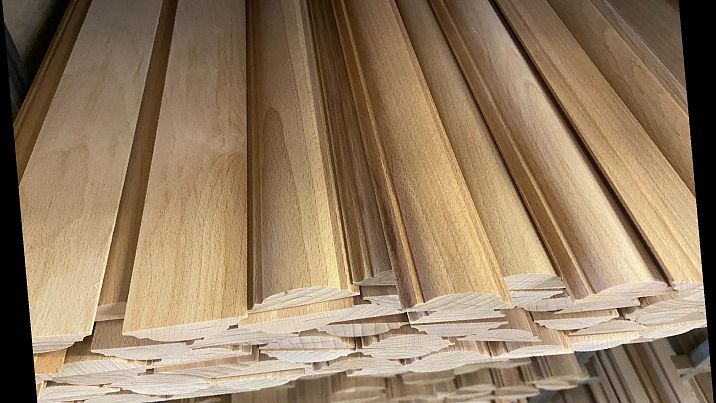
In every house, especially if it is wooden, walls are not just a load-bearing structure, but an important element capable of transforming the interior, adding comfort, and highlighting individuality. In this article, we will deeply analyze why wall cladding with siding remains one of the most popular solutions for a wooden house, what technologies and materials are used, and how to properly implement this idea. Special attention will be given to nuances of design that allow creating a unique atmosphere in your home. At the same time, we will not hide thatwall cladding with siding in a wooden house This is not just a trend, but a time-tested method with a number of unique advantages.


Introduction
Wall panels in wooden houses have always served not only as support but also as a decorative element. Proper finishing can highlight the natural beauty of wood, bring harmony to the interior, and provide warmth and sound insulation. In this article, we will discuss:
● History and traditions of using wooden siding in wooden houses.
● Advantages and disadvantages of the chosen solution.
● Installation technologies and care specifics.
● Modern trends in interior design using wooden siding.
● Practical tips on material selection and finishing execution.
We will try to tell everything as it is, without embellishment, with deep analysis and well-supported conclusions, so that every reader can independently assess the advantages of this solution.




History and traditions of wooden house finishing
Our factory also produces:

Roots of traditions
The use of wood in construction has a multi-century history. Even in ancient times, craftsmen used wooden siding as an accessible and durable material for finishing interiors of wooden houses. Such finishing not only protected walls from moisture and adverse temperature fluctuations, but also gave the room a unique charm of natural material.
Over many years of use and technological refinement, wall finishing with wooden siding has become synonymous with quality, coziness, and durability. In the modern world, many architects and designers return to traditional methods, adapting them to contemporary requirements, which makes them relevant and in demand.
Get Consultation
Symbolism of natural beauty
Wood has always been associated with nature, warmth, and life energy. In a wooden house, wooden siding is not only a functional element but also an artistic piece capable of expressing the uniqueness of space. That is why many modern projects turn to natural materials, creating an atmosphere where every detail plays its part.
In the context of modern interiors, where strict lines and minimalism dominate, using wooden siding becomes an expression of individuality and a desire for coziness, as well as a way to reconnect with nature.
Advantages of wall finishing with wooden siding in wooden houses
Ecological and natural properties
One of the main advantages of wooden siding is its eco-friendliness. In an era when environmental protection is becoming increasingly relevant, using natural material is not only a choice for beauty but also a conscious approach to family health. Wood does not emit harmful substances and is itself a renewable resource.
Thermal and acoustic insulation
Wooden siding has excellent thermal insulation properties. In wooden houses, where temperature can change rapidly, natural wood helps retain warmth even in cold seasons. Moreover, the dense structure of the material significantly reduces noise levels, creating comfortable living conditions.
Strength and durability
Wall finishing with wooden siding is an investment in the future. With proper care and adherence to installation technology, such finishing can last for decades. The material is resistant to mechanical damage, cracks, and moisture, making it the optimal choice for those who value quality and durability.
Aesthetics and variety of styles
It cannot be overlooked that wooden siding is aesthetically appealing. Modern wood processing technologies allow obtaining panels with various textures, shades, and patterns. This opens up limitless possibilities for creating interiors that meet the most daring design solutions. From strict minimalism to classic elegance — wooden siding easily fits into any concept.
Ease of installation and maintenance
Another important aspect is ease of installation. Installing wooden siding does not require complex equipment or special skills — with proper attention and following instructions, anyone can handle this task. Maintenance of finished panels does not take much time: it is enough to periodically wipe them with a dry cloth or slightly damp sponge, avoiding aggressive cleaning agents.
Wooden siding installation technologies
Surface preparation
Before starting the finishing, it is necessary to carefully prepare the wall surface. This includes cleaning from dust and dirt, as well as treating with antiseptics and anti-mold agents. It is important to ensure that the wall is flat and dry — this affects the longevity and quality of the subsequent work.
Choosing fasteners and tools
To securely fix wooden siding, special profiles, screws, and fasteners are used. Modern technologies allow applying both traditional and innovative installation methods, significantly simplifying the work. It is recommended to use only proven materials to avoid potential problems in the future.
Installation: step by step
- Wall marking. Determine where the panels will be placed, taking into account the location of windows, doors, and other interior elements.
- Installing guides. Secure the guide elements — they will serve as a reference for installing wooden siding.
- Panel mounting. Attach panels to the guides, following the sequence and correct positioning of elements.
- Final stage. After installing all panels, check the flatness and reliability of fasteners, and perform finishing treatment if necessary.
It is important to note that even with detailed instructions, self-installation requires attention and care. An error at any stage may affect the overall appearance and durability of the finish, so it may sometimes make sense to consult professionals.
Modern trends in wooden interior design
Blending of traditions and innovations
Today, when technology is constantly evolving, traditional finishing methods meet innovative solutions. Modern craftsmen use classic siding in combination with decorative elements, creating amazing compositions. Such a combination allows preserving warmth and coziness while introducing modern accents into the interior.
Experiments with textures and shades
Designers actively experiment with the textures and colors of wood. Thanks to modern processing methods, siding can be painted, varnished, or left in its natural state. Each solution is an attempt to find the ideal balance between aesthetics and functionality. For example, a contrasting combination of light siding with dark accents can create a dramatic effect capable of surprising even the most seasoned design enthusiasts.
Influence of architectural styles
Siding walls with wooden siding in a wooden house is in demand today not only in classic or rustic styles. It fits organically into modern, Scandinavian, and even industrial interior projects. This versatility is explained by the fact that natural wood is a material that remains always relevant, regardless of fashion trends.
Harmony with nature
Special attention is paid to creating harmonious spaces where the interior becomes an extension of nature. Using natural materials such as siding allows one to get as close as possible to the natural world. This is not just a trend, but a philosophy that helps people feel closer to nature and rest their souls.
Practical tips for choosing and caring for siding
Criteria for material selection
When choosing siding, it is important to pay attention to the quality of wood, its grade, and treatment. It is best to choose panels that have undergone special treatment against mold and insects. Also, pay attention to the uniformity of texture and absence of cracks — this guarantees longevity and aesthetic appeal.
Choosing finishing coatings
The finishing coating plays an important role in preserving the appearance and protective properties of siding. Varnish, oil, or wax not only highlight the natural beauty of wood but also provide additional protection against external influences. The choice depends on the conditions of use and desired effect: varnish creates a glossy surface, while oil provides a matte and warm tone.
Proper care and prevention
To ensure that wall finishes remain attractive and functional for many years, regular preventive maintenance is necessary. Here are some recommendations:
● Periodically inspect the surface for damage or signs of wear.
● Wipe panels with a soft cloth, avoiding aggressive cleaning agents.
● If necessary, renew the finishing coating.
● Monitor the humidity level in the room — excessively dry or humid air may negatively affect the condition of the wood.
Repair and restoration
Even the highest-quality siding may require repair over time. It is important to know that minor defects can be addressed independently: replacing damaged panels, treating cracks, or reapplying protective layers — all these measures will help maintain the original appearance of the walls. If the damage is extensive, it is reasonable to consult professionals who will carry out comprehensive repairs taking into account all material characteristics.
Features of siding walls with wooden siding in a wooden house
Combining with other materials
One of the most interesting aspects is the possibility of combining siding with other finishing materials. For example, it can be combined with decorative elements made of stone, glass, or metal, creating unique compositions. This approach not only diversifies the interior but also highlights the uniqueness of the dwelling. Thoughtful combination of materials opens up space for creativity and implementation of bold design ideas.
Influence of climatic conditions
When selecting siding for a wooden house, it is necessary to consider the climatic characteristics of the region. In areas with high humidity or sharp temperature fluctuations, special attention should be paid to the method of wood treatment and installation technology. Properly executed finishing, taking into account all climatic nuances, will provide reliable protection for walls and maintain their attractive appearance even in the harshest conditions.
Adaptation to architectural features
Each wooden house is unique — its structural features, layout, and even its history of creation may influence the choice of finishing method. Therefore, it is important to consider the individual characteristics of the building. For example, in houses with low ceilings, siding can visually increase the height of the room, while in spacious interiors, it can create a cozy atmosphere through warm tones and natural wood texture.
Aesthetics and emotional perception of the interior
Creating a cozy atmosphere
Wall cladding with wooden siding is not just a matter of decoration, but a way to create a special atmosphere. Natural wood can evoke associations with nature, the warmth of a family hearth, and tranquility. Every element, from texture to color, affects the emotional perception of space. That is why it is important to choose materials with soul, not compromising on quality and aesthetics.
Emotional response and audience trust
When it comes to cladding wooden houses, many owners strive to choose natural materials. This is not accidental: people value eco-friendliness, durability, and the warmth that natural wood provides. The desire to create a cozy and harmonious space becomes a sign of audience trust. It is important to convey to the reader that quality cladding is the result of careful planning and conscious choice, not a superficial solution for appearance's sake.
Combining with interior accents
In modern design, it is important not only the material itself, but also its combination with other interior elements. Siding, properly selected by color and texture, can become an excellent background for paintings, lamps, and decorative elements. Here, thoughtful accent combinations come to the rescue, allowing to achieve harmony and create a unique space that reflects the homeowner's individuality.
Practical application and real examples
Cases and successful projects
Let us consider several successful examples where wall cladding with siding transformed the interior of a wooden house. In one project, the master used natural-toned siding in combination with modern design elements, which allowed creating a harmonious space where each element highlighted the beauty of wood and the uniqueness of the house's architecture. Another example is the interior of a suburban cottage, where siding became the central element, unifying different zones and creating an atmosphere of coziness, as if returning to roots.
Mistakes and ways to fix them
As in any endeavor, mistakes can occur during wall cladding. Improper surface preparation, incorrect fastener selection, or poor material processing can lead to negative consequences. However, every mistake is an opportunity for learning and improvement. It is important to carefully plan all stages of work, consult with professionals, and not hesitate to make adjustments during installation. Only then can you achieve a flawless result that will last for many years.
Recommendations for the DIY enthusiast
If you have decided to tackle wall cladding with siding yourself, here are a few tips:
● Carefully study the installation technology and prepare all necessary tools.
● Choose high-quality materials, even if they cost more — saving on this stage may lead to additional expenses in the future.
● Follow instructions, don't rush, and pay attention to every detail.
● Don't forget about regular maintenance and preventive care to preserve the original appearance of the cladding.
● If you have doubts, consult professionals — it is better to spend time on expert advice than to face problems later.
Conclusion
Final thoughts on siding cladding
Cladding walls with siding in a wooden house is not just a way to decorate the interior — it is a true ritual that allows combining traditions with modern technologies. Natural wood used for cladding provides warmth, coziness, and ecological purity, creating a unique atmosphere where one wants to live and relax. Modern installation technologies, variety of textures and shades allow adapting this method to any conditions and interior styles.
Call to conscious choice
Today, when each of us strives for harmony with nature and inner peace, choosing quality cladding becomes a guarantee not only of a beautiful, but also functional home. Do not economize on quality — natural siding can transform the interior, making it unique and long-lasting. Let your decision to get closer to nature and return true warmth to your home be the first step toward creating a space where every corner breathes coziness and life energy.
Final thoughts
Our recommendations and experience are merely a starting point for those who have decided to recreate the atmosphere of a real wooden house. Remember that wall cladding with siding is an art that requires patience, attention to detail, and, of course, love for your home. Do not be afraid to experiment, introduce novelties, and be bold in your design decisions. Only then can you achieve a truly unique result that will delight you and your loved ones for many years.
In conclusion, we would like to remind you: if you are looking for a proven solution to create an ideal interior, pay attention towall cladding with siding in a wooden house – a material proven by time and recommended by many specialists. It will become not only a decorative element, but also a guarantee of quality, durability, and ecological safety.